


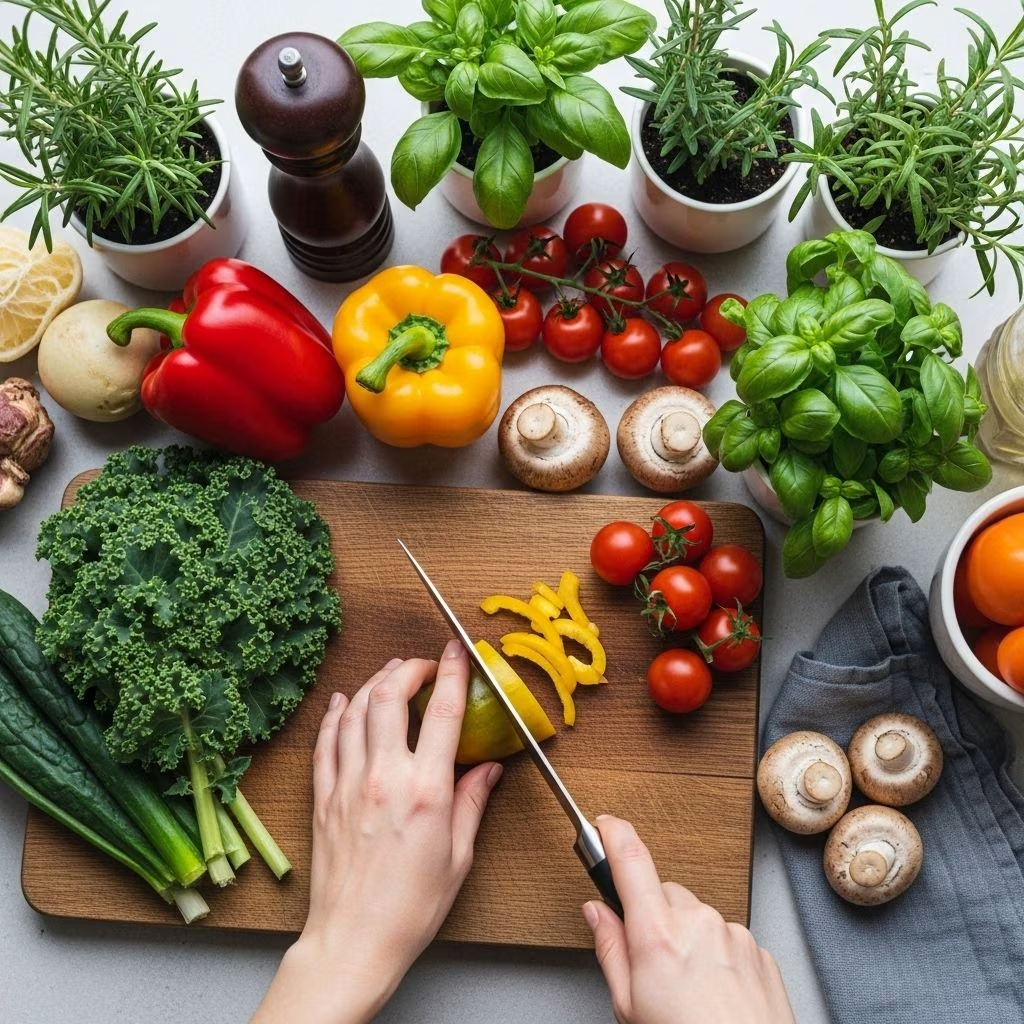
In an age of digital distractions and relentless pace, the act of cooking has re-emerged as a profound practice for nurturing well-being. Practicing mindful cooking isn’t just about preparing a healthy meal—it’s an invitation to engage the senses, reduce stress, and rediscover joy in everyday routines. This article explores the extensive benefits of mindful cooking, drawing from recent research and expert commentary to guide both beginners and seasoned home chefs in cultivating presence, creativity, and contentment in the kitchen.
Introduction to Mindful Cooking
Mindful cooking involves preparing food with deliberate attention, awareness, and intention, transforming each step—from chopping vegetables to tasting a finished dish—into an opportunity to connect with the moment. Unlike hurried or distracted meal preparation, mindful cooking encourages a non-judgmental presence, fostering gratitude, curiosity, and a sense of accomplishment. Rather than focusing solely on the outcome, the practice emphasizes the beauty and value of the process itself.
The Science Behind Mindful Cooking
Recent research highlights the psychological and physiological mechanisms that make mindful cooking so effective. Engaging in kitchen activities requires sensory immersion—listening to the sizzle of onions, savoring the aroma of spices, or noticing the vibrant colors of fruits and vegetables. According to a study published in the Journal of Positive Psychology, creative kitchen activities anchor us in the present, helping shift focus away from ruminative or stressful thoughts and toward the direct experience of each moment
In psychological terms, such states can evoke what is known as “flow”—a concept described by Mihaly Csikszentmihalyi as complete cognitive immersion in a challenging but enjoyable task. Cooking readily induces flow, especially when experimenting with new recipes, adjusting flavors, or presenting food artfully. This state is correlated with increased joy, fulfillment, and stress reduction
Mental Health Benefits
Mindful cooking serves as an accessible form of kitchen therapy that supports and enhances mental health in several ways:
- Reduces anxiety and stress: Engaging the senses during cooking calms the nervous system, helping to interrupt cycles of worry and negative self-talk
. - Promotes relaxation and calm: Repetitive tasks like chopping, stirring, or kneading can be meditative, fostering focused attention and relaxation
- Enhances mood and combats depression: Creative culinary activities lead to the release of dopamine (the “reward” hormone) and oxytocin (the “bonding” hormone), boosting mood and overall life satisfaction.
- Provides a sense of accomplishment: Completing a meal, even a simple one, builds confidence, reinforces positive self-image, and counters feelings of helplessness or low self-worth
Emotional Well-being and Self-Esteem
Cooking as a mindful practice directly contributes to emotional resilience and self-esteem. Culinary activities are inherently creative—they allow the cook to make meaningful choices, personalize dishes, and transform raw ingredients into nourishing meals. This creative empowerment is shown to:
- Strengthen personal identity and sense of purpose
- Encourage emotional expression and release
- Foster gratitude and appreciation for food and the effort behind each meal
For individuals struggling with depression or anxiety, mindful cooking can become a therapeutic intervention, reinforcing positive routines and providing gentle structure to daily life
Physical and Cognitive Benefits
- Improved dietary choices: Cooking mindfully encourages attention to ingredients, supporting healthier, more intentional eating habits.
- Heightened sensory perception: Tuning into the aroma, taste, and texture of food elevates the sensory experience and deepens appreciation for nourishment.
- Cognitive engagement and learning: Planning, following steps, and problem-solving in the kitchen stimulate mental agility and boost cognitive confidence
- Better digestion: Eating food prepared mindfully (and slowly) activates the parasympathetic nervous system, improving digestive efficiency and absorption of nutrients.
Social and Relational Benefits
Mindful cooking can be a powerful connector, enhancing social bonds and nurturing relationships:
- Shared experiences: Preparing and enjoying meals with others fosters empathy, cooperation, and a sense of community.
- Family traditions: Cooking together establishes positive rituals and shared memories, especially for families and partners.
- Building emotional intimacy: Collaborative kitchen activities can open opportunities for conversation and mutual support
Creating an Optimal Kitchen Environment
Mindful cooking is greatly enhanced by a kitchen environment designed for calm and focus:
- Declutter: Keep countertops and workspaces organized to minimize distractions and subtle stress triggers.
- Organize tools: Place frequently used tools and ingredients within easy reach for a smoother, more enjoyable workflow.
- Incorporate mood-boosting foods: Stock the kitchen with diverse, colorful produce, healthy fats, and whole grains to support both culinary creativity and brain health.
- Inviting atmosphere: Play calming music, use natural lighting, and personalize your space to make cooking feel welcoming and soothing.
Practical Tips for Practicing Mindful Cooking
- Start small: Dedicate 10–15 minutes a few times a week to practice mindful cooking with full attention.
- Engage the senses: Notice the sounds, smells, textures, colors, and tastes throughout the process.
- Slow down: Move deliberately, breathe deeply, and avoid multitasking in the kitchen.
- Focus on the process—not perfection: Embrace mistakes as opportunities to learn and be creative.
- Express gratitude: Appreciate the ingredients, the meal, and the time spent preparing it.
- Reflect: After cooking and eating, take a moment to notice any mood changes or sense of accomplishment.
| Aspect | Mindless Cooking | Mindful Cooking |
|---|---|---|
| Attention | Distracted, thinking of other tasks | Fully present, focused on each step |
| Pace | Hurried, rushed to finish | Deliberate, unhurried |
| Sensory Engagement | Minimal; ignoring flavors, smells | Attentive to all senses |
| Emotional State | Stressed, anxious, or bored | Calm, creative, and content |
| Outcome | Just a meal | Restoration, learning, joy, and nourishment |
Overcoming Common Challenges
Many people face obstacles to cooking mindfully, including time constraints, lack of confidence, or feelings of overwhelm. Strategies to address these challenges include:
- Prioritizing simple recipes and batch-prepping ingredients
- Setting realistic expectations and being gentle with oneself
- Seeking social support—inviting family or friends to cook together
- Building skill gradually and celebrating progress
Frequently Asked Questions (FAQs)
Q: Can I practice mindful cooking if I don’t enjoy cooking?
A: Yes. Mindful cooking can be adapted to any skill level or interest. Focus on the experience rather than the end result, and even simple meals can become opportunities for mindfulness and growth.
Q: How often should I engage in mindful cooking to see benefits?
A: Research suggests even 10–15 minutes of mindful cooking several times a week is enough to notice improvements in well-being and stress management
Q: Are there specific cuisines or recipes best suited for mindfulness?
A: Any cuisine can support mindfulness; the key is to choose recipes that encourage sensory engagement and personal enjoyment.
Q: Can mindful cooking help with emotional eating or unhealthy food habits?
A: Yes. Being present and attentive in the cooking and eating process can interrupt automatic eating patterns, increase satisfaction, and promote healthier food choices.
Q: Is mindful cooking a replacement for traditional mental health support?
A: While mindful cooking can complement mental health care, it should not replace professional support for significant psychological concerns
Conclusion
Mindful cooking offers a transformative pathway to well-being, combining the creative, sensory, and relational aspects of food preparation into a holistic practice for physical and mental health. Whether you are a seasoned chef or a reluctant cook, embracing mindfulness in the kitchen can spark joy, deepen self-connection, and foster sustainable habits that enrich every aspect of daily life. By prioritizing presence over perfection, you turn ordinary meals into extraordinary moments of growth, healing, and gratitude.
References
- https://ahead-app.com/blog/mindfulness/cooking-your-way-to-a-good-state-of-mind-kitchen-therapy-benefits
- https://reachlink.com/advice/the-healing-power-of-cooking-for-mental-wellness/
- https://pmc.ncbi.nlm.nih.gov/articles/PMC8071848/
- https://www.escoffier.edu/blog/health-wellness-careers/how-cooking-therapy-creates-calm-in-the-kitchen-and-beyond/
- https://greatergood.berkeley.edu/article/item/three_ways_cooking_is_good_for_your_well_being
- https://hsph.harvard.edu/news/mindful-eating-stress/
- https://pmc.ncbi.nlm.nih.gov/articles/PMC10457123/


