


Table of Content
- Introduction
- Benefits of a Nature Sanctuary
- Creating a Wildlife Habitat
- Designing for Mindfulness
- Frequently Asked Questions (FAQs)
Introduction
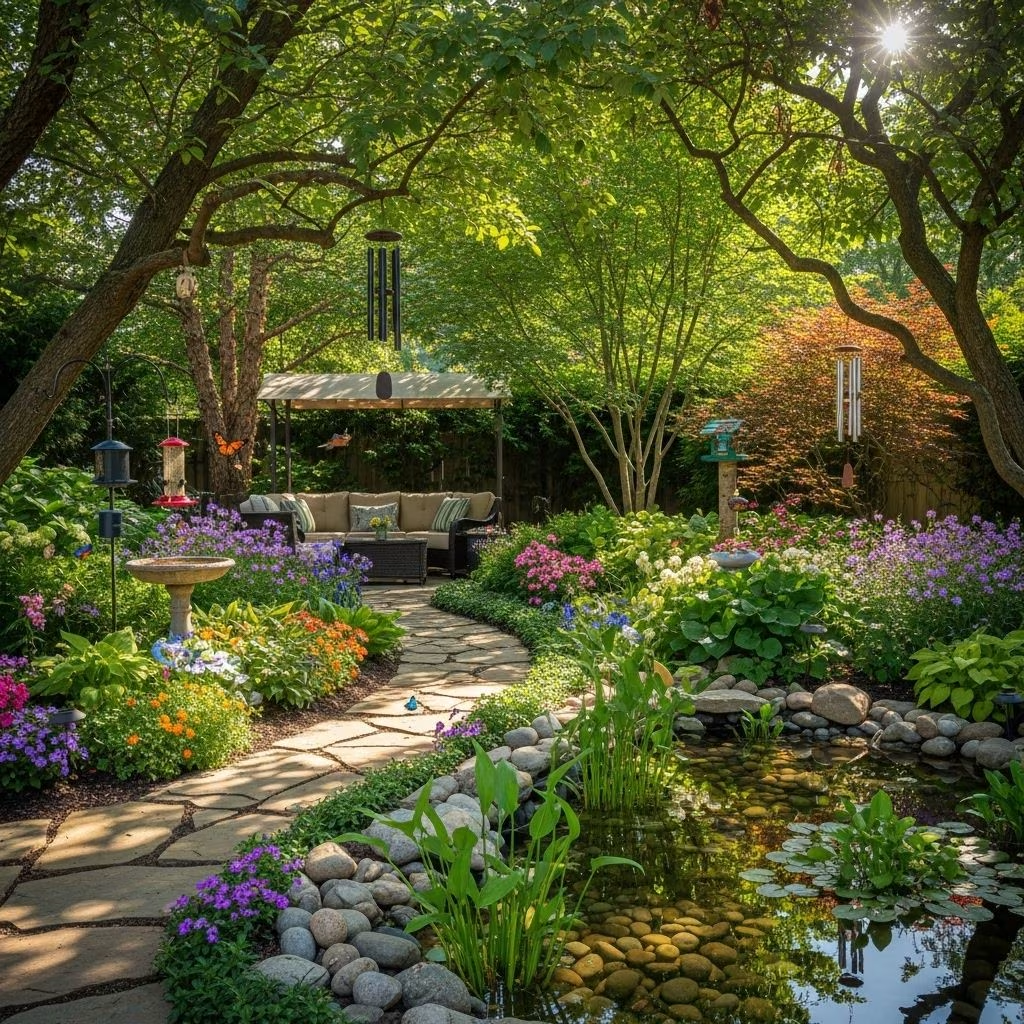
Creating a mindful nature sanctuary in your backyard is a powerful way to connect with nature and promote biodiversity. In a world where urbanization and natural habitat destruction are increasingly prevalent, turning your outdoor space into a wildlife-friendly haven not only supports local ecosystems but also enhances your personal well-being. This article will guide you through the process of designing and maintaining a serene and thriving nature sanctuary right in your own backyard.
Benefits of a Nature Sanctuary
A nature sanctuary offers numerous benefits for both the environment and the individual. It provides habitat for wildlife, supports local biodiversity, and acts as a natural stress reliever. Beyond these ecological advantages, personal mindfulness and connection to nature can improve mental health and provide a sense of serenity and peace. By incorporating elements like plants, water features, and natural materials, you can create an engaging and calming environment that fosters a deeper appreciation for nature.
Creating a Wildlife Habitat
Creating a wildlife habitat involves several key elements that can be tailored to your specific environment and available space. Here are some essential components to consider:
- Plant Native Species: These plants are crucial for supporting native insects, birds, and mammals. They provide food and shelter, and their familiarity with local conditions ensures they thrive without excessive maintenance.
- Incorporate Water Features: Add a shallow bird bath or a small pond to attract birds, frogs, and other aquatic life. Even a small water feature can significantly enhance biodiversity.
- Use Natural Materials: Incorporate natural elements like logs and rocks to provide shelter and habitat for wildlife. These materials can also serve as decorative elements in your garden.
- Layered Planting: Create a layered garden with canopy trees, shrubs, and groundcovers to mimic natural ecosystems and maximize space.
- Add a Meadow: A small meadow can be a haven for butterflies, bees, and birds, and can be as small as 5 by 10 feet.
Example of a Wildlife Habitat Plan
| Component | Description |
|---|---|
| Native Oak Tree | Supports over 450 species of moths and butterflies, providing food for birds. |
| Shallow Bird Bath | Attracts birds and butterflies with shallow water. |
| Layered Planting | Includes canopy trees, shrubs, and groundcovers to mimic natural ecosystems. |
| Small Pond | Supports aquatic life like frogs and turtles. |
Designing for Mindfulness
Designing a nature sanctuary that promotes mindfulness involves creating an environment that engages the senses and fosters a sense of calm. Here are some strategies to enhance mindfulness in your nature sanctuary:
- Curved Paths: Curved paths invite exploration and create a sense of journey through the garden.
- Vertical Layers: Use tall plants to screen areas and create curiosity, encouraging exploration and discovery.
- Hidden Seating Areas: Tuck seating areas into the garden to create secluded spots for reflection.
- Sensory Engagement: Incorporate plants with fragrance and sounds from nature to engage the senses.
Frequently Asked Questions (FAQs)
Q: What is the smallest space required to start a nature sanctuary?
A: Even a small area of 5 by 10 feet can be transformed into a nature sanctuary by incorporating a meadow or a few native plants.
Q: How can I ensure my garden supports local biodiversity?
A: Planting native species, providing water features, and using natural materials can significantly enhance biodiversity in your garden.
Q: Are there any specific plants that attract wildlife?
A: Yes, plants like milkweed attract butterflies, while trees like oak support a wide range of insects and birds.
References
- https://www.gardendesign.com/eco-friendly/wildlife.html
- https://news.maryland.gov/dnr/2020/03/01/creating-backyard-wildlife-habitat-while-sheltering-in-place/
- https://www.houzz.com/magazine/6-ideas-for-creating-a-mood-boosting-outdoor-sanctuary-stsetivw-vs~162048462
- https://www.youtube.com/watch?v=IOYDnuz0hA8
- https://rockfishwildlifesanctuary.org/backyard-habitat
- https://gardentherapy.ca/backyard-wildlife-habitat/
- https://www.lyngsogarden.com/community-resources/how-to-create-a-certified-wildlife-habitat-in-your-backyard/


