


\n\n
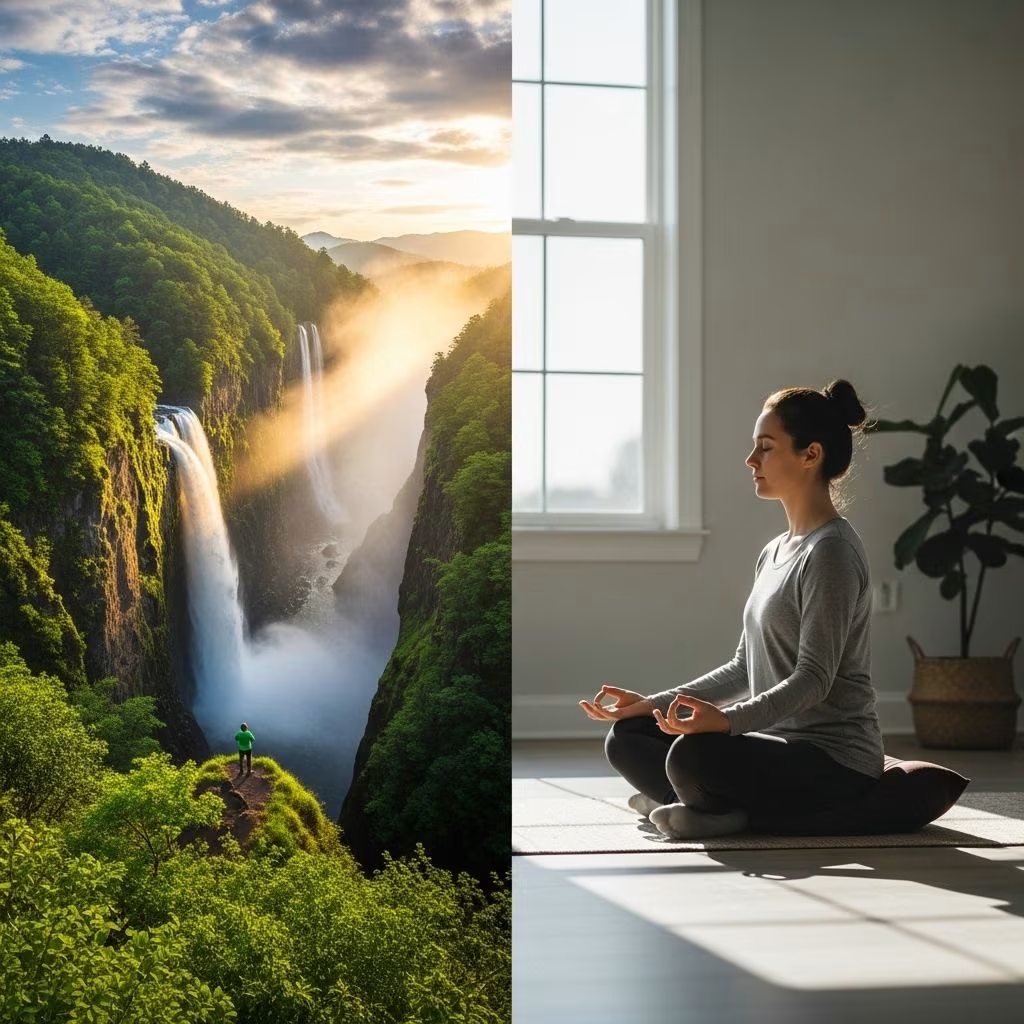
Human wellbeing is deeply shaped by emotional experiences that expand our minds and connect us to the world. Two of the most studied pathways to this expanded state are ‘awe’—often sparked by the grandeur of nature—and ‘calm’, typically cultivated through meditation. Both experiences foster profound psychological and physical benefits, yet their mechanisms, origins, and individual repercussions are notably distinct. This article delves into the science, lived experience, and transformative potential of both awe in nature and calm in meditation, drawing out their unique and overlapping effects.
\n\n
Table of Contents
\n
- \n
- Introduction
- Defining ‘Awe’ and ‘Calm’
- How Awe in Nature and Calm in Meditation Are Elicited
- Psychological and Physiological Effects
- Connection, Community, and Self-Transcendence
- Personal Growth and Wider Social Impact
- Comparing Awe in Nature and Calm in Meditation
- Frequently Asked Questions (FAQs)
- Conclusion
\n
\n
\n
\n
\n
\n
\n
\n
\n
\n\n
Introduction
\n
Modern life increasingly disconnects us from the natural world and from sustained moments of stillness. Yet, growing scientific literature suggests that awe—often evoked in natural settings—and the calm cultivated through meditative practices, can anchor mental and physical health, provide meaning, and enhance our connection to others. Understanding how these states differ and interact offers clues for optimizing happiness, resilience, and collective care.
\n\n
Defining Awe and Calm
\n
What Is Awe?
\n
Awe is described as an emotion that arises when individuals encounter something vast, powerful, or profound—stimuli that challenge ordinary ways of seeing and spark a sense of wonder. Typically, awe is triggered by expansive natural landscapes, magnificent art, or profound acts of kindness. When awe is experienced, the mind may pause as it stretches (or “accommodates”) to make sense of the new, often humbling, encounter.
\n\n
What Is Calm?
\n
Calm refers to a state of relaxed alertness, serenity, and inner stillness. In the context of meditation, calm is cultivated intentionally—by focusing the mind, regulating the breath, and fostering a nonjudgmental awareness of the present moment. This state is marked by decreased mental chatter, emotional volatility, and physiological arousal.
\n\n
How Awe in Nature and Calm in Meditation Are Elicited
\n
Awe in Nature
\n
- \n
- Nature is one of the most reliable elicitors of awe.
- Examples: Towering mountain ranges, star-lit skies, luminous waterfalls, intricate flowers, and immersive forests.
- These experiences often transcend daily reality, challenging cognitive frameworks and creating a state of cognitive accommodation.
- Awe in nature frequently arises spontaneously—unexpected, unbidden, and often overwhelming.
\n
\n
\n
\n
\n\n
Calm in Meditation
\n
- \n
- Calm emerges through deliberate mental training, such as mindfulness meditation, breathwork, or focused attention techniques.
- Meditative calm is typically self-generated, facilitated by routines designed to quiet the mind and foster inner peace.
- Repeated meditation practice enhances the ease and depth of attaining calm, cultivating traits like emotional balance and equanimity.
- Examples include silent meditation retreats, sitting with the breath, or practicing tai chi and yoga.
\n
\n
\n
\n
\n\n
Psychological and Physiological Effects
\n
| Dimension | ‘Awe’ in Nature | ‘Calm’ in Meditation |
|---|---|---|
| Mental Health | Reduces stress, anxiety, and rumination; builds resilience; enhances mood | Reduces anxiety and depression; increases positive mood; fosters emotional regulation |
| Physical Health | Reduces inflammation; improves immune function; increases vagal tone | Lowers blood pressure; reduces heart rate; enhances immune response |
| Emotional State | Evokes wonder, humility, and curiosity; increases openness | Promotes tranquility, acceptance, and contentment |
| Social Effects | Increases prosociality, compassion, and sense of connection | Fosters kindness, patience, and reduced reactivity |
\n\n
Scientific Pathways
\n
- \n
- Neurophysiological shifts: Awe in nature is associated with increased vagal tone (heart rate regulation), reduced inflammation, and elevated oxytocin levels.
- Meditation: Induces parasympathetic activity (the “rest and digest” system), reduces default mode network (DMN) activity—linked to mind-wandering and self-referential thoughts—and can decrease stress hormone levels.
\n
\n
\n\n
Connection, Community, and Self-Transcendence
\n
Awe: Outward Expansion and Interconnectedness
\n
- \n
- Feelings of awe tend to shift the focus away from the individual self, promoting a sense of belonging to something greater.
- Awe can foster self-diminishment (the “small self” effect), dissolving boundaries between self and world.
- This outwardly directed attention encourages community, prosocial behavior, and environmental stewardship.
- Examples: Standing before a raging ocean or vast forest can make personal concerns seem trivial, evoking humility and reverence.
\n
\n
\n
\n
\n\n
Calm: Inward Focus and Inner Harmony
\n
- \n
- Meditative calm is characterized by inward expansion—a deepened awareness of internal experience, bodily sensations, and subtle thought patterns.
- Practiced regularly, calm fosters self-acceptance, clarity, and emotional insight.
- While often solitary, calm developed through meditation can still enhance relationships via increased patience, empathy, and resilience in social situations.
- Examples: Noticing the breath, letting go of intrusive thoughts, and cultivating loving-kindness in meditation.
\n
\n
\n
\n
\n\n
Personal Growth and Wider Social Impact
\n
The Transformational Potential of Awe
\n
- \n
- Personal growth: Inspires curiosity, creativity, and intellectual openness.
- Empathy and compassion: Awe increases the tendency to help others and think collectively.
- Purpose and meaning: Moments of awe heighten life satisfaction and can shift values toward environmental stewardship.
- Inspiration for change: Awe can motivate action on social and ecological issues by linking personal wellbeing with the wider world.
\n
\n
\n
\n
\n\n
Transformative Effects of Calm in Meditation
\n
- \n
- Emotional regulation: Calm, cultivated through meditation, enables effective coping with life’s difficulties and stressors.
- Self-awareness: Regular meditative practice leads to heightened introspection and better understanding of personal motivations, patterns, and triggers.
- Long-term wellbeing: Calm achieved through meditation is associated with lower levels of chronic stress and improved physical health outcomes.
- Everyday mindfulness: Calm enhances the ability to respond thoughtfully vs. react impulsively in daily life.
\n
\n
\n
\n
\n\n
Comparing Awe in Nature and Calm in Meditation
\n
| Aspect | Awe in Nature | Calm in Meditation |
|---|---|---|
| How It Starts | Emerges from direct, often unexpected encounters with vast or beautiful stimuli | Develops through intentional mental practice and discipline |
| Main Focus | External world; sense of connectedness and smallness | Internal world; sense of equanimity and self-regulation |
| Intensities of Experience | Can be overwhelming, sudden, dramatic | Typically gentle, progressive, controlled |
| Lasting Effects | Shifts perspective, increases reverence for nature, sparks prosociality | Builds emotional resilience, stability, ongoing wellbeing |
| Social Impact | Promotes collective action, stewardship, and empathy | Deepens compassion, patience, and emotional intelligence |
\n\n
Frequently Asked Questions (FAQs)
\n
Q: Is awe only experienced in nature?
\n
A: No. While nature is a powerful trigger, awe can also be experienced through music, art, spirituality, and witnessing acts of immense kindness or bravery.
\n\n
Q: Can meditation give rise to awe?
\n
A: Yes. Although meditation often cultivates calm, deep states of meditation can occasionally produce awe when practitioners experience moments of profound insight or interconnectedness.
\n\n
Q: How often should one seek awe or calm for health benefits?
\n
A: Research indicates that regular exposure to both awe—whether in nature or daily life—and regular meditation practice can provide cumulative health and wellbeing benefits. Even brief moments of awe or calm can be beneficial.
\n\n
Q: Are the health benefits of awe and meditation scientifically proven?
\n
A: Yes, multiple studies confirm that both awe (especially in nature) and meditation contribute to reduced stress, improved mood, enhanced immune function, and better social connection.
\n\n
Q: Can experiencing awe or calm help with trauma or difficult life events?
\n
A: Emerging research shows that awe-inspiring experiences in nature and meditative calm can aid recovery from trauma and bolster resilience, particularly when integrated with supportive social contexts or therapeutic practices.
\n\n
Conclusion
\n
‘Awe’ in nature and ‘calm’ in meditation are complementary forces—each contributing to personal and collective wellbeing by expanding our sense of self, fostering connection, and promoting health. Awe pulls us outward, humbling us before the universe and engaging us with broader communities and causes. Calm draws us inward, providing a refuge and foundation for emotional balance. Harnessing both—through environmental engagement and contemplative practice—offers a path toward a richer, more resilient, and compassionate life.
References
- https://mindfulforestbathing.com.au/the-transformative-power-of-awe-in-nature/
- https://pmc.ncbi.nlm.nih.gov/articles/PMC10018061/
- https://health.ucdavis.edu/heart/news/headlines/experiencing-awe-may-help-people-with-long-covid-feel-better-mentally/2025/06
- https://www.psychologytoday.com/us/blog/science-of-choice/202301/the-mental-benefits-of-seeking-awe
- https://www.apa.org/monitor/2020/04/nurtured-nature
- https://www.nature.com/articles/s41598-025-96555-w
- https://ggsc.berkeley.edu/images/uploads/GGSC-JTF_White_Paper-Awe_FINAL.pdf


