


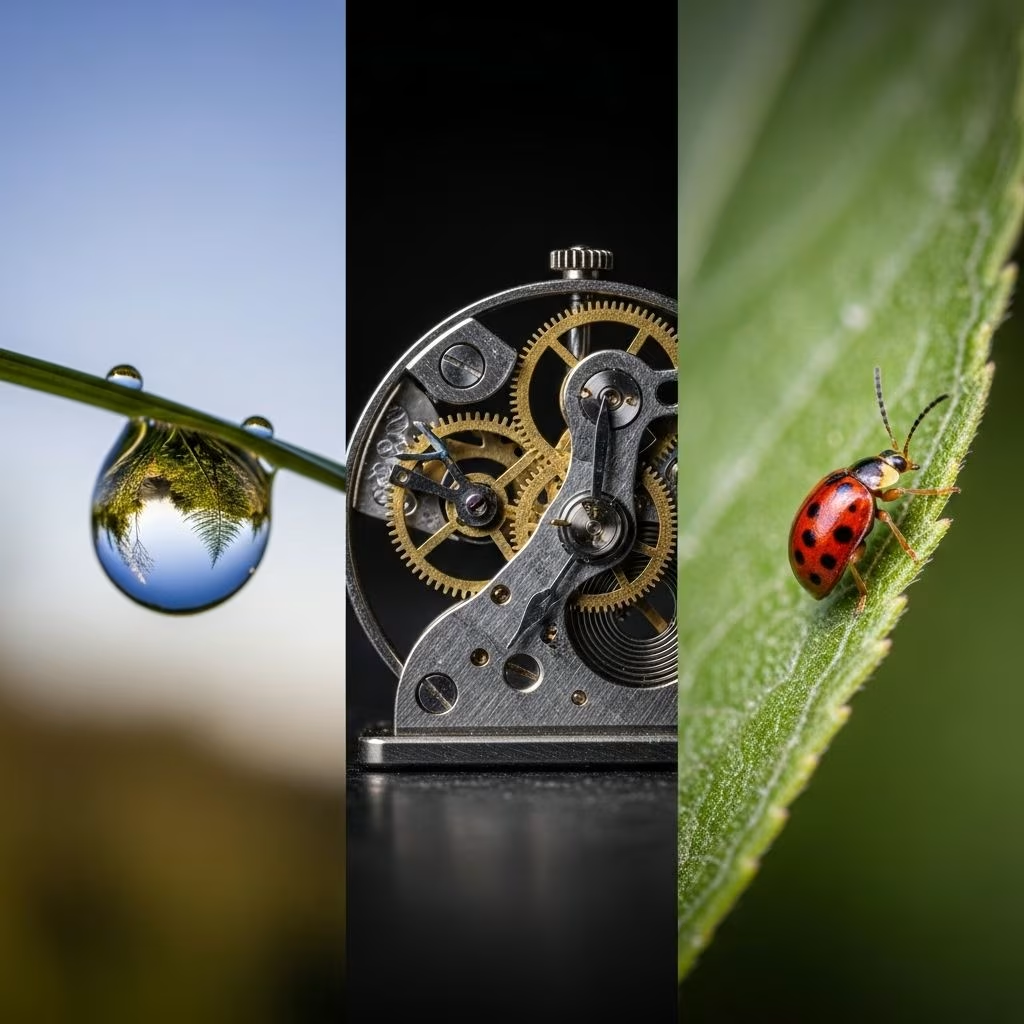
In our fast-paced world, we often rush through life without truly seeing the extraordinary beauty that surrounds us in the smallest details. Mindful photography focused on small details offers a powerful antidote to this hurried existence, inviting us to slow down, observe closely, and find profound meaning in the overlooked elements of our daily environment. This approach transforms photography from mere documentation into a meditative practice that enhances both our creative vision and overall well-being.
Understanding Mindful Photography and Small Details
Mindful photography represents the intersection of contemplative practice and visual storytelling, where the act of photographing becomes a form of active meditation. When we focus specifically on small details, we engage in what can be called “micro-mindfulness” – a heightened awareness of the intricate elements that compose our visual world. This practice goes beyond simply taking close-up photographs; it involves cultivating a deep appreciation for texture, pattern, color relationships, and the subtle narratives embedded in everyday objects.
The philosophy behind detail-focused mindful photography rests on the understanding that every small element carries significance and beauty. A dewdrop on a leaf tells the story of morning’s first light, while the weathered texture of old wood speaks to decades of seasonal changes. By training ourselves to notice and photograph these details, we develop what photographers call “the art of seeing” – an enhanced visual sensitivity that transforms our perception of the world around us.
This approach differs significantly from traditional photography in its emphasis on process over product. While conventional photography might prioritize the final image, mindful detail photography values the experience of discovery, the moment of recognition when something small reveals its hidden beauty, and the meditative quality of careful observation.
The Benefits of Focusing on Small Details
Practicing mindful photography with a focus on small details offers numerous psychological, creative, and technical benefits that extend far beyond the realm of photography itself. Research in positive psychology demonstrates that this practice can serve as an effective tool for enhancing mindfulness, reducing stress, and improving overall mental well-being.
Enhanced Present-Moment Awareness
When we focus on photographing small details, we naturally anchor ourselves in the present moment. The act of searching for and composing detailed shots requires sustained attention, effectively quieting the mental chatter that often dominates our consciousness. This focused attention helps practitioners develop what mindfulness experts call “beginner’s mind” – a state of openness and curiosity that allows us to see familiar environments with fresh eyes.
Improved Observation Skills
Regular practice of detail-focused photography dramatically sharpens our observational abilities. We begin to notice subtle changes in light throughout the day, recognize patterns we’ve previously overlooked, and develop sensitivity to color relationships and textural contrasts. These enhanced observation skills prove valuable not only in photography but in all aspects of life, from appreciating nature to understanding human emotions and interactions.
Stress Reduction and Mental Clarity
The meditative nature of searching for and photographing small details provides significant stress relief. This practice serves as a form of “moving meditation,” combining the benefits of mindfulness with gentle physical activity. The focused attention required naturally reduces rumination and worry, while the creative satisfaction of discovery releases endorphins and promotes feelings of accomplishment and joy.
Creative Growth and Artistic Development
Focusing on details pushes photographers to explore new perspectives, experiment with composition, and develop their unique artistic voice. This practice challenges us to find beauty in the mundane, developing creativity that extends beyond photography into other areas of life. The constraints of detail photography – working within small spaces and limited subjects – often paradoxically unleash greater creativity by forcing innovative approaches to familiar subjects.
Essential Techniques for Capturing Meaningful Details
Mastering the art of mindful detail photography requires developing both technical skills and contemplative approaches. The following techniques will help you create more compelling and meaningful detail photographs while deepening your mindfulness practice.
The Three-Step Mindful Approach
Successful detail photography begins with a structured approach that combines movement, observation, and creative play. First, engage in mindful walking – moving slowly and deliberately through your environment while maintaining awareness of your surroundings. This gentle meditation in motion helps you transition from the hurried pace of daily life into a more receptive, observant state.
Second, practice conscious noticing. As you move through your environment, actively scan for interesting details – the play of light and shadow, unusual textures, color combinations, or patterns that catch your eye. This isn’t passive observation but active engagement, where you mentally note elements that resonate with you and pause to consider their photographic potential.
Third, embrace playful experimentation. When you discover an interesting detail, don’t simply take one quick shot and move on. Instead, spend time exploring different angles, lighting conditions, and compositions. Try photographing from above, below, and at various distances. This playful exploration often reveals the most compelling perspectives and helps you develop a deeper connection with your subject.
Composition Techniques for Detail Photography
Effective detail photography relies heavily on strong compositional principles, adapted for the intimate scale of small subjects. The rule of thirds remains valuable, helping you create dynamic compositions by placing key elements along the intersection points of imaginary gridlines. However, don’t be afraid to break this rule when it serves your artistic vision – sometimes centering a detail creates the most powerful impact.
Pay special attention to negative space in your detail compositions. The areas surrounding your main subject are just as important as the subject itself, contributing to the overall mood and visual impact of the image. Clean, uncluttered negative space can make a small detail appear more significant and contemplative.
Consider the concept of “visual weight” when composing detail shots. Bright colors, sharp textures, and high contrast areas naturally draw the eye, while muted tones and soft textures recede. Use this principle to guide the viewer’s attention through your composition and create visual hierarchy within your frame.
Lighting Considerations
Light quality dramatically affects the mood and impact of detail photography. Golden hour light – the soft, warm illumination that occurs shortly after sunrise or before sunset – provides excellent conditions for detail work, creating gentle shadows and enhancing textures. However, don’t limit yourself to these traditional “golden” times.
Overcast conditions offer beautifully even, diffused lighting that eliminates harsh shadows and allows colors to appear saturated and true. This type of lighting proves particularly effective for photographing natural details like flowers, leaves, or water droplets.
Experiment with backlighting to create silhouettes and highlight translucent subjects. Side lighting can dramatically enhance texture and form, while front lighting provides even illumination for documenting intricate patterns or colors.
Developing Your Photographer’s Eye for Details
Cultivating the ability to consistently notice and appreciate small details requires intentional practice and the development of specific visual skills. This process, often referred to as developing your “photographer’s eye,” involves training yourself to see beyond the obvious and discover the extraordinary within the ordinary.
Cultivating Visual Curiosity
Begin by approaching familiar environments with fresh curiosity. Take time to truly observe spaces you frequent – your home, workplace, or regular walking routes. Look for details you’ve never noticed before: the way morning light creates patterns on a wall, how shadows change the appearance of everyday objects, or the intricate designs found in natural elements like bark patterns or leaf structures.
Practice what photographers call “slow looking” – spending extended time observing a single subject from multiple angles and in different lighting conditions. This patient observation often reveals photographic opportunities that aren’t immediately apparent and helps develop the contemplative mindset essential to mindful photography.
Building Visual Vocabulary
Develop your ability to recognize and appreciate various visual elements by studying the work of accomplished detail photographers and macro artists. Pay attention to how they use line, shape, color, texture, and pattern to create compelling images. Notice how they balance these elements to create harmony or tension within their compositions.
Create a personal reference collection of detail photographs that resonate with you, analyzing what makes each image effective. This practice helps you develop aesthetic judgment and provides inspiration for your own work.
Exercise: The Daily Detail Challenge
Implement a daily practice of finding and photographing one interesting detail each day. This doesn’t require extensive time or travel – focus on your immediate environment and challenge yourself to discover something new within familiar surroundings. Document your findings and over time, you’ll notice your eye becoming more attuned to the subtle beauty that surrounds us constantly.
Maintain a photo journal where you record not just the images but also your thoughts and feelings about each detail you photograph. This reflective practice deepens the mindfulness aspect of the exercise and helps you understand your evolving aesthetic preferences.
Equipment and Tools for Detail Photography
While mindful detail photography can be practiced with any camera – including smartphones – certain equipment can enhance your ability to capture small subjects effectively. The key is choosing tools that support your creative vision without becoming a distraction from the contemplative aspects of the practice.
Camera Options and Considerations
Modern smartphones equipped with macro capabilities offer an excellent entry point for detail photography. Their constant availability encourages spontaneous practice, and many include focus-stacking features that help achieve sharp detail throughout the frame. The live view screens on phones also support the mindful photography principle of maintaining connection with your surroundings while composing shots.
DSLR and mirrorless cameras provide greater control over depth of field, focus precision, and image quality. When selecting a camera system for detail work, prioritize features like reliable autofocus, good low-light performance, and the ability to work with close-focusing lenses.
Lens Selection for Detail Work
Macro lenses designed specifically for close-up photography offer the highest image quality and maximum magnification for detail work. True macro lenses provide 1:1 magnification or greater, allowing you to capture subjects at life-size or larger on your camera’s sensor.
However, don’t overlook other lens options for detail photography. Standard and telephoto lenses with good close-focusing capabilities can create beautiful detail images with shallower depth of field, helping isolate subjects from busy backgrounds. Wide-angle lenses can capture environmental details within their larger context, showing how small elements relate to their surroundings.
Accessories for Enhanced Detail Capture
A sturdy tripod proves invaluable for detail photography, enabling precise composition and allowing for techniques like focus stacking – combining multiple images focused at different distances to achieve greater overall sharpness. Tripods also slow down the photographic process, encouraging the contemplative approach essential to mindful photography.
Reflectors and diffusers help control lighting in detail photography. Small, portable versions designed for macro work can soften harsh shadows or fill in dark areas without overwhelming delicate subjects. These tools prove particularly useful when working outdoors where natural light conditions may be less than ideal.
Creative Exercises and Daily Practices
Developing proficiency in mindful detail photography requires consistent practice combined with creative challenges that push your artistic boundaries. The following exercises help build both technical skills and contemplative awareness while keeping the practice engaging and rewarding.
The Five-Minute Focus
Set aside five minutes each day for focused detail observation. Choose a single small object – a leaf, piece of fruit, textile, or architectural element – and spend the entire time examining it closely. Notice how light affects its appearance, observe textures and patterns you hadn’t seen before, and consider different angles and perspectives for photographing it. This exercise trains sustained attention while revealing the hidden complexity within simple subjects.
Color and Texture Exploration
Create themed photo series focusing on specific visual elements. Spend a week photographing only red details, or dedicate time to capturing various textures within your environment. These focused explorations help develop visual sensitivity and reveal unexpected connections between disparate subjects.
Challenge yourself to find beauty in mundane subjects – rust patterns on metal, cracks in concrete, or the play of light through everyday objects. This practice cultivates appreciation for the overlooked elements of our visual environment and develops your ability to find photographic opportunities anywhere.
Seasonal Detail Documentation
Use detail photography to document the changing seasons in your local environment. Return to the same locations throughout the year, photographing how details change with seasonal shifts. This long-term practice deepens your connection to place while providing insights into natural cycles and changes that might otherwise go unnoticed.
Mindful Photo Walks
Organize regular photo walks focused specifically on detail discovery. Begin each walk with a few minutes of mindful breathing or meditation to center yourself. Move slowly and deliberately, allowing yourself to be drawn to interesting details rather than hunting aggressively for subjects. This approach often yields the most surprising and rewarding discoveries.
Consider walking the same route repeatedly, observing how different weather, lighting conditions, and seasonal changes reveal new details in familiar environments. This practice demonstrates how our perception and awareness can continue deepening even within limited spaces.
Overcoming Common Challenges
Detail-focused mindful photography presents unique challenges that can initially frustrate beginners. Understanding these common obstacles and developing strategies to overcome them helps maintain motivation and continues artistic growth.
Dealing with Technical Difficulties
Close-up photography often involves technical challenges like achieving sufficient depth of field, managing camera shake, and dealing with difficult lighting conditions. Address depth of field issues by using smaller apertures when possible, though be aware this may require slower shutter speeds or higher ISO settings.
Camera shake becomes more problematic at high magnifications. Use a tripod whenever possible, or increase your shutter speed to minimize blur. Many modern cameras include effective image stabilization that helps achieve sharp handheld detail shots.
Practice manual focus techniques for situations where autofocus struggles with small subjects or low contrast situations. Learn to rock back and forth slightly to fine-tune focus distance, or use focus peaking features available on many cameras to identify the sharpest areas of your composition.
Overcoming Creative Blocks
When struggling to find interesting details, return to basic mindfulness principles. Slow down your pace, breathe deeply, and approach familiar environments with fresh curiosity. Sometimes the act of looking without the pressure to photograph reveals details that were previously invisible.
Set constraints that spark creativity – limit yourself to photographing details within a single color family, or focus only on geometric patterns. These artificial limitations often push you to notice subjects you might otherwise overlook.
Weather and Environmental Challenges
Don’t let challenging weather conditions prevent detail photography practice. Rain creates opportunities for photographing water droplets and reflections. Snow transforms familiar subjects into abstract patterns. Harsh midday sun can create interesting shadow patterns and highlight textures.
Develop techniques for working in various conditions. Use backlighting to make water droplets glow. Seek open shade during bright conditions to avoid harsh shadows. Embrace overcast skies for their even, diffused lighting that enhances color saturation.
Sharing and Storytelling Through Details
Detail photography offers unique opportunities for storytelling and emotional connection. Small subjects often carry disproportionate emotional weight, evoking memories, emotions, and associations that extend far beyond their physical presence.
Creating Narrative Through Details
Develop your ability to see details as elements of larger stories. A weathered door handle speaks to countless hands that have touched it over the years. Worn steps tell tales of daily journeys and life passages. Train yourself to recognize these narrative elements and capture them in ways that invite viewer contemplation and emotional response.
Consider creating photo series that use details to tell complete stories about places, people, or experiences. This approach allows viewers to construct their own interpretations while engaging more actively with your images.
Building Community Through Shared Practice
Share your detail photography practice with others, whether through social media, photography groups, or informal gathering with friends. Discussing your observations and sharing discovered details often reveals how differently people perceive the same environments.
Organize group photo walks focused on detail discovery. These collaborative experiences often result in surprising discoveries as different participants notice different elements within shared spaces. The social aspect can also provide motivation and accountability for maintaining regular practice.
Frequently Asked Questions
Q: Do I need expensive equipment to practice mindful detail photography?
A: No, you can begin practicing mindful detail photography with any camera, including smartphones. The contemplative aspects of the practice are more important than equipment quality. As your skills and interest develop, you can consider investing in specialized equipment like macro lenses or tripods.
Q: How much time should I dedicate to daily detail photography practice?
A: Even five to ten minutes of daily detail observation can provide significant benefits. The key is consistency rather than duration. Regular short sessions often prove more beneficial than occasional long photography outings.
Q: What if I can’t find interesting details in my environment?
A: This usually indicates the need to slow down and look more carefully rather than the absence of interesting subjects. Practice the three-step approach of mindful walking, conscious noticing, and playful exploration. Beauty exists everywhere when we train ourselves to see it.
Q: How do I avoid getting bored photographing the same details repeatedly?
A: Challenge yourself with different lighting conditions, seasonal changes, and new compositional approaches to familiar subjects. Set creative constraints or themed challenges to maintain engagement. Remember that the goal includes developing mindfulness and presence, not just accumulating photographs.
Q: Can detail photography really improve my overall photography skills?
A: Absolutely. Detail photography develops crucial skills including composition, lighting awareness, technical precision, and artistic vision. The patience and observation skills developed through detail work enhance all types of photography while providing a foundation for more advanced techniques like macro photography.
References
- https://www.digitalphotomentor.com/develop-art-seeing-mindful-photography/
- https://www.katykahlaphotography.com/blog/tips-for-practicing-mindful-photography
- https://alexandriaarttherapy.com/blog/mindful-photography
- https://positivepsychology.com/mindful-photography/
- https://benjaminstevens.com.au/the-true-power-of-mindfulness-photography/
- https://www.psychologytoday.com/us/blog/child-development-central/202410/mindfulness-and-contemplative-photography
- https://tinybuddha.com/blog/how-to-create-peace-and-calm-through-mindful-photography/


