


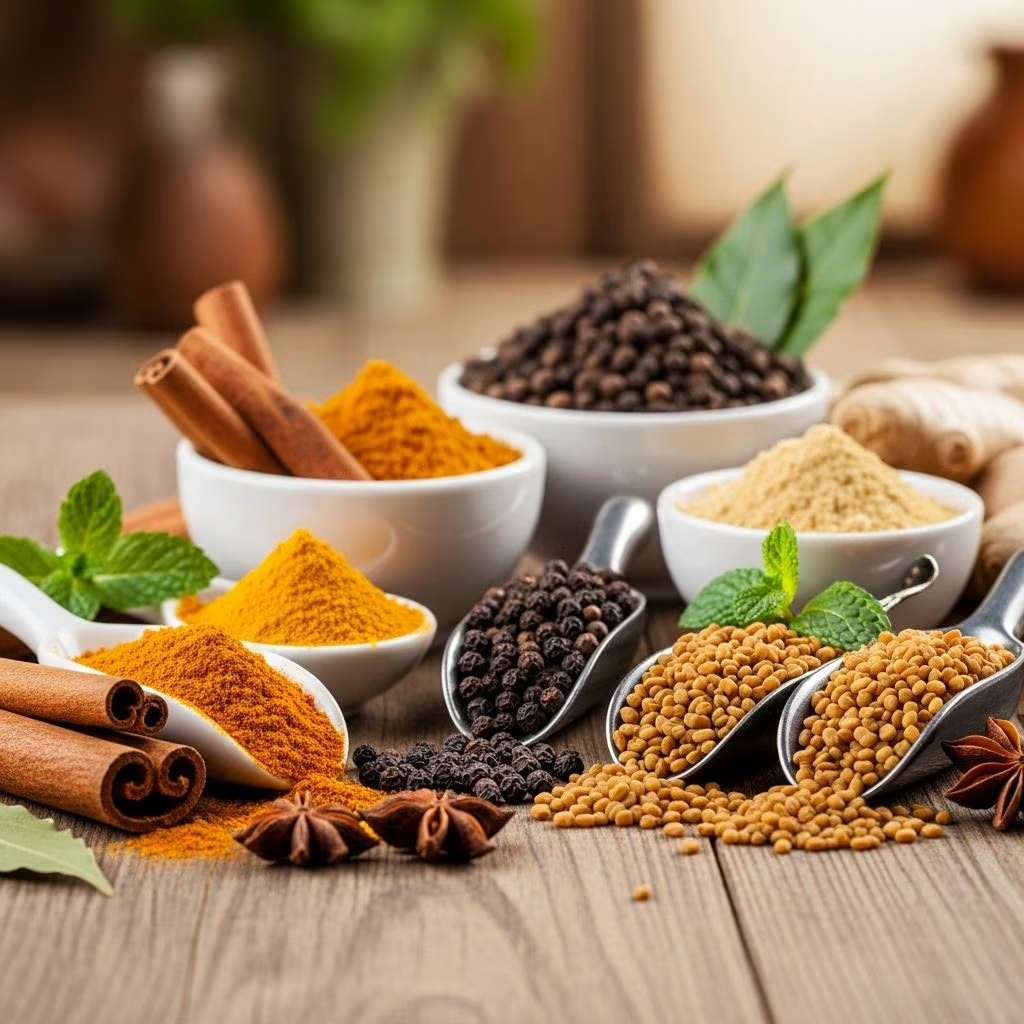
Maintaining healthy blood glucose levels after meals, known as postprandial glucose control, is crucial for metabolic health and the prevention of chronic conditions like type 2 diabetes and cardiovascular disease. Increasing scientific evidence supports the use of certain culinary spices to modulate postprandial glycemia, offering promising adjuncts or alternatives to medication and traditional dietary recommendations. This article explores the research, mechanisms, and practical implications for integrating these spices into everyday life.
Introduction to Postprandial Glucose Control
Postprandial glucose refers to blood sugar concentrations following a meal. Spikes in postprandial glucose can promote oxidative stress, inflammation, endothelial dysfunction, and a higher risk of metabolic diseases. As diet is a primary driver of glycemic excursions, interventions that blunt these spikes—such as the use of functional spices—are receiving much research attention.
How Spices Impact Postprandial Glycemia
Herbs and spices have long been valued for their flavor and medicinal properties. Modern research highlights their potential role in influencing postprandial glycemic outcomes through mechanisms like:
- Slowing carbohydrate digestion and absorption
- Modulating insulin secretion and sensitivity
- Reducing oxidative and inflammatory responses
Some spices may also affect vascular function and satiety, indirectly influencing overall metabolic control.
Key Spices and Their Scientific Evidence
Below is an overview of the principal spices that have been studied for their effects on postprandial glucose and insulin responses, along with details on relevant clinical findings.
Cinnamon (Cinnamomum spp.)
- Epidemiological Evidence: Multiple randomized clinical trials and meta-analyses report that cinnamon supplements or culinary doses (~3-6 g) can reduce postprandial blood glucose and insulin levels, especially in people with impaired glucose tolerance or type 2 diabetes.
- Acute Effects: Consuming 6 g of ground cinnamon with a carbohydrate-rich meal has shown a reduction in postprandial insulin responses in overweight/obese adults, while sometimes elevating one-hour glucose but improving overall insulin kinetics. Effects appear dose-dependent and can vary with meal composition.
- Cinnamon Tea: A randomized clinical trial found that cinnamon tea intake blunted the rise in postprandial capillary glucose after an oral glucose challenge in non-diabetic adults.
Italian Herb Blends (Rosemary, Basil, Thyme, Oregano, Parsley)
- These herbs are commonly consumed together in Mediterranean-style diets, which are linked to improved glycemic control.
- A study with Italian herb blends added to a mixed high-fat, high-carbohydrate meal found improved endothelial function (flow-mediated dilation) at 24 hours post-meal, suggesting a vascular benefit beyond glycemic effects.
Pumpkin Pie Spice Mix (Cinnamon, Ginger, Nutmeg, Allspice)
- This blend contains several spices with potential anti-diabetic properties.
- When consumed with a carbohydrate-rich meal, pumpkin pie spice mix significantly improved flow-mediated vascular responses and reduced early postprandial insulin levels compared to a control meal.
Ginger (Zingiber officinale)
- Ginger is used both as a culinary spice and traditional remedy for dysglycemia.
- Preclinical studies and some clinical trials suggest it may decrease postprandial glucose excursions by slowing gastric emptying and improving insulin action.
- Its effects as part of a spice blend (such as pumpkin pie spice) also support its benefit when consumed with meals high in simple carbohydrates.
Other Spices (Nutmeg, Cloves, Allspice)
- There is growing but less robust evidence that other spices commonly found in sweet or savory blends may also contribute to improved glycemic responses, likely through antioxidant and enzyme modulating actions.
| Spice / Blend | Typical Dose in Studies | Main Postprandial Effect | Key Study Reference |
|---|---|---|---|
| Cinnamon (powder/tea) | 3–6 g, or tea infusion | ↓ blood glucose, ↓ insulin, improved insulin sensitivity | |
| Italian herb blend | ~1 g per 135 kcal | ↑ vascular function (FMD), subtle metabolic effects | |
| Pumpkin pie spice (cinnamon, ginger, nutmeg, allspice) | ~1 g per 135 kcal | ↓ postprandial insulin, ↑ vascular function | |
| Ginger | Variable, often as blend | ↓ postprandial glucose (within blends) |
Proposed Mechanisms of Action
The bioactive compounds in spices—such as cinnamaldehyde in cinnamon, gingerols in ginger, carnosic acid in rosemary, and others—may operate via diverse mechanisms, including:
- Slowing gastrointestinal absorption of carbohydrates by inhibiting digestive enzymes like alpha-amylase and alpha-glucosidase
- Modulating insulin secretion and sensitivity at the pancreatic and cellular level
- Reducing oxidative stress and inflammation associated with hyperglycemia-induced pathways
- Improvement in endothelial (vascular) function, potentially mitigating early cardiovascular changes linked to postprandial hyperglycemia
Synergistic effects are possible when spices are combined, enhancing their overall impact on glycemia and vascular health.
Practical Applications and Dietary Strategies
Incorporating spices into regular meals—whether sprinkled on breakfast cereals, brewed as teas, or added to savory dishes—represents an accessible, low-risk strategy for many individuals seeking better glucose control. Consider the following guidelines:
- Cinnamon: Add to oatmeal, yogurt, smoothies, or combine with coffee or tea.
- Ginger: Use grated fresh ginger in stir-fries or brewed as tea for a warming beverage.
- Herb blends: Incorporate Mediterranean-style seasoning in soups, sauces, or as salad dressings.
- Pumpkin pie spice: Sprinkle over roasted vegetables or mix into healthy desserts.
Notably, the amount used in culinary applications may be less than in clinical trials, but habitual use could yield cumulative benefits.
Combining Spices: Synergistic Effects
Spice mixtures—such as those in pumpkin pie spice or Italian herb blends—may offer extra benefits compared to single spices. Synergy among antioxidants and enzyme inhibitors present in different spices could provide enhanced modulation of glucose and insulin responses while also improving cardiovascular markers like endothelial function.
Safety and Dosing Considerations
- Typical culinary doses are safe for the majority of people.
- Excessive or supplement-level intakes (e.g., >6 g cinnamon/day) may increase risk of liver toxicity due to coumarin content (especially from Cassia cinnamon).
- Always discuss larger doses or supplements with a healthcare professional, particularly for individuals with chronic medical conditions or those on medication.
- Pregnant or breastfeeding women should exercise additional caution due to insufficient data on high-dose spice effects.
Current Research Gaps and Future Directions
- More research is needed on the chronic, long-term effects of habitual dietary spice consumption, especially in diverse populations.
- Better understanding is needed regarding the interplay between individual spice bioactives and specific meal compositions (e.g., fiber, fat, type of carbohydrate).
- Potential for development of functional foods and medical nutrition therapy keyed to spice bioactives.
Frequently Asked Questions (FAQs)
Q: Which spice has the strongest evidence for reducing postprandial glucose?
A: Cinnamon has the most robust clinical evidence for acutely lowering post-meal blood glucose and insulin responses, especially in people with impaired glucose metabolism.
Q: How much cinnamon is needed for an effect?
A: Clinical trials usually test dosages between 3–6 grams/day, which equates to 1–2 teaspoons of ground cinnamon, but significant benefit is also possible at common culinary doses when used regularly.
Q: Do spice blends work as well as individual spices?
A: Yes, certain blends (such as pumpkin pie spice and Italian herb blends) have shown benefits for both postprandial glycemia and vascular function, likely due to synergistic effects of multiple bioactives.
Q: Is there a risk with too much cinnamon?
A: High intakes of Cassia cinnamon can pose a risk of liver toxicity due to coumarins. It’s best to use modest, culinary amounts or choose Ceylon cinnamon for safer higher-dose supplementation.
Q: Can spices replace glucose-lowering medications?
A: No. While spices can help modulate postprandial glycemia, they are adjunctive to—not replacements for—prescribed medications or professional dietary strategies.
Q: Who should avoid increasing dietary spice intake?
A: Individuals with allergies to specific spices, history of liver disease, or at risk for drug-spice interactions should exercise caution and consult with a healthcare provider before making dietary changes.
Key Takeaways
- Evidence supports cinnamon, ginger, and certain herb/spice blends for favorable effects on postprandial glucose regulation.
- The mechanisms include slowing carbohydrate absorption, improving insulin sensitivity, and reducing oxidative damage.
- Incorporating spices into daily cooking is an accessible and enjoyable way to support metabolic health, though they should complement—not replace—balanced nutrition and medical care.


