


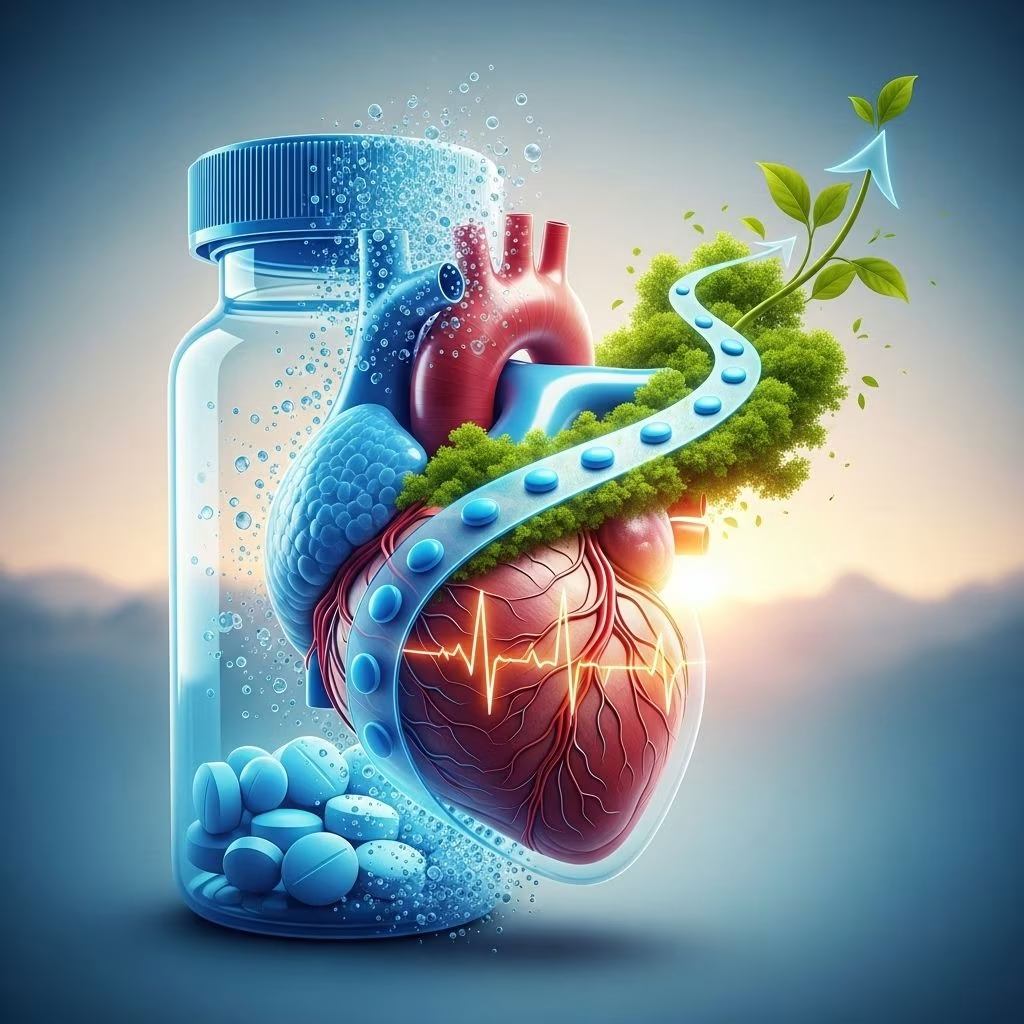
Safely Transitioning Off Statin Therapy
Statins are among the most widely prescribed medications for managing cholesterol and reducing the risk of heart attack and stroke. However, some individuals may wish or need to stop their statin therapy due to side effects, personal preferences, or perceived reduced need. Transitioning off statins must be done cautiously under medical supervision, as abrupt cessation can significantly increase cardiovascular risk in certain populations. This article provides a detailed guide to safely discontinuing statin therapy, helping patients and healthcare providers make informed decisions that prioritize long-term health.
Introduction to Statin Therapy
Statins are a class of medicines designed to lower low-density lipoprotein (LDL) cholesterol levels, which in turn reduces the risk of arterial plaque buildup, inflammation, heart attacks, and strokes. Statin therapy is considered a cornerstone of preventive cardiology, especially for patients with existing heart disease or significant cardiovascular risk factors.
- Common Statins: Atorvastatin, Simvastatin, Rosuvastatin, Pravastatin.
- Mechanism: Block an enzyme (HMG-CoA reductase) crucial for cholesterol production in the liver.
Reasons for Discontinuing Statins
Though statins are effective, various factors may prompt individuals to consider stopping their medication. Reasons may include:
- Side Effects: Muscle pain, fatigue, gastrointestinal issues, and rarely, liver enzyme elevations or cognitive symptoms.
- Perceived Lack of Need: Patients with improved cholesterol levels through diet and exercise may feel continued statin use is unnecessary.
- Drug Interactions: Concerns about interactions with other prescribed medicines.
- Patient Preference: Desire for fewer medications or preference for more ‘natural’ therapies.
Notably, the majority of statin users tolerate the medication well, and adverse effects are often manageable rather than a reason for complete discontinuation.
Risks of Stopping Statins
Stopping statin therapy poses tangible risks, particularly for individuals with a history of heart attack, stroke, or arterial stenting:
- Discontinuation can double the risk of recurrent cardiovascular events such as stroke or heart attack.
- A 2017 study found that those who stopped statins after ischemic stroke had a 42% higher risk of a subsequent stroke within 18 months.
- People with coronary artery disease or significant risk factors may experience increased cardiovascular morbidity and mortality.
| Patient Group | Risk After Stopping Statins |
|---|---|
| History of heart attack, stroke, stenting | Significantly increased risk of recurrence |
| High cholesterol but no prior events | Risk depends on current lipid profile, other risk factors |
| Low cardiovascular risk, controlled cholesterol | Potential for careful discontinuation |
The Role of Medical Supervision
Discontinuing or adjusting statin therapy should never be done independently. Consulting with a healthcare provider is essential. Medical supervision ensures:
- Individualized assessment of cardiovascular risk.
- Safe transition through tapered discontinuation or dosage reduction, if appropriate.
- Consideration and monitoring of alternative therapies.
- Close follow-up with laboratory tests (lipid profile, liver function).
Assessing Cardiovascular Risk Before Stopping
A healthcare provider will use established risk calculators and review your medical history prior to considering statin discontinuation. Important factors include:
- Personal and family history of heart disease or stroke.
- Current cholesterol levels (LDL, HDL, triglycerides).
- Other risk factors: diabetes, hypertension, obesity, smoking, age.
Only those without previous heart events and with low-to-moderate risk, whose cholesterol levels can be controlled through other means, may be candidates for discontinuation.
Alternatives to Statin Therapy
If statin therapy is not tolerated or needs to be discontinued, physicians may recommend:
- PCSK9 Inhibitors: Injectable drugs that significantly lower LDL cholesterol.
- Select Cholesterol Absorption Inhibitors: Ezetimibe is often used as an add-on or standalone therapy.
- Lipid-Lowering Therapies: Fibrates, bile acid sequestrants, and omega-3 fatty acids.
- Supplements: Coenzyme Q10 may alleviate statin-associated muscle symptoms, but should only be considered under supervision.
- Note: Red yeast rice, while sometimes offered as a natural alternative, still contains statin-like compounds but is not standardized or regulated, posing safety concerns.
Alternative medications require regular follow-up, and not all options are suitable for every patient. Decision-making should factor in efficacy, side-effect profiles, and individual risk tolerance.
Lifestyle Changes to Support Cholesterol Management
Lifestyle interventions are crucial for long-term cholesterol control, whether or not statins are prescribed. Effective strategies include:
- Adopting a Heart-Healthy Diet: Emphasize fruits, vegetables, whole grains, lean proteins, and healthy fats (nuts, olive oil, fatty fish).
- Regular Physical Activity: At least 150 minutes of moderate aerobic exercise per week is recommended.
- Maintaining Healthy Weight: Reduce excess body fat through balanced nutrition and activity.
- Limiting Refined/Processed Foods: Reduce intake of saturated/trans fats, sugar, and sodium.
- Avoiding Tobacco and Excessive Alcohol: Tobacco cessation and limiting alcohol decrease overall cardiovascular risk.
Individuals who successfully implement these changes may improve their cholesterol profile, but ongoing risk assessment and regular monitoring are essential before adjusting medications.
Methods for Gradually Transitioning Off Statins
If statin discontinuation is deemed safe, providers may recommend:
- Stepwise Dose Reduction: Gradually lowering the statin dose while monitoring cholesterol and side effects.
- Switching Statins or Dosage: Trying different statins (with varied potency and side-effect profiles) or opting for lower doses.
- Adding Non-Statin Medication: Introducing another drug to compensate for cholesterol control as statin dose is lowered or stopped.
- Close Monitoring: Regular check-ups and blood tests to ensure lipid levels remain within target range and no adverse events occur.
Tapering may minimize the risk of rebound increases in cholesterol and decrease cardiovascular risk during the transition period.
Monitoring After Discontinuation
Patients who discontinue statins should undergo rigorous follow-up:
- Initial re-check of cholesterol profile within 2-3 months.
- Periodic assessment (typically 6-monthly) to ensure target lipid levels are maintained.
- Immediate contact with healthcare provider for new symptoms suggestive of heart or cerebrovascular disease (chest pain, shortness of breath, sudden weakness).
- Adjustment of therapy or lifestyle based on follow-up results.
Frequently Asked Questions (FAQs)
Q: Is it ever safe to stop taking statins?
A: For people without history of heart disease or stroke and who can maintain low cholesterol through other means, careful discontinuation may be possible—but only under medical guidance.
Q: What happens if I stop statins suddenly?
A: Sudden cessation, especially by those at high risk, can double the chance of cardiovascular events. Gradual transition and supervision are crucial.
Q: What alternatives exist if I am intolerant to statins?
A: Medications such as PCSK9 inhibitors, ezetimibe, fibrates, and omega-3 fatty acids are options, as well as rigorous lifestyle changes.
Q: How do I know if I really need to be on statins?
A: Discuss with your doctor, who will assess your cholesterol levels, medical history, and overall cardiovascular risk.
Q: Are ‘natural’ cholesterol supplements like red yeast rice safe?
A: Red yeast rice contains statin-like compounds but lacks standardized dosing and safety checks, making it potentially unsafe. Medical supervision is recommended.
Summary Table: Statin Transition Strategies
| Approach | Description | Who May Qualify |
|---|---|---|
| Continue statin | Ongoing use to maintain cholesterol control | History of heart/stroke, high risk |
| Taper dose | Gradual reduction under supervision | Low-medium risk, side effects, controlled cholesterol |
| Switch statin or use alternative | Try another statin or use different medication | Intolerant to current statin, physician recommendation |
| Environment/lifestyle-focused approach | Strict adoption of diet/exercise, regular monitoring | Low risk, good response to non-medication interventions |
Key Points to Remember:
- Never cease statin therapy without consulting your healthcare provider.
- Stoppage may increase cardiovascular risk in some populations, especially those with prior events.
- Gradual transition, close monitoring, and consideration of alternatives are essential for safety.
- Lifestyle changes play a vital supporting role.
References
- https://www.healthline.com/health/high-cholesterol/how-to-safely-come-off-statins
- https://www.unitypoint.org/news-and-articles/can-you-stop-taking-statins-once-you-start
- https://www.medicalnewstoday.com/articles/325834
- https://pmc.ncbi.nlm.nih.gov/articles/PMC3692286/
- https://agsjournals.onlinelibrary.wiley.com/doi/10.1111/jgs.16219
- https://jamanetwork.com/journals/jamanetworkopen/fullarticle/2786791
- https://www.mypcnow.org/fast-fact/discontinuation-of-statins-at-the-end-of-life/?print=print
- https://www.acc.org/Latest-in-Cardiology/ten-points-to-remember/2019/03/07/16/00/2019-ACC-AHA-Guideline-on-Primary-Prevention-gl-prevention


