


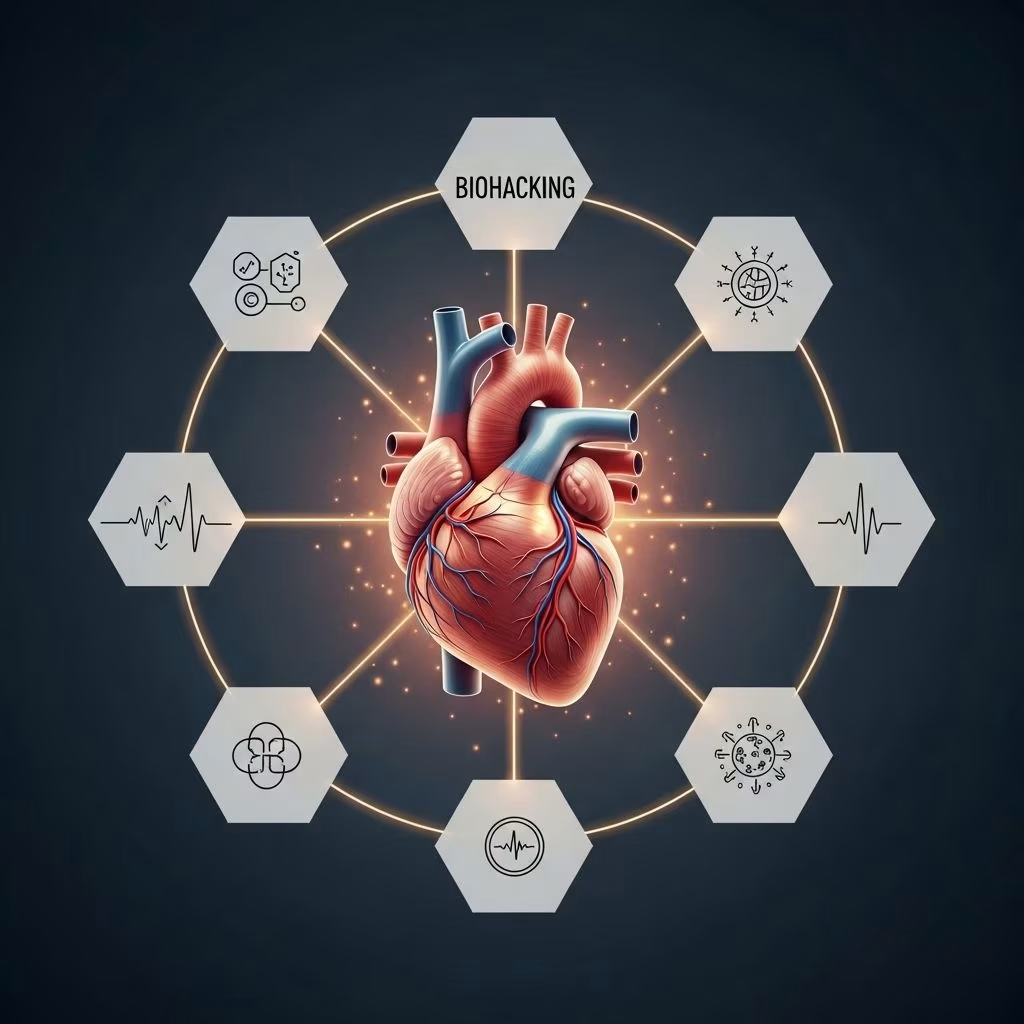
Biohacking the heart with dietary interventions is a cutting-edge approach. Among the latest lifestyle strategies, the Fasting Mimicking Diet (FMD) has emerged as a powerful, science-backed protocol to not just manage cardiovascular disease risk, but also rejuvenate the body at a cellular level. This comprehensive article explores the principles, protocols, and science behind using FMD for cardiovascular health biohacking.
Introduction
Cardiovascular disease remains the leading cause of death worldwide. While conventional approaches focus on medications and broad dietary guidelines, innovative researchers and forward-looking clinicians endorse targeted, science-driven lifestyle interventions for heart health optimization. Biohacking—the pursuit of peak health using self-experimentation and advanced scientific strategies—is increasingly popular, leading to protocols such as the Fasting Mimicking Diet for prevention, risk reduction, and longevity enhancement.
What is the Fasting Mimicking Diet (FMD)?
The Fasting Mimicking Diet is a structured, low-calorie, plant-based dietary protocol designed to deliver the cellular benefits of water-only fasting while providing some food for safety and compliance. Typically running for 5 days per cycle, FMD restricts calories (often to around 800–1100 kcal/day), protein, and sugars, while maintaining healthy fats and micronutrients. The cycle is repeated monthly or intermittently, allowing for metabolic reset without continual deprivation.
- Duration: Usually 5 days per month (sometimes cyclical repeats over several months)
- Macronutrient Profile: Low calorie, low protein, high healthy fats, moderate complex carbohydrates
- Key Aim: Induce fasting physiology (ketosis, reduced IGF-1, autophagy) without total food abstinence
- Origin: Developed based on the research of Professor Valter Longo and colleagues
The commercial version popularly known as ProLon® FMD, as well as homemade FMD protocols, emphasize minimally processed, mostly plant-based foods, with specific attention to nutrient timing and minimal animal protein.
How FMD Works: Key Mechanisms
The FMD biohacks cardiovascular health by targeting multiple interconnected pathways:
- Cellular Stress Resistance: Mimics nutrient scarcity, activating autophagy and cellular repair pathways.
- Reduced Inflammation: Cyclical fasting has been shown to lower systemic inflammation markers, a known driver of atherosclerosis and heart disease.
- Hormonal Modulation: Leads to decreased insulin-like growth factor-1 (IGF-1), which is associated with reduced vascular aging, lower cancer risk, and improved metabolic function.
- Blood Pressure Regulation: Reduces both systolic and diastolic blood pressure, an effect attributed to changes in body composition, vessel elasticity, and inflammatory burden.
- Optimized Lipid Metabolism: Enhances fat oxidation, lowers LDL (“bad cholesterol”), and improves overall lipid profiles.
- Fat Loss While Preserving Lean Mass: Unlike crash diets, FMD cycles reduce fat mass but minimize muscle/lean tissue loss, critical for heart and overall health.
Key Molecular Targets Influenced by FMD
| Biomarker / Mechanism | Effect of FMD |
|---|---|
| IGF-1 (Insulin-like Growth Factor 1) | Reduce levels, linked to longevity and vascular repair |
| Inflammatory Markers (CRP, others) | Lowered, decreasing chronic heart disease risk |
| Arterial Compliance | Preserved, supporting healthy blood flow |
| PULS Score (Cardiac Risk) | Significantly improved, forecasting lower risk of heart attacks and strokes |
| LDL Cholesterol | Reduced, enhancing cholesterol profile |
| Blood Pressure | Lowered (both systolic and diastolic) |
FMD and Cardiovascular Health: Scientific Evidence
Research over the last decade demonstrates that periodic cycles of FMD can:
- Reduce Major Cardiometabolic Risk Markers: Multiple clinical trials have shown FMD cycles lower body weight, trunk fat, blood pressure, and risk biomarkers for heart attacks and strokes compared to control diets.
- Rejuvenate Blood Vessels: FMD cycles support endothelial health—the inner lining of blood vessels critical for maintaining proper dilation and blood flow.
- Improve Glucose Metabolism: Especially in those with metabolic syndrome, FMD improves insulin sensitivity and reduces blood sugar spikes—two major predictors of cardiovascular disease.
- Outperform the Mediterranean Diet in Certain Risk Metrics: In head-to-head trials, FMD has sometimes matched or surpassed the Mediterranean Diet in areas like arterial elasticity, blood pressure reduction, and cellular aging scores. Notably, FMD preserved more lean body mass than continuous calorie restricted diets.
Notable Study Results
- Participants in FMD cycles had significant improvements in Protein Unstable Lesion Signature (PULS) scores, related to a lower 5-year heart attack/stroke risk, compared to baseline and rivaling the gold-standard Mediterranean Diet.
- Arterial compliance was maintained, leading to resilient blood vessels in the face of natural aging and lifestyle stressors.
- Both systolic and diastolic blood pressure dropped, typically by 3–4 mmHg, even in participants without initial hypertension.
- IGF-1 and inflammatory markers dropped after just a few FMD cycles, with positive effects on body composition.
- Unlike many diets, FMD improved fat mass while reducing the loss of lean muscle, preserving metabolic health and cardiac strength.
Comparing FMD to Other Cardioprotective Diets
| Diet | Key Features | Highlights for Heart Health |
|---|---|---|
| Fasting Mimicking Diet (FMD) | 5-day cycles, low-calorie plant-based, periodic | Reduces risk scores; rejuvenates blood vessels; less muscle loss |
| Mediterranean Diet | Continuous, rich in fruits/veggies, olive oil, fish | Lowers cholesterol, blood pressure, proven in major heart trials |
| Ketogenic Diet | Low carb, high fat; sustained ketosis | Short-term weight loss, uncertain long-term heart effects |
| DASH Diet | Emphasizes sodium reduction, fruits/veggies | Excellent for lowering hypertension |
FMD distinguishes itself by its cyclical nature and unique impact on vascular youthfulness and preservation of lean mass, while delivering metabolic advantages seen in other top heart-healthy diets.
Implementing FMD for Biohacking Cardiovascular Health
To leverage FMD for biohacking heart health:
- Obtain medical clearance before starting if you have existing health conditions or are on medication.
- Follow a structured cycle: typically, 5 days of FMD each month, for 3–4 months, followed by maintenance eating.
- Maintain normal calorie intake, healthy whole foods, and an exercise regimen between cycles.
- Focus FMD composition on vegetables, nuts, olive oil, limited whole grains, and minimal animal protein.
- Stay hydrated, avoid intense physical exertion during FMD cycles, and monitor any symptoms closely.
- Track progress with relevant blood work: cholesterol, fasting glucose, blood pressure, IGF-1, and body composition.
Some commercial plans, such as ProLon®, provide ready-made FMD meal kits; homemade FMD protocols based on published nutrient ratios can also be effective if carefully managed.
Potential Risks and Considerations
- FMD is not recommended for children, pregnant women, people with eating disorders, or severe chronic illness.
- Those on insulin or with advanced kidney disease should avoid unsupervised fasting protocols.
- Some may experience headaches, mood changes, or lightheadedness during cycles; ensure electrolytes are maintained.
- Medical supervision is advised for anyone with heart disease or on medication.
- Biohackers should avoid extending FMD cycles or rapidly repeating cycles outside validated research guidelines.
Future Directions and Innovations
Research into FMD is accelerating, exploring:
- Long-term impacts on cardiovascular outcomes and longevity
- The role of personalized FMD protocols and integration with wearable health tracking
- Combination approaches with pharmacological therapies for high-risk patients
- Molecular profiling to identify who benefits most from FMD cycles
- Further integration of FMD into mainstream heart disease prevention guidelines
Frequently Asked Questions (FAQs)
Q: What are the main differences between FMD and intermittent fasting for heart health?
A: FMD provides the metabolic benefits of fasting with some controlled calorie intake, reducing the risks of muscle loss or hypoglycemia. Traditional intermittent fasting typically involves daily ‘fasting windows’ but may not induce the same depth of cellular repair as FMD cycles.
Q: How quickly can one expect improvements in lipid markers or blood pressure with FMD?
A: Clinical trials show measurable improvements after just 2–3 cycles (about 2–3 months), with greater reductions in LDL cholesterol, trunk fat, and blood pressure compared to baseline.
Q: Is it necessary to use commercial FMD meal kits, or can FMD be done at home?
A: While commercial FMD kits offer convenience and standardized nutrients, FMD can be self-administered using whole, plant-based foods and following published macronutrient ratios. Careful planning and medical oversight are essential to avoid imbalances or nutritional deficiencies.
Q: Can FMD be combined with medications for cholesterol, blood pressure, or diabetes?
A: In many cases, FMD can complement standard medications, but dosages may require adjustment. Always consult a healthcare practitioner before combining fasting protocols with prescription drugs.
Q: How long do the benefits of FMD for cardiovascular markers last?
A: Many benefits, such as reduced cholesterol or waist circumference, can last for several months post-cycle. Ongoing cycles or periodic repetition help sustain improvements.
Final Notes
Integrating FMD as a biohacking tool offers a potent, evidence-based strategy to rejuvenate blood vessels, optimize cardiovascular biomarkers, and promote healthy longevity. For serious biohackers and anyone seeking a holistic heart health strategy, supervised FMD cycles may represent a transformative addition to a comprehensive prevention plan.
References
- https://prolonlife.com/blogs/stories/why-i-recommend-the-fasting-mimicking-diet-fmd-for-heart-health-patients
- https://pmc.ncbi.nlm.nih.gov/articles/PMC6816332/
- https://www.nature.com/articles/s44324-023-00002-1
- https://www.uclahealth.org/news/article/fast-track-health-inside-fasting-mimicking-diet
- https://www.news-medical.net/news/20231217/Fasting-mimicking-diet-shows-unique-benefits-in-cardiovascular-health-study-finds.aspx
- https://gero.usc.edu/2024/02/20/fasting-mimicking-diet-biological-age/
- https://www.nature.com/articles/s41467-024-45260-9


