


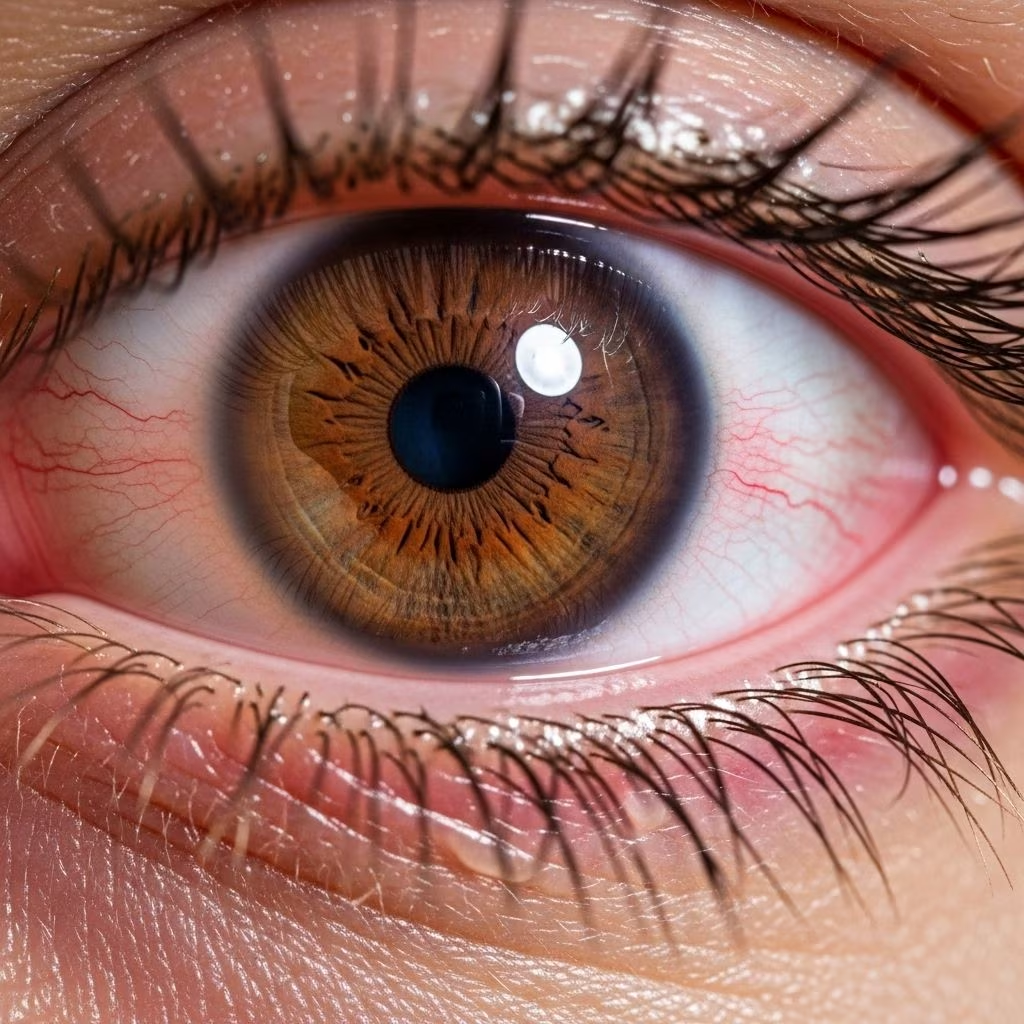
Pink eye, medically known as conjunctivitis, is a common and highly contagious eye condition that affects millions around the world. While often mild, it can cause significant discomfort and disrupt daily life. Understanding the various forms of conjunctivitis, their causes, and the most effective remedies helps prevent further transmission and ensures quick recovery. This comprehensive guide covers everything you need to know about pink eye, from identification to management and prevention.
What is Conjunctivitis (Pink Eye)?
Conjunctivitis is inflammation of the conjunctiva, the thin transparent layer covering the white part of the eye and the inner surface of the eyelids. The condition gets its nickname “pink eye” due to the hallmark pink or reddish appearance of the affected eye. Pink eye is prevalent among children but can affect adults as well. While it’s usually mild and resolves independently, early identification and management are key to avoiding unnecessary discomfort and spread.
Types of Pink Eye
The main types of conjunctivitis are classified based on their causes:
- Viral Conjunctivitis: Caused by viruses such as adenovirus and often associated with the common cold.
- Bacterial Conjunctivitis: Caused by bacteria like Staphylococcus aureus or Streptococcus pneumoniae.
- Allergic Conjunctivitis: Triggered by allergens such as pollen, dust, or animal dander.
- Irritant (Chemical) Conjunctivitis: Due to contact with irritants like chlorine, smoke, or chemicals.
- Giant Papillary Conjunctivitis: Often linked to contact lens use or ocular prosthetics.
- Neonatal Conjunctivitis: A severe form affecting newborns, often due to bacteria acquired during birth.
Comparison Table: Pink Eye Types
| Type | Cause | Common Symptoms | Contagious |
|---|---|---|---|
| Viral | Viruses (e.g., adenovirus) | Watery discharge, redness, gritty feeling | Yes |
| Bacterial | Bacteria | Thick yellow/green discharge, eyelids crusted shut | Yes |
| Allergic | Allergens (pollen, dust) | Itching, tearing, swelling, often both eyes | No |
| Irritant | Chemicals, smoke, foreign objects | Watery or mucous discharge, redness | No |
Symptoms of Pink Eye
Pink eye can present with different symptoms depending on its type but typically includes:
- Redness or pinkness in one or both eyes
- Watery, mucous, or pus-like discharge
- Itching or burning sensation
- Gritty feeling (like sand in the eye)
- Swollen eyelids or eyelid drooping
- Crusting of the eyelids or lashes, especially after sleep
- Light sensitivity
- Tearing, blurred vision (in more severe cases)
Symptoms may differ by type. For example, allergic conjunctivitis is accompanied by intense itching and sometimes sneezing, while bacterial conjunctivitis typically produces more pus-like discharge.
Causes of Pink Eye
The causes are varied but generally involve:
- Viral infection – Most common, often occuring during or after colds, flu, or respiratory infections
- Bacterial infection – Seen after hand-to-eye contact with contaminated hands or materials
- Allergic response – To pollen, animal dander, dust mites, mold, or other environmental allergens
- Contact with irritants – Such as chlorine from pools, smoke, or harsh chemicals
- Sexually transmitted infections (STIs) – Such as gonorrhea or chlamydia in adults and newborns
- Blocked tear duct – Especially in newborns
Diagnosis: How is Conjunctivitis Identified?
Diagnosis is typically made based on clinical symptoms and eye examination. An eye doctor or healthcare provider will:
- Examine the eye’s appearance, discharge, and redness
- Ask about recent illnesses, allergies, or exposures
- In severe or unclear cases, collect a fluid sample with a swab for lab analysis to distinguish bacterial from viral causes
If symptoms worsen or fail to improve after several days, further evaluation is required to rule out other eye conditions.
Home Remedies and Self-Care
For mild cases of pink eye, especially viral or allergic origin, home care can significantly ease discomfort and speed recovery. Common remedies include:
- Keep your eyes clean: Use a clean, lint-free cloth moistened with water to gently remove discharge. Always use a new cloth for each wipe, especially when both eyes are affected.
- Apply warm compresses: Place a warm, moist clean cloth over closed eyelids to relieve irritation and reduce crusting.
- Use artificial tears: Over-the-counter lubricating eye drops can help soothe dryness and irritation. Avoid drops that are marketed to reduce redness, as they may worsen symptoms.
- Avoid touching or rubbing your eyes: This minimizes further irritation and reduces the risk of spreading infection.
- Wash hands frequently: Always wash hands before and after touching your eyes or applying medication.
- Change pillowcases and towels daily: Wash these items in hot water to reduce reinfection risks.
- Stop using contact lenses: Until the infection clears, switch to glasses and disinfect lenses as directed.
Note:
Infants, people who are immune-compromised, and contact lens wearers should seek medical advice before trying home remedies due to higher risk of serious complications.
Medical Treatments
Treatment depends on the underlying cause:
- Viral Conjunctivitis: No specific antiviral is usually needed. Symptoms are managed with lubrication and compresses; most cases resolve in 1-2 weeks.
- Bacterial Conjunctivitis: Antibiotic eye drops or ointments may be prescribed (e.g., erythromycin, fluoroquinolones), especially if symptoms are severe or persist.
- Allergic Conjunctivitis: Antihistamine and mast cell stabilizer eye drops help control symptoms. Systemic allergy management may also be recommended.
- Irritant Conjunctivitis: Immediate and thorough eye irrigation is essential. Persistent symptoms after flushing or chemical exposure demand prompt medical evaluation.
- Severe neonatal forms: Require urgent antibiotic treatment and close medical monitoring.
Medical attention should be sought for severe eye pain, intense redness, vision changes, sensitivity to light, or if symptoms worsen after initial improvement.
Prevention and Hygiene Tips
The highly contagious nature of many conjunctivitis types means prevention is crucial:
- Practice frequent handwashing, especially after touching your face or eyes.
- Avoid sharing personal items like towels, pillowcases, washcloths, and eye makeup.
- Change and wash linens and towels often, especially if someone in the household is infected.
- Don’t use contact lenses while symptoms persist; follow strict lens hygiene.
- Shield eyes from irritants such as smoke, chlorine, and dust whenever possible.
- Teach children not to rub their eyes; this limits spread in schools and daycares.
- Properly dispose of tissues used to wipe discharge and wash hands immediately after.
Complications and When to See a Doctor
Although rare, untreated or severe conjunctivitis can cause complications such as:
- Corneal inflammation (keratitis), ulceration, or scarring
- Vision loss in severe cases (especially with certain bacteria or viruses)
- Spread to other body parts (systemic infection, especially in newborns)
Seek medical attention immediately if you experience:
- Severe pain in the eye
- Blurred vision not improving with blinking
- Light sensitivity
- Swelling or redness spreading around the eye
- Symptoms that worsen or do not improve after three days
- History of recent eye trauma or surgery, or if you wear contact lenses
Infants less than six months old and immunocompromised individuals should consult a healthcare provider at the earliest sign of pink eye.
Frequently Asked Questions (FAQs)
Q: How long does pink eye usually last?
A: Depending on the cause, pink eye may resolve within a few days to two weeks. Viral types typically last 1-2 weeks, bacterial cases often improve within a week of starting antibiotics, and allergic cases persist as long as exposure continues.
Q: Is pink eye always contagious?
A: Viral and bacterial conjunctivitis are highly contagious, especially in the early phase and with unwashed hands or contaminated surfaces. Allergic and irritant conjunctivitis are not contagious.
Q: Can pink eye cause blindness or serious eye injury?
A: Rarely, some types of conjunctivitis (particularly severe bacterial forms or in immunocompromised individuals) can cause corneal complications and vision loss if untreated.
Q: When can my child return to school after pink eye?
A: Many schools and daycares permit return when eye discharge is controllable and proper hygiene is maintained. Always check local policies. For bacterial forms, 24 hours after antibiotics are started is generally considered safe.
Q: Should I wear contact lenses if I have pink eye?
A: No. Discontinue contact lens use until all symptoms are resolved and follow your eye care provider’s recommendations for cleaning or replacing lenses and cases.
Q: Are there risks with over-the-counter eye drops?
A: Only use lubricating artificial tears unless advised by a doctor. Avoid drops that “whiten” eyes, as they can exacerbate symptoms or mask underlying problems.
Q: How is conjunctivitis different from other eye infections?
A: While pink eye affects the conjunctiva, more severe symptoms (significant pain, vision loss, photophobia) may indicate other eye conditions that require urgent care, such as keratitis or uveitis.
Final Thoughts
Most cases of pink eye are mild and respond well to simple self-care and good hygiene. Understanding the cause and practicing prevention remain crucial to stopping outbreaks—especially in schools and communal settings. If in doubt, seek prompt medical evaluation to safeguard your vision and overall health.
References
- https://optical-academy.com/diseases/conjunctivitis-a-comprehensive-guide/
- https://www.mayoclinic.org/diseases-conditions/pink-eye/symptoms-causes/syc-20376355
- https://www.mayoclinichealthsystem.org/hometown-health/speaking-of-health/changing-the-approach-to-pink-eye
- https://my.clevelandclinic.org/health/diseases/pink-eye-conjunctivitis
- https://www.cdc.gov/conjunctivitis/hcp/clinical-overview/index.html
- https://www.aoa.org/healthy-eyes/eye-and-vision-conditions/conjunctivitis
- https://myhealth.alberta.ca/Health/aftercareinformation/pages/conditions.aspx?hwid=uh3303
- https://www.esht.nhs.uk/wp-content/uploads/2020/12/0869.pdf
- https://www.allinahealth.org/healthysetgo/prevent/the-ultimate-guide-to-pink-eye
- https://www.grenevisiongroup.com/eye-care-resources/what-is-pink-eye


