


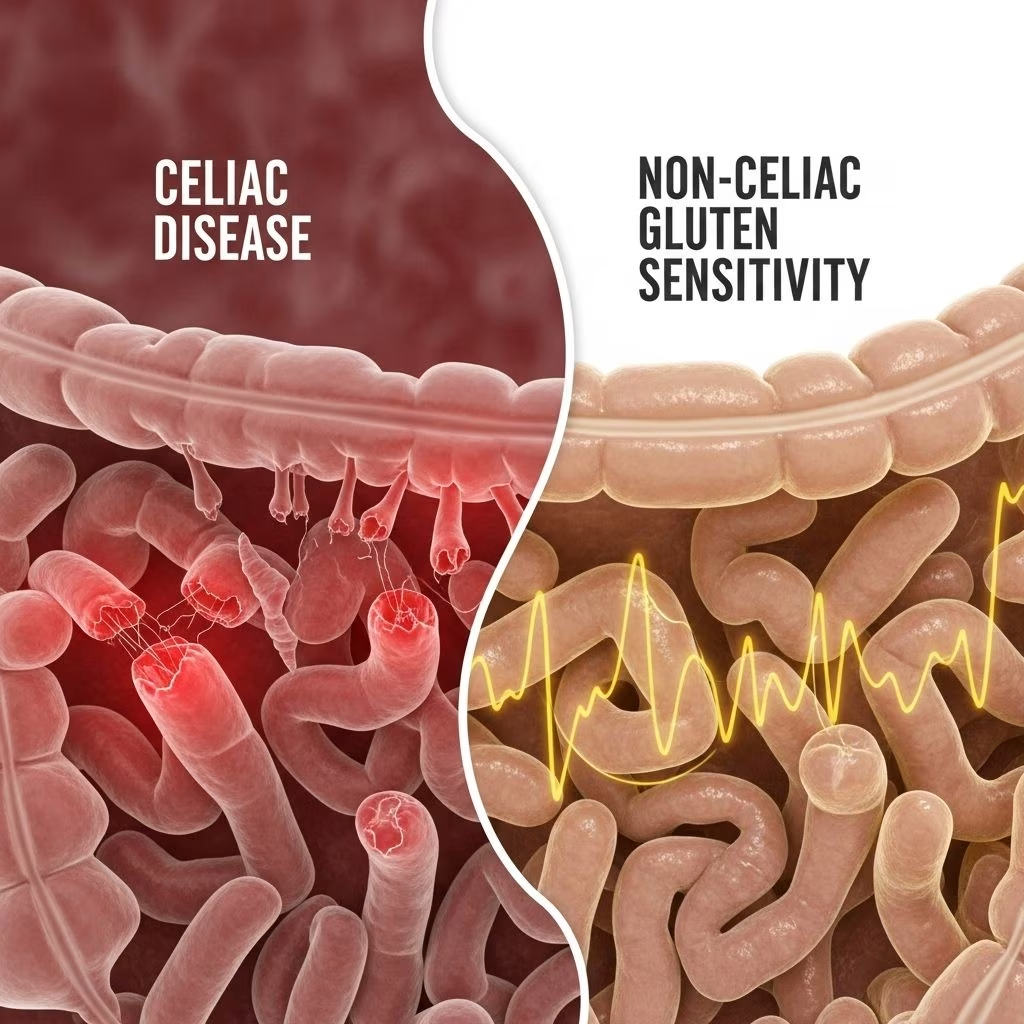
What Are Celiac Disease and Non-Celiac Gluten Sensitivity?
Celiac disease and non-celiac gluten sensitivity (NCGS) are two distinct conditions that both involve adverse reactions to gluten, a protein found in wheat, barley, and rye. Despite the similarity in symptoms, their underlying mechanisms, health impacts, and management differ significantly.
Celiac disease is a lifelong autoimmune disorder triggered by gluten ingestion. In people with celiac disease, the immune system mistakenly attacks the lining of the small intestine, causing inflammation and damage to the villi, the finger-like projections responsible for nutrient absorption. Over time, this can lead to malabsorption, nutrient deficiencies, and a host of associated health issues.
Non-celiac gluten sensitivity (NCGS), also called gluten intolerance, does not involve an autoimmune or allergic response. Instead, individuals experience similar gastrointestinal (GI) symptoms—such as bloating, diarrhea, and abdominal pain—after consuming gluten, but without the intestinal damage or immune markers seen in celiac disease. The pathophysiology of NCGS remains unclear, and diagnosis is largely based on excluding celiac disease and wheat allergy.
Key Differences Between Celiac Disease and Non-Celiac Gluten Sensitivity
Although both conditions require avoidance of gluten, their biological mechanisms, clinical significance, and management strategies differ:
| Feature | Celiac Disease | Non-Celiac Gluten Sensitivity |
|---|---|---|
| Mechanism | Autoimmune response | Non-autoimmune, non-allergic |
| Genetic Component | Yes (HLA-DQ2/8 genes) | No known genetic basis |
| Prevalence | About 1% of the population | Estimates range from 0.5% to 13% |
| Diagnosis | Blood tests for antibodies, biopsy for intestinal damage | Diagnosis of exclusion; negative for celiac and wheat allergy |
| Intestinal Damage | Yes | No |
| Treatment | Strict, lifelong gluten-free diet | Gluten reduction as tolerated, may not require strict avoidance |
Celiac disease is also associated with a higher risk of other autoimmune conditions and long-term complications if untreated, while non-celiac gluten sensitivity does not increase these risks.
Symptoms Comparison
Both celiac disease and NCGS can cause a range of symptoms, which often overlap and may lead to confusion in diagnosis. However, celiac disease is a systemic disorder that can affect nearly every organ system, while NCGS symptoms are often limited to the gastrointestinal tract, though extraintestinal symptoms are possible.
Celiac Disease Symptoms
- Gastrointestinal: Bloating, diarrhea, abdominal pain, constipation, gas, nausea
- Non-Gastrointestinal: Anemia, fatigue, headaches, joint pain, low vitamin D/B12, osteoporosis, skin rash (dermatitis herpetiformis), depression, cognitive impairment, delayed growth in children
- Long-Term: Malabsorption, nutrient deficiencies, increased risk of other autoimmune diseases (e.g., type 1 diabetes, thyroid disease), and certain cancers if untreated
Non-Celiac Gluten Sensitivity Symptoms
- Gastrointestinal: Bloating, diarrhea, abdominal pain, constipation, nausea—similar to celiac disease but without intestinal damage
- Extraintestinal: Less common, but may include headaches, fatigue, “brain fog,” joint pain, and skin reactions; however, evidence for these is less consistent
- Duration: Symptoms usually resolve quickly after gluten is removed from the diet, and there are no long-term complications
Causes and Risk Factors
Celiac Disease
Celiac disease results from a combination of genetic predisposition (specifically, the presence of HLA-DQ2 or HLA-DQ8 genes), immune system malfunction, and exposure to gluten. About 38% of Americans carry the genes for celiac disease, but only a small fraction develop the condition. Risk increases among first-degree relatives of those with celiac disease and in individuals with other autoimmune conditions.
Non-Celiac Gluten Sensitivity
The cause of NCGS remains unknown. There is no established genetic basis, and the condition may be more common in people with irritable bowel syndrome (IBS) or other functional GI disorders. Some experts hypothesize that components of wheat other than gluten, such as fermentable carbohydrates (FODMAPs), may contribute to symptoms in some individuals.
Diagnosis: How Are These Conditions Identified?
Celiac Disease
- Blood Tests: Screening typically begins with blood tests for antibodies like anti-tissue transglutaminase (tTG) and anti-endomysial (EMA). Elevated levels suggest an autoimmune response.
- Biopsy: If blood tests are positive, a biopsy of the small intestine is performed to look for villous atrophy, the hallmark of celiac disease.
- Genetics: Genetic testing for HLA-DQ2/DQ8 can support the diagnosis, but not confirm it, as these genes are present in many without the disease.
Non-Celiac Gluten Sensitivity
- Diagnosis of Exclusion: NCGS is only diagnosed after celiac disease and wheat allergy are ruled out through negative blood tests and, if necessary, biopsy.
- Symptom Relief: Improvement in symptoms upon removing gluten from the diet, with recurrence upon reintroduction, supports the diagnosis.
- No Biomarkers: There are no specific biomarkers for NCGS, making diagnosis challenging and sometimes subjective.
Treatment and Management Strategies
Celiac Disease
- Strict Gluten-Free Diet: The only effective treatment is complete, lifelong avoidance of gluten—typically defined as less than 20 parts per million (ppm) in food.
- Avoidance of Cross-Contamination: Even tiny amounts of gluten can cause symptoms and intestinal damage; vigilance with food preparation is essential.
- Nutritional Support: Many individuals require supplementation for nutrient deficiencies (e.g., iron, calcium, vitamins) due to malabsorption.
- Long-Term Monitoring: Regular follow-up with a gastroenterologist ensures dietary compliance and assesses for complications.
Non-Celiac Gluten Sensitivity
- Gluten Reduction: Most individuals with NCGS benefit from reducing gluten intake, but they may tolerate small amounts or occasional exposure without symptoms.
- Dietary Flexibility: Some find that a low-FODMAP diet helps if wheat FODMAPs, rather than gluten, are the culprit.
- No Strict Standards: Unlike celiac disease, NCGS does not require the same level of vigilance, and therapeutic options are less defined.
Gluten and the Diet: What Should You Eat?
Navigating gluten-free living is challenging but increasingly manageable with more products and awareness:
Foods to Avoid
- Wheat, rye, barley, and their derivatives
- Processed foods that may contain hidden gluten (e.g., sauces, soups, deli meats)
- Oats, unless labeled gluten-free (oats are often contaminated with wheat during processing)
Safe Foods
- Fresh, unprocessed meats, fish, eggs, fruits, and vegetables
- Gluten-free grains such as rice, corn, quinoa, and certified gluten-free oats
- Dairy products (unless lactose intolerant)
Cross-Contamination
Cross-contamination is a major concern for people with celiac disease. Separate cooking utensils, cutting boards, and toasters should be used, and careful label reading is essential.
Long-Term Outcomes and Potential Complications
Celiac Disease
Untreated celiac disease can lead to malnutrition, osteoporosis, infertility, neurological disorders, and an increased risk of certain cancers (e.g., lymphoma). With strict adherence to a gluten-free diet, symptoms and intestinal damage can resolve, and risks are greatly reduced.
Non-Celiac Gluten Sensitivity
NCGS does not cause intestinal damage or increase the risk of autoimmune diseases or cancer. Symptoms resolve with gluten reduction, and long-term follow-up is not typically required.
Common Misconceptions
- Celiac disease is a food allergy: Celiac disease is an autoimmune condition, not an allergy.
- Gluten sensitivity and celiac disease are the same: They share symptoms but differ in mechanism, risk, and management.
- Eating gluten-free is healthier for everyone: There is no evidence that a gluten-free diet offers health benefits for people without gluten-related disorders.
Frequently Asked Questions
Is celiac disease the same as a wheat allergy?
No, celiac disease is an autoimmune disorder, while wheat allergy is an allergic response to wheat proteins involving a different part of the immune system.
Can non-celiac gluten sensitivity turn into celiac disease?
No, NCGS does not progress to celiac disease. They are distinct conditions with different causes and outcomes.
How much gluten is unsafe for people with celiac disease?
Even trace amounts of gluten (as little as 20 ppm) can trigger an immune response and intestinal damage in people with celiac disease.
Can children have non-celiac gluten sensitivity?
Yes, children can experience NCGS, but celiac disease should always be ruled out through testing before diagnosis.
Are there any medications for celiac disease or NCGS?
Currently, there are no medications that can replace a gluten-free diet for celiac disease, and no specific medications are approved for NCGS. Dietary management is the mainstay of treatment.
Is a gluten-free diet necessary for everyone?
No, a gluten-free diet is only medically necessary for people with celiac disease, wheat allergy, or non-celiac gluten sensitivity. For others, it may be unnecessarily restrictive and could lead to nutritional deficiencies.
Final Thoughts
Celiac disease and non-celiac gluten sensitivity represent two distinct responses to gluten consumption, each with its own cause, diagnosis, and management. While both require dietary modification, the risks, diagnostic criteria, and level of dietary vigilance differ significantly. Accurate diagnosis is essential to avoid unnecessary dietary restrictions and to ensure those with celiac disease receive appropriate care to prevent complications.
As research continues, it is hoped that better diagnostic tools and treatments will emerge, reducing the burden on those affected by these conditions. For now, awareness, education, and support from healthcare providers and dietitians are crucial for optimal management and quality of life.
References
- https://www.nm.org/healthbeat/healthy-tips/celiac-disease-vs-gluten-intolerance-infographic
- https://www.beyondceliac.org/celiac-disease/non-celiac-gluten-sensitivity/
- https://www.luriechildrens.org/en/blog/faq-celiac-disease-vs-non-celiac-gluten-sensitivity/
- https://cdhf.ca/en/celiac-vs-non-celiac-gluten-sensitivity/
- https://celiac.org/wp-content/uploads/2017/10/jama_celiac_2017.pdf
- https://health.clevelandclinic.org/gluten-sensitivity-celiac-disease-wheat-allergy-differences
- https://newsnetwork.mayoclinic.org/discussion/coeliac-disease-vs-gluten-intolerance-mayo-clinic-healthcare-expert-explains-the-difference/
- https://www.aaaai.org/tools-for-the-public/conditions-library/allergies/celiac-disease
- https://www.catholichealthli.org/blog/celiac-disease-vs-gluten-intolerance-whats-difference


