


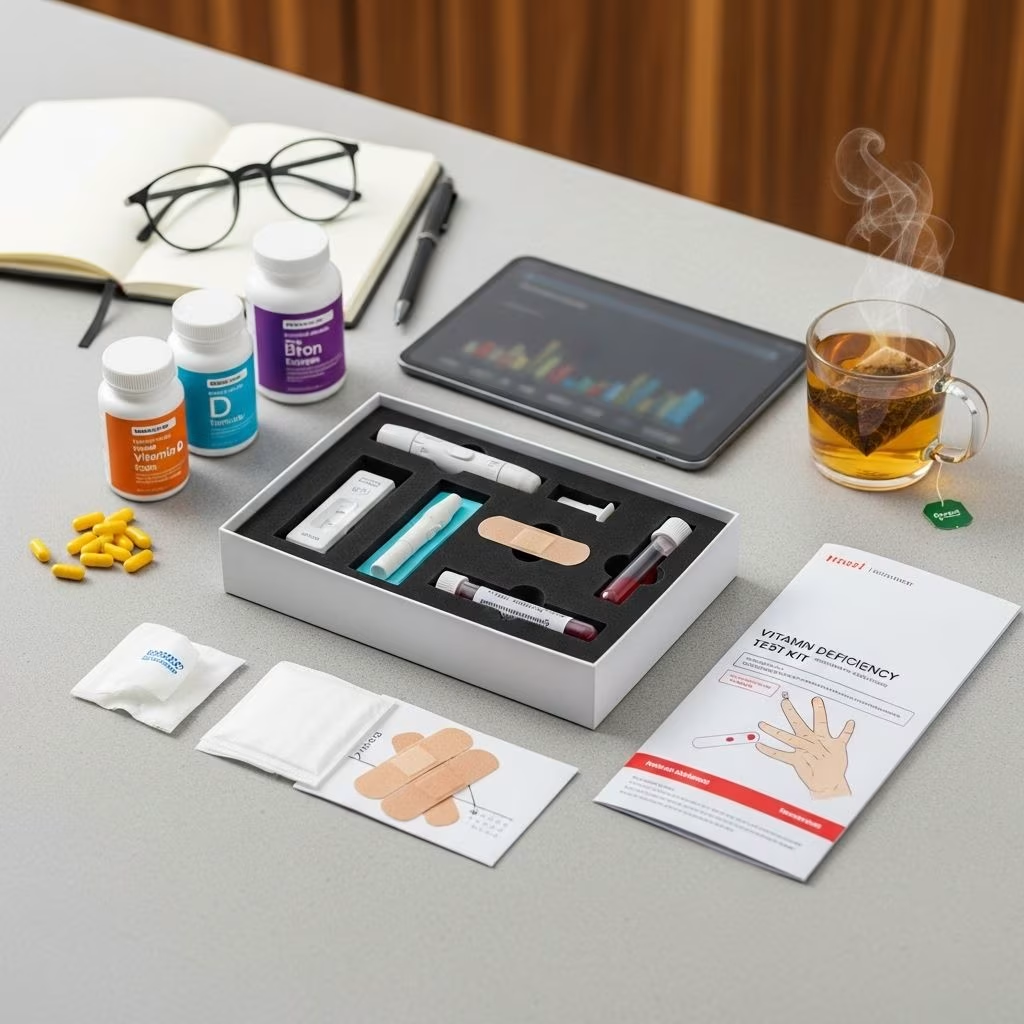
With more people embracing proactive health management, at-home vitamin deficiency tests have surged in popularity. These kits promise convenience and insight, empowering users to detect nutritional gaps without a doctor’s visit. But how accurate are these tests, what vitamins can they assess, and which option best fits your health goals? This comprehensive review unpacks the latest home vitamin tests for 2025, their pros and cons, testing methods, and tips for interpreting results responsibly.
Introduction: The Rise of At-Home Vitamin Testing
Modern life, with its dietary complexity and busy schedules, has fueled concerns about nutritional deficiencies. While blood tests for vitamins have long been a mainstay in clinical practice, at-home vitamin deficiency kits now put basic screening power in consumers’ hands. These kits promise quick insights on potential shortfalls—ranging from vitamin D and B12 to iron and magnesium—often via a finger-prick or hair sample. Their accessibility, privacy, and increasing accuracy make them a popular wellness tool for anyone experiencing symptoms such as fatigue, low mood, or unexplained health changes.
How At-Home Vitamin Deficiency Tests Work
The core idea of at-home kits is simple: users collect a biological sample (blood, urine, hair, or saliva), follow packaged instructions, and mail the sample to a certified laboratory. Within days, digital results report specific vitamin and mineral levels, usually with reference ranges and sometimes a nursing consultation.
- Collection method: Most commonly, a finger prick provides enough blood for several nutrient analyses. Some kits use hair or saliva for different insights (for example, broader mineral or sensitivity screening).
- Analysis: Samples are processed in CLIA-certified labs, ensuring standards comparable to clinical tests—but scope and reliability can differ.
- Results: Laboratories usually return digital reports within 2 to 7 days. Several leading brands also offer follow-up guidance from healthcare professionals if deficiencies are detected.
Types of At-Home Vitamin Deficiency Tests
Commercial at-home kits now cover diverse test formats, matching various health concerns and budgets:
- Finger-prick blood tests: The gold standard for vitamin and mineral measurement. Detects circulating nutrients such as vitamin D, B12, iron, and more.
- Urine test strips: Less common for vitamins, but some panels check for specific elements, especially in metabolic assessments.
- Hair analysis kits: Used for assessing broader patterns, including minerals, some vitamins, and food sensitivities. They offer a reflection of longer-term exposure but lack diagnostic rigor.
- Saliva testing: Occasionally available, mainly for select hormones or minerals.
Comparison Table: Main Testing Methods
| Method | Sample Needed | Vitamins Measured | Key Pros | Main Cons |
|---|---|---|---|---|
| Finger-Prick Blood | Blood Spot | D, B12, Iron, B Complex, Folate, more | High accuracy, measures current status | Involves lancet use Limited sample size |
| Hair Analysis | Small hair sample | Broader nutrient, mineral, sensitivity patterns | Long-term exposure No blood needed | Not diagnostic Lower clinical acceptance |
| Urine Test Strips | Urine | Some minerals, B vitamins (limited) | Non-invasive | Less accurate for most vitamins |
| Saliva | Saliva swab | Selective (mainly hormones/minerals) | Very easy Non-invasive | Not widely used for vitamin screening |
Key Vitamins and Minerals Tested at Home
While kits vary, most target common deficiencies known to influence health:
- Vitamin D: Critical for bone, immunity, and mood. Deficiencies are common globally.
- Vitamin B12: Essential for nerve health and energy. Often low in vegans or people with absorption disorders.
- Iron: Required for healthy blood and prevention of anemia.
- Folate (Vitamin B9): Vital for cell production and pregnancy health.
- Vitamin B complex: Includes B6, B2, and others that support metabolism.
- Zinc & Magnesium: Key for immunity, nerve, and muscle function.
- Copper & Selenium: Trace elements commonly included in more comprehensive panels.
Top At-Home Vitamin Deficiency Tests of 2025
The following overview blends expert, user, and clinical perspectives to highlight leading test kits for different needs.
- Best Overall: Labcorp Vitamin Deficiency Test
Offers a wide nutrient panel (D, B12, iron, folate) - Best for Iron: Labcorp Ferritin Blood Test
Spotlights iron store status (ferritin), helpful in unexplained fatigue/anemia - Best for Vitamin D: Everlywell At-Home Vitamin D and Inflammation Test
Widely reviewed, easy mail-in processing, high lab standards - Best for Specialized Diets: Quest Vegetarian & Vegan Panel, Quest Low Carb Panel
Targets typical shortfalls in specific diets - Best for Comprehensive Trends: 5Strands Nutrition Test, Verisana Micronutrient + HbA1c & Cholesterol
Combines vitamin screening with metabolic/food sensitivity markers (uses hair analysis and finger-prick) - Most Convenient/Comprehensive At-Home Finger-Prick: LetsGetChecked Micronutrient Test
Tests vitamin D, B12, E, copper, and selenium; CLIA-certified lab, nurse follow-up
Popular At-Home Test Quick Comparison
| Test Name | Vitamins Tested | Sample Type | Results Time | Extras |
|---|---|---|---|---|
| Labcorp Vitamin Deficiency Test | D, B12, Iron, Folate | Blood | Few days | Lab visit or at-home option |
| Everlywell Vitamin D Test | Vitamin D | Blood (finger prick) | 5-7 days | Inflammation marker add-on |
| LetsGetChecked Micronutrient | D, B12, E, Copper, Selenium | Blood (finger prick) | 2-5 days | Nurse call follow-up |
| 5Strands Nutrition Test | 80+ vitamins/minerals/amino acids | Hair | About 4 days | Addresses absorption issues |
| Verisana Micronutrient Panel | B9, B12, D, plus HbA1c, cholesterol | Blood (finger prick) | Varies | Insight into broad metabolic health |
How to Choose the Right Test for You
Tailor your choice according to personal goals, symptoms, and lifestyle:
- Symptoms: Fatigue, low mood, hair loss—consider a comprehensive vitamin and iron panel.
- Diet: Vegan, vegetarian, or restricted diets may benefit most from panels assessing B12, iron, zinc, and D.
- Budget: Basic kits (e.g., single vitamin D) start around $50; full panels can exceed $150.
- Testing depth: Want a single vitamin or a full nutrition snapshot, including food sensitivities or metabolic health?
- Actionability: Prefer tests with professional follow-up to help interpret and act on results.
Accuracy and Limitations
Accuracy is a crucial factor:
- Blood spot kits using finger pricks sent to CLIA-certified labs can reliably report on several vitamins and minerals, nearly matching tests ordered by a doctor.
- Hair analysis and urine/saliva strips are considered more suitable for trends or research, but lack strong clinical validation for diagnosing deficiencies.
- False lows or highs may occur if instructions aren’t followed, especially regarding fasting or hydration before the test.
- At-home test results may not account for all sources of error (recent supplements, acute illness, chronic absorption problems) and are best viewed as preliminary screens.
- Always consult a healthcare provider to interpret results and determine the need for further testing or changes.
Pricing and Insurance Considerations
Cost varies by brand and test complexity:
- Single-nutrient kits (like vitamin D or B12) are typically $49–$79.
- Comprehensive panels (testing 5+ nutrients) range from $100 to $200+.
Insurance coverage:
- Most at-home kits are not covered by traditional insurance, but many accept Health Savings Account (HSA) or Flexible Spending Account (FSA) cards for tax-advantaged payment. Leading brands offer itemized receipts for self-reimbursement.
What to Expect: Using an At-Home Test Step by Step
- Order and receive the kit: Delivered via mail; most are discreetly packaged.
- Read instructions: Pay careful attention to pre-collection advice like fasting, hand-washing, and time of day.
- Collect sample: For blood tests, use provided lancet and collection devices; for hair/urine/saliva, follow enclosed steps.
- Register kit online: Usually required to track your sample and report results.
- Mail the sample: Use prepaid packaging; send promptly for valid results.
- Receive results: Typically within 2 to 7 days via a secure online portal or app.
- Professional follow-up: Some companies provide optional nurse consultations.
Understanding and Acting on Results
Your report will usually include:
- Nutrient levels compared to laboratory reference ranges.
- Highlighted deficiencies or excesses with potential health implications.
- Basic advice on diet changes or the need for physician follow-up.
Interpreting these results requires caution. High or low numbers don’t always reflect daily intake or tissue stores. For example, a transient illness, supplement use, or metabolic issue can skew values. At-home kits are best considered as a screening—not diagnostic—tool. Always seek confirmation and further evaluation from a healthcare provider before making significant changes to diet or supplements. Overcorrecting with supplements can be dangerous without full supervision.
Frequently Asked Questions (FAQs)
Q: Are at-home vitamin deficiency tests accurate enough for diagnosis?
A: Most finger-prick blood spot tests analyzed in certified labs offer good accuracy for screening basic deficiencies (such as vitamin D and B12), but results should be confirmed and interpreted by a healthcare professional. Hair, urine, and saliva tests are less established for most vitamins.
Q: Who should consider an at-home vitamin deficiency test?
A: Anyone noticing unexplained symptoms (fatigue, low mood, hair loss), on restrictive diets (vegan, vegetarian), or those with a history of deficiencies may benefit from these tests as a screening step.
Q: Do I need to fast before taking my sample?
A: Instructions vary. Some tests recommend fasting or collecting your sample first thing in the morning to avoid skewed results, particularly for iron or glucose-related markers. Always read the enclosed instructions carefully.
Q: Will insurance cover my test kit?
A: Most at-home test kits are not covered by regular health insurance, but many do accept payment via HSA or FSA accounts, making them more affordable.
Q: What if my test shows a deficiency?
A: Contact your healthcare provider for follow-up testing and individualized advice. Over-supplementation without confirmation can be unsafe.
Final Notes
At-home vitamin deficiency tests are valuable tools for those seeking early insight into their nutrition status or dietary gaps. When chosen and used carefully, they can prompt helpful lifestyle changes—provided results are interpreted in context and confirmed with professional medical advice. For those with persistent health issues, suspected absorption disorders, or complex dietary needs, professional laboratory testing and guidance remain the gold standard.
References
- https://thementalhealthblog.com/the-best-at-home-vitamin-tests-in-2025-what-you-need-to-know/
- https://www.healthline.com/health/vitamin-deficiency-test
- https://www.getlabtest.com/news/post/at-home-vitamin-deficiency-tests
- https://www.medicalnewstoday.com/articles/vitamin-d-tests
- https://www.medicalnewstoday.com/articles/vitamin-deficiency-test
- https://www.letsgetchecked.com/home-vitamin-deficiency-test/
- https://www.healthline.com/reviews/at-home-tests/nutrition-and-well-being
- https://www.youtube.com/watch?v=mt8BjoZfhVQ


