


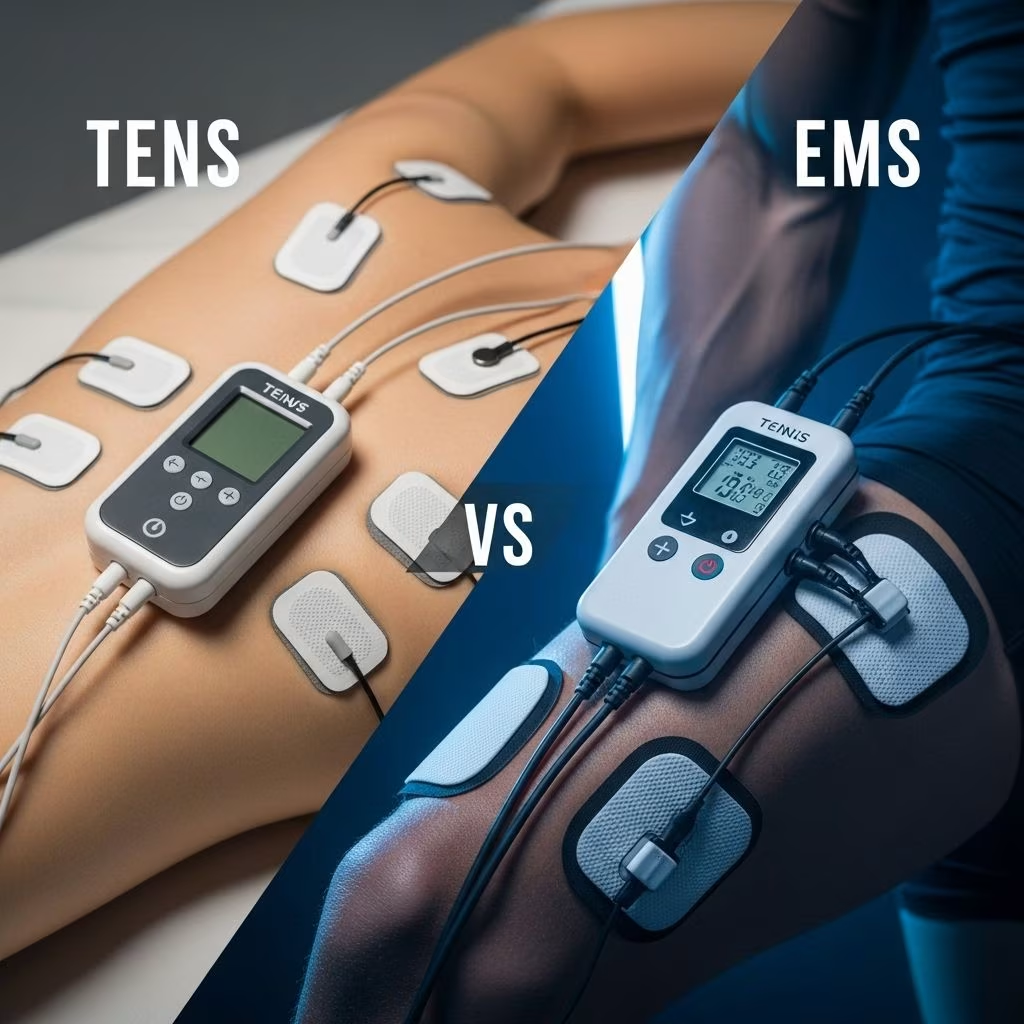
Transcutaneous Electrical Nerve Stimulation (TENS) and Electrical Muscle Stimulation (EMS) are two non-invasive, drug-free modalities designed to address pain and assist in rehabilitation. While both utilize electrical impulses, their mechanisms and intended outcomes differ. This comprehensive review explores how these devices work, their distinct applications, effectiveness, safety, and guidance on choosing the right unit for your needs.
Introduction
Both TENS and EMS units have become increasingly accessible for home use, offering support either for persistent pain or for muscle recovery after injury or surgery. Understanding their mechanisms, benefits, and limitations can empower users to make informed choices backed by clinical evidence and expert recommendations.
TENS Units: Pain Relief Science and Application
TENS stands for Transcutaneous Electrical Nerve Stimulation. A TENS unit delivers low-voltage electrical signals through electrodes placed on the skin to target sensory nerves. The stimulation is adjustable in intensity and frequency, and it produces a pleasant tingling sensation without discomfort for most users.
How TENS Works
- The device sends electrical impulses through the skin, which travel to the nerve endings.
- These impulses disrupt or “confuse” pain signals, preventing them from reaching the brain.
- TENS does not treat the underlying cause; it offers temporary pain relief during application.
Common Clinical Uses of TENS Units
- Arthritis, including osteoarthritis and rheumatoid arthritis
- Chronic pain conditions (e.g., fibromyalgia)
- Musculoskeletal pain (back, neck, joint pain)
- Postoperative pain (surgery, wounds, incisions)
- Nerve pain (neuropathy)
- Labor and menstrual pain
- Sports injuries
- Headaches, migraines
Advantages of TENS
- Non-invasive and drug-free
- Customizable settings for intensity/frequency
- Portable and easily available for home use
- Temporary pain relief for a wide range of conditions
Limitations of TENS
- No direct effect on muscle strength, tone, or rehabilitation
- Pain relief duration and effectiveness varies per individual
- Does not heal the source of pain or injury
EMS Devices: Muscle Stimulation and Recovery
EMS stands for Electrical Muscle Stimulation. EMS units deliver electrical currents that directly target muscle fibers rather than sensory nerves, causing physiological muscle contractions and relaxation cycles.
How EMS Works
- The device’s impulses prompt muscles to contract and release, mimicking voluntary exercise.
- This stimulation can help strengthen, re-educate, or rehabilitate muscular tissue after injury or immobilization.
- EMS may also offer pain relief by blocking pain signals, although its primary target is muscle function.
Common Clinical Uses of EMS Devices
- Rehabilitation after musculoskeletal injury or surgery
- Muscle atrophy prevention (e.g., immobilization)
- Improvement of muscle strength, endurance, and flexibility
- Sports training and muscle re-education
- Pain relief (especially related to muscle cases)
Advantages of EMS
- Enhances muscle strength and recovery
- Prevents muscle wasting
- Supports rehabilitation and physical therapy
- Drug-free pain solution, especially when pain is muscle-related
- Can improve flexibility by repeated contraction-relaxation cycles
Limitations of EMS
- Less effective for pure nerve-based pain (neuropathic pain, headaches, etc.)
- May not be suitable for people with certain medical conditions or devices (e.g., pacemakers)
Key Differences Between TENS and EMS
Despite technological similarities, TENS and EMS are designed for distinctly different clinical goals. Here are the major differentiators:
- Target Tissue: TENS stimulates nerves; EMS stimulates muscles.
- Main Purpose: TENS delivers pain relief; EMS promotes muscle contraction and rehabilitation.
- Mechanism: TENS blocks pain signals to the brain; EMS causes muscle contraction and aids muscle recovery.
- Use Cases: TENS is optimal for chronic pain, arthritis, or neuropathic conditions. EMS excels in physical therapy, muscle strength, and post-injury recovery.
- Drug-Free, Non-Invasive: Both therapies offer safe, non-drug alternatives when used appropriately and under medical supervision.
Effectiveness and Evidence
The effectiveness of both TENS and EMS has been researched extensively, though outcomes vary and may depend on individual response, the device model, application technique, and the underlying condition being treated.
TENS Effectiveness
- Most studies support TENS for short-term pain relief.
- Widely used in pain clinics, hospitals, and physical therapy.
- Not curative—pain often returns after stimulation ends.
- May work best as adjunct therapy combined with other modalities.
EMS Effectiveness
- Clinical research supports muscle strengthening and prevention of muscle atrophy with regular use.
- Effective post-surgery or after long immobilization (casts, injuries).
- EMS can improve muscular endurance, flexibility, and recovery—including sports rehabilitation.
- May relieve some pain, especially when pain arises from poor muscular function or spasm.
Safety Considerations
Both TENS and EMS devices are generally safe when used as instructed, though there are important precautions to consider:
- Do not use over open wounds, broken skin, or infected areas.
- Avoid use near the heart, throat, or directly over pacemaker/implantable devices.
- Follow manufacturer and healthcare provider recommendations for duration, intensity, and placement.
- Pregnant individuals or those with epilepsy, heart problems, or implanted devices must consult a healthcare professional before using these units.
- Side Effects: Mild skin irritation or tingling is possible but rare when used correctly.
Usage Guidance and Choosing the Right Device
Selecting the correct unit depends on your primary therapeutic goal:
- Pain Relief (especially nerve-related or chronic pain): Choose a TENS unit.
- Muscle Strengthening, Rehabilitation, Recovery: Choose an EMS device.
- Some units offer combination functionality (dual-channel), allowing users to switch modes between TENS and EMS.
- Always consult with a healthcare provider before starting any new therapy if you have concerns, underlying medical conditions, or are unsure which modality is most appropriate for you.
Comparison Table: TENS vs. EMS
| Feature | TENS Unit | EMS Device |
|---|---|---|
| Target | Nerves | Muscles |
| Main Purpose | Pain relief by blocking pain signals | Muscle contraction/strengthening |
| Common Uses | Chronic pain, arthritis, neuropathic pain | Muscle rehab, sports medicine, atrophy prevention |
| Benefit Duration | Temporary pain relief | Longer-term muscle improvements |
| Side Effects | Rare, mild skin irritation | Rare, muscle soreness, mild irritation |
| Device Availability | Widely available for home and clinical use | Available but less common for home use |
Frequently Asked Questions (FAQs)
Q: Can I use TENS and EMS together?
A: Yes, some devices offer both functions, and they can be used alongside each other depending on the treatment goal. Always follow professional advice for optimal sequencing and placement.
Q: Which is better for chronic back pain?
A: TENS units are generally preferred for chronic, persistent pain management. EMS may help if muscle weakness or spasm is contributing to pain.
Q: Is it safe to use these devices at home?
A: Most modern TENS and EMS units are designed for home use, provided instructions are followed carefully. Consult with a healthcare provider if you have any contraindications or concerns.
Q: Does insurance cover these devices?
A: Coverage varies by insurer, country, and prescribed medical necessity. Check with your provider and health practitioner for your specific situation.
Q: Are there risks of addiction or dependency?
A: TENS and EMS are non-pharmacological modalities and do not produce physical dependency or withdrawal symptoms. However, users should avoid overuse and always adhere to recommended usage.
Q: Can TENS or EMS be used during pregnancy?
A: Consultation with a healthcare provider is essential. TENS may be used for labor pain in clinical settings but is generally not recommended for unsupervised home use during pregnancy.
Conclusion
TENS and EMS units are valuable tools in modern physical therapy, pain management, and rehabilitation. While TENS excels in pain relief by targeting sensory nerves, EMS is the premier choice for muscle recovery, strengthening, and sports medicine. Selection should depend on individual needs and consultation with a healthcare provider, ensuring both effectiveness and safety in use. By combining science-backed insights and practical guidelines, individuals can make informed decisions that support long-term health, comfort, and physical function.
References
- https://www.healthline.com/health/tens-vs-ems
- https://continuumcentre.ca/non-invasive-therapy/ems-vs-tens-how-do-they-differ/
- https://www.northeastspineandsports.com/treatments/tens-and-ems/
- https://trophyskin.com/blogs/blog/ems-vs-tens-what-s-the-difference
- https://trophyskin.com/es/blogs/blog/ems-vs-tens-what-s-the-difference
- https://tensunits.com/blogs/blog/whats-difference-tens-ems
- https://www.youtube.com/watch?v=k_7nz-_fEKw
- https://pmc.ncbi.nlm.nih.gov/articles/PMC10616008/
- https://myolyn.com/different-types-of-electrical-stimulation-the-name-game/
- https://tensmachineuk.com/blog/post/whats-the-difference-between-tens-and-ems


