


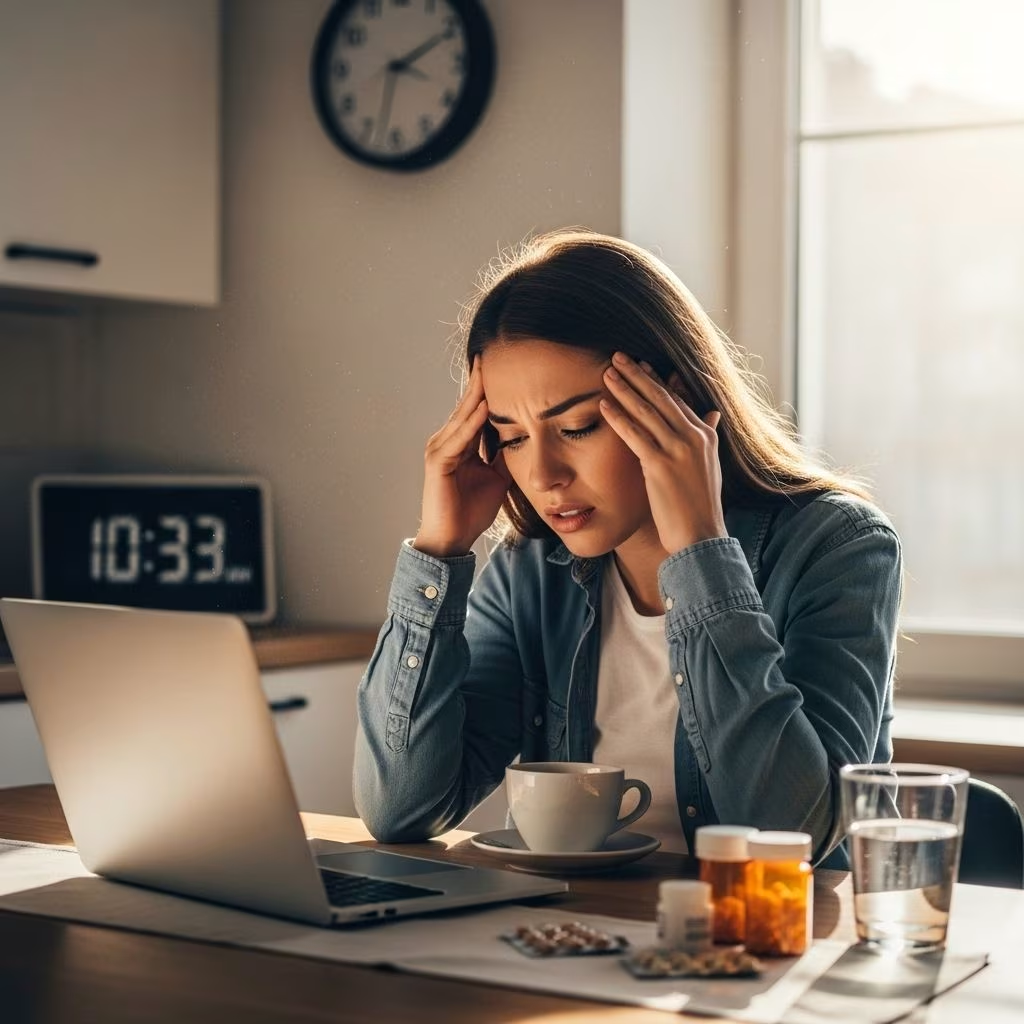
Pain Relief Wears Off Mid-Morning: Troubleshooting and Sustaining Comfort
Pain that returns or intensifies by mid-morning despite recent medication is a frequent complaint among those with chronic pain conditions—including arthritis, neurological disorders like Parkinson’s disease, and persistent back pain. This article investigates the underlying causes of pain relief wearing off mid-morning, explores common scenarios and symptoms, and offers troubleshooting strategies to extend comfort throughout the day.
Introduction
Many people managing chronic pain find that their pain relief medications, therapies, or routines are most effective when first taken, but tend to wear off by mid-morning. This can create a challenging period between waking and when their next scheduled intervention begins to take effect. Understanding the reasons for this pattern and deploying targeted troubleshooting steps enhances comfort and promotes a more productive day.
Common Conditions Behind Mid-Morning Pain Flare-Ups
Most incidents of mid-morning pain are associated with the following chronic or neurological ailments:
- Parkinson’s Disease: Loss of dopamine overnight leads to ‘morning akinesia,’ marked by muscle rigidity and limited mobility until medication kicks in.
- Chronic Back Pain: Extended inactivity, poor sleep positions, and underlying disc or joint problems can provoke pain that worsens after waking.
- Arthritis: Joint stiffness intensifies after prolonged rest during sleep, often improving with movement during the day.
- Medication Overuse Headaches: Recurring headaches from overuse of pain medications may be particularly noticeable in the morning if analgesic effectiveness has lapsed.
- Central Pain Syndrome: Damage to the nervous system causes persistent pain that may fluctuate according to circadian rhythms and medication timing.
Why Pain Relief Wears Off Mid-Morning
The causes of mid-morning pain recurrence often involve a complex interplay of biological processes, medication timing, and lifestyle factors:
- Prolonged Inactivity: During sleep, reduced movement leads to joint stiffness and muscle rigidity, particularly for those with musculoskeletal or neurological disorders.
- Medication Dosing Gaps: Most pain medications are dosed so their effects diminish by morning, especially if the last dose was taken in the evening.
- Delayed Onset of Morning Medication: Some drugs, such as Levodopa for Parkinson’s, may have a delayed effect in the morning, increasing the time one experiences pain or stiffness.
- Medication Tolerance: Over time, the body may metabolize medications more quickly, reducing their period of effectiveness.
- Environmental Factors: Unsupportive mattresses, poor sleep posture, or inadequate ergonomics contribute to an increase in back and joint pain on waking.
| Factor | How It Impacts Morning Pain | Common Solutions |
|---|---|---|
| Dosing Interval | Pain relief fades before the next dose is due | Modify medication schedule, introduce extended-release drugs |
| Inactivity | Stiffness and muscle pain after lying still | Morning stretching, gentle movement upon waking |
| Medication Metabolism | Drug wears off faster due to tolerance or metabolic changes | Adjust dose or switch drug class as advised by your doctor |
| Sleep Environment | Poor bedding aggravates pain symptoms overnight | Ergonomic mattress, pillows, improve sleep posture |
Symptoms and Impact on Daily Life
The waning of pain relief by mid-morning can significantly affect an individual’s ability to perform morning routines and begin daily tasks. Common symptoms and impacts include:
- Muscle Stiffness and Rigidity: Particularly in neurological conditions such as Parkinson’s disease (‘morning akinesia’).
- Renewed or Worsening Pain: Back, joint, or headache pain can intensify as medication wears off.
- Fatigue and Sleepiness: Pain disrupts sleep, resulting in sluggishness upon waking.
- Difficulty Moving or Walking: Stiff joints or muscles make simple activities challenging.
- Reduced Ability to Focus: Pain can impair concentration, mood, and productivity.
These symptoms may manifest in physical ways (slowed walking, difficulty gripping objects, persistent aches) or through emotional changes like irritability and anxiety.
Troubleshooting Strategies for Sustained Pain Relief
Troubleshooting approaches should be individualized and may combine medication, lifestyle, and behavioral changes. Key strategies include:
- Review Medication Timing: Assess whether evening or morning dosing is optimal for your medication regimen. Consider changing dose timing to better bridge the pain-free period into the morning.
- Extended-Release Medications: Ask your doctor about overnight or longer-acting formulations that provide sustained relief.
- Pre-Emptive Morning Dosing: Take pain medication upon waking—or even before getting out of bed—for a quicker onset of relief.
- Gentle Morning Movement: Simple stretches, walking, or low-impact exercise can help reduce stiffness and kickstart circulation.
- Morning Heat Therapy: Warm showers or heating pads help loosen muscles and joints before starting daily activities.
- Optimize Sleep Environment: Select a supportive mattress, use pillows for proper alignment, and review sleep posture habits.
- Hydration and Nutrition: Ensure adequate hydration and a balanced diet to minimize pain triggers and support overall wellbeing.
- Track Symptoms: Maintain a pain diary to identify patterns and recognize if medication waning is linked to other lifestyle or health factors.
Medication Adjustment and Optimization
If pain relief consistently fades mid-morning, a medication review may be necessary. Here’s what to consider:
- Dosing Schedule: Review with your healthcare provider if shifting from evening to a split morning/evening schedule is appropriate.
- Drug Formulation: Ask about extended-release or transdermal options that maintain stable blood levels overnight and into the morning.
- Tolerance and Efficacy: If a medication no longer works as well as it initially did, dosage or medication type may need changing—never make modifications alone, but discuss with your provider.
- Drug Interactions: Certain medications or supplements may reduce the effectiveness or speed up the metabolism of your pain reliever.
- Non-Medication Therapies: Consider integrating physical therapy, topical agents, or alternative approaches like acupuncture if appropriate.
Lifestyle Modifications for Morning Pain Relief
Non-pharmacological approaches can help extend pain relief and reduce the intensity of morning symptoms. Modifications include:
- Stretching and Mobility: Engage in gentle stretches before rising or after waking. Simple routines can improve flexibility and reduce pain.
- Sleep Hygiene: Set a consistent bedtime, avoid screens late at night, and keep the bedroom environment restful.
- Ergonomic Improvements: Ensure your mattress and pillows provide proper support, adjust pillows to keep your spine aligned, and avoid sleeping in positions that stress joints or muscles.
- Morning Hydration: Drink a glass of water soon after waking to aid circulation and cellular recovery.
- Pre-Sleep Movement: Gentle movement or stretching in the evening helps maintain joint mobility overnight.
- Stress Management: Practice relaxation exercises or gentle meditation upon waking to lower pain perception and anxiety.
When to Seek Medical Advice
- If pain is severe, sudden-onset, or associated with other unexplained symptoms (fever, weight loss, new neurological deficits).
- If morning pain persists after addressing sleep selection and posture, or gradually worsens.
- If pain relief medication no longer provides adequate benefit, or side effects are bothersome.
- If daily activities and quality of life are consistently impaired by morning pain.
Your healthcare provider may perform a medication review, order diagnostic tests, and recommend physical therapy or other interventions for pain management tailored to your needs.
Frequently Asked Questions (FAQs)
Q: How do I know if my mid-morning pain is from my medication wearing off or an underlying medical condition?
A: If pain predictably returns at a certain time linked to your medication schedule, it may be due to its effects diminishing. However, if pain seems unrelated to medication or is accompanied by new symptoms, consult your doctor for further evaluation.
Q: What should I do if my pain relief medication starts wearing off earlier than expected?
A: Track the timing and severity of your symptoms, review your medication schedule, and report changes to your healthcare provider. Not all medications work the same for everyone, and you may need dose adjustments or long-acting alternatives.
Q: Can lifestyle changes alone help reduce morning pain?
A: While medications are often essential for chronic pain, lifestyle changes such as stretching, hydration, improving sleep environments, and ergonomic adjustments can significantly reduce morning pain and complement medical therapy.
Q: Are extended-release medications suitable for everyone?
A: Extended-release medications may offer more sustained relief but are not suitable for all conditions or patients. Discuss the risks and benefits with your healthcare provider before changing medication formulations.
Q: Is it safe to take pain medication before getting out of bed?
A: In some cases, preemptive dosing may be recommended to control early-morning symptoms. However, always follow your doctor’s instructions regarding timing and dosing to avoid medication overuse or interactions.
Related Tips for Morning Pain Relief
- Use a bedside alarm for stretching: Set an alarm to gently wake you for pre-rising movement routines.
- Prepare heat packs the night before: Immediate access to heat can soothe pain before you move.
- Plan morning routines: Arrange tasks to minimize physical exertion early in the day until pain relief kicks in.
- Keep pain medication at your bedside: If recommended by your doctor, this enables prompt dosing without delay.
Summary
Pain relief waning by mid-morning is a challenge shared by many with chronic ailments and neurological disorders. By understanding the causes, reviewing medication routines, optimizing sleep and posture, and incorporating troubleshooting strategies, you can reclaim more comfortable mornings and improved daily wellbeing. For persistent or worsening pain, consult your healthcare provider to develop a personalized plan for extended relief.
References
- https://www.medicalnewstoday.com/articles/morning-akinesia
- https://www.orthohealth.com/morning-back-pain-worse/
- https://www.health.harvard.edu/blog/stiff-and-achy-in-the-mornings-how-to-fix-that-2020120821565
- https://www.mayoclinic.org/diseases-conditions/medication-overuse-headache/symptoms-causes/syc-20377083
- https://my.clevelandclinic.org/health/diseases/6012-central-pain-syndrome
- https://my.clevelandclinic.org/health/diseases/24553-dawn-phenomenon
- https://migrainetrust.org/understand-migraine/types-of-migraine/medication-overuse-headache/
- https://www.hingehealth.com/resources/articles/waking-up-with-lower-back-pain/


