


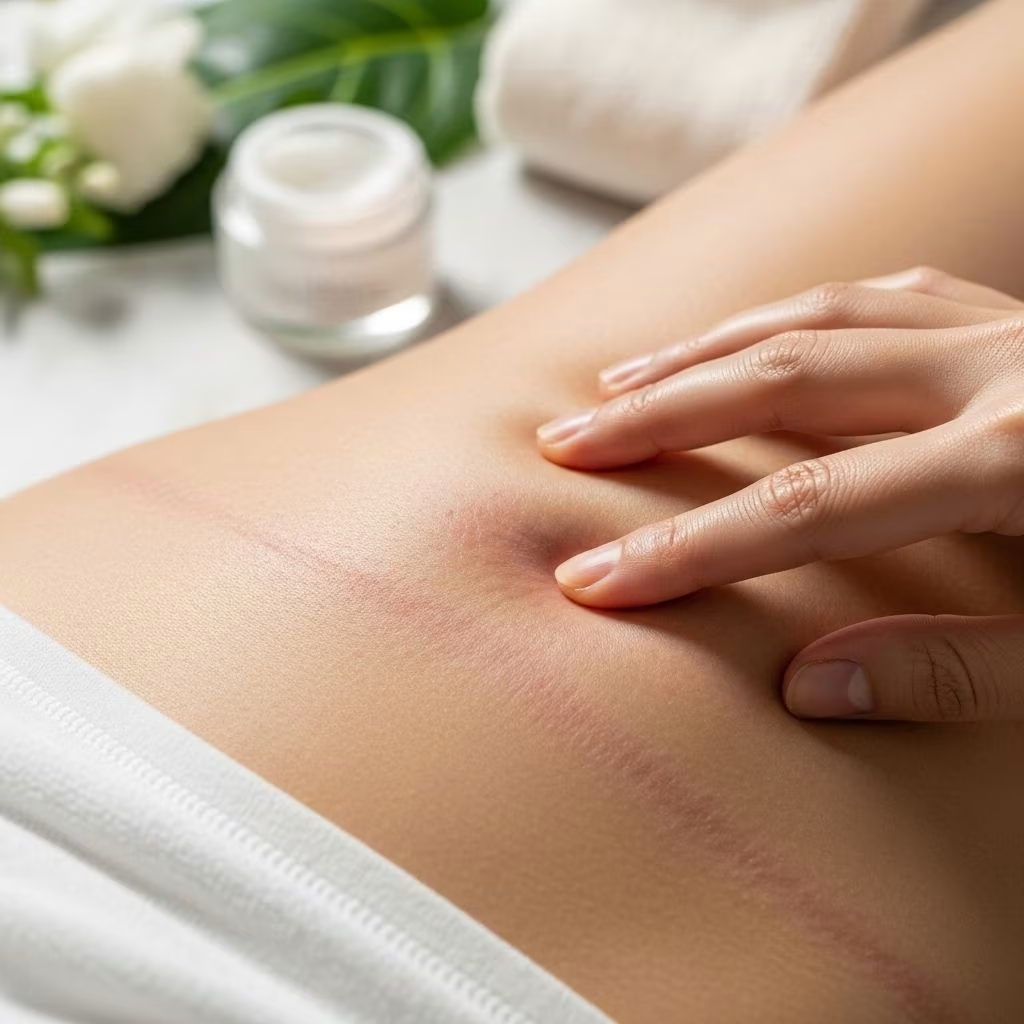
Stretch marks are a common skin concern that affects millions of people worldwide, but when they become itchy and inflamed, they can cause significant discomfort and distress. Whether you’re dealing with pregnancy-related stretch marks, rapid weight changes, or growth spurts, the combination of visible scarring and persistent itching can be particularly challenging to manage.
Understanding Stretch Marks and Why They Itch
Stretch marks, medically known as striae, occur when the skin stretches rapidly, causing the collagen and elastin fibers in the dermis to break. This creates the characteristic linear scarring that appears as red, purple, or white lines on the skin. While stretch marks themselves are permanent scars, the itching and inflammation associated with them can often be effectively managed and treated.
The Science Behind Itchy Stretch Marks
The itching sensation in stretch marks occurs due to several factors:
Inflammatory Response: As the skin stretches and tears occur in the dermis, the body initiates an inflammatory response to heal the damaged tissue. This inflammation can cause significant itching, redness, and discomfort.
Dry Skin: Stretched skin often becomes dehydrated and loses its natural moisture barrier, leading to dryness and subsequent itching.
Nerve Sensitivity: The healing process can make nerve endings more sensitive, contributing to the itchy sensation.
Hormonal Changes: During pregnancy, hormonal fluctuations can increase skin sensitivity and make stretch marks more prone to itching.
Causes of Stretch Mark Inflammation
Understanding what triggers inflammation in stretch marks is crucial for effective treatment. Several factors can contribute to increased irritation:
PUPPP During Pregnancy
Pruritic Urticarial Papules and Plaques of Pregnancy (PUPPP) is a condition that commonly affects pregnant women, causing intense itching in stretch mark areas. This condition typically develops in the third trimester and can make existing stretch marks extremely uncomfortable.
Environmental Factors
Exposure to harsh soaps, hot water, synthetic fabrics, and environmental irritants can exacerbate inflammation in stretch mark areas. The compromised skin barrier in these areas makes them more susceptible to external irritants.
Lifestyle Factors
Poor hydration, inadequate nutrition, excessive sun exposure, and mechanical irritation from tight clothing can all contribute to increased inflammation and itching in stretch mark areas.
Immediate Relief Strategies
When dealing with acutely itchy and inflamed stretch marks, immediate relief is often the top priority. Here are effective strategies to provide quick comfort:
Cool Compresses
Applying cool, damp cloths to inflamed areas can provide immediate relief from itching and reduce inflammation. The cooling effect helps numb the area temporarily and constricts blood vessels, reducing swelling.
Anti-Itch Topicals
Over-the-counter antihistamine creams or calamine lotion can provide temporary relief from itching. However, these should be used sparingly and according to package directions, especially during pregnancy.
Gentle Patting Instead of Scratching
Resist the urge to scratch inflamed stretch marks, as this can worsen inflammation and potentially lead to infection. Instead, gently pat the area or apply light pressure to satisfy the itch sensation without causing additional damage.
Natural Remedies for Itchy Stretch Marks
Natural remedies offer safe, effective options for managing itchy and inflamed stretch marks, particularly for pregnant women who need to be cautious about chemical exposure.
Cocoa Butter
Cocoa butter is renowned for its moisturizing properties and is particularly beneficial during pregnancy. Its thick, rich consistency provides deep hydration while creating a protective barrier on the skin. The natural compounds in cocoa butter also have anti-inflammatory properties that can help reduce irritation.
Coconut Oil and Vitamin E
Coconut oil contains natural anti-inflammatory and antimicrobial properties, making it excellent for soothing irritated skin. When combined with vitamin E, either from capsules or specialized creams, it can help repair damaged skin and reduce inflammation. These ingredients work synergistically to promote healing and provide lasting moisture.
Plant-Based Oils
Several plant-based oils offer excellent benefits for itchy stretch marks:
Sweet Almond Oil: Rich in vitamin E and essential fatty acids, sweet almond oil is easily absorbed and provides deep moisturization.
Olive Oil: Contains antioxidants and anti-inflammatory compounds that can help soothe irritated skin.
Jojoba Oil: Technically a wax ester, jojoba oil closely mimics the skin’s natural sebum and is ideal for those with oily skin types.
Shea Butter
Shea butter is exceptionally moisturizing and contains natural anti-inflammatory compounds. Its thick consistency makes it ideal for creating a protective barrier over stretch mark areas while providing deep hydration.
Professional Treatment Options
For severe inflammation or persistent itching that doesn’t respond to home remedies, professional treatments may be necessary.
Topical Corticosteroids
Dermatologists may prescribe mild topical corticosteroids for severe inflammation. These medications can effectively reduce inflammation and itching but should be used under medical supervision, as prolonged use can thin the skin and potentially worsen stretch marks.
Laser Therapy
Various laser treatments can help reduce the appearance of stretch marks while also addressing inflammation. Pulsed dye lasers and fractional lasers can stimulate collagen production and improve skin texture, potentially reducing associated itching.
Microneedling
This procedure involves creating microscopic wounds in the skin to stimulate natural healing responses. Microneedling can help improve the texture and appearance of stretch marks while potentially reducing inflammation.
Chemical Peels
Mild chemical peels can help remove damaged skin layers and promote the growth of healthier skin. This treatment may help reduce the appearance of stretch marks and associated inflammation.
Essential Skincare Routine for Inflamed Stretch Marks
Developing a consistent skincare routine is crucial for managing itchy, inflamed stretch marks effectively.
Morning Routine
Gentle Cleansing: Use lukewarm water and a mild, fragrance-free cleanser to avoid further irritation.
Hydration: Apply a hydrating serum or oil to damp skin to lock in moisture.
Moisturization: Follow with a rich, hypoallergenic moisturizer specifically formulated for sensitive skin.
Sun Protection: Apply broad-spectrum SPF 30 or higher to prevent further damage to stretch mark areas.
Evening Routine
Gentle Exfoliation: Use a soft cloth or gentle exfoliating scrub 2-3 times per week to remove dead skin cells and promote healing.
Treatment Application: Apply specialized stretch mark treatments or oils to the affected areas.
Massage: Gently massage the treatment into the skin using circular motions to improve absorption and circulation.
Overnight Protection: Apply a thick, occlusive moisturizer to provide overnight healing and hydration.
Key Ingredients to Look For
| Ingredient | Benefits | Best For |
|---|---|---|
| Hyaluronic Acid | Intense hydration, plumping effect | Dry, dehydrated stretch marks |
| Centella Asiatica | Anti-inflammatory, healing properties | Inflamed, irritated stretch marks |
| Ceramides | Barrier repair, moisture retention | Damaged skin barrier |
| Niacinamide | Anti-inflammatory, improves skin texture | Red, inflamed stretch marks |
| Peptides | Collagen stimulation, tissue repair | Mature stretch marks |
Prevention and Long-term Management
While treating existing itchy stretch marks is important, prevention and long-term management strategies can help minimize future issues.
Hydration is Key
Maintaining proper hydration both internally and externally is crucial. Drink plenty of water throughout the day and consistently apply moisturizing products to maintain skin elasticity and health.
Nutrition for Skin Health
A diet rich in vitamins C and E, zinc, and omega-3 fatty acids can support skin health and healing. These nutrients help maintain collagen production and support the skin’s natural repair processes.
Gradual Weight Changes
When possible, aim for gradual weight changes rather than rapid fluctuations. This gives the skin time to adapt and reduces the likelihood of developing new stretch marks.
Regular Massage
Incorporating regular massage into your routine can improve circulation, break up scar tissue, and maintain skin flexibility. Use oils or moisturizers during massage to prevent friction and provide additional benefits.
When to See a Doctor
While most itchy stretch marks can be managed at home, certain situations warrant professional medical attention:
Severe Inflammation: If stretch marks become severely inflamed, develop open wounds, or show signs of infection, seek medical attention immediately.
Persistent Itching: When itching persists despite consistent treatment and becomes unbearable or interferes with daily activities.
Pregnancy Complications: If you’re pregnant and experience severe itching in stretch mark areas, especially in the third trimester, consult your healthcare provider to rule out conditions like cholestasis of pregnancy.
Allergic Reactions: If you develop rashes, hives, or other allergic reactions to treatments, discontinue use and consult a healthcare professional.
Frequently Asked Questions
Q: How long does it take for itchy stretch marks to improve with treatment?
A: Improvement can be seen within days to weeks depending on the severity of inflammation and the treatment used. Consistency is key, and some treatments may take several weeks to show full effects.
Q: Are itchy stretch marks during pregnancy normal?
A: Yes, itchy stretch marks are very common during pregnancy due to rapid skin stretching and hormonal changes. However, severe itching should be evaluated by a healthcare provider.
Q: Can scratching make stretch marks worse?
A: Yes, scratching can worsen inflammation, potentially lead to infection, and may cause additional scarring or darkening of the stretch marks.
Q: What’s the difference between red and white stretch marks in terms of itching?
A: Red or purple stretch marks are newer and more likely to be itchy and inflamed. White or silver stretch marks are older and typically less prone to itching, though they can still become irritated.
Q: Is it safe to use anti-itch creams on stretch marks during pregnancy?
A: Many over-the-counter anti-itch creams are safe during pregnancy, but it’s always best to consult with your healthcare provider before using any new products while pregnant.
Q: Can professional treatments completely eliminate itchy stretch marks?
A: While professional treatments can significantly improve the appearance and symptoms of stretch marks, complete elimination is rare. However, many people experience substantial relief from itching and inflammation.
Managing itchy, inflamed stretch marks requires patience, consistency, and often a combination of approaches. By understanding the underlying causes, implementing effective treatment strategies, and maintaining proper skincare routines, most people can achieve significant relief from discomfort while improving the overall appearance of their stretch marks. Remember that everyone’s skin responds differently to treatments, so it may take time to find the most effective approach for your specific situation.
References
- https://www.healthline.com/health/itchy-stretch-marks
- https://www.mustelausa.com/blogs/mustela-mag/itchy-stretch-marks-treatment-prevention
- https://kinfertility.com.au/blog/itchy-stretch-marks
- https://www.aad.org/public/cosmetic/scars-stretch-marks/stretch-marks-why-appear
- https://my.clevelandclinic.org/health/diseases/10785-stretch-marks
- https://glamderm.com/stretch-marks-new-york/
- https://healthy.kaiserpermanente.org/health-wellness/health-encyclopedia/he.pregnancy-stretch-marks-itching-and-skin-changes.aa88316
- https://www.nhs.uk/conditions/stretch-marks/
- https://www.westlakedermatology.com/blog/stretch-mark-removal/


