


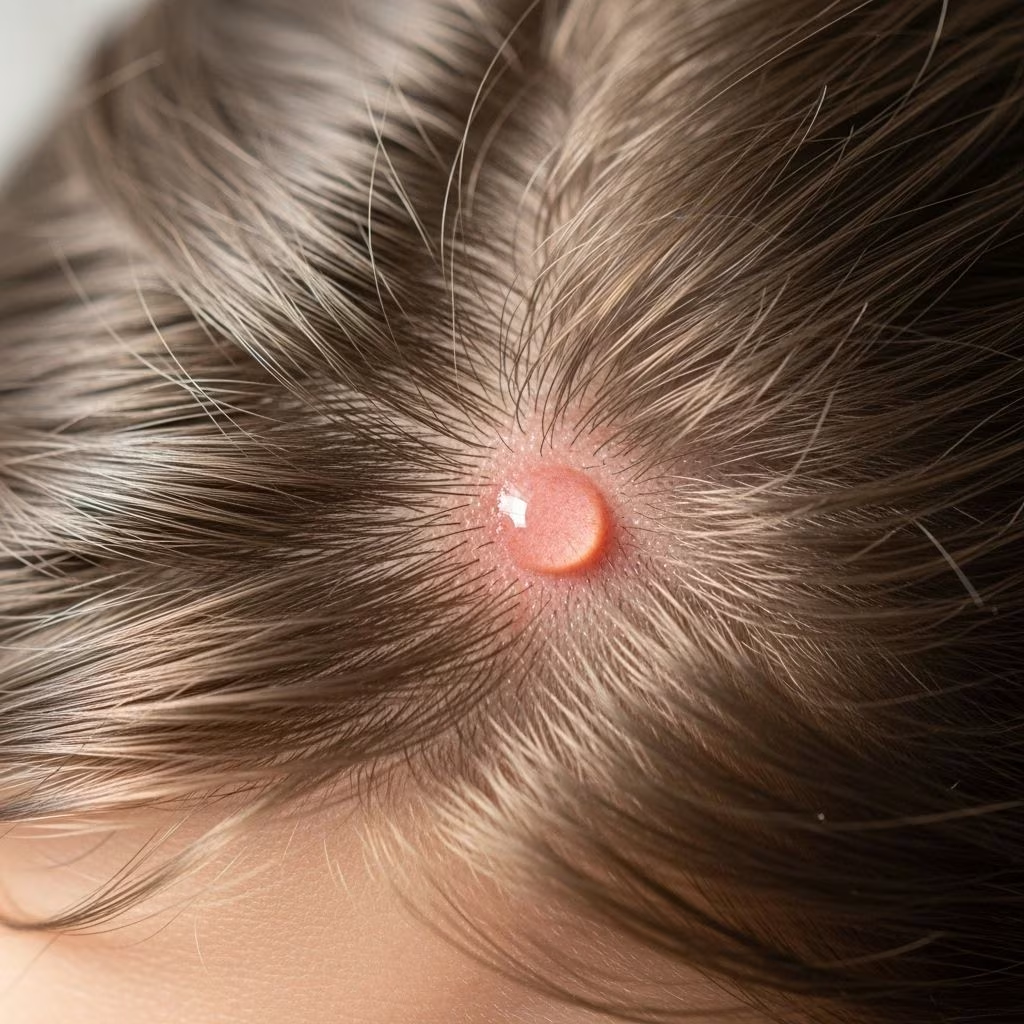
Experiencing scalp burning or tingling sensations in the absence of visible flakes or dandruff can be confusing and distressing. While flaky scalp conditions like dandruff are common and easily recognizable, a burning or tingling scalp without such clear signs often points to less obvious underlying causes. This guide provides an in-depth review of the possible origins, diagnostic strategies, management options, and preventative measures for a tingle-prone or burning scalp without flakes.
Introduction
Noticing a sudden burning or tingling sensation on your scalp without any flakes or dandruff can be alarming. While it’s natural to associate scalp discomfort with dryness or excessive oil, there are many other triggers that may be responsible even if your scalp appears normal and free of visible scale. Understanding the potential causes is essential for effective troubleshooting, targeted treatment, and prevention.
Common Causes of Scalp Burns and Tingles Without Flakes
Several medical and environmental factors can irritate the scalp nerves or skin without resulting in flakiness. Here are the leading culprits to consider:
1. Skin and Product Irritation
- Harsh chemicals in hair dyes, bleaches, or straighteners can directly irritate the scalp.
- Shampoos and styling products with fragrances, sulfates, or other allergens may lead to tingling, especially if they’re not rinsed thoroughly.
Common symptoms: Burning, tingling, mild redness, without visible flakes. - Environmental exposure including pollution, irritating metals (from hair accessories), or water (hard water/minerals).
2. Sunburn
The scalp—particularly parts or thinning areas—can suffer UV damage even if densely covered with hair. Sunburn can manifest as redness, soreness, tingling, or burning, without peeling skin or dandruff-like flakes.
3. Nerve-related Causes (Scalp Neuropathy)
- Peripheral neuropathy, or nerve damage in the scalp, can produce burning or tingling sensations, sometimes described as ‘pins and needles’.
- This may be a result of pressure, neck injury, or as part of systemic diseases such as diabetes or multiple sclerosis.
4. Hormonal Changes
Fluctuations during menstruation, pregnancy, menopause, or even significant life stress can alter scalp sensitivity, sometimes leading to burning or tingling but without flakes or visible scalp changes.
5. Allergic or Irritant Contact Dermatitis
- Allergic reactions to ingredients in hair products, metals (from jewelry or hair tools), or laundry detergents can cause scalp discomfort, burning, or tingling.
- Not all forms of dermatitis cause visible flakes or rashes; some only present with a burning or prickly sensation.
6. Folliculitis (Without Flakes)
Mild or early folliculitis can start as tingling or burning, especially if only a few follicles are affected or before pustules or red bumps become apparent.
7. Temporal Arteritis
- Temporal arteritis is an inflammation of the arteries of the scalp, leading to discomfort, burning, or tingling pain, sometimes without visible rash or flaking.
- Usually affects older adults and is accompanied by headache, fever, or muscle stiffness.
8. Psychological Triggers
- Anxiety or chronic stress can trigger a sensation of scalp burning or tingling, sometimes in the absence of any visible physical signs.
- Psychosomatic symptoms are real sensations produced by the nervous system in response to mental or emotional factors.
9. Rare Causes
- Other less common triggers include side effects from medications, autoimmune conditions, hormonal imbalances (such as thyroid dysfunction), or viral/bacterial infections even without flakes.
| Possible Cause | With Flakes | Without Flakes |
|---|---|---|
| Dandruff (Seborrheic dermatitis) | Yes | Rarely |
| Contact dermatitis | Sometimes | Common |
| Sunburn | Rarely | Common |
| Nerve-related (neuropathy) | No | Common |
| Hormonal changes | Rarely | Yes |
| Stress/anxiety | No | Yes |
| Psoriasis | Common | Rarely |
| Folliculitis | Sometimes | Yes (early) |
How to Diagnose the Root Cause
Pinpointing why you’re experiencing scalp burning or tingling without flakes requires systematic evaluation. Consider the following steps for accurate self-assessment or to share with your healthcare provider:
- Track triggers: Note when the sensation started, recent changes in products, or exposure to irritants.
- Review symptoms: Is there redness, swelling, bumps, pain, or just tingling/burning? Is it constant or episodic?
- Check for accompanying symptoms: Such as headache, muscle ache, fever, hair loss, or sensitivity in other body areas.
- Medical history: Consider chronic illnesses (e.g., diabetes, autoimmune diseases), drug reactions, or periods of psychological stress.
- Try patch testing: If you suspect a product or ingredient, stop all non-essential hair/scalp products and reintroduce one at a time.
- Seek dermatological assessment: If symptoms persist more than a few days, or if you develop additional signs (pain, sores, hair loss, or systemic symptoms), consult a dermatologist, trichologist, or primary care provider.
Management and Treatment Strategies
Once likely triggers are identified, you can take steps to relieve scalp burning or tingling. The best approach depends on the root cause but may include:
1. Discontinue Irritating Products
- Switch to fragrance-free, hypoallergenic shampoos.
- Avoid or minimize use of dyes, bleaches, harsh styling products, or heat styling.
- Thoroughly rinse hair after every wash.
2. Soothe Sunburn
- Apply cool compresses or gentle aloe vera gel (ensure it’s alcohol-free and fragrance-free).
- Avoid further sun exposure by covering your scalp with a hat or scarf until healed.
3. Address Neuropathic Pain
- Consult a physician for persistent tingling, burning, or nerve pain, especially if other nerves appear affected.
- Medications such as topical lidocaine patches, gabapentin, or anticonvulsants may be recommended in case of nerve issues.
4. Alleviate Allergic or Dermatitis Symptoms
- Try over-the-counter antihistamines if allergy is suspected.
- Use topical corticosteroids for brief periods, as directed by a physician.
5. Treat Folliculitis or Infection
- If folliculitis is suspected, use gentle cleansing routines.
- Your doctor may prescribe topical or oral antibiotics/antifungals for infection.
6. Manage Stress and Hormonal Triggers
- Practice stress reduction techniques such as yoga, mindfulness, or moderate exercise.
- Maintain a healthy sleep schedule, and consider counseling or support when psychological stress is high.
7. General Soothing Techniques
- Cool water rinses can temporarily ease burning or tingling.
- Avoid scratching, as this can worsen nerve irritation or risk infection.
- Moisturize the scalp gently, as dryness can exacerbate sensations.
8. Professional Medical Therapies
- Severe or persistent cases may require prescription medications (topical or systemic corticosteroids, immunosuppressants, or nerve pain relievers).
- Chronic or refractory cases may benefit from specialized treatments such as laser therapy, photodynamic therapy, or customized trichology care.
Prevention Tips: How to Protect Your Scalp
- Patch test any new hair product before full application.
- Minimize exposure to intense sunlight; use hats or apply scalp-safe SPF when outdoors.
- Limit use of chemical treatments or heat tools to reduce irritation risk.
- Avoid tight hairstyles or accessories that put pressure on, or irritate, the scalp.
- Manage stress proactively to reduce neurologically mediated burning or tingling.
- Maintain scalp hygiene with gentle, non-allergenic cleansers.
When to See a Doctor
- Symptoms lasting more than 7 days despite home care.
- Severe pain, open sores, blisters, or sudden hair loss develop.
- Burning or tingling is accompanied by headaches, fever, vision changes, or other systemic symptoms.
- Previous history of neurological or autoimmune disorders.
- Uncertainty about the diagnosis, or concern about potential infection or underlying medical conditions.
Frequently Asked Questions (FAQs)
Q: Why does my scalp tingle or burn, but I don’t see dandruff or flakes?
A: Several causes—such as product irritation, sun exposure, nerve sensitivity, hormonal shifts, or psychological stress—can lead to burning or tingling of the scalp without causing visible scale or dandruff. Skin or nerve irritation doesn’t always trigger flaking, especially with less severe or early-stage irritation.
Q: What shampoos are best for a tingly, burning scalp without flakes?
A: Opt for fragrance-free, hypoallergenic shampoos without sulfates, parabens, or heavy detergents. Avoid medicated or anti-dandruff shampoos unless prescribed, as some can be too harsh for sensitive skin.
Q: Is scalp tingling a sign of hair loss or balding?
A: Not necessarily; while some hair disorders (like telogen effluvium or certain inflammatory types) can begin with tingling, most scalp tingling is unrelated to permanent hair loss. Consult a specialist if you notice increased shedding or bald patches.
Q: Can mental stress really cause a burning or tingling scalp?
A: Yes, psychological stress or anxiety can heighten nerve sensitivity, leading to real symptoms like tingling or burning even in the absence of visible scalp disease.
Q: When should I worry about these symptoms?
A: Seek medical attention if your scalp symptoms are accompanied by pain, sores, hair loss, fever, headache, vision changes, or last longer than a week without improvement.
Conclusion
Experiencing a burning or tingling scalp without flakes can be concerning but is often caused by irritants, nerve sensitivity, sunburn, hormonal changes, or mild inflammations. Careful self-assessment and attention to triggers help with effective troubleshooting. When in doubt, or if symptoms persist or worsen, consult a healthcare provider to prevent complications and restore comfort to your scalp.
References
- https://www.tuasaude.com/en/scalp-tingling/
- https://www.healthline.com/health/tingling-scalp
- https://hellojupiter.com/blogs/news/my-scalp-feels-like-its-burning-how-to-find-relief
- https://www.aad.org/public/everyday-care/itchy-skin/itch-relief/relieve-scalp-itch
- https://www.medicalnewstoday.com/articles/325802
- https://www.arlingtondermatology.net/2021/05/27/10-reasons-your-scalp-itches-and-how-to-get-relief/
- https://lucidaclinical.com/blogs/what-is-scalp-dysesthesia/
- https://wimpoleclinic.com/blog/burning-scalp-hair-loss-causes-diagnosis-treatment/
- https://int.eucerin.com/skin-concerns/scalp-and-hair-problems/sensitive-and-irritated-scalp


