


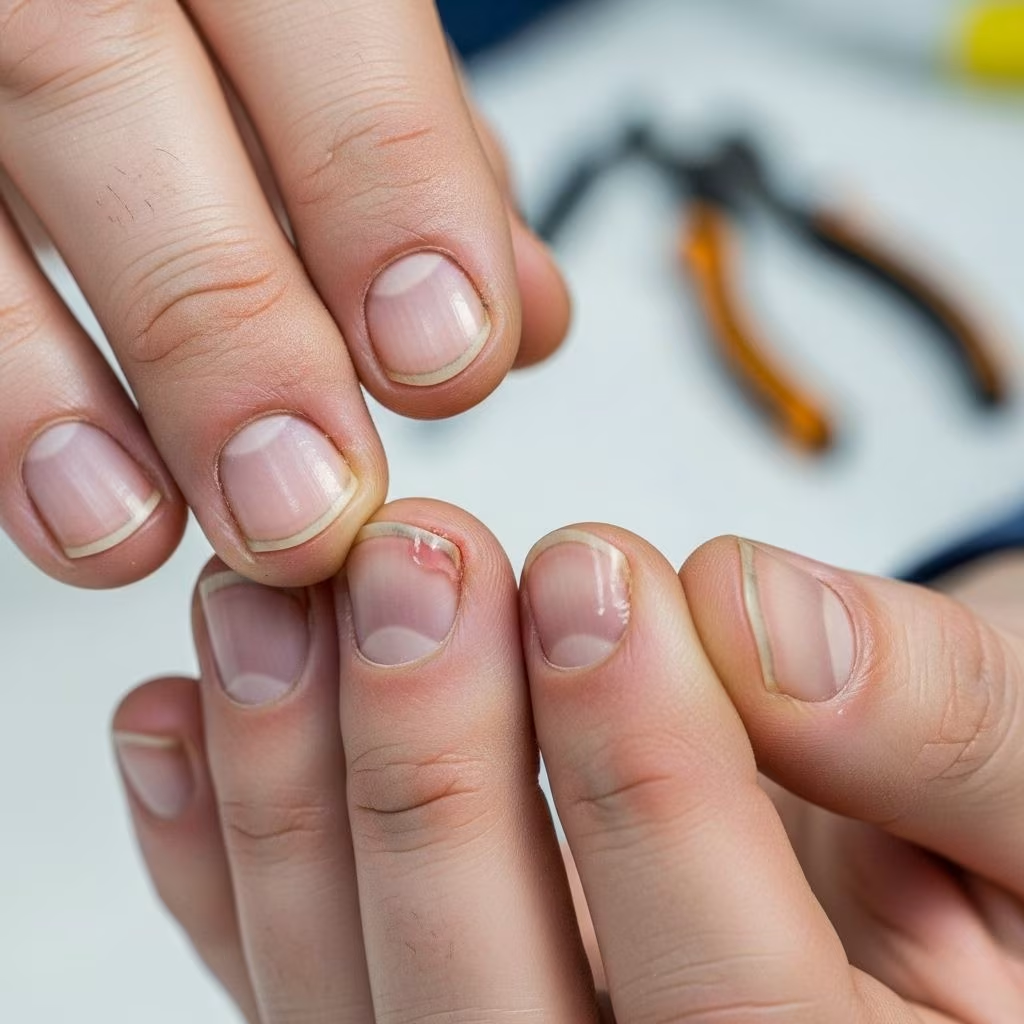
Chronic paronychia represents a significant occupational health challenge for workers in hands-on professions. This inflammatory condition affecting the nail folds can severely impact productivity, comfort, and quality of life for individuals whose livelihoods depend on manual dexterity and frequent hand use. Understanding the unique challenges faced by these professionals and implementing targeted management strategies is essential for maintaining both occupational health and career sustainability.
Understanding Chronic Paronychia
Chronic paronychia is a persistent inflammatory disorder affecting the proximal nail fold, characterized by redness, swelling, tenderness, and often the absence of a normal protective cuticle. Unlike acute paronychia, which typically results from bacterial infection, chronic paronychia is primarily an eczematous condition caused by repeated exposure to irritants and allergens that disrupt the natural protective barrier of the nail fold.
The condition develops through a cycle of inflammation and barrier disruption. When the cuticle is damaged or destroyed, the protective seal between the nail plate and the proximal nail fold is compromised, allowing irritants, allergens, and moisture to penetrate the nail groove. This exposure triggers an inflammatory response that further damages the tissue, creating a self-perpetuating cycle of irritation and inflammation.
For professionals whose work involves frequent hand exposure to chemicals, moisture, or physical trauma, this cycle can be particularly difficult to break. The constant re-exposure to occupational irritants prevents natural healing and often leads to chronic, recalcitrant cases that require comprehensive management strategies.
High-Risk Professions and Occupational Exposure
Certain professions carry a significantly higher risk of developing chronic paronychia due to the nature of their work activities and environmental exposures. Understanding these risk factors is crucial for implementing targeted prevention strategies.
Healthcare Workers
Healthcare professionals, including nurses, physicians, and medical assistants, face multiple risk factors for chronic paronychia. Frequent handwashing with antimicrobial soaps, repeated use of alcohol-based hand sanitizers, and regular exposure to medical chemicals can severely compromise the nail fold barrier. The requirement for frequent glove changes and the potential for latex or nitrile sensitivity further compound the risk.
Food Service and Culinary Professionals
Chefs, bakers, dishwashers, and other food service workers experience prolonged exposure to hot water, detergents, and food acids. The combination of thermal damage from hot water, chemical irritation from cleaning agents, and the constant wet-dry cycle creates optimal conditions for chronic paronychia development. Bakers are particularly susceptible due to exposure to flour allergens and frequent hand washing.
Cleaning and Janitorial Staff
Professional cleaners encounter a wide array of chemical irritants, including acids, alkalis, disinfectants, and solvents. The frequent use of cleaning solutions without adequate protection, combined with the mechanical trauma from scrubbing activities, places these workers at extremely high risk for developing chronic nail fold inflammation.
Hairdressers and Cosmetologists
Beauty professionals are exposed to numerous chemical allergens and irritants, including hair dyes, permanent wave solutions, bleaches, and nail products. The frequent hand washing required between clients, combined with exposure to these chemicals, creates a perfect storm for chronic paronychia development.
Mechanics and Industrial Workers
Automotive technicians, machine operators, and other industrial workers face exposure to oils, solvents, coolants, and abrasive materials. The combination of chemical exposure and mechanical trauma from tools and equipment significantly increases the risk of nail fold damage and subsequent chronic inflammation.
Pathophysiology in Workplace Settings
The development of chronic paronychia in occupational settings follows a predictable pathophysiological pathway that begins with barrier disruption and progresses through stages of inflammation, secondary infection risk, and tissue remodeling.
The initial trigger is typically the disruption of the cuticle and proximal nail fold barrier through physical trauma, chemical exposure, or excessive moisture. In workplace settings, this disruption often occurs through repetitive activities such as frequent handwashing, exposure to harsh chemicals, or mechanical trauma from tools and equipment.
Once the barrier is compromised, the exposed nail groove becomes susceptible to irritant penetration. Common workplace irritants include detergents, solvents, acids, alkalis, and various industrial chemicals. These substances trigger an inflammatory cascade that leads to vasodilation, increased vascular permeability, and inflammatory cell infiltration.
The inflammatory response causes the characteristic signs of chronic paronychia: erythema, edema, tenderness, and loss of the normal cuticle architecture. As the condition persists, fibrosis develops in the proximal nail fold, further compromising the natural protective barrier and perpetuating the cycle of inflammation.
Secondary colonization with Candida species may occur, but recent research indicates that this represents opportunistic colonization rather than a primary pathogenic process. The focus of treatment has therefore shifted from antifungal therapy to anti-inflammatory approaches and barrier restoration.
Clinical Presentation and Diagnosis
Chronic paronychia in occupational settings typically presents with a constellation of signs and symptoms that develop gradually over weeks to months. The condition is characterized by persistent inflammation of the proximal nail fold lasting at least six weeks, distinguishing it from acute paronychia.
The primary clinical features include erythema and swelling of the proximal nail fold, tenderness to touch, and the notable absence of a normal cuticle. The nail fold may appear thickened and indurated due to chronic inflammation and fibrosis. In many cases, multiple digits are affected, reflecting the widespread nature of occupational exposure.
Nail plate changes are common and may include transverse ridging (Beau’s lines), nail plate thickening, discoloration, and irregular growth patterns. These changes result from disruption of the nail matrix due to chronic inflammation of the adjacent tissues.
In some cases, patients may experience intermittent drainage of serous or purulent material from the nail fold, particularly during acute exacerbations. However, the presence of frank pus should raise suspicion for secondary bacterial infection requiring additional antimicrobial treatment.
The diagnosis is primarily clinical, based on the characteristic appearance, duration of symptoms, and history of occupational exposure. Differential diagnosis should consider other nail fold conditions such as acute paronychia, periungual warts, squamous cell carcinoma (particularly in cases involving a single digit), and drug-induced nail changes.
Prevention Strategies for Hands-On Workers
Prevention remains the cornerstone of managing chronic paronychia in occupational settings. A comprehensive prevention strategy must address both workplace modifications and individual protective measures.
Personal Protective Equipment
Proper selection and use of gloves is fundamental to prevention. Workers should use appropriate gloves for their specific exposures, with nitrile gloves generally preferred over latex due to lower allergenicity. Double gloving may be necessary for high-risk exposures, and gloves should be changed regularly to prevent prolonged moisture exposure.
For situations requiring fine motor skills where thick gloves are impractical, thin nitrile gloves can provide some protection while maintaining dexterity. Workers should be trained on proper glove selection, application, and removal techniques to maximize protection while minimizing skin irritation.
Hand Hygiene Modifications
While maintaining appropriate hygiene standards, modifications to hand washing practices can significantly reduce the risk of chronic paronychia. Using lukewarm rather than hot water reduces thermal damage to the nail folds. Gentle, fragrance-free cleansers should replace harsh soaps when possible.
The frequency and duration of hand washing should be optimized to balance infection control requirements with skin protection. When frequent cleaning is necessary, alcohol-based hand sanitizers may be less damaging than repeated washing, though they should be used judiciously to avoid over-drying.
Moisturization and Barrier Protection
Regular application of appropriate moisturizers and barrier creams is essential for maintaining nail fold integrity. Heavy-duty barrier creams should be applied before work shifts, particularly in high-exposure environments. Moisturizers should be reapplied throughout the workday, especially after hand washing or glove removal.
Products containing ceramides, petrolatum, or dimethicone are particularly effective at maintaining barrier function. For workers with sensitive skin, fragrance-free and hypoallergenic formulations are preferred.
Workplace Environmental Controls
Engineering controls to reduce exposure should be implemented wherever possible. This may include improved ventilation systems, enclosed processes for chemical handling, and automated systems that reduce direct worker contact with irritants.
Provision of appropriate washing facilities with lukewarm water, gentle cleansers, and adequate drying facilities is essential. Hand dryers should provide gentle airflow rather than heated air when possible.
Treatment Approaches and Management
The treatment of chronic paronychia in occupational settings requires a multi-modal approach addressing inflammation control, barrier restoration, and occupational modifications. The treatment strategy should be tailored to the severity of the condition and the specific occupational exposures involved.
Topical Anti-inflammatory Therapy
Topical corticosteroids represent the first-line treatment for chronic paronychia. Medium-potency topical steroids such as betamethasone valerate or triamcinolone acetonide are typically effective for initial treatment. The medication should be applied twice daily to the affected nail folds, with careful attention to avoiding application under nail plates where maceration might occur.
For workers who cannot tolerate corticosteroids or require long-term treatment, topical calcineurin inhibitors such as tacrolimus 0.1% ointment offer an effective alternative. These agents have demonstrated superior efficacy to corticosteroids in some studies and carry less risk of skin atrophy with prolonged use.
Systemic Therapy
In severe or extensive cases, systemic anti-inflammatory therapy may be necessary. Oral corticosteroids can provide rapid improvement but should be used judiciously due to systemic side effects. A short course of prednisolone 20-40mg daily for 1-2 weeks may be appropriate for acute exacerbations.
For cases associated with specific occupational exposures such as chemotherapy agents or targeted cancer therapies, doxycycline has shown efficacy and may be considered as adjunctive therapy.
Barrier Restoration
Restoration of the natural protective barrier is crucial for long-term success. This involves both topical treatments and protection from further exposure. Thick emollients or barrier repair creams should be applied regularly, particularly after work and before sleep.
In some cases, temporary work modifications may be necessary to allow adequate healing. This might involve temporary reassignment to duties with less hand exposure or modification of specific work practices.
Surgical Intervention
For refractory cases that do not respond to conservative management, surgical intervention may be necessary. The Swiss roll technique, involving partial nail plate removal and drainage, may be appropriate for acute exacerbations with significant fluid collection.
More extensive procedures such as eponychial marsupialization or en bloc excision of the proximal nail fold may be considered for chronic, recalcitrant cases. These procedures should be performed by experienced practitioners and require appropriate post-operative care and work restrictions.
Workplace Modifications and Accommodations
Successful management of chronic paronychia often requires workplace modifications to reduce ongoing exposure and prevent recurrence. These modifications should be developed collaboratively between the worker, healthcare provider, and employer to ensure both medical needs and operational requirements are met.
Job Task Modifications
Temporary or permanent modifications to specific job tasks can significantly reduce exposure to triggering factors. This might involve reassignment from wet work to dry tasks, reduction in chemical handling responsibilities, or modification of cleaning protocols to use less irritating products.
For healthcare workers, this might include modified hand hygiene protocols with increased use of alcohol-based sanitizers rather than frequent washing, or assignment to roles with less frequent patient contact during acute treatment phases.
Schedule Modifications
Adjustment of work schedules to allow for treatment application and healing time can improve treatment outcomes. This might involve modified shift patterns, additional break time for hand care, or temporary reduction in hours during acute treatment phases.
Equipment and Process Changes
Implementation of tools and processes that reduce direct hand contact with irritants can provide long-term benefits. This might include automated dispensing systems, improved tool design, or process modifications that reduce the need for frequent hand washing.
Long-Term Management and Follow-Up
Chronic paronychia in occupational settings requires ongoing management and surveillance to prevent recurrence and ensure optimal occupational health outcomes. A comprehensive long-term management plan should address medical follow-up, ongoing prevention strategies, and occupational health monitoring.
Regular medical follow-up is essential to monitor treatment response and adjust therapy as needed. Initial follow-up should occur within 2-4 weeks of starting treatment, with subsequent visits based on response and severity. Patients should be educated to recognize early signs of recurrence and seek prompt treatment.
Ongoing prevention strategies must be maintained indefinitely for workers in high-risk occupations. This includes continued use of appropriate protective equipment, maintenance of hand care routines, and vigilance for new workplace exposures that might trigger recurrence.
Occupational health surveillance should include regular assessment of workplace exposures, evaluation of protective equipment effectiveness, and monitoring for new cases among similarly exposed workers. This information can guide ongoing prevention efforts and workplace modifications.
Case Studies from Different Professions
Case Study 1: Healthcare Worker
A 34-year-old intensive care nurse developed chronic paronychia affecting four fingernails after increased hand hygiene requirements during a infectious disease outbreak. Initial treatment with antifungal agents was ineffective. Successful management included topical tacrolimus 0.1% ointment, modified hand hygiene protocols emphasizing alcohol-based sanitizers over frequent washing, and regular use of barrier cream. Complete resolution occurred within 8 weeks with no recurrence at 12-month follow-up.
Case Study 2: Professional Chef
A 42-year-old executive chef presented with bilateral chronic paronychia involving multiple digits, developed over 6 months of increased kitchen duties. Treatment included topical betamethasone valerate, modification of dishwashing duties, use of vinyl gloves during food preparation, and implementation of a comprehensive hand care routine. Significant improvement was noted within 4 weeks, with complete healing by 10 weeks.
Case Study 3: Automotive Mechanic
A 28-year-old automotive technician developed chronic paronychia after switching to a new coolant system requiring frequent hand contact. Management included identification and replacement of the irritating coolant, use of nitrile gloves for all fluid handling, topical corticosteroid therapy, and barrier cream application. Resolution occurred within 6 weeks with implementation of improved workplace practices.
Frequently Asked Questions
Q: How long does it take for chronic paronychia to heal in workers?
A: Healing time varies depending on the severity of the condition and the ability to modify workplace exposures. With appropriate treatment and exposure reduction, most cases improve within 4-8 weeks, though complete healing may take 3-6 months. Ongoing occupational exposure can significantly prolong healing time.
Q: Can I continue working while treating chronic paronychia?
A: Most workers can continue their duties with appropriate modifications and protective measures. However, some cases may require temporary work restrictions or job modifications during the acute treatment phase. Consult with your healthcare provider and occupational health team to determine appropriate accommodations.
Q: Are certain glove materials better for preventing chronic paronychia?
A: Nitrile gloves are generally preferred over latex due to lower allergenicity and better chemical resistance. However, the best glove choice depends on your specific workplace exposures. Consult with your safety officer to select appropriate gloves for your work environment.
Q: Will chronic paronychia recur if I continue in my profession?
A: Recurrence is possible if workplace exposures continue unchanged. However, with appropriate prevention strategies, protective equipment use, and ongoing hand care, many workers can continue in their professions without recurrence. Long-term success requires commitment to preventive measures.
Q: When should I consider changing jobs due to chronic paronychia?
A: Job change should be considered only if the condition is severe, recurrent despite optimal treatment and workplace modifications, and significantly impacts your quality of life or ability to perform essential job functions. Most cases can be successfully managed with appropriate modifications and treatment.
Q: Can workplace modifications prevent chronic paronychia in my coworkers?
A: Yes, implementing workplace modifications can significantly reduce the risk for all workers. Share successful prevention strategies with your employer and safety team to help protect your colleagues and improve overall workplace health.
References
- https://pmc.ncbi.nlm.nih.gov/articles/PMC3884921/
- https://www.aafp.org/pubs/afp/issues/2017/0701/p44.html
- https://www.skinhealthinfo.org.uk/condition/chronic-paronychia/
- https://www.merckmanuals.com/professional/dermatologic-disorders/nail-disorders/chronic-paronychia
- https://www.aafp.org/pubs/afp/issues/2001/0315/p1113.html
- https://sussexcds.co.uk/patient-information/chronic-paronychia/
- https://dermnetnz.org/topics/paronychia
- https://familydoctor.org/condition/paronychia/


