


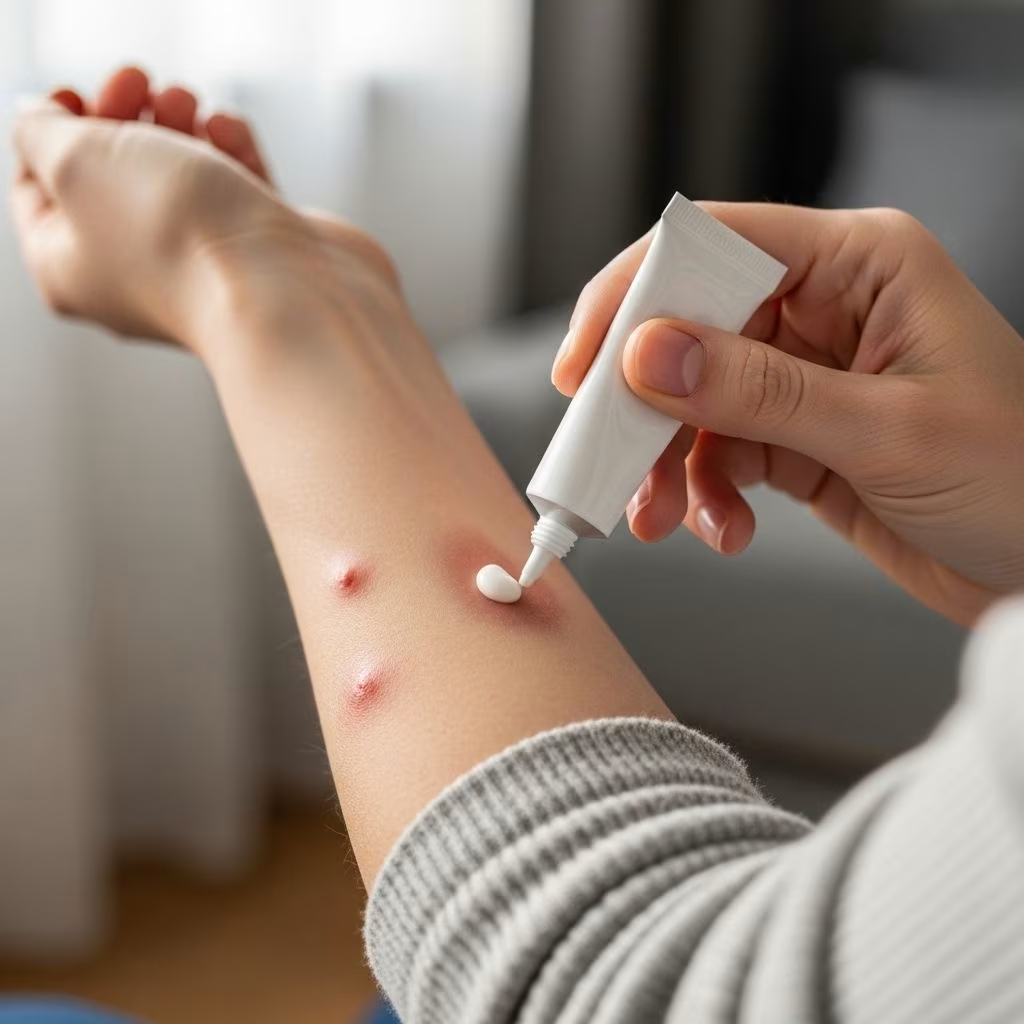
Introduction: The Weekend Hive Phenomenon
You’ve made it through another demanding work week, and as Friday evening arrives, you’re looking forward to unwinding and relaxing. But instead of peaceful weekends, you find yourself dealing with an unexpected and frustrating problem: itchy, raised welts appearing on your skin. If this sounds familiar, you might be experiencing what many professionals are discovering – hives that mysteriously appear only on weekends, directly linked to work-related stress.
This peculiar pattern isn’t as uncommon as you might think. The phenomenon of weekend-only hives represents a unique manifestation of how chronic workplace stress can affect our bodies in unexpected ways. Understanding this connection is crucial for both addressing the immediate discomfort and tackling the underlying occupational health issues that may be impacting your overall well-being.
Understanding Stress Hives: The Mind-Skin Connection
Stress hives, medically known as stress-induced urticaria, are raised, itchy welts that appear on the skin during periods of emotional or mental strain. These aren’t simply imagined symptoms – they represent a real physiological response to psychological stress. About 20% of people will experience hives at some point in their lives, with women being disproportionately affected compared to men.
The Medical Foundation
When we experience stress, our body initiates a complex cascade of reactions involving the hypothalamic-pituitary-adrenal (HPA) axis. This system releases stress hormones like cortisol and adrenaline, which, while helpful for short-term challenges, can significantly impact our immune system when activated chronically. The result is often inflammation throughout the body, including the skin.
The primary mechanism behind stress hives involves the release of histamine, a chemical produced by the immune system. Under normal circumstances, histamine helps fight off perceived threats, but during stress, this response becomes overactive. The flooding of histamine in the skin leads to the characteristic redness, swelling, and intense itching associated with hives.
Distinguishing Stress Hives from Other Conditions
It’s important to differentiate stress hives from other skin conditions that might appear similar:
- Eczema: Presents as dry, flaky patches rather than raised welts
- Allergic reactions: Usually linked to specific triggers like foods or medications
- Heat rash: Typically occurs in areas prone to sweating
- Contact dermatitis: Results from direct skin contact with irritants
The Work-Related Stress Connection
Modern workplaces are increasingly recognized as significant sources of chronic stress. The demands of contemporary professional life – tight deadlines, heavy workloads, difficult colleagues, job insecurity, and the pressure to constantly perform – create a perfect storm for stress-related health issues, including skin problems.
Work-related stress differs from acute stress in that it tends to be persistent and ongoing. Unlike a single stressful event that triggers an immediate response and then resolves, occupational stress often builds up over days, weeks, or even months. This chronic activation of the stress response system can lead to various physical manifestations, with hives being one of the more visible and distressing symptoms.
Common Workplace Stressors
Several workplace factors commonly contribute to the development of stress hives:
- Excessive workload: Consistently having more tasks than can reasonably be completed
- Time pressure: Unrealistic deadlines and constant urgency
- Interpersonal conflicts: Difficult relationships with supervisors or colleagues
- Lack of control: Limited autonomy over work processes or decision-making
- Job insecurity: Fear of layoffs or career instability
- Poor work-life balance: Inability to disconnect from work responsibilities
Why Hives Appear Only on Weekends
The timing of weekend-only hives might seem counterintuitive at first – shouldn’t symptoms appear during the most stressful times rather than during periods of rest? However, this pattern actually makes perfect sense when we understand how the body processes and responds to chronic stress.
The Delayed Stress Response
During the work week, your body is in a constant state of heightened alertness, producing stress hormones and maintaining elevated cortisol levels. This chronic activation can actually suppress certain immune responses, including the immediate manifestation of hives. It’s only when you finally begin to relax and your stress hormone levels start to normalize that your immune system has the opportunity to react to the accumulated stress.
Think of it as your body finally having permission to show you how much stress it has been under. The weekend provides the first real opportunity for your nervous system to shift from the sympathetic (fight-or-flight) response to the parasympathetic (rest-and-digest) response, and this transition can trigger the release of stored tension, including the development of hives.
The Anticipatory Stress Factor
Another factor contributing to weekend hives is anticipatory stress about the upcoming work week. As Sunday approaches, many people begin to experience anxiety about returning to work, which can trigger stress responses even during their time off. This phenomenon, sometimes called the “Sunday scaries,” can be particularly intense for those dealing with workplace-related stress.
Identifying Workplace Triggers
To effectively address weekend hives, it’s crucial to identify specific workplace triggers that might be contributing to your stress levels. This requires honest self-reflection and careful observation of patterns in your work environment and personal responses.
Keeping a Stress and Symptom Diary
One of the most effective ways to identify triggers is to maintain a detailed diary that tracks both your stress levels throughout the week and the appearance of hives. Record information such as:
- Daily stress levels (on a scale of 1-10)
- Specific stressful events or interactions
- Sleep quality and duration
- Weekend hive occurrences (timing, severity, location)
- Any medications or treatments used
Common Professional Scenarios
Certain workplace situations are particularly likely to contribute to weekend hive development:
| Trigger Category | Examples | Stress Impact |
|---|---|---|
| Workload Management | Unrealistic deadlines, excessive overtime, impossible task volumes | High cortisol production, chronic activation |
| Interpersonal Issues | Bullying, micromanagement, toxic team dynamics | Emotional stress, anxiety responses |
| Job Security | Layoff rumors, performance reviews, company instability | Anticipatory anxiety, sleep disruption |
| Work Environment | Open offices, constant interruptions, poor ergonomics | Sensory overload, physical tension |
Recognizing Weekend Hive Symptoms
Weekend hives typically present with characteristic symptoms that distinguish them from other skin conditions. Understanding these symptoms can help you recognize the condition early and take appropriate action.
Physical Manifestations
Stress hives appearing on weekends typically show up as raised welts that are reddish on lighter skin tones and may appear darker on darker skin tones. These welts can range from tiny pinpoint spots to large areas the size of a dinner plate. When pressed, the center of the hive will turn lighter, which is a distinguishing characteristic of true hives.
The most common locations for weekend stress hives include the face, neck, chest, and arms, though they can appear anywhere on the body. The itching associated with these hives can range from mild to severe and may be accompanied by a burning or stinging sensation.
Timing and Duration Patterns
Weekend hives often follow predictable patterns:
- Friday Evening Onset: Symptoms may begin appearing as early as Friday evening as work stress begins to subside
- Saturday Peak: Hives often reach their most severe point on Saturday
- Sunday Continuation: Symptoms may persist through Sunday, sometimes intensifying as Monday approaches
- Monday Resolution: Paradoxically, hives often begin to fade as the work week resumes
The Science Behind Work-Related Hives
Understanding the physiological mechanisms behind work-related weekend hives can help you better appreciate why this phenomenon occurs and guide treatment approaches.
The Stress Response System
When faced with workplace stress, your body activates the hypothalamic-pituitary-adrenal (HPA) axis. This system releases a cascade of hormones, including corticotropin-releasing hormone (CRH), adrenocorticotropic hormone (ACTH), and ultimately cortisol. While this response is designed to help you cope with immediate threats, chronic activation can lead to immune system dysfunction.
Cortisol, often called the stress hormone, has complex effects on the immune system. In the short term, it can suppress inflammatory responses, but chronic elevation can lead to immune system dysregulation. This dysregulation can make the skin more reactive to stress and more likely to develop hives when stress levels finally begin to decrease.
Histamine Release and Mast Cell Activation
Mast cells, which are found throughout the skin, play a crucial role in the development of hives. These cells contain histamine and other inflammatory mediators that are released in response to various triggers, including psychological stress. When chronic work stress finally begins to subside on weekends, the accumulated effects can trigger mast cell degranulation, leading to the rapid appearance of hives.
Management and Prevention Strategies
Effectively managing weekend hives requires a multi-faceted approach that addresses both the immediate symptoms and the underlying work-related stress that causes them.
Immediate Symptom Relief
When weekend hives appear, several strategies can provide immediate relief:
- Cool compresses: Apply cold washcloths to affected areas for 10-15 minutes
- Antihistamines: Over-the-counter options like loratadine or cetirizine can reduce itching
- Oatmeal baths: Colloidal oatmeal can soothe irritated skin
- Loose clothing: Avoid tight fabrics that might irritate the skin further
- Stress reduction techniques: Deep breathing, meditation, or gentle yoga
Stress Management Techniques
Since the root cause is work-related stress, developing effective stress management skills is crucial:
During the Work Week
- Regular breaks: Take short breaks every hour to reset your stress response
- Breathing exercises: Practice deep breathing techniques during stressful moments
- Boundary setting: Learn to say no to excessive demands when possible
- Time management: Use techniques like the Pomodoro Method to manage workload
Weekend Recovery
- Digital detox: Avoid work emails and calls during off-hours
- Physical activity: Engage in exercise to help process stress hormones
- Relaxation practices: Incorporate meditation, massage, or other relaxation techniques
- Social connection: Spend time with supportive friends and family
When to Seek Professional Help
While many cases of weekend hives can be managed with self-care strategies, certain situations warrant professional medical attention.
Medical Consultation Indicators
Seek medical help if you experience:
- Hives that persist for more than six weeks
- Severe swelling, especially around the face, lips, or throat
- Difficulty breathing or swallowing
- Hives accompanied by fever or other systemic symptoms
- Symptoms that significantly interfere with daily life
Treatment Options
Healthcare providers may recommend several treatment approaches:
- Prescription antihistamines: Stronger medications for severe cases
- Corticosteroids: Short-term use for severe flares
- Stress counseling: Professional support for managing workplace stress
- Lifestyle modifications: Guidance on diet, exercise, and stress reduction
Creating a Healthier Work Environment
While individual stress management is important, addressing the root causes of workplace stress often requires systemic changes.
Personal Workplace Strategies
- Communicate with supervisors: Discuss workload concerns and potential solutions
- Seek support: Connect with HR or employee assistance programs
- Workspace optimization: Create a more comfortable and stress-reducing work environment
- Skill development: Improve time management and stress resilience skills
Organizational Approaches
Employers can help reduce work-related stress through:
- Realistic workload distribution
- Clear communication and expectations
- Support for work-life balance
- Stress management training programs
- Creating positive workplace cultures
Long-Term Prevention Approaches
Preventing weekend hives requires ongoing attention to both stress management and overall health.
Lifestyle Modifications
- Regular exercise: Helps process stress hormones and improve overall resilience
- Adequate sleep: Aim for 7-9 hours of quality sleep each night
- Healthy nutrition: Avoid foods that might trigger inflammation
- Mindfulness practice: Develop ongoing meditation or mindfulness routines
Career Considerations
In some cases, persistent work-related stress that leads to physical symptoms may indicate the need for more significant changes:
- Evaluating career fit and satisfaction
- Considering job changes or career transitions
- Seeking additional education or skills training
- Exploring different work arrangements or environments
Frequently Asked Questions
Q: Can weekend hives be a sign of a serious health problem?
A: While weekend hives are usually related to stress and not dangerous, persistent or severe symptoms should be evaluated by a healthcare provider. Seek immediate medical attention if you experience difficulty breathing, severe swelling, or other concerning symptoms.
Q: How long do weekend hives typically last?
A: Individual hive welts usually last a few hours to a day, but the pattern of weekend hives can persist for weeks or months if the underlying work stress isn’t addressed. The key is managing both the symptoms and the root cause.
Q: Can changing jobs eliminate weekend hives?
A: If work-related stress is the primary trigger, changing to a less stressful work environment may help reduce or eliminate weekend hives. However, it’s also important to develop stress management skills that will serve you in any work situation.
Q: Are there foods I should avoid if I have stress hives?
A: While food allergies are different from stress hives, some people find that avoiding inflammatory foods like processed foods, excessive caffeine, or alcohol can help reduce overall inflammation and potentially decrease hive severity.
Q: How can I tell if my weekend hives are stress-related or due to allergies?
A: The timing is often the key indicator. If hives consistently appear on weekends and coincide with work stress patterns, they’re likely stress-related. Allergic hives typically appear shortly after exposure to a specific trigger and don’t follow weekly patterns.
Q: Can stress hives cause permanent skin damage?
A: Stress hives themselves don’t typically cause permanent skin damage. However, excessive scratching can lead to secondary skin problems. It’s important to avoid scratching and use appropriate treatments to manage itching and inflammation.
References
- https://www.rupahealth.com/post/breaking-down-stress-hives-a-guide-to-relief-prevention
- https://www.stress.org/news/stress-rash-what-it-looks-like-symptoms-treatment/
- https://www.goodrx.com/conditions/hives/stress-hives-and-rashes
- https://health.clevelandclinic.org/why-am-i-breaking-out-in-hives-when-im-stressed


