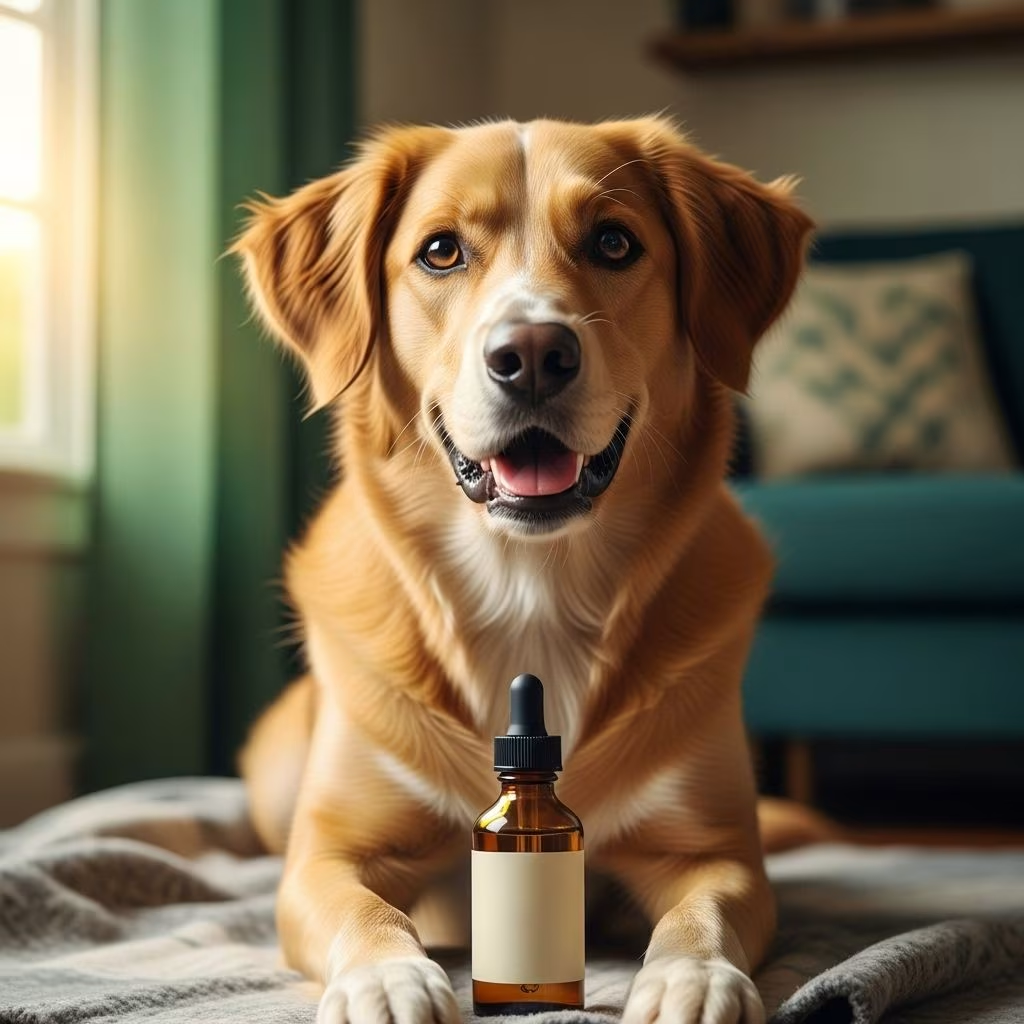
CBD Oil for Dogs: An Informed Approach to Canine Wellness
As interest in alternative therapies for pets grows, CBD oil has emerged as a promising supplement for canine health. This article provides an in-depth look at the uses, potential benefits, safety considerations, and expert opinions regarding the administration of Cannabidiol (CBD) to dogs, drawing upon veterinary research and current best practices.
What Is CBD Oil?
CBD (Cannabidiol) is a naturally occurring compound found in the flowers and buds of cannabis and hemp plants. Unlike THC (tetrahydrocannabinol), which produces the intoxicating effects associated with marijuana, CBD is non-psychoactive and considered safe for pets when properly formulated.
CBD products for pets are typically derived from hemp, which is federally legal under certain conditions and contains less than 0.3% THC.
How Does CBD Work in Dogs?
Dogs, like humans, have an endocannabinoid system (ECS) that helps regulate bodily functions such as mood, appetite, sleep, immune response, and pain. CBD interacts with ECS receptors, potentially influencing neurological and physiological processes. While the exact mechanisms are under study, anecdotal and early research suggests CBD oil may support:
- Reducing stress and anxiety
- Managing pain and inflammation
- Mitigating seizures and epilepsy
- Supporting mobility and joint health
- Improving overall quality of life for aging or active dogs
Why Do Pet Owners Use CBD Oil for Dogs?
Owners have sought CBD oil for dogs in hopes of providing relief for a variety of conditions, including:
- Separation anxiety
- Noise phobia (e.g., thunderstorms, fireworks)
- Chronic pain (such as arthritis or post-surgical discomfort)
- Epilepsy and treatment-resistant seizures
- Mobility issues in senior or athletic dogs
- General wellness support
CBD Oil Versus THC: Safety Differences
CBD is not the same as THC. While CBD is regarded as non-intoxicating and safe when administered appropriately, THC can cause toxicity in pets, leading to dangerous symptoms such as lethargy, disorientation, and even hospitalization. Always choose products specifically formulated for pets that are THC-free and third-party tested.
Research Developments: What Do The Studies Show?
Benefits and Preliminary Findings
| Condition Studied | CBD Effectiveness | Source |
|---|---|---|
| Epilepsy / Seizures | Reduction in seizure frequency and seizure days when used with other medications | |
| Stress (Car Travel) | Lower post-test cortisol levels, suggesting reduced stress response | |
| Pain and Joint Health | Anecdotal reports support reduced pain and improved mobility, especially in working and athletic dogs |
Ongoing Veterinary Trials
The AKC Canine Health Foundation and other research institutions actively support clinical trials to better understand the effectiveness and safety profile of CBD oil in dogs. These studies focus on real-world outcomes, pharmacokinetics, safe dosage ranges, and any adverse effects.
Safety Profile: What Are the Risks?
While the majority of dogs tolerate CBD oil well, some may experience mild side effects, especially if dosed incorrectly or if the product is of poor quality. Safety studies indicate that orally administered CBD, even with trace amounts of other cannabinoids, typically results in mild and transient adverse effects:
- Vomiting
- Diarrhea
- Lethargy
- Excessive licking or drooling
- Rare behavioral changes
Serious side effects are rare when reputable, pet-specific products are used at recommended doses.
Comparing Popular CBD Product Formats
| CBD Format | Pros | Cons |
|---|---|---|
| Oils and Tinctures | Easy to dose, rapid absorption, suited for precise titration. | May require flavoring for picky dogs. |
| Soft Chews / Treats | Palatable, convenient, easy for routine administration. | Potency can vary, may contain additional ingredients. |
| Capsules / Gel Caps | Accurate dosing, odorless, easy to conceal in food. | Some dogs may resist pills. |
Factors to Consider Before Using CBD Oil for Your Dog
- Quality Assurance: Choose products with independent lab testing, confirming purity and absence of contaminants.
- THC-Free Formulas: Only use pet-specific CBD products that are completely free from psychoactive THC.
- Dosing Guidance: Start with a low dose and gradually increase as needed, under veterinary supervision.
- Consult Your Veterinarian: Discuss any planned supplementation, especially if your dog is on other medications or has underlying health issues.
Legal Landscape and Regulatory Considerations
The legality of CBD oil for pets varies depending on location and product formulation. In the United States, hemp-derived CBD that contains less than 0.3% THC is federally legal, but regulations surrounding veterinary recommendation and sale of CBD products continue to evolve. Stay informed about current state and federal guidelines, and always purchase from reputable brands compliant with relevant laws.
Frequently Asked Questions (FAQs)
Q: Is CBD oil safe for all dogs?
A: Preliminary studies suggest CBD is generally safe when administered to healthy dogs at appropriate dosages. Mild side effects such as digestive upset have been reported, and it is critical to avoid products with THC or contaminants.
Q: Can CBD oil be used for puppies?
A: Research has focused primarily on adult dogs; consult your veterinarian prior to use in puppies, as their developing systems may have unique sensitivities.
Q: What should I look for when purchasing CBD products for my dog?
- Third-party lab testing confirming potency and purity
- Label stating “THC-free” or “non-detectable THC”
- Organic and natural ingredient sourcing
- Clear dosing instructions
Q: How do I administer CBD oil to my dog?
A: Most owners add CBD oil directly to food, use treats formulated with CBD, or administer oils via dropper. Initially, start with the lowest effective dose and monitor for changes, adjusting based on veterinary advice.
Q: Will CBD oil make my dog high?
A: No. Properly formulated pet CBD oils derived from hemp and certified as THC-free will not produce intoxication or a “high” in dogs.
Q: How quickly does CBD oil work in dogs?
A: Effects may vary depending upon the dog’s metabolism, size, the condition being addressed, and the format used. Some dogs may respond within hours, while others require several days of consistent dosing.
Q: What are the signs of CBD overdose in dogs?
A: Although rare, excessive doses may cause nausea, dizziness, or sluggishness. Seek immediate veterinary care if any concerning symptoms appear.
Q: Can CBD interact with other medications?
A: CBD may affect metabolism of certain drugs, especially those processed by the liver. Discuss with your veterinarian if your pet is taking other medications, including anti-seizure drugs.
Expert Veterinary Insights and Advice
Dr. Jerry Klein, DVM and chief veterinary officer for the American Kennel Club, notes:
- CBD is primarily derived from hemp (not marijuana) in reputable pet products.
- Anecdotal evidence suggests benefits for pain management, anxiety, and seizure control, although clinical research is ongoing.
- Pet owners should be cautious, seek out the highest quality products, and always consult with a veterinarian for guidance.
Conclusion: Should You Consider CBD Oil for Your Dog?
CBD oil offers exciting potential as a complementary therapy for canine anxiety, pain, seizures, and overall wellness. However, as research continues, responsible use is paramount. Always consult with a veterinary professional, use high-quality products, and monitor your dog’s response carefully to maximize safety and efficacy.
Quick Reference Summary
- CBD oil is non-intoxicating, derived from hemp, and may support canine health.
- Potential uses: anxiety, pain, seizures, joint health, stress.
- Risks: Mild digestive upset; avoid THC-containing products.
- Expert advice: Consult your veterinarian; use only certified pet products.
- Legal status: Evolving, but hemp-derived, THC-free CBD is generally allowed.
Additional Resources & References
- AKC Canine Health Foundation
- Recent veterinary journal studies on CBD safety and efficacy
- Pet insurance providers discussing alternative therapies
References
- https://www.akcpetinsurance.com/blog/cbd-oil-for-dogs
- https://www.dvm360.com/view/redbone-nutrition-unveils-cbd-products-for-canine-athletes-and-working-dogs
- https://academic.oup.com/jas/article/doi/10.1093/jas/skad414/7582589
- https://pmc.ncbi.nlm.nih.gov/articles/PMC10940325/
- https://pmc.ncbi.nlm.nih.gov/articles/PMC10658598/