


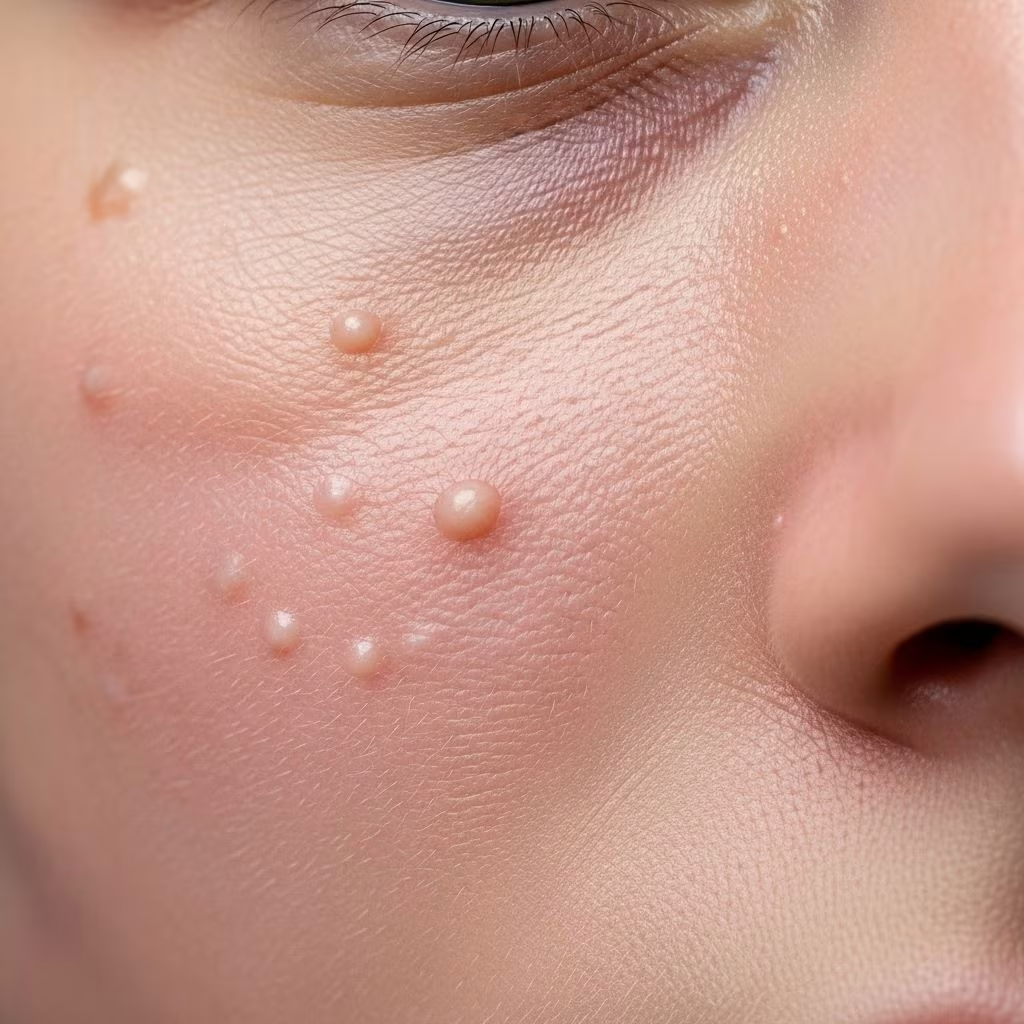
Milia are tiny, pearly white bumps often appearing on the face of teenagers. Though harmless and common, these cysts can cause cosmetic concern and confusion due to their similarity to acne. This comprehensive guide explores the underlying causes, types, prevention strategies, and removal methods for milia on teenage skin, offering expert-backed information and practical advice.
Understanding Milia: What Are They?
Milia are small, dome-shaped, white or yellowish cysts that develop just beneath the surface of the skin. Unlike pimples or whiteheads, they are not filled with pus but with a protein called keratin, which becomes trapped under the skin’s outer layer.
- Milia are benign and non-contagious.
- Width varies from 1-2 millimeters.
- Common on the face, especially around the eyes, cheeks, nose, and eyelids, but can appear anywhere on the body.
For teens, milia can appear suddenly and often without any prior signs or symptoms, leading to concerns about skin health and appearance.
Signs and Symptoms in Teens
The most distinctive sign of milia is the presence of small, hard, white or yellowish bumps on the skin. They are not usually accompanied by redness, itching, swelling, or pain, which differentiates them from acne lesions.
- Each bump is usually firm, round, and painless.
- Milia do not contain fluid or pus and remain stable in size.
- Usually found in groups or clusters.
- Most common on the cheeks, nose, eyelids, chin, and sometimes the forehead.
Milia may persist for weeks to months and are not associated with inflammation unless they become irritated by attempts at removal or trauma to the area.
Causes of Milia in Teenagers
In adolescents, milia are primarily caused by the accumulation of keratin beneath the skin, resulting from one or more of the following factors:
- Genetic predisposition: Some teens naturally develop milia due to skin type or family history.
- Inefficient skin exfoliation: Slower shedding of skin cells can trap keratin underneath the outer layer.
- Use of comedogenic (pore-clogging) skincare products: Cosmetics and creams that block pores can contribute to milia development.
- Sun damage: Long-term exposure to ultraviolet (UV) radiation damages skin and can hinder normal exfoliation, increasing risk.
- Skin injury or trauma: Burns, blisters, and resurfacing treatments (like lasers or dermabrasion) may result in secondary milia.
- Use of steroid creams: Prolonged use can trigger milia in some individuals, though this is rare for teens.
It’s important to note that milia in teenagers are almost always harmless and not a sign of poor hygiene or underlying disease.
Types of Milia Relevant to Teens
Milia are classified based on their cause and appearance. The primary types affecting teenagers include:
| Type | Description | Common Age Group | Relevant to Teens? |
|---|---|---|---|
| Primary Milia | Formed spontaneously, usually on facial skin, due to keratin build-up | All ages (including teens) | Yes |
| Secondary Milia | Arise after injury, burns, rashes, or resurfacing procedures; often on affected area | Children, teens, adults | Yes |
| Milia en Plaque | Rare clusters on red, inflamed skin (plaques); linked to autoimmune or genetic disorders | More common in adults, but teens possible | Occasionally |
| Multiple Eruptive Milia | Clusters appear on face, torso, or arms over weeks/months; may be itchy | Any age | Occasionally |
The majority of teens presenting with milia experience primary milia on the face, while secondary milia may develop after healing from acne, traumatic injury, or strong skin treatments.
Risk Factors for Milia Formation
- Having oily or combination skin prone to congestion
- Regular use of heavy or greasy cosmetic products (e.g., mineral oils, petrolatum, lanolin)
- Previous skin injuries, burns, or resurfacing procedures
- Family history of milia or other skin cysts
- Exposure to chronic sun damage
- Skin conditions that cause blistering or damage (e.g., eczema, poison ivy reactions)
How Milia Differ from Acne and Other Skin Issues
Many teens mistake milia for whiteheads or other forms of acne, but it’s crucial to understand the distinctions:
| Characteristic | Milia | Whiteheads/Comedones | Pustular Acne |
|---|---|---|---|
| Appearance | Tiny, hard, white/yellow dome-shaped bump | Small, soft bump with visible pore blockage | Red bump, filled with pus, often inflamed |
| Pain/Itch | None | Possible mild discomfort | Painful, tender or itchy |
| Fluid Content | Keratin (protein), solid | Oil, sebum, debris | Pus (white blood cells, bacteria) |
| Risk of Scars | Very low | Possible with picking | Higher if inflamed/picked |
| Self-resolution | May persist if not treated or removed | May resolve or come to a head | May resolve or spread |
Milia are not related to bacteria or oil, while most acne lesions are triggered by clogged pores, excess oil, bacteria, and inflammation.
Treatment and Removal Methods for Milia
Milia are harmless and medically unnecessary to treat. However, cosmetic removal is often sought by teenagers due to their facial location and visibility. The most effective and safest treatments include:
- Do Not Squeeze: Attempting to pop or extract milia at home can damage the skin and lead to redness, infection, and scarring.
- Topical Retinoids: Creams or gels containing vitamin A derivatives (such as adapalene or tretinoin) can help stimulate exfoliation and promote the release of trapped keratin. These are best prescribed by a dermatologist if over-the-counter products are ineffective.
- Chemical Exfoliants: Products containing alpha hydroxy acids (AHAs) or beta hydroxy acids (BHAs), like glycolic acid or salicylic acid, gently remove dead skin, which may help prevent new milia. They have limited effects on established bumps.
- Professional Extraction: Dermatologists can safely remove milia using a sterile needle or blade, delicately extracting the keratin plug. This is the gold standard for immediate cosmetic removal.
- Electrosurgery: Some clinics use low-current electrosurgery to open the milia and allow removal.
- Cryotherapy: Rarely, freezing with liquid nitrogen is used, especially for widespread or persistent milia.
Home remedies—such as scrubbing, squeezing, or puncturing the skin—are strongly discouraged, as improper methods risk infection and scarring. If you are unsure, always seek a healthcare provider’s opinion before attempting any treatment.
Natural & Home Care Tips
- Gentle Cleansing: Use mild, non-comedogenic cleansers to avoid blocking pores and worsening milia.
- Regular (but not aggressive) exfoliation: Light facial scrubs (not recommended for active acne) may gradually reduce the risk of developing new milia.
- Moisturizing: Opt for lightweight, non-comedogenic moisturizers suitable for teen skin types.
- Avoid heavy creams and makeup around the eyes and face.
Most milia in teens will resolve within weeks to months, especially if triggers like pore-clogging products are removed.
Tips to Prevent Milia on Teen Skin
- Use skincare and makeup labeled as non-comedogenic.
- Protect your skin from excessive sun exposure with broad-spectrum sunscreen.
- Avoid thick or heavy creams, especially around the eyes.
- Adopt a regular skincare regimen focused on gentle cleansing and exfoliation.
- Avoid using ointments or products containing mineral oil, petrolatum, or lanolin if you are prone to milia.
- Do not attempt to extract or pick at bumps; consult a dermatologist for safe removal.
When to See a Dermatologist
While milia are harmless, consult a dermatologist if:
- Bumps persist for several months despite home care.
- Milia multiply rapidly or become inflamed and painful.
- You are unsure if the bumps are milia or another skin issue.
- You have a large number in unusual locations, such as inside the mouth or on the eyelids.
- Cosmetic concern and wish for safe, immediate removal.
Dermatologists can quickly and safely address milia and guide you on skincare tailored to teenage skin needs.
Frequently Asked Questions (FAQs)
Q: Are milia dangerous or harmful to my health?
A: Milia are benign cysts and are not dangerous, painful, or contagious. They are purely a cosmetic concern for most teenagers.
Q: Can teens remove milia at home?
A: It is not recommended, as at-home extraction methods can cause skin damage, infection, or permanent scars. See a dermatologist for safe removal.
Q: Do milia go away naturally?
A: Many cases in teens resolve on their own within weeks to months. Persistent milia may benefit from professional removal or topical treatments.
Q: Will using acne products help milia?
A: Common acne treatments (like benzoyl peroxide) have little effect on milia. Retinoids and gentle exfoliants are more effective for prevention and resolution.
Q: Can milia be prevented?
A: While not all cases can be prevented, using non-comedogenic products, gentle cleansing techniques, and sun protection can reduce risk and recurrence.
Key Takeaways
- Milia are common, harmless cysts seen in teenagers, typically appearing on facial skin.
- They result from trapped keratin and are unrelated to acne or infection.
- Safe removal is best performed by dermatologists; do not extract at home.
- Preventive strategies include proper skincare, avoiding pore-clogging products, and sun protection.
- If milia persist or cause concern, consult a skin specialist for evaluation and tailored treatment recommendations.
References
- https://www.sknclinics.co.uk/conditions/milia
- https://www.healthline.com/health/milia
- https://skinsight.com/skin-conditions/milia/teen/
- https://www.webmd.com/skin-problems-and-treatments/what-to-know-about-milia
- https://www.healthdirect.gov.au/milia
- https://my.clevelandclinic.org/health/diseases/17868-milia
- https://vitalskinderm.com/conditions/milia
- https://www.ncbi.nlm.nih.gov/books/NBK560481/


