


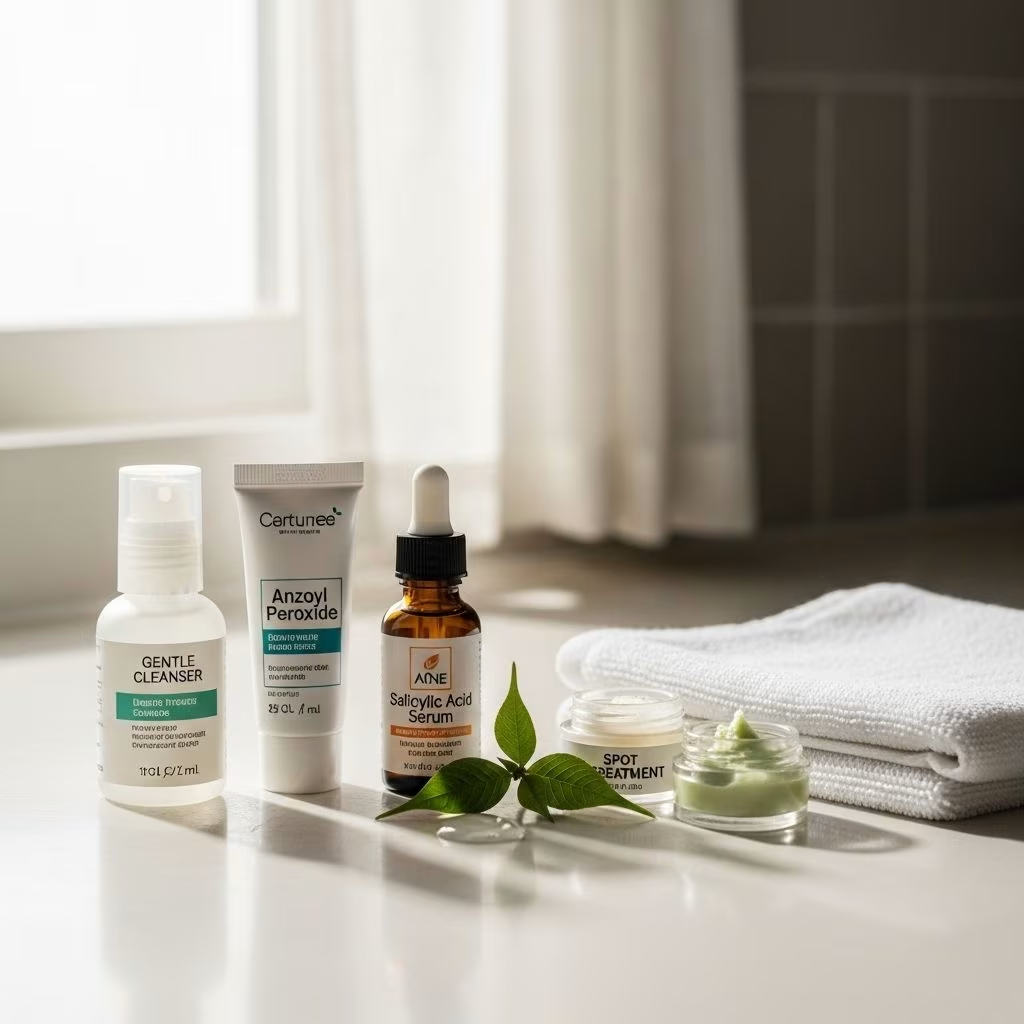
Understanding Acne Treatment Timing
The timing of acne treatment application plays a crucial role in maximizing the effectiveness of your skincare routine and achieving clearer skin. Understanding when to apply specific acne treatments can mean the difference between seeing dramatic improvements and experiencing minimal results. The concept of timing in acne treatment goes beyond simply applying products twice daily; it involves understanding how different active ingredients work, when your skin is most receptive to treatment, and how to avoid potential interactions between products.
Acne affects up to 50 million people annually in the United States alone, making it the most common skin condition. The root cause of acne begins in your skin’s pores, where excess oil, dead skin cells, and bacteria combine to create blockages that lead to various forms of breakouts. Different acne treatments work through various mechanisms, and their effectiveness can be significantly influenced by the time of day they are applied.
The skin follows a natural circadian rhythm, just like other organs in your body. During the day, your skin focuses on protection against environmental stressors like UV rays, pollution, and free radicals. At night, your skin shifts into repair and regeneration mode, making it an ideal time for certain treatments to work more effectively. This natural cycle is why many dermatologists recommend different active ingredients for morning versus evening application.
The Science Behind Treatment Timing
Your skin’s pH levels, oil production, and cellular turnover rates all fluctuate throughout the day. Understanding these variations helps explain why certain treatments work better at specific times. For instance, your skin’s barrier function is typically strongest in the morning, making it better able to tolerate potentially irritating ingredients. Conversely, nighttime is when your skin’s natural repair processes are most active, making it the optimal time for treatments that support cellular renewal and healing.
Morning Acne Treatments
Morning represents the perfect opportunity to apply protective and preventive acne treatments that can work throughout the day to combat breakouts while defending against environmental factors that might worsen acne. The morning skincare routine should focus on cleansing away overnight oil buildup, applying treatment products, and creating a protective barrier for the day ahead.
Salicylic Acid: The Morning Champion
Salicylic acid stands out as one of the most effective morning acne treatments. This beta hydroxy acid (BHA) works by dissolving excess oil and dead skin cells that can lead to clogged pores throughout the day. When applied in the morning, salicylic acid provides continuous pore-clearing action while you go about your daily activities.
The recommended concentration for daily morning use typically ranges from 0.5% to 2%, depending on your skin’s tolerance level. Start with a lower concentration and gradually increase as your skin adapts. Apply salicylic acid to clean, dry skin and allow it to absorb for several minutes before proceeding with your moisturizer and sunscreen.
Benzoyl Peroxide: Bacterial Defense
Benzoyl peroxide serves as another excellent morning treatment option, particularly for those dealing with inflammatory acne. This ingredient works by releasing oxygen into the pores, creating an environment where acne-causing bacteria cannot survive. Morning application of benzoyl peroxide provides all-day antibacterial protection.
For sensitive skin, start with a 2.5% concentration, as it can be just as effective as higher concentrations with less irritation. Those with oily, resilient skin might benefit from 5% or even 10% formulations. Always apply benzoyl peroxide to completely dry skin and never mix it directly with other active ingredients to avoid potential interactions.
Morning Application Sequence
The proper sequence for morning acne treatment application follows the general rule of thinnest to thickest consistency:
- Gentle cleanser to remove overnight oil and debris
- Toner (if using) to balance pH levels
- Acne treatment serum or gel (salicylic acid or benzoyl peroxide)
- Lightweight, non-comedogenic moisturizer
- Broad-spectrum sunscreen (SPF 30 or higher)
Allow each product to absorb for 1-2 minutes before applying the next layer. This ensures maximum efficacy and prevents products from interfering with each other.
Nighttime Acne Treatments
Evening represents the optimal time for more intensive acne treatments that support skin repair and regeneration. Your skin’s natural healing processes are most active during sleep, making nighttime the perfect opportunity to apply treatments that might be too strong or photosensitizing for daytime use.
Retinoids: The Gold Standard
Retinoids represent the gold standard for nighttime acne treatment, particularly for those dealing with persistent or cystic acne. These vitamin A derivatives work by speeding up cellular turnover, preventing dead skin cells from clogging pores, and reducing inflammation. Dermatologists often prescribe tretinoin, the strongest form of retinoid, for severe acne cases.
For over-the-counter options, adapalene offers prescription-strength benefits with potentially less irritation than tretinoin. Begin with applications once or twice per week, gradually increasing frequency as your skin builds tolerance. Always apply retinoids to completely dry skin and follow with a moisturizer to minimize potential irritation.
Alpha Hydroxy Acids (AHAs)
AHAs like glycolic acid and lactic acid work excellently as nighttime treatments for acne-prone skin. These acids help remove dead skin cells from the surface of the skin, preventing pore blockages and improving overall skin texture. Unlike BHAs, which penetrate deep into pores, AHAs work primarily on the skin’s surface.
Start with lower concentrations (5-10%) and use 2-3 times per week initially. AHAs can increase sun sensitivity, making evening application essential. Always use sunscreen during the day when incorporating AHAs into your routine.
Nighttime Treatment Considerations
Evening acne treatments should focus on repair and prevention rather than immediate protection. The absence of UV exposure means you can use photosensitizing ingredients without concern. Additionally, your skin has all night to absorb and process active ingredients without interference from environmental factors or makeup application.
Spot Treatment Timing
Spot treatments require.special timing considerations to maximize their effectiveness while minimizing potential skin irritation. These concentrated treatments are designed to target individual blemishes with higher concentrations of active ingredients than would be comfortable for full-face application.
Evening Application Benefits
The.general rule for spot treatments is evening application after cleansing and toning but before applying serums and moisturizers. Evening application allows the concentrated active ingredients to work uninterrupted throughout the night without interference from makeup, environmental pollutants, or other skincare products.
Apply spot treatments to clean, completely dry skin for maximum penetration and effectiveness. The active ingredients in spot treatments work most effectively when applied directly to clean skin, as underlying products can dilute their potency or prevent proper penetration.
Application Technique and Timing
Proper spot treatment application involves several key timing considerations:
- Wait 10-15 minutes after cleansing before applying spot treatments
- Allow spot treatments to dry completely (1-2 minutes) before applying additional products
- Avoid applying other products directly over spot treatments when possible
- If using multiple spot treatments, apply the thinnest consistency first
For those with sensitive skin, applying a thin layer of moisturizer before spot treatment can help.minimize irritation while still allowing the active ingredients to work effectively.
Alternative Application Methods
Some skincare experts recommend the “cotton swab method” for spot treatment application. This involves applying your complete evening routine, including moisturizer, then gently removing product from affected areas with a damp cotton swab before applying spot treatment. This method ensures the rest of your skin receives proper hydration while allowing targeted treatment of problem areas.
Treatment Sequence and Order
The sequence in which you apply acne treatments can significantly impact their effectiveness and your skin’s tolerance. Understanding the proper order of application helps maximize benefits while minimizing potential irritation and product interactions.
The Fundamental Rule: Thinnest to Thickest
The.basic principle of skincare application follows the consistency rule: apply products from thinnest to thickest consistency. This ensures that lighter, more active ingredients can penetrate the skin before heavier, occlusive products create a barrier. For acne treatments, this typically means:
| Step | Morning | Evening |
|---|---|---|
| 1 | Cleanser | Cleanser |
| 2 | Toner (optional) | Toner (optional) |
| 3 | Salicylic Acid/Benzoyl Peroxide | Retinoid/AHA Treatment |
| 4 | Serum (if using) | Serum (if using) |
| 5 | Moisturizer | Moisturizer |
| 6 | Sunscreen | Spot Treatment (if needed) |
Waiting Times Between Applications
Proper timing between product applications ensures optimal absorption and prevents products from interfering with each other. Most dermatologists recommend waiting 1-2 minutes between each step, allowing products to absorb and begin working before adding the next layer.
For particularly active treatments like retinoids or high-concentration acids, consider waiting 10-15 minutes before applying additional products. This extended waiting time allows the active ingredients to.begin penetrating the skin and reduces the risk of dilution or buffering by subsequent products.
Product Compatibility and Timing
Certain acne treatments should never be applied simultaneously due to potential interactions that can cause irritation or reduce effectiveness. Key combinations to avoid include:
- Retinoids with AHA/BHA acids (use on alternating nights)
- Benzoyl peroxide with retinoids (can deactivate retinoids)
- Vitamin C with retinoids (pH conflicts can cause irritation)
- Multiple exfoliating acids in the same routine
When using multiple active ingredients, consider alternating nights or using different actives in morning versus evening routines to avoid conflicts.
Special Timing Considerations
Several factors can influence the optimal timing for acne treatment application, requiring adjustments to standard recommendations based on individual circumstances and skin conditions.
Skin Sensitivity and Tolerance Building
Those with sensitive skin or those new to acne treatments should start with less frequent application schedules to build tolerance gradually. Begin with 1-2 applications per week for the first two weeks, then increase to every other day for two weeks before progressing to daily use if tolerated well.
Signs that you may be applying treatments too frequently include persistent redness, excessive dryness, peeling, or increased breakouts. If these symptoms occur, reduce application frequency and ensure you’re using adequate moisturizer and sun protection.
Seasonal Timing Adjustments
Environmental factors can influence when and how often you should apply acne treatments. During summer months, increased sun exposure means extra caution with photosensitizing ingredients like AHAs and retinoids. Consider reducing concentration or frequency during peak UV months.
Winter weather can increase skin dryness and sensitivity, potentially requiring adjustments to treatment timing or the addition of more hydrating products to your routine. Cold, dry air can compromise your skin barrier, making it more susceptible to irritation from active ingredients.
Hormonal Cycle Considerations
For women, hormonal fluctuations throughout the menstrual cycle can affect skin sensitivity and acne severity. Some find their skin more tolerant of active treatments during certain phases of their cycle, while breakouts may worsen during hormonal surges.
Consider tracking your skin’s response to treatments throughout your cycle to identify optimal timing patterns. Some may benefit from intensifying treatment during pre-menstrual periods when breakouts are more likely to occur.
Common Timing Mistakes to Avoid
Understanding common timing mistakes can help you avoid setbacks in your acne treatment journey and achieve better results more quickly.
Over-Application and Impatience
One of the most.common mistakes is applying acne treatments too frequently or in too high concentrations too quickly. The desire for fast results often leads to over-application, which can actually worsen acne by compromising the skin barrier and causing irritation that leads to more breakouts.
Acne treatments typically require 6-12 weeks of consistent use to show significant results. Patience and consistency are more important than frequency or concentration for long-term success.
Inconsistent Application Timing
Inconsistent timing can reduce treatment effectiveness and make it difficult to assess whether products are working. Establishing a consistent routine with regular application times helps maintain steady active ingredient levels in your skin and makes it easier to track progress.
Set reminders or incorporate acne treatments into established daily routines (like brushing teeth) to maintain consistency in timing and application.
Ignoring Sun Protection Timing
Many acne treatments increase photosensitivity, making proper sun protection timing crucial. Apply sunscreen as the final step in your morning routine, and reapply throughout the day as needed. Failure to.use adequate sun protection can lead to post-inflammatory hyperpigmentation and delayed healing of acne lesions.
Mixing Incompatible Ingredients
Applying incompatible active ingredients at the same time can cause irritation, reduce effectiveness, or even neutralize the benefits of your treatments. Research ingredient interactions and plan your routine to avoid conflicts, using alternating schedules when necessary.
Frequently Asked Questions
Q: Should I apply acne treatments before or after moisturizer?
A: Generally, apply acne treatments before moisturizer to ensure direct contact with skin and maximum penetration. However, if you experience irritation, you can apply a thin layer of moisturizer first to buffer the treatment, though this may reduce its effectiveness slightly.
Q: Can I use multiple acne treatments at the same time?
A: While possible, it’s generally better to use different active ingredients at different times (morning vs. evening) or on alternating days to avoid irritation and ingredient interactions. Start with one treatment and add others gradually as your skin adapts.
Q: How long should I wait between applying different acne treatments?
A: Wait 1-2 minutes between most products, allowing for absorption. For strong actives like retinoids or high-concentration acids, wait 10-15 minutes before applying additional products to prevent dilution and ensure optimal penetration.
Q: Is it better to apply acne treatments to damp or dry skin?
A: Most acne treatments should be applied to completely dry skin for maximum effectiveness and to prevent increased irritation. Wait 10-15 minutes after cleansing before applying treatments to ensure skin is fully dry.
Q: Can I apply acne treatments during the day if I missed my evening routine?
A: While evening application is generally preferred for most acne treatments, missing occasional applications won’t significantly impact results. If you must apply during the day, ensure you use adequate sun protection, especially with photosensitizing ingredients like retinoids and AHAs.
Q: How do I know if I’m applying my acne treatments at the right frequency?
A: Your skin should show gradual improvement without excessive irritation, dryness, or peeling. If you experience persistent irritation or worsening breakouts, reduce application frequency. Conversely, if you see no improvement after 8-12 weeks of consistent use, consider increasing frequency or concentration gradually.
References
- https://www.cosmopolitan.com/style-beauty/beauty/a32239886/best-acne-skincare-routine/
- https://www.skincare.com/skin-concerns/acne/when-to-apply-spot-treatment
- https://www.cerave.com/skin-smarts/skincare-tips-advice/a-simple-3-step-acne-routine-to-take-control-of-acne
- https://www.gameelaskin.com/skincare-blog/your-skincare-order-routine
- https://lasuiteskincare.com/blogs/news/in-which-order-do-i-apply-my-skincare-products
- https://slmdskincare.com/blogs/learn/the-right-way-to-layer-your-skincare
- https://www.aad.org/public/diseases/acne/skin-care/habits-stop
- https://www.heydayskincare.com/blogs/skin-deep/routine-order


