The Grand Basset Griffon Vendéen (often shortened to GBGV) is a lively and affectionate French scent hound known for its distinctive rugged looks, cheerful temperament, and a love for both outdoor adventure and family companionship. With a heritage rooted deeply in the challenging terrains of France, this rare breed brings together history, hunting prowess, and a playful, loving nature that’s capturing hearts beyond its native land.
Breed Overview
- Group: Hound Group
- Country of Origin: France
- AKC Recognition: 2018
- Breed Type: Scent hound, companion
- Height: 15–18 inches at the shoulder
- Weight: 40–45 pounds
- Lifespan: 13–15 years
History of the Grand Basset Griffon Vendéen
Originating in the Vendée region of France, the history of the GBGV dates back to at least the 16th century. Developed specifically for hunting hare and other small game, the breed comes from a long tradition of French scenthounds known as Griffons, which includes several size and coat variations.
Breed development milestones:
- Until the early 20th century, GBGVs were interbred with the smaller Petit Basset Griffon Vendéen (PBGV).
- In 1907, the Club du Griffon Vendéen unveiled the differences between the ‘Grand’ and ‘Petit’ types, formally distinguishing them as separate breed varieties.
- By the 1950s, the GBGV emerged as its own standardized breed, celebrated for its abilities in rough terrains.
- In 1977, French breed authorities banned interbreeding between GBGVs and PBGVs, cementing clear breed distinctions.
- The American Kennel Club (AKC) officially recognized the breed in 2018—the same year the Nederlandse Kooikerhondje joined the AKC’s ranks.
Though always beloved in its homeland, the GBGV remains rare in America, with just a few hundred individuals currently registered in the United States and Canada.
Appearance
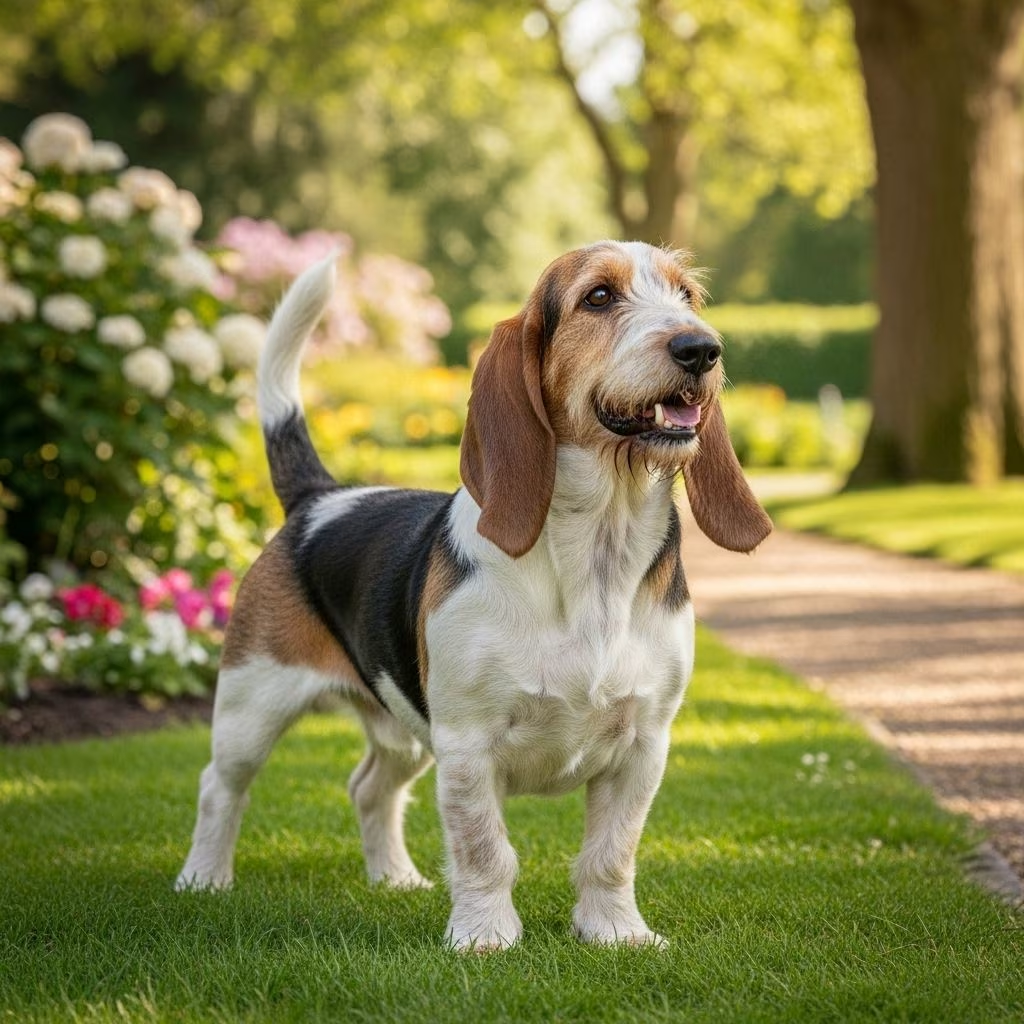
The Grand Basset Griffon Vendéen offers a striking, rustic look that reflects its hunting ancestry. The breed is instantly recognizable for its combination of sturdy construction, elongated body, and quintessentially ‘shaggy’ French charm.
- Size: Medium—longer than they are tall, with a solid, muscular build
- Head: Long, moderately narrow skull with a straight muzzle
- Eyes: Expressive, dark, and oval-shaped, conveying gentle intelligence
- Ears: Long, set low, and covered in hair—falling in graceful ‘folds’
- Body: Deep chest and substantial ribcage, emphasizing stamina
- Tail: Long, strong, often carried upright in a saber shape
- Distinctive features: Bushy eyebrows, mustache, and a pronounced beard, adding to a wise, soulful look
Coat and Color
- Coat: Dense, rough, and harsh to the touch; protects against brambles and rugged terrain
- Colors:
- Tricolor: White with combinations of lemon, orange, or black markings
- Bicolor: White with orange, black, or grizzle
- Black and tan
Temperament & Personality
The GBGV is celebrated for its even temperament and delightful mix of cheerfulness, sociability, and independence. This breed’s personality reflects its working heritage, but with an adaptability that makes it ideal for modern family life.
- Friendly with family, children, and most other dogs
- Outgoing, curious, and affectionate—though not typically clingy
- Highly sociable, dislikes being left alone for extended periods
- Slightly independent and at times stubborn, owing to its scent hound instincts
- Can be strong-willed—requires patient, positive reinforcement in training
- Natural scent follower: their tracking drive can lead them to wander if not contained
- Not prone to aggression, but their energetic pursuit and bark are characteristic
Exercise & Activity Needs
While not hyperactive, the Grand Basset Griffon Vendéen is a generally busy and curious dog with substantial stamina. Bred to chase game for miles, the GBGV thrives with active families ready to provide both mental and physical stimulation.
- Daily exercise required: Several long walks or active play sessions
- Enjoys scent-based games, tracking, and backyard adventures
- Ideally suited for homes with fenced yards and safe outdoor space
- Active in agility, rally, scent work, and other canine sports
- Without enough activity, may turn to undesirable behaviors like digging or barking
Training & Intelligence
Intelligent and quick to learn, GBGVs benefit from early socialization and consistent, reward-based training methods. Their hunting background means they are naturally independent thinkers, which can present both advantages and challenges to novice owners.
- Responds best to gentle, positive reinforcement
- May test boundaries—requires patience and creativity in training
- Enjoys learning new tricks and tasks, especially those involving scent
- Early socialization crucial to foster a well-mannered dog
Living with a Grand Basset Griffon Vendéen
- Adapts well to various home environments but prefers active households
- Gets along well with children and other dogs, thanks to a sociable nature
- May not suit apartment life unless exercised thoroughly and given mental stimulation
- Should be supervised outdoors or provided a secure fence—prone to following interesting scents beyond the yard
- Values inclusion as part of the family pack; does not do well left alone for extended periods
Health & Common Conditions
The GBGV is generally healthy and long-lived, but as with all breeds, has several health issues to which it can be predisposed. Responsible breeders will screen for genetic conditions and share health clearances when selecting breeding stock.
| Condition | Description |
|---|---|
| Hip Dysplasia | Improper development of the hip joint, potentially leading to arthritis or mobility issues. |
| Glaucoma | Increased pressure in the eye; can result in vision loss if untreated. |
| Allergies | Environmental or food allergies causing skin irritation or digestive upset. |
| Basset Griffon Vendeen Pain Syndrome | Rare but serious condition causing fever and pain, especially in young puppies. |
| Epilepsy | Genetic seizure disorder. |
| Hypothyroidism | Low thyroid hormone levels, can contribute to lethargy and weight changes. |
| Other Screenings | Genetic tests for degenerative myelopathy, hyperuricosuria, and progressive rod-cone degeneration are recommended. |
Average life expectancy: 13 to 15 years. Regular vet checkups, a balanced diet, and active lifestyle contribute greatly to their longevity and well-being.
Grooming & Care
The GBGV’s weather-resistant coat needs minimal trimming but does benefit from routine maintenance to keep it clean, comfortable, and free of tangles and debris gathered on their adventures.
- Brushing: Once or twice weekly, more often during shedding seasons
- Bathing: Occasional, or as needed after muddy outings
- Ears: Check and clean regularly—floppy, hairy ears can collect dirt and moisture, making them prone to infections
- Nails: Trim monthly to avoid overgrowth and splitting
- Teeth: Brush regularly for optimal dental health
Nutrition
Feed your Grand Basset Griffon Vendéen high-quality dog food appropriate for its age, weight, and activity level. Monitor caloric intake to prevent obesity, and provide constant access to fresh, clean water.
- Consider a diet designed for medium-sized breeds
- Active GBGVs may require diets richer in protein and healthy fats
- Treats should be given sparingly to avoid excess weight gain
Finding & Adopting a Grand Basset Griffon Vendéen
Because the breed is rare in North America, prospective owners should be prepared to wait for a puppy from a reputable breeder or consider adopting an adult dog through breed rescues. Responsible breeders will prioritize temperament and health in their litters.
- Research breeders who test for hereditary diseases and provide documented health clearances
- Be patient: litter availability is limited due to the breed’s rarity
- Ask about temperament, health background, and opportunities to meet the puppies’ parents
- Check for breed-specific rescue organizations or adoption events
Interesting Facts about the Grand Basset Griffon Vendéen
- Pronounced: “Grahn Bah-SAY Gree-FOHN VON-day-uhn”
- The name directly translates to “large, low, rough-coated dog from Vendée”
- One of the more newly recognized breeds by the AKC (joined the Hound Group in 2018)
- Originally trained to hunt alone or in small packs, requiring independence and drive
- Sometimes affectionately called “Grand” or “GBGV” by fanciers
Frequently Asked Questions (FAQs)
Q: Are Grand Basset Griffon Vendéens good with children?
A: Yes, GBGVs are typically affectionate and gentle, making them great companions for children. Supervised introductions are always recommended.
Q: How much exercise does a Grand Basset Griffon Vendéen need?
A: These dogs require at least one to two hours of daily exercise, including walks, play, and mental challenges to satisfy their stamina and curiosity.
Q: Are GBGVs easy to train?
A: While intelligent, their independence can make training a challenge. Consistent positive reinforcement and patience are key.
Q: How much do Grand Basset Griffon Vendéens shed?
A: They shed moderately, especially during seasonal coat changes. Regular brushing helps manage grooming needs.
Q: Do Grand Basset Griffon Vendéens bark a lot?
A: Like most scent hounds, they are vocal and will bark, especially when excited or tracing a scent. Early training can help manage excessive noise.
Is the Grand Basset Griffon Vendéen Right for You?
The Grand Basset Griffon Vendéen offers a rare blend of affection, energy, independence, and charm. These dogs are best suited for active, engaged families who appreciate the joy of outdoor adventures as much as the joys of a warm, social companion. With proper care, training, and lots of affection, the GBGV will reward its family with unwavering loyalty and years of happy companionship.
References
- https://basepaws.com/dog-breeds/grand-basset-griffon-vendeen
- https://www.liveoakvet.com/grand-basset-griffon-vendeen/
- https://www.wisdompanel.com/en-us/dog-breeds/basset-griffon-vendeen-grand
- https://www.akc.org/expert-advice/lifestyle/fun-facts-grand-basset-griffon-vendeen/
- https://www.akc.org/dog-breeds/grand-basset-griffon-vendeen/