


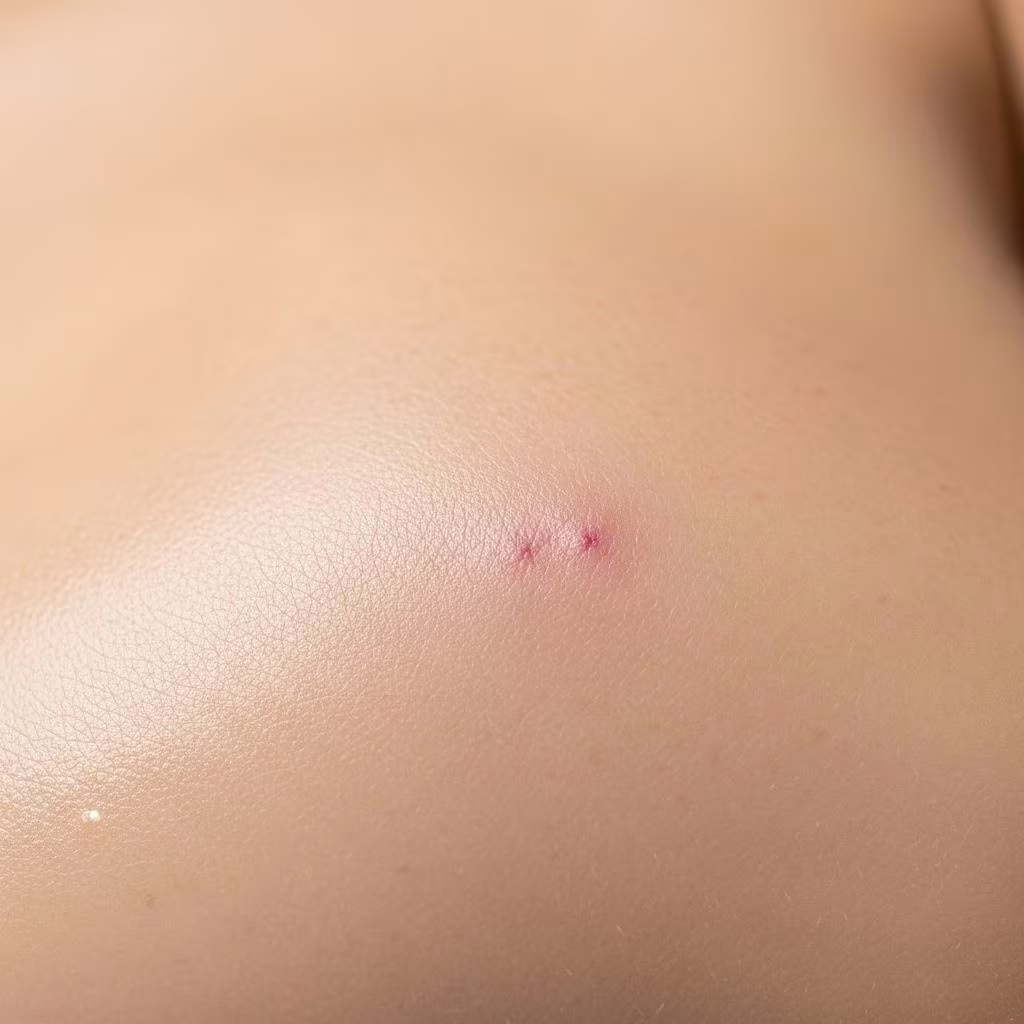
Broken capillaries—sometimes referred to as spider veins or visible red streaks under the skin—occasionally occur after certain massage techniques. This expert Q&A addresses the most pressing questions about post-massage broken capillaries, from understanding the underlying causes to practical prevention methods and evidence-based treatment options.
What Are Broken Capillaries?
Broken capillaries are tiny blood vessels near the skin’s surface that have ruptured, leading to visible red, purple, or blue streaks. Medically, this phenomenon is called telangiectasia. These capillaries, part of the circulatory system, provide oxygen and nutrients to skin and tissue. When they break, blood can leak into surrounding tissue, becoming visible beneath the skin and creating the appearance of small, sometimes web-like discoloration.
Key Characteristics
- Appear as fine, thread-like lines or small clusters, often red, blue, or purple
- Most commonly seen on the face (nose, cheeks), chest, or legs
- Do not generally cause pain but may be cosmetically concerning
Can Massage Cause Broken Capillaries?
Yes, certain types of massage—particularly those involving significant pressure such as deep tissue massage—can cause broken capillaries or small bruises under the skin. When a therapist applies strong, sustained pressure, the force can overload delicate capillaries, causing rupture and subsequent leakage of blood into adjacent tissues, a process known as ecchymosis.
How Do Capillaries Break During Massage?
During a massage, especially techniques such as deep tissue or intense myofascial release, direct physical compression can damage or rupture tiny blood vessels near the skin. This pressure may:
- Disrupt the structural integrity of capillaries, leading to leakage of blood cells
- Compromise the local blood clotting response, allowing more blood to escape
- Trigger inflammation and minor swelling in the affected area
Bruising and minor skin discoloration are expected side effects, particularly when addressing muscle knots or chronic tension, as the body initiates a healing response through increased blood flow and repair of micro-trauma.
Who Is Most at Risk?
Some individuals are more susceptible to broken capillaries following massage. Risk factors include:
- Thin or fragile skin (common in older adults or those with certain skin conditions)
- Medications that affect clotting (e.g., blood thinners, corticosteroids)
- Certain medical conditions (e.g., bleeding disorders, Ehlers-Danlos syndrome)
- Recent sunburn, skin trauma, or inflammation in the area
- Genetics—inherited predisposition to visible capillaries or vascular issues
- High-intensity deep tissue or unfamiliar massage techniques
Professional therapists are trained to adjust their approach based on these risk factors, but communication with the client is crucial for minimizing unwanted effects.
What Are the Signs and Symptoms?
The most common signs of broken capillaries or post-massage ecchymosis are:
- Visible red, purple, or blue streaks or spots just below the skin
- Occasional mild tenderness, swelling, or warmth in the area
- Absence of raised rash or active bleeding
- Discoloration that generally fades from red/purple to green/yellow as it heals
If the area becomes increasingly painful, swollen, or shows signs of infection (such as pus, fever, or persistent redness), medical attention should be sought immediately.
Is Post-Massage Bruising or Capillary Damage Normal?
It is normal to experience mild bruising and capillary breakage after an intense massage session, especially when deep tissue techniques are used. The process is analogous to muscle micro-trauma after intense exercise: while initially causing discoloration and soreness, it triggers a healing response, improved circulation, and tissue recovery. Typically, the timeline is:
- 0–24 hours: Redness or purplish marks may appear, signaling blood pooling under the skin
- 24–72 hours: Bruising darkens as the hemoglobin breaks down
- 3–7 days: Bruises fade to yellow/green before disappearing as the blood is reabsorbed and the damaged capillaries are repaired
Bruising should resolve within a week. If it persists or worsens, or other symptoms such as excessive swelling or heat appear, consult a healthcare provider.
Prevention: How to Minimize the Risk
To prevent broken capillaries or bruising after a massage:
- Communicate clearly with the massage therapist about comfort levels, pressure preferences, and any history of easy bruising
- Avoid deep tissue massage if on blood-thinning medications or with known bleeding disorders
- Opt for gentler techniques such as Swedish massage, lymphatic drainage, or gentle facial massage if at risk
- Hydrate well before and after the massage to support healthy blood flow and faster healing
- Avoid vigorous massage after intense exercise, sun exposure, or with recent skin injury/sensitivity
Professional therapists should always adjust technique to each individual’s needs and health profile.
First Aid for Broken Capillaries After Massage
No special intervention is typically required for mild post-massage bruising or capillary damage, but the following first aid steps may speed up healing and reduce discomfort:
- Apply a cold compress or ice pack wrapped in a cloth for 10-15 minutes soon after the massage, repeating every few hours on the first day
- Elevate the affected area if possible, especially for bruising on limbs
- Avoid excessive heat (hot baths, saunas) for 24–48 hours post-massage
- Use gentle topical arnica cream or over-the-counter pain relief ointments to promote healing
- Refrain from strenuous activity or additional massages until the area heals fully
If bruising does not improve after a few days or worsens, seek medical advice to rule out underlying issues.
Best Treatments for Broken Capillaries
Several safe and effective treatments exist for broken capillaries, especially those that are persistent or cosmetically concerning:
- Laser Therapy — Vascular lasers such as Candela Vbeam or pulsed-dye technology selectively target hemoglobin, heating and sealing off damaged vessels. Capillaries gradually disappear over days to weeks, with minimal downtime.
- Intense Pulsed Light (IPL) — This therapy uses broad-spectrum light to break down visible blood vessels, aiding in clearance and improving skin appearance.
- Red Light Therapy — Low-level red light can stimulate cellular healing, collagen production, and improve blood flow, gently fading broken capillaries over time.
- Heat Therapy — Controlled heat dilates blood vessels, improving circulation and potentially making capillaries less visible.
- Gentle Facial Massage — Gentle techniques can promote blood and lymphatic circulation, aiding skin recovery. However, vigorous massage should be avoided in affected areas.
- Topical Remedies — Arnica, vitamin K creams, or anti-inflammatory topical treatments may reduce the visibility of minor capillaries and speed up healing.
| Treatment | Effectiveness | Downtime | Best For |
|---|---|---|---|
| Laser Treatment | High | Minimal | Persistent or facial capillaries |
| IPL | Moderate to High | Minimal | Mild to moderate cases, diffuse areas |
| Red Light Therapy | Moderate | None | Sensitive or maintenance cases |
| Topical Creams | Low to Moderate | None | Minor, occasional bruising |
Multiple sessions may be required for optimal results. Always seek treatment in a licensed clinic with experienced professionals.
When Should You See a Medical Professional?
- If bruising or capillary damage is widespread, recurring, or unusually persistent
- If you notice significant pain, swelling, redness, pus, or other signs of infection
- If you experience symptoms such as unexplained bleeding elsewhere, nosebleeds, or gum bleeding
- If you have underlying conditions affecting blood clotting or are on anticoagulant medications
Timely professional advice will help rule out underlying vascular or systemic issues.
Frequently Asked Questions (FAQ)
Q: Are bruises and broken capillaries the same?
No. While both involve bleeding under the skin, a bruise is usually caused by direct trauma or pressure leading to pooled blood, while broken capillaries are the visible dilation or rupture of small surface blood vessels. In practice, minor bruising after massage often means small capillaries have broken.
Q: Is bruising after massage dangerous?
Mild bruising after intense massage is rarely dangerous and is typically part of the body’s healing reaction. However, excessive or persistent bruising may signal underlying issues that warrant consultation with a healthcare professional.
Q: Will broken capillaries heal on their own?
Small, recent capillary breaks often fade naturally as the body reabsorbs the pooled blood. Chronic capillaries (like spider veins) may require laser therapy or other professional treatments for complete removal.
Q: Can I prevent broken capillaries during massage?
Yes. By choosing gentle massage techniques, avoiding aggressive deep tissue work if at risk, and informing your therapist of your health profile, the chances of capillary breakage can be minimized.
Q: Are certain massage techniques safer for sensitive skin?
Yes. Swedish massage, lymphatic drainage, and gentle facial massage focus on light pressure and are typically safe for those with fragile skin or known capillary issues.
Expert Advice for Therapists and Patients
Expert opinion consistently underscores the importance of skill, communication, and technique in minimizing risks:
- Massage Therapists: Assess each client’s risk factors, start with lighter pressure, and build up as tolerated. Always obtain informed consent and watch for signs of distress or skin vulnerability.
- Clients: Disclose all relevant medical history and current health conditions. Communicate openly about pain, bruising, or previous capillary damage to ensure a tailored, safe experience.
- Both parties: Understand that mild bruising and capillary breakage are sometimes an expected part of deep tissue work, but proactive risk assessment and aftercare minimize complications.
For persistent or cosmetically bothersome broken capillaries, consult a dermatologist or vascular specialist. With proper technique, communication, and aftercare, massage can be both healing and safe—even for those with sensitive or vascular-prone skin.
References
- https://www.empowerotpt.com/blog-3-1/the-truth-behind-bruising-after-deep-tissue-massage-understanding-the-science-and-benefits
- https://laduora.com/blogs/news/treating-broken-capillaries-can-be-easier-than-you-imagine
- https://pro-physio.com.au/bruising-after-a-deep-tissue-massage-causes-prevention-and-whats-normal/
- https://www.victoriandermalgroup.com.au/concerns/broken-capillaries
- https://www.medicalnewstoday.com/articles/320397
- https://www.womenshealthmag.com/beauty/a43441537/broken-capillaries/
- https://health.clevelandclinic.org/why-gua-sha-might-be-good-for-you
- https://pmc.ncbi.nlm.nih.gov/articles/PMC5426860/


