


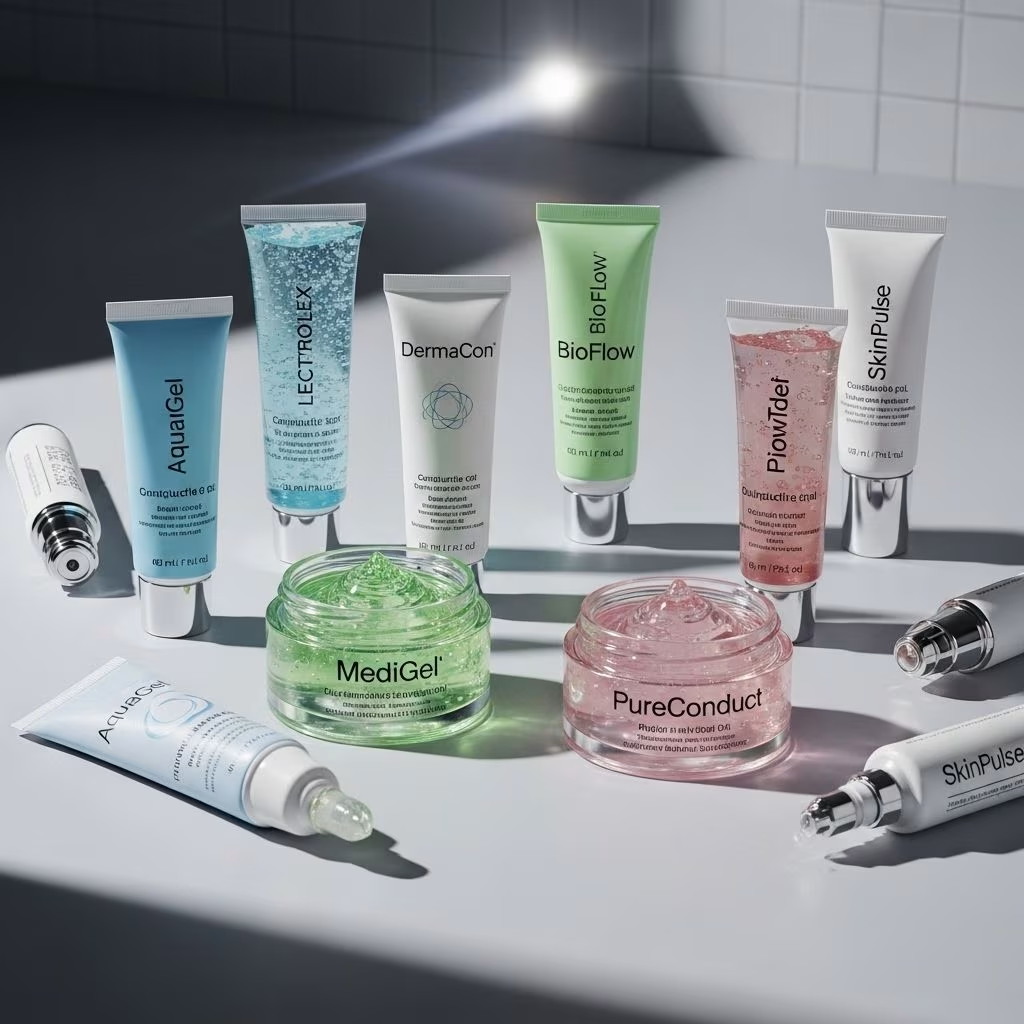
Microcurrent facial devices have revolutionized non-invasive skin care by offering lifting and toning benefits with zero downtime. However, these benefits only manifest if the electrical current is delivered efficiently and comfortably—and that’s where conductive gels make all the difference. This comprehensive guide dives deep into the purpose, science, key ingredients, and best choices for conductive gels, helping you achieve spa-quality results at home.
Why Conductive Gel Matters
Conductive gels are an essential partner for any microcurrent facial device. Attempting a microcurrent facial without a suitable gel is both uncomfortable and ineffective. Here’s why conductive gels are non-negotiable:
- Assist Current Flow: Conductive gels enable the electrical impulses from your device to pass efficiently through the skin, ensuring optimal delivery of the treatment’s benefits.
- Protect and Soothe: Without a gel, users often experience stinging, burning, or irritation. Conductive gels act as a protective barrier, reducing discomfort and enhancing glide.
- Boost Efficacy: Many leading conductive gels are formulated with active ingredients that hydrate, plump, and nourish, allowing users to address skin-specific concerns during their microcurrent session.
In summary, conductive gel is the medium that makes microcurrent facial therapy possible, enjoyable, and effective.
How Conductive Gels Work with Microcurrent Devices
Microcurrent devices deliver low-level electrical currents to the skin to stimulate underlying tissues and muscles. However, the outer layer of skin tends to be dry and resistant to electrical flow. Conductive gels address this challenge by:
- Lowering Skin Resistance: The water and electrolytes in conductive gels create a low-resistance pathway, enabling smooth current flow into the skin.
- Increasing Surface Contact: The viscous texture ensures more even and consistent electrode-to-skin contact throughout treatment.
- Enhancing Active Ingredient Penetration: Some gels include charged ingredients (like minerals or hyaluronic acid) that can help deliver benefits more deeply.
- Ensuring Safety and Comfort: The gel prevents potential irritation from direct electrode contact.
To summarize, a conductive gel is critical for maximizing both the efficacy and comfort of microcurrent facial treatments.
Key Factors in Choosing a Conductive Gel
With dozens of conductive gels on the market—ranging from simple saline gels to luxurious, ingredient-rich formulas—making the right choice is crucial. Here are the most important factors to consider:
- Water-Based Formula: Oil-based gels are not suitable, as they do not conduct electricity. Ensure the ingredient list starts with water (aqua/eau).
- Conductivity Enhancement: Look for gels containing added electrolytes or minerals to boost conductivity.
- Skin Feel and Texture: A good gel should be comfortable, not sticky or greasy, and should not drip or dry out quickly.
- Pigmentation and Scent: Most users prefer clear and fragrance-free options, especially for sensitive skin or use around the eyes.
- Added Skin Benefits: Many premium gels include hyaluronic acid, collagen, aloe vera, and antioxidants to hydrate or target specific skin concerns.
- Compatibility with Device: Check whether the brand or manufacturer recommends specific gels for their microcurrent devices.
- Residue and Wash-Off: Ideally, the gel should rinse off easily without leaving a residue—or offer skin-nourishing benefits if left on.
- Price and Size: Consider how much product you’ll use per treatment and gauge value for money accordingly.
Best Conductive Gels Recommended by Experts
The following conductive gels have consistently received high marks from skincare professionals and device manufacturers for their efficacy, comfort, and skin-boosting ingredients:
| Product Name | Key Ingredients | Targeted Skin Concerns | Notable Benefits | Texture/Skin Feel |
|---|---|---|---|---|
| SBC Hydra-Collagen Gel | Marine Collagen | Firming, Anti-ageing, Hydration | Plumping, Youthful appearance | Light, Leaves skin moist |
| SBC Propolis Gel | Propolis Extract | Sensitive, Breakouts, Barrier repair | Soothes irritations, Restores moisture | Comforting, Light |
| SBC Aloe Vera Gel | Aloe Vera, 98% Water | Hydration, Soothing, Dewy glow | Cools, Reduces inflammation | Non-sticky, Refreshing |
| SBC Rosehip Oil Gel | Rosehip Oil, Vitamins A, C, E | Brightening, Radiance, Collagen boost | Improves glow, Stimulates renewal | Smooth, Absorbent |
| 7E Wellness ReStore Anti-Aging Gel | Hyaluronic Acid, Botanicals | Plumping, Fine lines, Dryness | High hydration, Nourishing | Rich, Lasting |
| ZIIP Electric Complex Gel | Active Minerals, Skin Complex | Firming, All skin types | Optimizes microcurrent delivery | Luxurious, Silky |
| SBC Cucumber Gel | Cucumber Extract, Vitamins A & E | Puffiness, Eye area care | Reduces swelling, Gentle | Light, Non-greasy |
| SBC Sea Minerals & Blue Algae | Spirulina, Zinc, Magnesium | Breakouts, Barrier support | Soothes, Restores, Mineral-rich | Refreshing, Dewy finish |
Devices from NuFACE, ZIIP, and 7E Wellness often come with their own proprietary gels, but many users successfully use compatible third-party gels as long as they are water-based and have high conductivity. Always verify with your device manufacturer if in doubt.
Conductive Gel Ingredients Overview
Most high-quality conductive gels share several ingredients crucial to their performance. Here’s what to expect and why each matters:
- Water (Aqua/Eau): The foundation of any conductive gel, acting as the primary conductor for electrical current.
- Electrolytes (Minerals): Ingredients like sodium chloride, potassium, magnesium, and calcium support effective conduction and sometimes provide added skin benefits.
- Glycerin: A popular humectant, helping skin retain moisture for a plumper look post-treatment.
- Botanical Extracts: Aloe vera, cucumber, rosehip, and seaweed are frequently added for soothing, hydrating, and antioxidant benefits.
- Hyaluronic Acid: A stand-out for deep hydration, making it a staple in many anti-ageing conductive formulas.
- Collagen or Marine Collagen: Supports elasticity and gives a firmer post-treatment feel to the skin.
- No Oils or Silicones: These substances block conductivity. Check ingredient lists for oil-free claims.
- No Strong Fragrances/Preservatives (for sensitive skin): Prefer gentle, hypoallergenic formulas, especially for facial and eye use.
DIY and Alternative Conductive Gels: Are They Effective?
In pursuit of cost savings, some users consider alternatives to branded conductive gels—including DIY mixtures or substitutes like simply using water or aloe gel. Here’s how these stack up:
- Plain Water: Technically conducts electricity when skin is wet but evaporates quickly and does not provide the protective or hydrating benefits of a proper gel. It also does not ensure comfort or glide.
- Aloe Vera Gel: Pure, water-based aloe vera gel can be a fair substitute for some devices. Ensure it’s fully water-based, with no added oils or non-conductive ingredients.
- DIY Saline or Glycerin Mixes: Home recipes can occasionally be effective, but lack the optimized viscosity, stability, and skin comfort of laboratory-tested products.
- Other Commercial Gels: Ensure any alternative is labeled as water-based and conductive. Many ultrasound gels and some ECG gels are suitable, but check for skin compatibility.
For best results—and to maintain device warranties—it is usually safest to choose a gel designed and labeled specifically for microcurrent or aesthetic device use.
How to Use Conductive Gel Correctly
Maximizing your microcurrent results is as much about correct application as it is about gel choice. Follow these steps for best outcomes:
- Start with a clean, dry face to avoid trapping dirt or oil under the gel.
- Apply a generous layer of gel to the treatment area. For most devices, use 4-8 pumps or a visible, comfortable film to ensure proper conduction.
- Work in sections if needed so the gel does not dry out during a longer treatment session.
- After treatment, either rinse off the gel with water or gently massage remaining product into the skin if the gel is formulated to leave on (many are).
- Follow with your usual skincare products as desired.
Proper gel use ensures both the comfort and the full potential of your home microcurrent therapy.
Frequently Asked Questions (FAQs)
Q: What happens if I use a microcurrent device without conductive gel?
A: Without conductive gel, the electrical current cannot pass efficiently into the skin. The device will work poorly or not at all, and you may experience discomfort or irritation.
Q: Can I use any water-based gel for my microcurrent device?
A: Most water-based gels are safe, but gels specifically designed for conductivity are best. Avoid any products with oils, silicones, or heavy fragrances.
Q: Are their differences between conductance gels for face and body?
A: Many gels are suitable for both, but facial gels often contain additional ingredients for sensitivity or anti-aging, while body gels may focus on gliding and simplicity.
Q: Is it safe to leave a conductive gel on after treatment?
A: If the gel is formulated for leave-on use and contains beneficial skin-care ingredients, it’s generally safe. Otherwise, rinse as directed.
Q: Are NuFACE, ZIIP, or 7E Wellness proprietary gels worth the higher price?
A: Branded gels are designed to maximize compatibility and safety and often include premium ingredients. However, quality third-party gels may perform similarly as long as they are water-based and highly conductive.
Conclusion
Choosing the right conductive gel is the foundation of effective, safe, and comfortable microcurrent facial treatments. Whether you prioritize anti-aging, hydration, or soothing sensitive skin, today’s market offers diverse options—many with added therapeutic benefits. Always prioritize water-based, highly conductive gels with bonus skin-nourishing actives, and follow application best practices for optimal results.
References
- https://sbcskincare.co.uk/blogs/news/best-conductive-gel-for-your-microcurrent-device
- https://www.7ewellness.com/collections/conductive-gels
- https://www.wearebodybeautiful.com/best-nuface-gel-substitute/
- https://ziipbeauty.com/blogs/home/microcurrent-gels
- https://www.youtube.com/watch?v=OAd5i8ZiNzM
- https://vanityowl.com/microcurrent-gel
- https://www.goodhousekeeping.com/beauty/anti-aging/g44212286/best-microcurrent-devices/


