


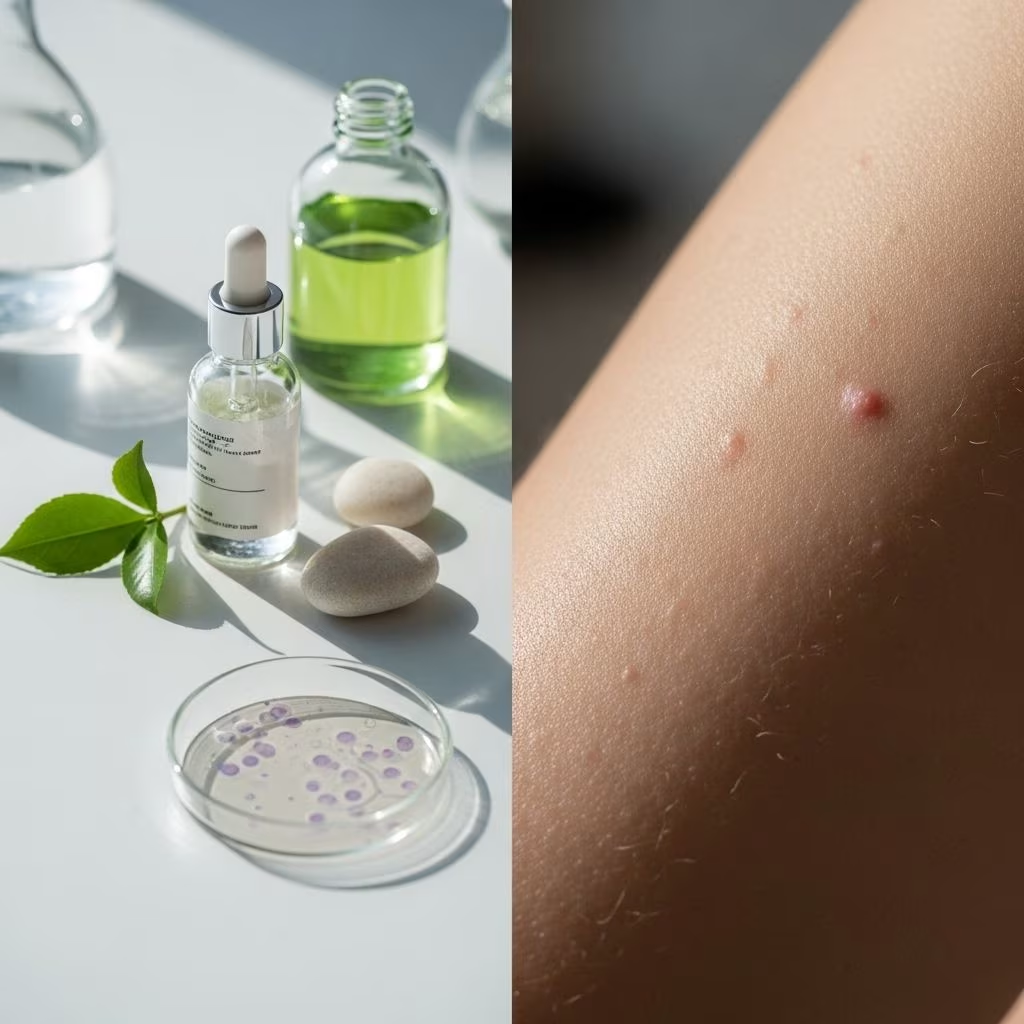
AHAs & BHAs for Keratosis Pilaris (KP) Treatment: Science, Benefits, and Expert Routine
Keratosis Pilaris (KP) afflicts millions with rough, bumpy skin—often appearing as ‘chicken skin’ on arms, thighs, or buttocks. Although harmless, KP can be frustrating for those seeking smooth, even-toned skin. In recent years, the use of alpha hydroxy acids (AHAs) and beta hydroxy acids (BHAs) has emerged as one of the most validated, dermatologist-approved strategies for managing these symptoms effectively.
What is Keratosis Pilaris?
Keratosis Pilaris (KP) is a common skin condition characterized by small, rough, flesh-colored or red bumps, often described as resembling ‘chicken skin’ or ‘strawberry skin.’ KP occurs when keratin, a protein that protects the skin, builds up and blocks hair follicles. This build up leads to the distinctive bumpy, rough patches on the skin.
- Non-contagious & harmless – KP is not medically dangerous but can impact self-confidence.
- Sites commonly affected: Upper arms, thighs, buttocks, sometimes the cheeks.
- Onset: Typically begins in childhood and improves with age, though it may persist into adulthood.
- Symptoms: Rough texture; small hard bumps; mild redness; possible post-inflammatory hyperpigmentation.
KP is largely genetic, so while strategies exist to reduce its visibility and smooth skin, there is no permanent cure.
Benefits of AHAs & BHAs for KP
Both AHAs and BHAs are chemical exfoliants proven to help manage KP by targeting its root cause: dead skin and keratin plug buildup.
- Smoothens rough texture: Dissolves dead skin and keratin plugs.
- Prevents clogged follicles: Reduces formation of new bumps.
- Fades dark spots: Helps improve post-inflammatory hyperpigmentation left behind by scratching or irritation.
- Reduces redness/inflammation: BHAs, in particular, offer anti-inflammatory benefits.
- Evens skin tone: Regular use can result in firmer, healthier-looking skin.
While they do not offer a cure, regular application can greatly improve appearance, texture, and comfort of KP-prone skin.
How Do AHAs & BHAs Work?
AHAs (Alpha Hydroxy Acids) and BHAs (Beta Hydroxy Acids) work through chemical exfoliation, a process distinct from physical scrubbing. Here’s how each type functions:
AHAs (Alpha Hydroxy Acids)
- Key ingredients: Glycolic acid, lactic acid, mandelic acid
- Mechanism: Operate on the skin’s surface, weakening bonds between dead skin cells to facilitate gentle sloughing.
- Best for: Smoothing rough patches, evening tone, improving skin glow.
BHAs (Beta Hydroxy Acids)
- Key ingredient: Salicylic acid
- Mechanism: Oil-soluble, penetrates into pores to dissolve debris, clear blockages, and reduce inflammation.
- Best for: Treating bumps and associated redness, reducing follicular plugging.
Chemical exfoliation is often favored over physical exfoliants because it’s less likely to injure or further irritate KP-prone skin.
Choosing the Right Exfoliant: AHAs vs BHAs
| Feature | AHAs | BHAs |
|---|---|---|
| Water Solubility | Water-soluble – acts on surface | Oil-soluble – penetrates pores |
| Action | Dissolves dead cells for smoother texture | Unclogs follicles, reduces inflammation |
| Common Acids | Glycolic, lactic, mandelic | Salicylic acid |
| Best For | Rough, uneven tone | Red, inflamed bumps |
| Frequency | Daily/tolerated use | 2-3x per week, increase gradually |
Most dermatologists recommend a combination approach for optimal results, layering AHAs for surface smoothing and BHAs for deeper decongestion.
How to Use AHAs & BHAs for KP
Proper application and a gentle, consistent approach are crucial for maximizing benefits and minimizing side effects:
- Start low, go slow: Begin with 2–3 applications per week to assess tolerance, gradually increasing frequency as skin adapts.
- Use on freshly cleansed, dry skin: Apply exfoliant after showering, when skin is clean and receptive.
- Layer products correctly: Apply AHA/BHA serum or lotion, wait for absorption, then follow with a gentle moisturizer to prevent dryness.
- Protect from sun: Skin becomes more sensitive to UV rays after chemical exfoliation. Apply SPF 30+ daily, especially on exposed areas.
- Do not combine harsh actives: Avoid using retinoids, strong scrubs, or other potent acids on the same day without dermatologist consultation.
Step-by-Step KP Exfoliation Routine
- Shower and pat skin dry gently.
- Apply AHA/BHA treatment to affected areas (arms, thighs, buttocks). Use one to two pumps or a thin layer.
- Let serum/lotion absorb fully (about 2-5 minutes).
- Follow with a hydrating, fragrance-free moisturizer.
- Use sunscreen on treated areas. Reapply if exposed to sunlight during the day.
Consistency is key: KP requires ongoing care for lasting improvements. Avoid over-scrubbing or layering too many actives to prevent irritation.
Expected Results and Timeline
| Week | Noticeable Changes |
|---|---|
| 1–2 | Smoother skin feel, initial reduction in roughness |
| 3–4 | Bumps less visible |
| 5–6 | Fading of dark spots, improvement in skin tone |
| 8+ | Maintained texture, even complexion with consistent use |
It may take 6–8 weeks of regular use to see full results. Improvements are gradual. KP often becomes less noticeable with age, but ongoing management is usually necessary for optimal skin texture.
Tips to Maximize Results and Safety
- Don’t scrub aggressively: Let chemical exfoliants do the work. Physical scrubbing can worsen irritation or inflammation.
- Moisturize daily: Softening the keratin plugs helps exfoliants perform better and keeps skin supple.
- Wear loose, breathable clothing: Reduces friction that can aggravate KP-prone skin.
- Watch for side effects: Redness, burning, excessive peeling require reducing frequency or switching product.
- Consult a dermatologist for severe cases: They may suggest prescription creams (retinoids, steroids) or laser intervention.
- Patch test new products: Check for allergies or intolerance before applying widely.
Product Recommendations
Look for formulations specifically geared for body use, ideally combining multiple acids for ‘layered exfoliation.’ Effective options may include:
- 7% AHA/BHA Exfoliating Serum: Typically formulated with 5% glycolic, 1% lactic, and 1% salicylic acid. Suitable for large areas, fragrance-free, and hydrating.
- Body lotions containing glycolic or lactic acid: Designed for smoother texture and even tone.
- Salicylic acid creams or gels: Target inflamed or red bumps.
- Additional hydrating ingredients: Hyaluronic acid, panthenol, shea butter, and aloe vera promote comfort and skin barrier health.
Always check the concentration of acids—a 5–10% AHA concentration and 1–2% BHA is usually effective and safe for body application.
Frequently Asked Questions (FAQs)
Q: Are AHAs and BHAs safe for sensitive skin?
Both types are generally safe when used as instructed. Sensitive skin should start with a lower frequency and patch test before wider application. Seek gentle, fragrance-free formulations.
Q: Can KP be cured permanently?
No. KP is genetic and cannot be permanently cured. Consistent skincare can keep it under control and greatly improve texture and appearance.
Q: How long until I see results?
Noticeable improvement often occurs within the first few weeks, with full results in about 6–8 weeks of regular use.
Q: Should I combine AHAs/BHAs with physical exfoliants?
Typically, avoid combining chemical exfoliants with physical scrubs to prevent irritation. Use one method at a time unless a dermatologist advises otherwise.
Q: Is sunscreen really necessary?
Yes. AHAs and BHAs increase photosensitivity, making sunscreen use essential—even on cloudy days or for areas rarely exposed to sun.
Q: What if my KP is severe or unresponsive?
Consult a dermatologist. Prescription options include retinoids, topical steroids, and laser therapy. These should only be used when over-the-counter methods are insufficient.
Q: What ingredients should I avoid if prone to KP?
Alcohol-heavy, fragranced products, and harsh scrubs may worsen dryness and irritation. Look for calming, hydrating formulations instead.
Conclusion: Confidently Addressing KP with AHAs & BHAs
Adding AHAs and BHAs to your body care routine can help smooth bumpy, uneven skin, brighten dark spots, and create a healthier appearance. While KP cannot be eliminated forever due to its genetic roots, modern exfoliating acids, combined with smart moisturizing and proper sun protection, offer one of the most effective and manageable approaches available today. With consistency, patience, and expert-backed product selection, clear, soft skin is within reach.
References
- https://india.wildoak.store/blogs/skincare-ingredients/aha-bha-serums-for-keratosis-pilaris-kp-do-they-work
- https://www.cosmopolitan.com/style-beauty/beauty/g28724413/best-keratosis-pilaris-treatments/
- https://www.usdermatologypartners.com/press-media/13-best-treatments-for-keratosis-pilaris/
- https://pubmed.ncbi.nlm.nih.gov/38447098/
- https://thecuriousdermatologist.com/articles/effective-keratosis-pilaris-treatment-smooth-skin-is-possible-2
- https://dermatologyseattle.com/keratosis-pilaris-treatment-guide/
- https://www.cerave.com/skin-smarts/skincare-tips-advice/understanding-the-differences-between-ahas-and-bhas
- https://pmc.ncbi.nlm.nih.gov/articles/PMC11626356/


