


Table of Content
- What Are Broken Capillaries?
- Causes of Broken Capillaries
- How Lasers and IPL Work
- Types of Lasers for Facial Redness
- Benefits and Side Effects
- Laser Treatment Procedure
- Frequently Asked Questions
What Are Broken Capillaries?
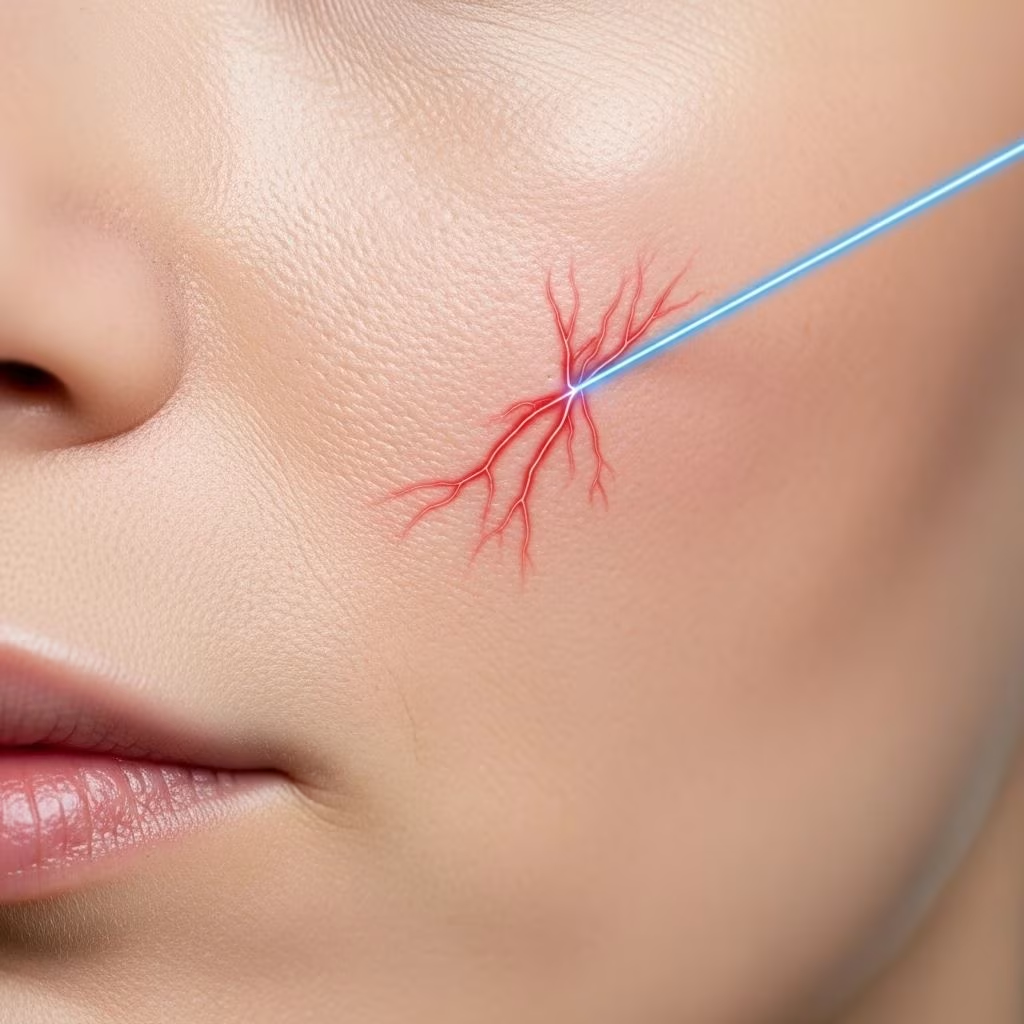
Broken capillaries, commonly known as telangiectasia or spider veins, are small, dilated blood vessels that appear close to the skin’s surface. They are often visible as red or purple spots and lines on the face, particularly around the cheeks, chin, and nose. These small vessels can cause noticeable redness and flushing, leading to uneven skin tones.
Causes of Broken Capillaries
Broken capillaries can result from various factors, including:
- Genetic Predisposition: Some individuals are more prone to developing broken capillaries due to their genetic makeup.
- Pregnancy and Hormonal Changes: Hormonal fluctuations can cause blood vessels to dilate, leading to broken capillaries.
- Extreme Temperature Fluctuations: Exposure to sudden changes in temperature can cause the blood vessels to expand and contract rapidly, potentially leading to damage.
- Sun Exposure: UV rays can weaken the skin and make blood vessels more visible.
- Harsh Skincare Products: Using products with strong acids or other irritants can damage the skin and lead to broken capillaries.
- Smoking and Excessive Drinking: These habits can weaken the overall health of the skin and blood vessels.
- Rosacea and Other Skin Conditions: Conditions like rosacea can cause redness and broken capillaries.
How Lasers and IPL Work
Laser treatments and Intense Pulsed Light (IPL) are effective methods for reducing facial redness and visible capillaries. These non-invasive procedures use focused light energy to target and shrink dilated blood vessels without damaging surrounding skin.
Laser Therapy Explained
Laser therapy targets the hemoglobin in the blood vessels, causing them to absorb the light energy. This energy heats the blood vessels, leading to their eventual closure and reabsorption by the body, thus reducing the appearance of redness and capillaries.
IPL (Intense Pulsed Light) Explained
IPL is a broad-spectrum light source that targets the blood vessels beneath the skin’s surface. It is effective in treating various skin conditions, including rosacea and broken capillaries, by reducing redness and improving skin tone.
Types of Lasers for Facial Redness
Several types of lasers are used to treat facial redness and capillaries:
- Intensity Pulsed Light (IPL): Recommended for treating rosacea and broken capillaries, IPL is versatile and effective for various skin tones.
- Pulsed Dye Lasers (PDL): These lasers, such as the Vbeam Perfecta, are highly effective for treating individual blood vessels and are often used for rosacea and port-wine stains.
- Nd:YAG Lasers: Less painful and suitable for deeper, larger vessels, though less effective for fine redness.
- Laser Genesis: Stimulates collagen production, which helps improve skin elasticity and reduces the appearance of fine capillaries.
Benefits and Side Effects
The benefits of laser and IPL treatments include:
- High Success Rate: Both lasers and IPL have shown significant success in reducing the appearance of broken capillaries.
- Non-Invasive: These treatments do not require incisions, making them safe and appealing for cosmetic purposes.
- Minimal Downtime: Most patients can resume their daily activities immediately after treatment.
Common side effects include temporary redness and swelling, which typically resolve within a few days.
Laser Treatment Procedure
A typical laser treatment session lasts about 15 minutes. Patients may feel a slight snapping sensation during the procedure, which is generally well-tolerated. It is essential to consult with a board-certified dermatologist to determine the best laser type for your specific condition.
Frequently Asked Questions
Q: How effective are lasers for treating broken capillaries?
A: Laser treatments are highly effective for reducing the appearance of broken capillaries. They can significantly improve skin appearance by targeting and removing dilated blood vessels.
Q: How long does it take to see results from laser treatments?
A: Results from laser treatments can vary, but most individuals start noticing improvements within a few weeks. Depending on the severity of the condition, multiple sessions may be required.
Q: Are laser treatments painful?
A: Laser treatments are generally well-tolerated, with some patients describing the sensation as similar to a rubber band snapping against the skin.
Q: What are the potential side effects of laser treatments?
A: Common side effects include temporary redness and swelling, which usually resolve within a few days. Serious side effects are rare but can include skin discoloration or infection.
Q: Can IPL and lasers treat other skin conditions?
A: Yes, both IPL and lasers are versatile and can be used to treat various skin conditions, including rosacea, acne scars, and vascular birthmarks.
References
- https://www.dermatologist-nyc.com/broken-capillaries-on-face-treatment/
- https://www.advancedderm.com/services/cosmetic-dermatology/laser-energy-treatments/redness-and-broken-blood-vessels
- https://drrochlin.com/laser-treatment-for-broken-capillaries/
- https://www.bcm.edu/healthcare/specialties/dermatology/laser-surgery/laser-treatment-of-redness-and-blood-vessels
- https://zecca.com.au/pros-and-cons-of-vascular-laser/
- https://pmc.ncbi.nlm.nih.gov/articles/PMC8611125/
- https://www.webmd.com/skin-problems-and-treatments/what-to-know-about-laser-treatment-rosacea
- https://www.rebeccafitzgeraldmd.com/blog/7-faqs-about-vbeam-laser-treatment/


