


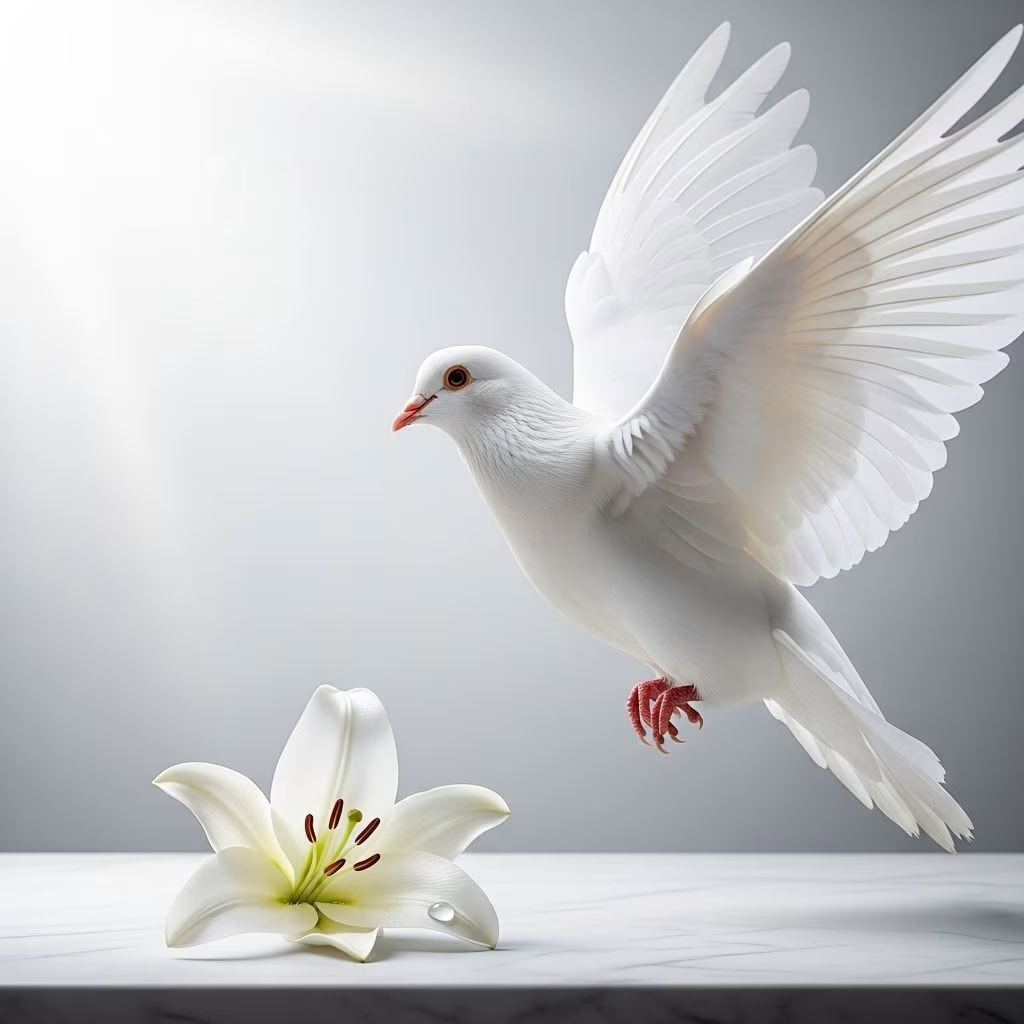
The color white is often seen as simple or even unremarkable, but it holds powerful psychological, cultural, and emotional significance. From its role in symbolizing purity and innocence to its use in clinical settings and branding, white shapes perceptions and emotional responses in profound ways. This article explores the meaning, effects, and symbolism of white, considering both its psychological influence and its interpretation across various cultures and contexts.
What Does the Color White Mean?
White is a color that stands apart in color psychology due to its associations and diverse interpretations across societies. At its core, white represents:
- Purity: Widely seen as a symbol of unspoiled nature or innocence.
- Cleanliness: Suggests sanitation, sterility, and freshness.
- Innocence: Associated with naivete, simplicity, and goodness.
- Space: Evokes openness, minimalism, and lightness.
- Neutrality: Implies impartiality or the absence of bias.
- Mourning (in some cultures): For example, in East Asian cultures, white is often worn to funerals and symbolizes loss or death.
Although perceptions of white can differ, many psychological associations are universal, affecting everything from interior design to emotional behavior.
Psychological Effects of White
Color psychology studies have shown that white can have a variety of effects on the human mind and mood. These include:
- Promotes Calm and Clarity: White often inspires feelings of peace, clarity, and calm. It is frequently used in therapy and healthcare settings due to its reputation for minimizing distraction and providing a clean slate for thought and healing.
- Suggests Cleanliness: White is the dominant color in hospitals and clinics, conveying hygiene and sterility but also evoking a sense of detachment or impersonal care.
- Can Create a Feeling of Emptiness: While white can make spaces appear larger and brighter, excessive use can evoke a sense of emptiness, coldness, or loneliness. Too much white may appear clinical or devoid of personality.
- Enhances Perceived Space: Through its ability to reflect light, white visually expands the apparent size of interiors, making rooms feel open and airy.
- Induces a Sense of Order: Associated with minimalism and organization, white’s blank quality can help reduce overstimulation and clutter.
Overall, the psychological impact of white depends on context, lighting, and balance with other colors.
Symbolism of White
The color white carries significant symbolic meanings that influence how it is used and perceived in both daily life and special occasions.
Positive Symbolism
- Purity and Innocence: White is commonly used in weddings and religious ceremonies to represent chastity and virtue.
- New Beginnings: Much like a blank canvas, white suggests opportunities for a fresh start or renewal.
- Peace and Unity: The white dove and the white flag are universal symbols of peace and surrender.
- Goodness: In stories and media, white is often associated with heroes and positive forces (e.g., the archetypal “white knight”).
Negative Symbolism
- Coldness, Emptiness, and Sterility: In excess, white can make environments feel unwelcoming or lifeless, as seen in some institutional spaces.
- Mourning or Death: In many Asian cultures, white is the traditional color of mourning, symbolizing endings and spiritual transition rather than purity or celebration.
- Blandness or Lack of Character: Spaces dominated by white may be perceived as lacking warmth, coziness, or individuality.
The same characteristics that make white feel fresh and pure can also render it sterile or alienating, depending on its application and cultural context.
Common Associations and Uses of White
White’s symbolic and psychological associations influence its application in many realms of life:
- Weddings: White gowns symbolize purity, especially in Western wedding traditions.
- Religion and Spirituality: Used in rituals and garments to represent inner purity and spiritual enlightenment.
- Healthcare: Doctors’ coats, hospital walls, and uniforms use white to signify cleanliness and hygiene.
- Interior Design: Popular for creating a sense of light, calm, and increased space in homes and offices.
- Branding and Marketing: Brands use white to communicate safety, modernity, and transparency. It provides contrast and clarity for logos and packaging.
- Flags and Diplomacy: The white flag universally signals peace or a request for negotiation.
Cultural Interpretations of White
The meaning of white can differ markedly across cultures, sometimes conveying entirely opposite ideas.
| Culture/Region | Common Symbolism of White |
|---|---|
| Western Europe & North America | Purity, innocence, peace, marriage, goodness |
| China, Korea, Malaysia (East Asia) | Mourning, death, funerals |
| Middle East | Purity, mourning (in some contexts), spiritual authority |
| India | Purity, cleanliness, mourning (especially for widows) |
These differences strongly influence how the color is chosen for rituals, celebrations, and clothing worldwide.
White in Design and Everyday Life
In design, architecture, and everyday products, white remains one of the most versatile and powerful colors:
- Minimalism: A hallmark of minimalist decor, white is paired with uncluttered spaces and natural light to evoke tranquility and focus.
- Contrast and Readability: Used as a background or negative space to highlight text, images, or objects, enhancing clarity and attention.
- Uniforms and Dress Codes: The ubiquity of white shirts and coats in certain professions signifies professionalism and cleanliness.
- Technology: White gadgets and devices suggest innovation and simplicity.
Pros and Cons of Using White in Design
| Advantages | Disadvantages |
|---|---|
|
|
White in Nature, Science, and Symbolic Dualities
Beyond cultural archetypes, the scientific and philosophical understanding of white also influences its symbolism.
- Composed of All Colors: In physics, white light is formed when all wavelengths of visible light combine. This scientific basis underpins white’s connotations of inclusivity, completeness, and impartiality.
- Opposite of Black: White and black are often seen as opposites. In concepts such as Yin and Yang, white represents positive, creative, or life-affirming forces balanced against the darkness, mystery, or finality of black.
- Nature: White animals and plants often symbolize rarity, purity, or supernatural grace (e.g., white doves, lilies, snow).
How Does White Affect Emotions and Behavior?
The color white’s influence on mood and behavior is context-driven yet consistent in certain settings:
- Promotes a Clean State: White surroundings often encourage the feeling of a fresh start or new beginnings.
- Calms and Reduces Stress: In rooms with natural light, white can lower agitation and heighten concentration.
- Fosters Order and Simplicity: Minimal white space is linked to organization and reduced anxiety, especially in busy environments.
- May Cause Boredom or Disconnection: When overused, white can dampen stimulation, leading to feelings of indifference or isolation.
Frequently Asked Questions (FAQs)
What emotions does the color white evoke?
White typically evokes emotions such as calmness, peace, and order. It can make spaces feel open, clean, and tranquil, but may also induce feelings of emptiness or coldness if used in excess.
How is white understood differently in Western and Eastern cultures?
In Western cultures, white is commonly linked to purity, innocence, and weddings. In many Eastern cultures, such as China and Korea, white is associated with mourning, funerals, and death, and is traditionally worn at memorial ceremonies.
Why is white popular in hospitals and medical settings?
White communicates cleanliness, hygiene, and sterility, which reassures patients about the safety and sanitation of healthcare environments. It also promotes a sense of calm and order, essential for both staff and patients.
How can white be effectively used in home or office design?
White works best when paired with other hues, textures, or natural light, creating balanced spaces that are bright, open, and inviting. Overuse should be avoided to prevent a sterile or empty atmosphere.
Is white always a symbol of positivity?
No. While white is often seen as positive due to its associations with purity, new beginnings, and peace, in some cultures it is connected with mourning, loss, or spiritual transition. Context is critical to its interpretation.
Conclusion
The color white may appear simple, but its psychological and cultural complexities create a dynamic presence in our lives. Whether representing purity, emptiness, or renewal, white’s impact depends on context, tradition, and personal experience. Understanding the layered meanings of white enables more mindful choices in design, communication, and self-expression, ensuring that its powerful symbolism serves the intended purpose—whether it’s to create calm, signify celebration, express mourning, or inspire new possibilities.
References
- https://skoll.altervista.org/white/
- https://joliveirapaintingcompany.com/blog/the-psychology-of-color-selection-how-colors-can-positively-affect-your-mind-and-emotions
- https://www.herculture.org/blog/2020/10/5/the-psychology-of-colors
- https://bestrong.global/bullying-resources/2023/color-psychology-does-it-affect-how-you-feel/
- https://nedgraphics.com/blogs/color-explosions-color-psychology-drives-creativity-and-profit-in-textile-designs/
- https://www.byarcadia.org/posts/visual-communication:-color-psychology


