


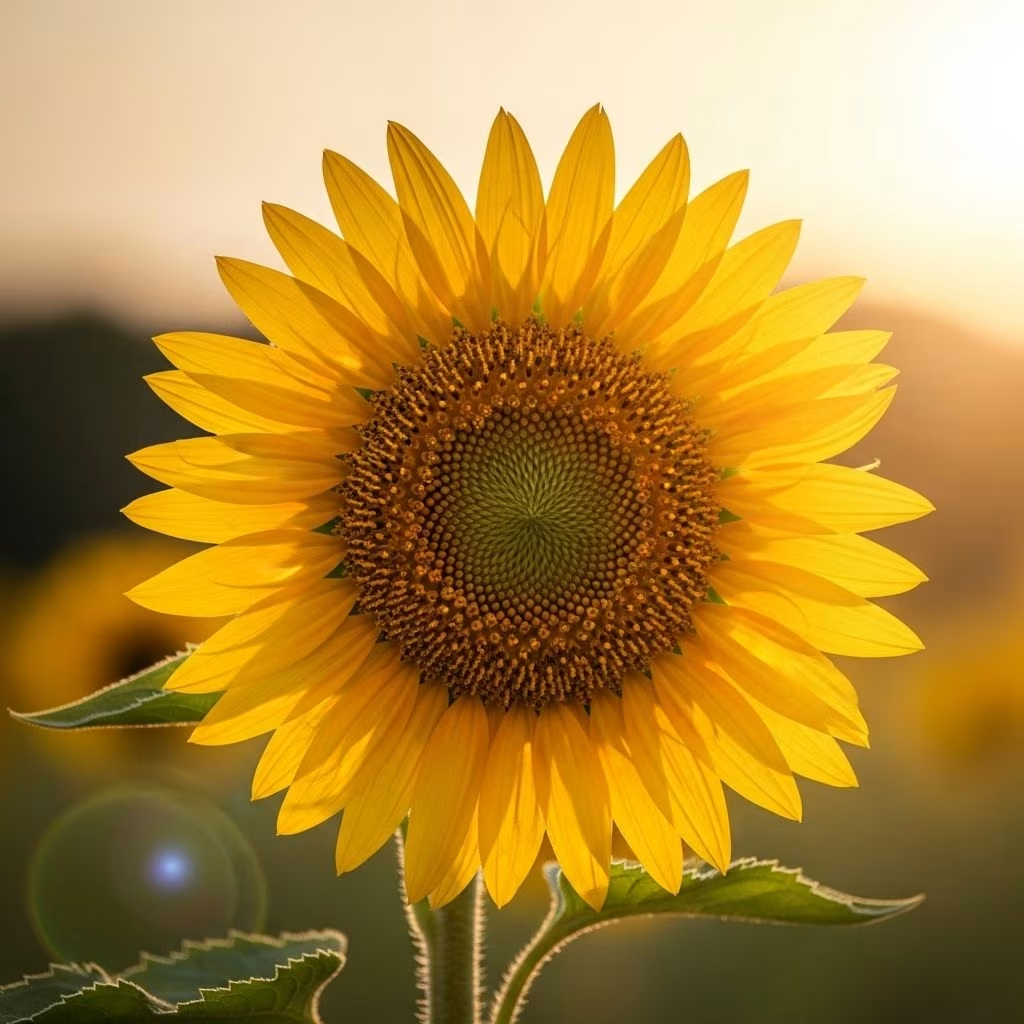
The color yellow stands out in the spectrum for its vibrance and psychological power. It is a hue deeply woven into human culture, communication, and emotional experience. This article explores yellow’s psychological meanings, emotional influence, common cultural associations, as well as practical tips for effectively using yellow in daily life and design.
What Is Color Psychology?
Color psychology is the study of how hues impact human mood, perception, and behavior. Colors have long been employed to signal intentions, shape environments, and even influence physiological reactions such as heart rate and alertness. While interpretations of color can vary by individual experience and culture, scientific research indicates certain widespread patterns in how colors affect us overall. Understanding these patterns is especially relevant for fields such as psychology, marketing, and interior design.
Yellow: Core Symbolism and Associations
Yellow is typically associated with:
- Happiness and joy: Frequently linked to sunlight, yellow evokes feelings of warmth, cheerfulness, and optimism.
- Intellect and energy: Yellow is thought to stimulate mental activity, creativity, and quick thinking.
- Hope and positivity: Cultures and studies often connect yellow with hopefulness and encouragement.
- Warning and alertness: Due to its high visibility, yellow is used for warnings and to attract attention, such as on caution signs and taxis.
Yellow’s qualities as an energizing and attention-grabbing color also mean it can evoke a range of emotions from excitement and inspiration to restlessness and anxiety, depending on the context and intensity.
Psychological Effects of Yellow
Yellow’s psychological effects span both positive and negative dimensions.
Positive Psychological Effects
- Mental stimulation: Yellow activates the left (analytical) side of the brain, encouraging learning, logic, and clarity of thought.
- Confidence and optimism: Exposure to yellow hues can uplift mood, boost enthusiasm, and spark a sense of hopefulness.
- Creativity: The mental association with new ideas and innovation is strong with yellow, which is often chosen in creative or brainstorming spaces.
- Communication: Linked to expression and sociability, yellow can foster openness and connection.
Negative Psychological Effects
- Anxiety and agitation: Overexposure to bright or saturated yellow, especially in confined spaces, may increase nervousness or irritability for some people.
- Criticism and judgment: Yellow’s analytic qualities can bring forth self-critical or judgmental moods, both toward oneself and others.
- Restlessness: Prolonged contact with intense yellow shades might make one feel unsettled or impatient.
Cultural Perspectives on Yellow
The associations and significance of yellow can vary across cultures:
- Western cultures: Yellow is generally tied to happiness, optimism, and energy, but can also signal caution or cowardice in certain idioms.
- Eastern cultures: In some Asian societies, yellow is linked with royalty, spirituality, or honor, and may have religious connotations.
- Danger and attention: Across many cultures, yellow’s high visibility makes it the color of warning signs and alert signals.
However, cultural symbolism is not universal: for example, what is considered cheerful yellow in one context may represent envy or deceit in another.
Different Shades of Yellow and Their Psychological Impact
| Shade | Typical Associations | Possible Emotional Responses |
|---|---|---|
| Light Clear Yellow | Clarity, alertness, open-mindedness | Mental clarity, alertness |
| Lemon Yellow | Orderliness, self-reliance | Greater sensitivity to criticism |
| Citrine | Fickleness, changeability | Emotional instability, avoidance of responsibility |
| Golden Yellow | Solitude, curiosity | Sensitivity, investigative spirit |
| Cream | Encouragement, new ideas | Lack of confidence, need for reassurance |
| Dark or Mustard Yellow | Melancholy, cynicism | Depression, lower self-worth |
Yellow in Daily Life: Design, Fashion, and Advertising
Interior Design
Yellow can bring light and positivity into a room. When used in moderation, it can make spaces feel larger, warmer, and more inviting. Designers often use pale yellow in kitchens or dining areas to stimulate appetite and encourage socializing. However, using intense yellow in large quantities or enclosed spaces may increase restlessness.
Fashion
Yellow clothing tends to be bold and eye-catching. People who wear yellow are often perceived as outgoing, creative, and energetic. However, some may avoid it due to its potential for drawing attention and its perceived association with clownishness or frivolity.
Branding and Advertising
- Visibility: Brands use yellow for packaging, signage, and advertising because it grabs attention quickly.
- Emotion: Fast food chains, children’s products, and entertainment companies use yellow to evoke feelings of happiness and fun.
- Warnings: Safety signs and vehicles such as taxis employ yellow for its universal recognizability and cautionary associations.
When to Use (and Avoid) Yellow
To maximize yellow’s positive effects and minimize drawbacks:
- Use yellow in creative or collaborative spaces to foster open thinking and optimism.
- Choose softer tones (pale, cream) for workspaces and bedrooms to avoid overstimulation.
- Reserve vibrant yellow for accents, accessories, or focal walls rather than entire rooms or surfaces.
- Be mindful of individual and cultural differences—some people are especially sensitive to intense yellow.
- Avoid using yellow in spaces designed for relaxation or in situations where nervousness needs to be minimized.
Summary Table: Positive and Negative Connotations of Yellow
| Positive | Negative |
|---|---|
|
|
Factors Impacting Reactions to Yellow
- Personal experience: Past events or memories tied to yellow may enhance or reduce its impact.
- Cultural background: Cultural symbolism and traditions play a large role in shaping yellow’s meaning.
- Current mood or environment: Sensitivity or stress levels may intensify one’s reaction to yellow surroundings.
- Age: Children often find yellow appealing, while adults’ preferences may shift based on context and use.
Yellow in Color Therapy (Chromotherapy)
Chromotherapy practitioners sometimes use yellow to encourage positive change in mood and mental state. It is thought to stimulate nerves, aid in digestion, and energize both mind and body. However, scientific evidence for these effects remains limited, and color therapy should complement—rather than replace—conventional medical treatment.
Practical Tips: Using Yellow Effectively
- Pair yellow with cooler hues (blue, green) to balance energy and reduce overstimulation.
- Introduce yellow through art, flowers, or decorative accents rather than large monochromatic areas.
- Use yellow to highlight important messages or safety information in documents and signage.
- Consider varying shades depending on function: use pale yellows for serenity, vivid yellows for stimulation.
- Regularly evaluate your environment to ensure the color balance feels pleasant, not overwhelming.
Frequently Asked Questions (FAQs)
Q: What emotions does yellow commonly evoke?
A: Yellow often brings about feelings of happiness, optimism, and cheerfulness. However, it can also cause agitation or anxiety when used excessively or in very bright shades.
Q: Why is yellow considered a warning color?
A: Yellow is highly visible even from a distance, making it ideal for drawing attention to hazards or important information. This is why it’s commonly used for road signs, animal warning colors, and safety messages.
Q: Can the meaning of yellow vary between cultures?
A: Yes, the symbolism of yellow shifts between cultural contexts. In Western cultures, it is mostly seen as joyful or energetic, while in sections of Asia, it is sometimes associated with royalty and honor, and elsewhere it may imply deceit or jealousy.
Q: Is yellow a good color choice for bedrooms?
A: It depends. Soft, muted yellows can create a cozy and cheerful feel, but intense yellows may increase restlessness and are generally less suitable for spaces meant for relaxation.
Q: How can I add yellow to a space without it feeling overwhelming?
A: Use yellow as an accent rather than the dominant color. Try adding yellow décor, artwork, or textiles, and balance with neutral or soothing tones to keep the environment inviting.
Conclusion
Yellow’s complex psychological profile makes it both inspiring and challenging. Associated with happiness, intellect, and alertness, it must be applied thoughtfully to harness its benefits without triggering discomfort. By understanding the varied effects of yellow, you can intentionally shape environments, moods, and even communication strategies to support wellbeing and productivity.
References
- https://www.empower-yourself-with-color-psychology.com/color-yellow.html
- https://bestrong.global/bullying-resources/2023/color-psychology-does-it-affect-how-you-feel/
- https://rowanblog.com/2025/04/the-psychology-of-colors/
- https://www.scribd.com/presentation/429142510/COLOR-PSYCHOLOGY-pptx
- https://blisslights.com/blogs/blisslights/bedroom-colors-and-moods-to-help-brighten-your-surroundings


