


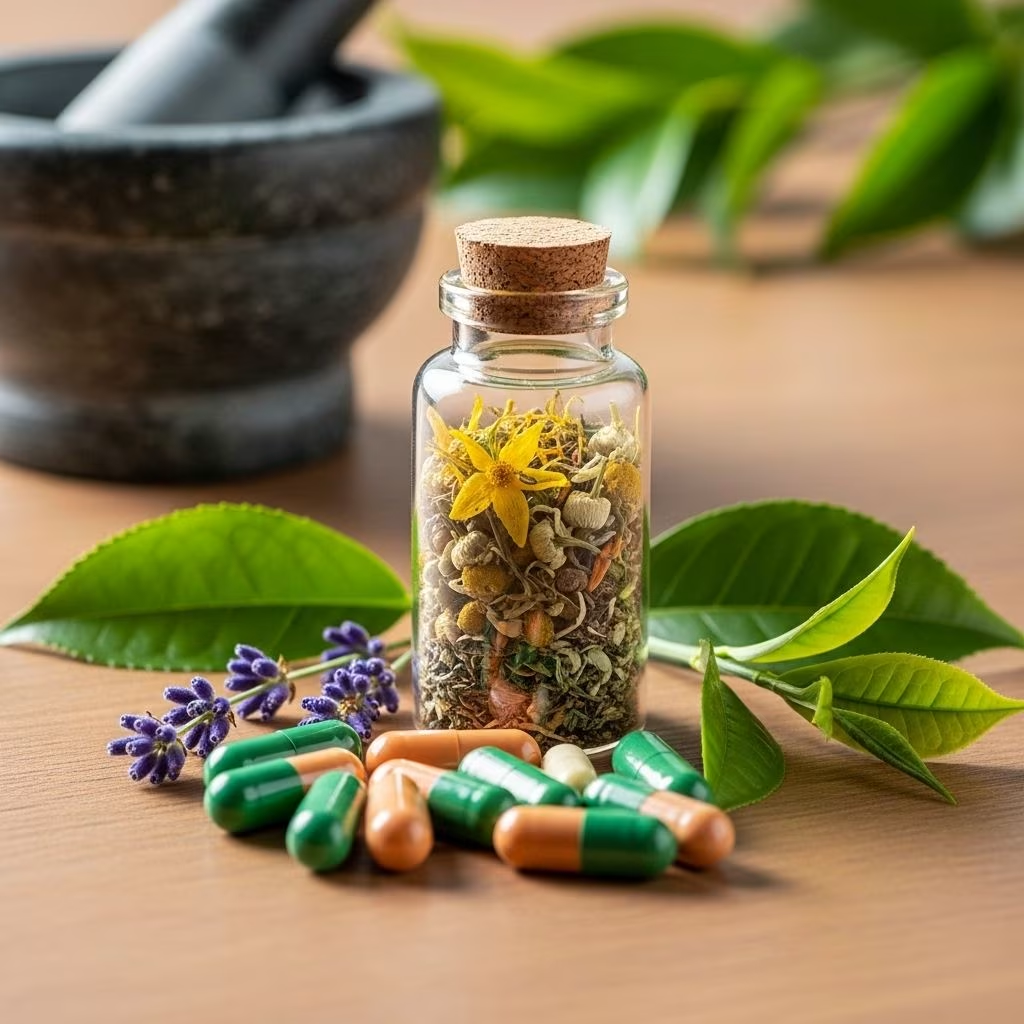
Over-the-Counter Antidepressants: An In-Depth Guide
Depression is a complex mood disorder affecting millions of people worldwide. While many effective prescription medications are available to treat depression, the search for accessible and alternative approaches has led some individuals to explore over-the-counter (OTC) antidepressants and natural remedies. This article provides a comprehensive overview of OTC and natural antidepressants, their effectiveness, safety, types, and practical advice for individuals considering these options.
What are Over-the-Counter Antidepressants?
Over-the-counter antidepressants refer to substances available without a prescription that claim to help alleviate symptoms of depression. These are most commonly categorized as herbal supplements, nutritional supplements, or lifestyle-based interventions, rather than regulated pharmaceutical drugs used for depression.
Key Points:
- OTC antidepressants are not the same as prescription antidepressant medications approved by health authorities such as the FDA.
- Most OTC options include herbal remedies, vitamins, minerals, and certain lifestyle changes believed to influence brain chemistry.
- Effectiveness and safety profiles for these alternative options vary considerably, and scientific evidence supporting their use is limited compared to prescription drugs.
Prescription Antidepressants vs. Over-the-Counter Options
| Feature | Prescription Antidepressants | OTC/Natural Alternatives |
|---|---|---|
| Regulation | Strictly regulated, require prescription | Limited regulation, available without prescription |
| Common Types | SSRIs, SNRIs, Tricyclics, MAOIs, Atypicals | Herbal supplements, vitamins, omega-3s |
| Evidence Base | Strong clinical evidence | Variable, often limited evidence |
| Safety Monitoring | Close medical supervision | Self-administered, variable quality control |
| Potential Risks | Known side effects and interactions | Interactions, contamination, unknown side effects |
Common Over-the-Counter and Natural Antidepressant Options
The most popular OTC and natural substances that people use for depressive symptoms include:
- St. John’s Wort (Hypericum perforatum): One of the most researched herbal remedies for depression. It appears to be more effective than placebo in mild to moderate depression, and in many trials, results are similar to those for low-dose tricyclic antidepressants.
- Omega-3 Fatty Acids: Found in fish oil and flaxseed, omega-3 supplements may help some people reduce depressive symptoms, particularly those with deficiencies or in conjunction with standard treatment.
- S-Adenosylmethionine (SAMe): A naturally occurring compound in the body, available as a supplement, with some studies showing benefit for depressive symptoms.
- 5-Hydroxytryptophan (5-HTP): A precursor to serotonin, sometimes used in supplement form, but evidence and safety data are limited.
- Rhodiola rosea: An adaptogenic herb, sometimes used to improve mood and combat stress, but with limited research supporting its antidepressant effects.
- Vitamins and Minerals: Vitamin D, B vitamins (especially folic acid and B12), and magnesium deficiencies have all been associated with a higher risk of depression and can be addressed with supplements if needed.
Other Notable Supplements and Approaches
- Exercise: Consistent aerobic exercise has shown significant benefits for mood regulation and depression symptoms over time.
- Light Therapy: Especially effective for seasonal affective disorder (SAD).
- Mind-Body Practices: Such as yoga, meditation, and mindfulness, which have moderate supportive evidence for boosting well-being and managing mild symptoms.
Effectiveness of OTC Antidepressant Options
The evidence supporting the effectiveness of OTC antidepressants varies widely between substances.
St. John’s Wort — The Most Well-Studied Herbal Antidepressant
St. John’s Wort has been the focus of extensive research. Key findings:
- Meta-analyses of clinical trials suggest St. John’s Wort is more effective than placebo and may be comparable to low-dose prescription antidepressants for mild to moderate depression.
- Response rates in clinical settings ranged from 35% to over 80% depending on the trial and population.
- St. John’s Wort was found to have fewer reported side effects compared to standard antidepressants like fluoxetine (Prozac), with rates of adverse events around 8% for St. John’s Wort compared to 23% for fluoxetine.
However, it is important to note:
- The product quality, dosing, and consistency of herbal supplements can vary significantly between brands.
- Effectiveness seems greatest for mild to moderate forms of depression;
it is not considered effective for severe depression or major depressive disorder. - There is a risk of serious drug interactions, particularly with SSRIs, birth control pills, warfarin, and certain other medications.
Other Supplements and Remedies
- The effectiveness of omega-3 fatty acids is generally modest, and best used as an adjunct to standard treatments.
- SAMe and 5-HTP show some promise in small studies, but robust evidence is lacking.
- Rhodiola and other adaptogens require more and higher-quality research before clear conclusions can be drawn.
- Vitamins and minerals only impact mood if correcting an existing deficiency.
Safety Considerations and Risks
While OTC and natural options are generally perceived as safer, they are not without risks. Key safety points include:
- Drug Interactions: St. John’s Wort is a potent inducer of liver enzymes, leading to lowered effectiveness or increased clearance of many prescription drugs, including antidepressants, birth control, and anticoagulants.
- Side Effects: Even natural supplements can cause adverse effects such as gastrointestinal distress, headache, dizziness, insomnia, or allergic reactions.
- Quality Control Issues: Unlike prescription medications, the manufacturing and labeling standards of supplements are not tightly regulated, leading to variability in dosage, purity, and contents.
- Delayed Appropriate Treatment: Relying solely on unproven remedies can delay receiving evidence-based care for moderate to severe depression, potentially worsening outcomes.
Understanding Depression and Recognizing When to Seek Help
Depression can affect anyone at any stage in life and may manifest as persistent sadness, hopelessness, lost interest in activities, changes in appetite or sleep, low energy, and difficulty functioning.
Sometimes, depression is short-lived and connected to specific events (e.g., bereavement, job loss), but it can also be part of a chronic mental health disorder that requires medical intervention.
It is crucial to seek professional advice if you experience:
- Symptoms of depression that last more than two weeks
- Thoughts of self-harm or suicide
- Severe loss of function or ability to perform daily activities
- Symptoms not improving or worsening with self-help and OTC approaches
Frequently Asked Questions (FAQs)
Q: Can I use over-the-counter antidepressants for major depression?
A: OTC options are not recommended for moderate to severe major depression. Most natural and OTC approaches show at best modest efficacy in mild or situational depression.
Q: Are herbal antidepressants safe to combine with prescription medication?
A: Many herbal remedies, especially St. John’s Wort, can interact dangerously with prescription drugs. Always consult a doctor or pharmacist before combining supplements with medications.
Q: How long does it take for OTC natural remedies to work?
A: For those who do benefit, most natural remedies may require 4–8 weeks of consistent use to notice any improvement, similar to prescription antidepressants. However, results are variable.
Q: Can lifestyle changes really help with depression?
A: Yes. Exercise, social support, adequate sleep, and proper nutrition are well-supported by research as beneficial adjuncts for mood improvement.
Q: Is it safe to stop prescription antidepressants and switch to natural alternatives?
A: Do not stop prescription medications abruptly or substitute them with OTC remedies without medical supervision. Stopping antidepressants suddenly can cause serious withdrawal symptoms and relapse of depression.
Choosing the Right Approach
Deciding whether to use an OTC or natural antidepressant depends on your specific symptoms, the severity of your depression, and your overall health profile. Consider the following before starting any new supplement:
- Consult a qualified healthcare provider, especially if you have a medical condition, are pregnant, or take other medications.
- Be cautious of bold product claims not supported by clinical research.
- If you notice any adverse effects or your symptoms worsen, discontinue use and contact your doctor.
Summary Table: Common Over-the-Counter and Natural Antidepressants
| Remedy | Evidence Base | Potential Risks |
|---|---|---|
| St. John’s Wort | Strong for mild-moderate depression; clinical trials and meta-analyses | Major drug interactions; variable product quality |
| Omega-3 Fatty Acids | Moderate, especially as adjunct therapy | GI upset at high doses |
| SAMe | Emerging, still limited | Mania in bipolar disorder, GI symptoms |
| 5-HTP | Limited | GI issues, serotonin syndrome when combined with antidepressants |
| Rhodiola rosea | Preliminary | Dry mouth, dizziness, drowsiness |
| Vitamin D, B vitamins, Magnesium | Helpful if deficient | Toxicity at excessive doses (rare) |
When to Seek Professional Help
If you are struggling with ongoing depression, have tried various remedies without benefit, or experience suicidal thoughts, reach out to a healthcare professional immediately. OTC and natural remedies are not a substitute for professional mental health care or for managing moderate to severe depression.
Further Resources for Depression Support
- Mental health helplines and crisis services in your locality
- Support groups run by mental health organizations
- Your primary care physician or mental health specialist
Disclaimer: This article is for informational purposes only and does not constitute medical advice. Always consult a qualified healthcare provider regarding diagnosis or treatment of any severe or persistent mental health condition.
References
- https://pmc.ncbi.nlm.nih.gov/articles/PMC2786903/
- https://www.forhers.com/blog/over-the-counter-antidepressants
- https://www.mayoclinic.org/diseases-conditions/depression/in-depth/antidepressants/art-20046273
- https://familydoctor.org/types-of-antidepressants/
- https://www.statnews.com/2024/04/08/time-is-right-for-over-the-counter-antidepressants/
- https://www.mayoclinic.org/diseases-conditions/depression/expert-answers/natural-remedies-for-depression/faq-20058026
- https://www.medicalnewstoday.com/articles/6-natural-antidepressants
- https://my.clevelandclinic.org/health/treatments/natural-antidepressants
- https://montarebehavioralhealth.com/blog/do-natural-antidepressants-work/


