


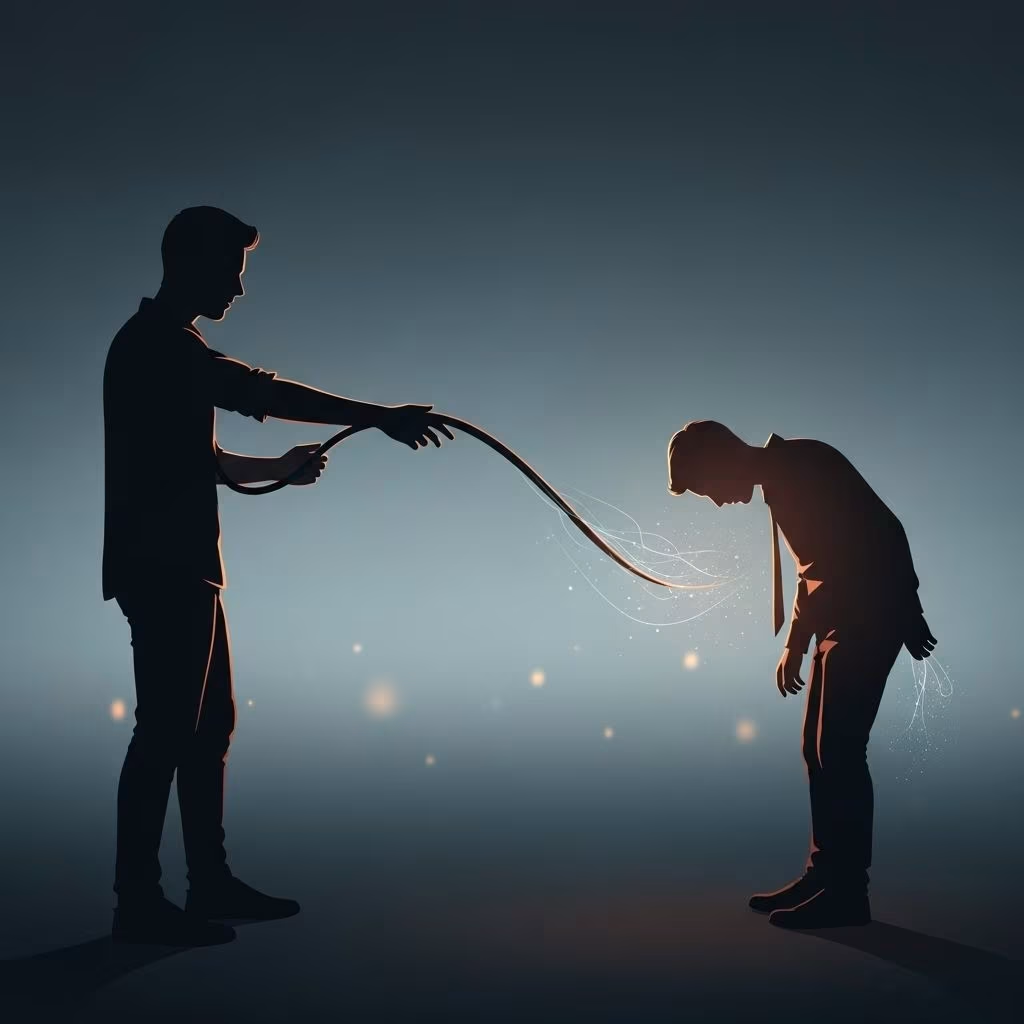
Energy Vampires: How to Identify, Understand, and Manage Them
Most people have experienced relationships that leave them feeling tired, overwhelmed, or emotionally depleted. Often, these challenging interactions are a result of contact with so-called energy vampires — individuals who habitually sap the emotional energy from those around them. Understanding energy vampires, recognizing their behaviors, and mastering coping strategies is essential for maintaining emotional health and personal boundaries.
What Are Energy Vampires?
Energy vampires are people who drain the emotional, mental, or even physical energy of others, either intentionally or unintentionally. They may be friends, colleagues, family members, or romantic partners who, after spending time with you, leave you feeling exhausted, stressed, or irritable. The term ‘energy vampire’ is not a clinical diagnosis but rather a popular phrase that captures the essence of certain draining interpersonal dynamics.
- Definition: An energy vampire is a person who repeatedly demands emotional resources from others, often leaving those interactions feeling depleted and fatigued.
- Main impact: Interactions are typically one-sided, focusing on the energy vampire’s needs, complaints, or crises, with little reciprocal support provided.
- Origins: This behavior often stems from unresolved trauma, mental health challenges, codependency, or ingrained personality traits like narcissism or negativity.
Typical Signs and Characteristics of Energy Vampires
Energy vampires display a range of behaviors that may be subtle at first but become apparent over time. Understanding these signs is crucial for early identification and self-protection.
- Constant Drama: Frequently involved in crises or emotional upheaval, often seeking to draw others into their drama.
- Narcissistic One-Upmanship: They always need to be the center of attention, often sharing stories that top or overshadow your experiences.
- Diminishing Others’ Problems: They downplay your struggles and spotlight their own, making every conversation about them.
- Martyrdom: Adopting a victim mentality, they expect others to take responsibility for their problems and provide constant support.
- Preying on Kindness: Targeting empathetic, compassionate people and relying on their unwillingness to say no.
- Guilt-Tripping and Ultimatums: Regularly evoke guilt or use emotional manipulation to get their way.
- Codependent Patterns: Exhibit needy or dependent behaviors, requiring ongoing validation or assistance.
- Criticism and Bullying: Diminish others to maintain control or reinforce insecurity in relationships.
- Intimidation: Use fear or emotional threats to elicit reactions or compliance.
Main Types of Energy Vampires
While all energy vampires drain emotional energy, they do so through different patterns. Understanding these types provides tailored strategies for managing each one.
| Type | Key Traits | Common Behaviors |
|---|---|---|
| The Victim | Chronic complaining, never-ending crises | Always in distress; seeks sympathy and reassurance |
| The Narcissist | Lack of empathy, grandiosity | Monopolizes conversations; expects admiration |
| The Drama Magnet | Constant chaos and urgency | Draws others into frequent emotional emergencies |
| The Criticizer/Bully | Critical, controlling, demeaning | Uses insults or put-downs to sap confidence |
| The Codependent/Needy | Excessive neediness, dependence | Continuously demands reassurance or assistance |
How Energy Vampires Affect Your Wellbeing
Consistently interacting with energy vampires can have serious consequences for your emotional and physical health:
- Emotional exhaustion: Persistent feelings of fatigue or overwhelm after social encounters.
- Increased anxiety and stress: Heightened worry, irritability, or unease in anticipation of or during interactions.
- Lowered self-esteem: Regular criticism or disregard can erode confidence and self-worth.
- Burnout: Extended emotional depletion can result in conditions like burnout or compassion fatigue, especially among caregivers or highly empathetic individuals.
- Relationship strain: Over time, these interactions can damage other relationships, limit social engagement, and hamper personal growth.
Why Are Some People More Susceptible?
Not everyone is equally affected by energy vampires. Individuals with certain characteristics or life circumstances may be more vulnerable:
- High empathy: People who are natural givers or feel a strong desire to help are prime targets.
- Difficulty saying ‘no’: Those who struggle with boundaries may find it hard to end draining conversations or relationships.
- Low self-esteem: Individuals who rely on external validation may tolerate energy-sapping relationships longer.
- Personal history: Those with a background of codependency, trauma, or unstable attachment can fall into helping roles to their own detriment.
How to Spot an Energy Vampire: Common Signs
- Conversations are consistently one-sided, often revolving around their problems, needs, or accomplishments.
- You feel emotionally drained, overwhelmed, or anxious after interacting, sometimes even physically tired.
- They often use manipulative tactics — guilt, flattery, or threats — to maintain attention or support.
- Boundaries are repeatedly crossed; your time, space, or emotional availability is not respected.
- Your problems are minimized, ignored, or dismissed in favor of theirs.
Why Do People Become Energy Vampires?
There are various psychological and life factors at play:
- Unresolved trauma or neglect: Early life adversity may lead to repeating dysfunctional behaviors in adulthood.
- Mental health conditions: Personality disorders, depression, anxiety, or attachment issues can shape maladaptive interpersonal habits.
- Learned behaviors: Individuals may have learned from family or peers that emotional neediness or manipulation gets results.
- Low insight or self-awareness: Many energy vampires are unaware of their impact and lack understanding of healthy boundaries.
Coping Strategies: Protecting Yourself from Energy Vampires
Healthy boundaries and self-care are essential for protecting your emotional reserves. Here are expert-backed strategies:
1. Set Clear Boundaries
Define your emotional, physical, and social boundaries and communicate them directly. This may mean choosing when and how you engage, limiting topics of discussion, or scheduling your contact.
2. Practice Assertive Communication
Express your needs and limits respectfully but firmly. Use ‘I’ statements to focus on your feelings and experiences. For example, “I need some time to recharge before we talk again.”
3. Limit Exposure When Possible
It’s okay to step away from interactions that feel consistently draining. You can choose to reduce or end contact, especially with people who repeatedly disregard your feelings and boundaries.
4. Cultivate a Support Network
Build relationships with positive, supportive individuals who replenish your emotional energy rather than deplete it. Lean on these relationships for validation and encouragement.
5. Practice Self-Care and Reflection
Engage in activities that restore your sense of well-being: exercise, hobbies, meditation, or counseling. Reflect on patterns or triggers that make you susceptible to energy vampires to reinforce mental resilience.
6. Learn to Say ‘No’
If you’re naturally empathetic or a helper, reinforce your boundaries by declining requests that overextend your capacity. Remember, protecting your energy is essential for your own health.
- Keep conversations brief if you sense emotional manipulation or neediness.
- Avoid justifying or defending your boundaries — a simple, polite refusal is enough.
- Change the subject if conversations circle back to negativity or one-sided drama.
When to Seek Professional Support
When attempts to set boundaries or reduce contact are not effective, or when the relationship causes distress, lack of safety, or major life disruption, consider seeking support from a mental health professional. Therapy can help you develop stronger boundaries, address codependent tendencies, and explore the roots of energy-draining dynamics in your relationships.
Prevention: How to Avoid Becoming an Energy Vampire Yourself
Energy-sapping behaviors can sometimes arise unconsciously in anyone — especially during periods of stress, illness, or significant life change. To prevent falling into these patterns:
- Reflect on your interactions: Ask yourself if your relationships are balanced and reciprocal.
- Practice self-regulation: Seek emotional support appropriately and avoid chronic venting or complaining.
- Show appreciation: Recognize and respect others’ boundaries, time, and emotional capacity.
- Resolve underlying issues: Address your own mental health needs with appropriate personal work or professional assistance.
Frequently Asked Questions (FAQs)
What is an energy vampire?
An energy vampire is a non-clinical term used to describe individuals who habitually sap the emotional energy of others, often leaving them feeling exhausted, manipulated, or overwhelmed.
Can energy vampires change?
Change is possible if individuals are aware of their behavior and are willing to seek help. Insight, self-reflection, and therapeutic support can help reduce energy-draining tendencies.
Are energy vampires always aware of their actions?
Many are unaware of how their behaviors impact others. Some may have learned these behaviors in response to trauma or unmet emotional needs, while others may lack insight into interpersonal dynamics.
Is it okay to end a relationship with an energy vampire?
Yes. If efforts to establish boundaries or communicate needs fail, ending or limiting the relationship is a valid form of self-care and protection.
What if the energy vampire is a family member or coworker?
In situations where cutting contact isn’t possible, use strategies such as emotional detachment, limiting interaction time, and seeking support from neutral third parties or your HR department.
Key Takeaways
- Energy vampires drain emotional resources, often unknowingly, leaving you fatigued, anxious, or burned out.
- Typical red flags include constant drama, one-sided interactions, guilt-tripping, and disregard for boundaries.
- Protect your energy with strong boundaries, assertive communication, and regular self-care.
- Personal awareness and support are key for managing and preventing energy-draining dynamics in your life.
References
- https://www.healthline.com/health/mental-health/energy-vampires
- https://psychcentral.com/blog/how-to-avoid-being-drained-by-energy-vampires
- https://www.choosingtherapy.com/energy-vampires/
- https://health.clevelandclinic.org/energy-vampire
- https://www.berkeleywellbeing.com/energy-vampire.html
- https://www.psychologytoday.com/us/blog/emotional-freedom/201101/the-5-types-of-emotional-vampires
- https://www.calm.com/blog/energy-vampire
- https://scottjeffrey.com/energy-vampire-meaning/


