


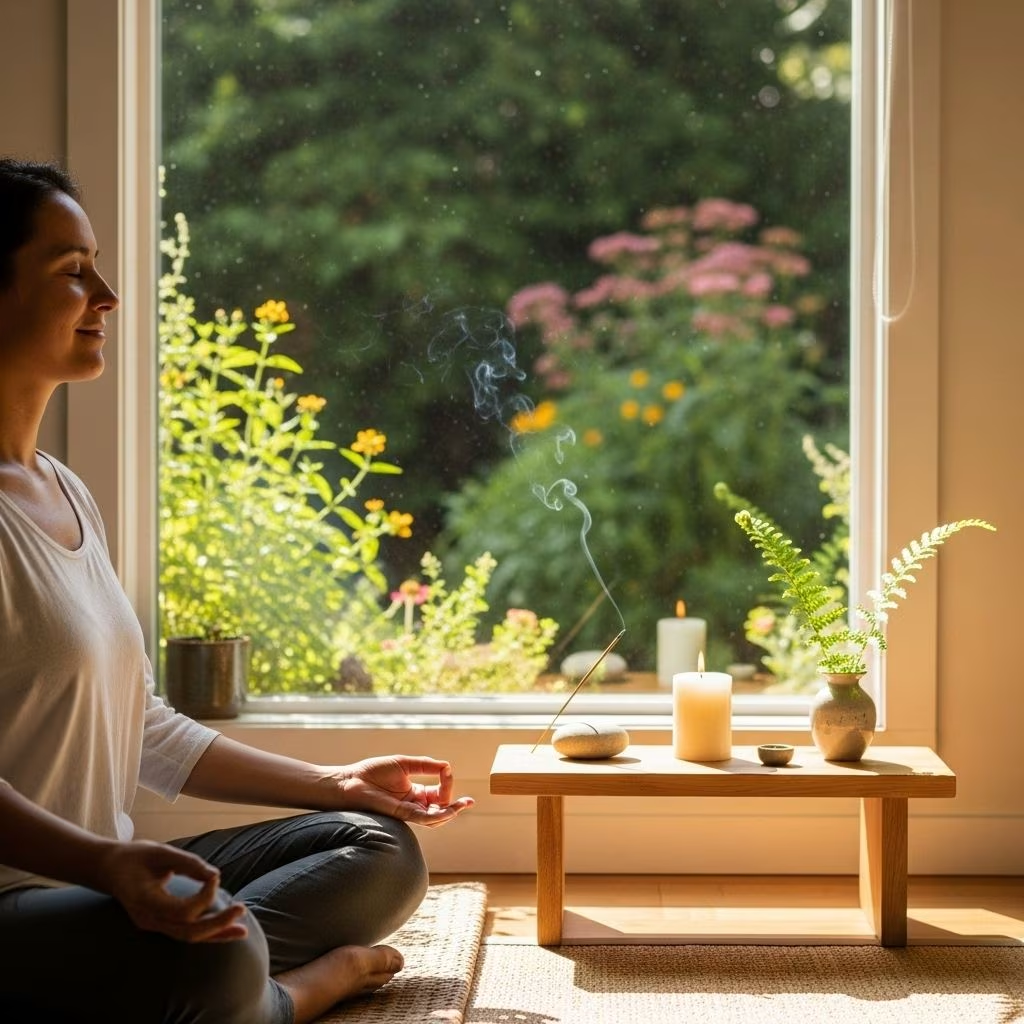
Understanding the Art of Savoring
Savoring represents one of the most accessible and powerful mindfulness techniques available to us. Unlike traditional meditation practices that require dedicated time and specific settings, savoring allows us to cultivate present-moment awareness throughout our daily activities. This mindful approach to experiencing life transforms ordinary moments into opportunities for deeper appreciation and enhanced well-being.
At its core, savoring means being fully present with an experience and appreciative of what’s happening in the current moment. When we savor something, we intentionally slow down our minds and focus our attention on the sensory details, emotions, and qualities of the present experience. This practice serves as a powerful antidote to the automatic pilot mode that characterizes much of modern life.
The Science Behind Savoring and Well-Being
Research in positive psychology has demonstrated that individuals who regularly practice savoring experience higher levels of life satisfaction, reduced stress, and improved emotional regulation. The act of savoring activates neural pathways associated with pleasure and positive emotions, creating lasting changes in how we process and remember experiences.
When we savor moments, we’re essentially training our brains to notice and appreciate positive aspects of our daily lives. This neuroplasticity allows us to rewire our default patterns of thinking, moving away from the tendency to rush through experiences or focus primarily on problems and toward a more appreciative and mindful way of being.
Types of Savoring Experiences
Savoring can be applied to three distinct temporal categories, each offering unique benefits for mental health and life satisfaction:
Anticipatory Savoring
This involves looking forward to and mentally rehearsing positive future experiences. When we anticipate enjoyable events, we can extend the pleasure beyond the actual moment by imagining how wonderful it will feel. Planning a vacation, thinking about seeing a loved one, or anticipating a favorite meal all represent forms of anticipatory savoring.
Present-Moment Savoring
This is the practice of fully experiencing and appreciating what’s happening right now. Present-moment savoring requires us to slow down and engage our senses completely with the current experience. Examples include truly tasting our morning coffee, feeling the warmth of sunlight on our skin, or appreciating the sound of laughter during a conversation with friends.
Reminiscence Savoring
This involves revisiting positive memories and reliving the emotions associated with past experiences. When we reminisce about happy moments, we can re-experience some of the joy and satisfaction from those times. Looking through photo albums, sharing stories about meaningful experiences, or simply reflecting on accomplishments all constitute reminiscence savoring.
Practical Techniques for Savoring Daily Life
Developing a savoring practice doesn’t require major lifestyle changes. Instead, it involves cultivating awareness and intentionality in moments we might otherwise overlook or rush through.
Sensory Engagement Techniques
One of the most effective ways to savor experiences is through deliberate sensory engagement. This means consciously directing attention to what we can see, hear, smell, taste, and touch in any given moment. When eating, for example, we can notice the colors and textures of our food, inhale its aroma before taking a bite, and pay attention to the complex flavors and sensations as we chew.
Similarly, when walking outdoors, we can observe the quality of light, listen to environmental sounds, feel the temperature and breeze against our skin, and notice the various scents in the air. This multi-sensory approach grounds us firmly in the present moment and enhances our appreciation of ordinary experiences.
Mindful Breathing and Awareness
Using breath as an anchor for present-moment awareness provides a reliable foundation for savoring. Taking slow, deliberate breaths while engaging in any activity helps slow down our mental processes and creates space for deeper appreciation. The simple mantra “this is the present moment, this is a precious moment” can be particularly effective when synchronized with breathing.
This breathing technique can be applied during routine activities like washing dishes, walking to the car, or even during work breaks. The key is to use breath awareness as a signal to ourselves to shift from automatic pilot into conscious, appreciative engagement with whatever we’re doing.
Transition Moments and Pausing
Transition periods throughout the day offer excellent opportunities for savoring practice. These moments between activities—stepping out of the house, finishing a work task, or sitting down for a meal—provide natural pause points where we can consciously shift our attention to the present moment.
During these transitions, we can ask ourselves simple questions: “What do I notice right now?” “How does my body feel?” “What am I grateful for in this moment?” These brief check-ins help us break the cycle of rushing from one task to another without awareness.
Overcoming Common Obstacles to Savoring
Despite its simplicity, many people find savoring challenging due to ingrained habits and modern lifestyle pressures. Understanding these obstacles helps us develop strategies for more consistent practice.
Digital Distractions and Multitasking
Constant connectivity through smartphones and other devices creates significant barriers to savoring. The habit of checking messages, scrolling through social media, or responding to notifications pulls our attention away from present-moment experiences. Creating boundaries around technology use—such as designated phone-free times or turning off non-essential notifications—supports deeper engagement with immediate experiences.
Multitasking, while often seen as efficient, actually diminishes our capacity for savoring. When we try to do multiple things simultaneously, we cannot fully appreciate any single experience. Practicing single-tasking, or focusing completely on one activity at a time, enhances our ability to savor and increases the satisfaction we derive from daily activities.
Mental Time Travel and Worry
Our minds naturally tend to wander to past events or future concerns, pulling us away from present-moment awareness. This “mental time travel” represents the opposite of savoring and can significantly diminish our life satisfaction. When we notice our minds drifting to past regrets or future anxieties, we can gently redirect attention to immediate sensory experiences or current emotions.
Developing awareness of these mental patterns is the first step in changing them. Rather than fighting against wandering thoughts, we can acknowledge them kindly and then consciously choose to return attention to the present moment.
Building a Personal Savoring Practice
Creating a sustainable savoring practice requires both consistency and flexibility. The goal is to integrate these techniques naturally into existing routines rather than adding them as additional tasks to accomplish.
Starting Small and Building Gradually
Beginning with brief, simple savoring exercises increases the likelihood of maintaining the practice long-term. This might involve taking three conscious breaths before meals, spending an extra minute appreciating the shower water temperature, or pausing to notice one beautiful thing during daily walks.
As these small practices become habitual, they naturally expand into longer periods of mindful awareness. The key is consistency rather than duration—regular brief moments of savoring create more lasting change than occasional lengthy sessions.
Creating Environmental Cues
Environmental reminders can support the development of savoring habits. This might include placing small notes in visible locations, setting gentle phone reminders, or associating specific activities with mindful awareness. For example, every time we wash our hands, we might use it as a cue to notice the temperature and sensation of the water.
These external cues help interrupt automatic behaviors and create opportunities for present-moment awareness throughout the day.
Savoring in Relationships and Social Connections
Savoring extends beyond individual experiences to encompass our interactions with others. When we bring mindful awareness to conversations, we can more fully appreciate the connection, humor, wisdom, and care that others share with us.
This might involve putting away devices during meals with family, truly listening when friends speak rather than planning our response, or taking moments to appreciate the kindness others show us. Social savoring not only enhances our own well-being but also deepens our relationships and creates more meaningful connections.
The Long-Term Benefits of Regular Savoring
Consistent savoring practice creates cumulative benefits that extend far beyond individual moments of appreciation. People who regularly savor experiences report higher levels of life satisfaction, greater resilience during difficult times, and improved overall mental health.
The practice also enhances memory formation and recall of positive experiences. When we savor moments mindfully, we create richer, more detailed memories that we can revisit through reminiscence savoring. This creates a positive feedback loop where past savoring experiences support future well-being.
Frequently Asked Questions (FAQs)
Q: How is savoring different from regular mindfulness meditation?
A: While traditional mindfulness meditation typically involves formal sitting practice, savoring is an informal mindfulness technique that can be practiced during any daily activity. Savoring specifically focuses on appreciating and fully experiencing positive aspects of moments, whereas meditation may involve observing all experiences, both pleasant and unpleasant, with equal awareness.
Q: Can savoring help with anxiety and stress?
A: Yes, savoring can significantly reduce anxiety and stress by anchoring attention in the present moment rather than allowing it to spiral into worry about the future or rumination about the past. The practice activates the body’s relaxation response and helps break cycles of anxious thinking.
Q: How long does it take to see benefits from savoring practice?
A: Many people notice immediate benefits from savoring, such as increased enjoyment of activities and reduced stress in the moment. However, the more lasting effects on overall well-being and life satisfaction typically develop over several weeks of consistent practice.
Q: Is it possible to savor negative experiences?
A: While savoring specifically refers to appreciating positive aspects of experiences, mindful awareness can be applied to all experiences, including difficult ones. However, the goal with challenging experiences is typically acceptance and skillful response rather than appreciation.
Q: What if I find it difficult to slow down enough to savor moments?
A: This is a common challenge in our fast-paced culture. Start with very brief moments of savoring—even five seconds of conscious awareness can make a difference. Gradually, as you experience the benefits, you’ll naturally want to extend these moments of mindful appreciation.
References
- https://www.growingself.com/savoring-the-easiest-mindfulness-meditation-technique-ever/
- https://ipractice.com/therapy/mindfulness/mindfulness-exercises/
- https://www.headspace.com/articles/7-ways-to-be-present
- https://www.calm.com/blog/present-moment-awareness
- https://www.mindful.org/take-a-mindful-moment-5-simple-practices-for-daily-life/
- https://positivepsychology.com/mindfulness-exercises-techniques-activities/
- https://pmc.ncbi.nlm.nih.gov/articles/PMC5755604/


