


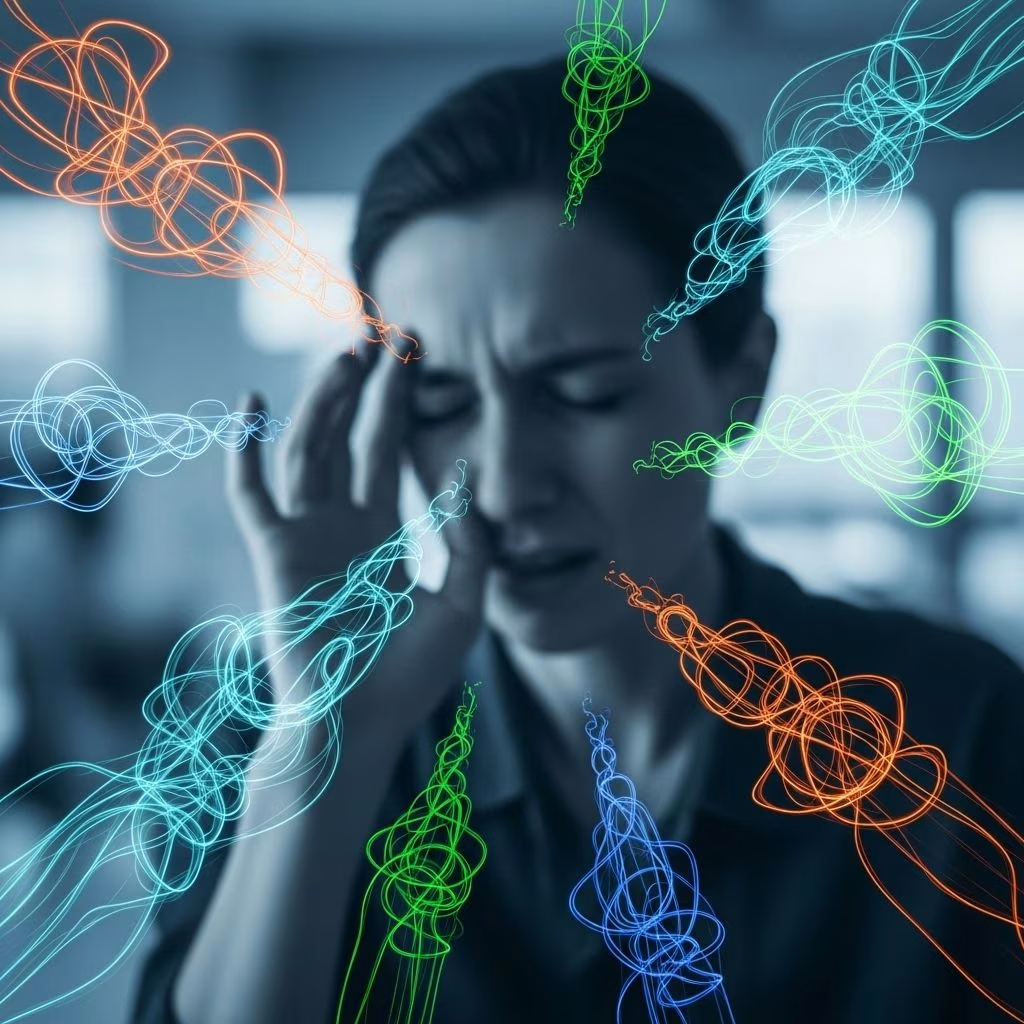
Attention-Deficit/Hyperactivity Disorder (ADHD) is known for its hallmark symptoms—inattention, impulsivity, and hyperactivity. However, less recognized are the unique sensory processing challenges people with ADHD can face, particularly sound sensitivity. This article explores the connection between ADHD and noise sensitivity, examines underlying causes, highlights symptoms, and outlines coping strategies and treatments to help ease sensory overload and enhance daily functioning.
What Is Sound Sensitivity in ADHD?
Sound sensitivity means experiencing certain everyday noises as far more intense or distressing than other people do. In the context of ADHD, some individuals report that normal sounds—conversations, humming electronics, or street noises—feel overwhelming, distracting, or even physically painful. This heightened reactivity can disrupt concentration, sleep, work, and social life. Researchers often refer to two related conditions:
- Hyperacusis: an amplified perception of ordinary sounds, commonly experienced as discomfort or pain.
- Misophonia: a strong emotional response (irritation, disgust, anger) to specific trigger sounds, like chewing, tapping, or yawning.
Though not everyone with ADHD encounters sound sensitivity, for those who do, the impact can be considerable and pervasive.
How Common Is Sound Sensitivity in ADHD?
While not universally experienced, studies suggest sensory hypersensitivity—to sounds, lights, textures, and other stimuli—is more prevalent in people with ADHD than in the general population. Research indicates that noise sensitivity is linked to increased distractibility and inattention, further complicating focus and emotional regulation in ADHD .
- Children with ADHD may be especially prone to hyperacusis (pain or discomfort in response to everyday sounds).
- Adults may experience similar symptoms, often alongside emotional dysregulation, anxiety, and overwhelm.
- Not all people with ADHD experience heightened sound sensitivity, highlighting the spectrum of ADHD presentation.
ADHD, Sensory Processing, and Auditory Overload
Sensory overload refers to a state where the brain is flooded by excessive sensory input—sights, sounds, smells, physical sensations—making it hard to process the information effectively. For people with ADHD, the brain’s difficulty in filtering out irrelevant information can make it feel like everything is happening all at once, leading to overwhelm .
- Everyday environments such as classrooms, shopping centers, or crowded offices can become overwhelming due to competing background noise, conversations, and other sensory data.
- Auditory overload can make it challenging to focus, listen, or engage in conversation.
- These experiences are often invisible to others, leading to misunderstandings or misconceptions about emotional responses.
Examples of Situational Auditory Overload
- A student with ADHD struggles to pay attention to the teacher with the hum of the heater, shuffling papers, and classmates’ whispers all demanding attention at once.
- At a family gathering, overlapping conversations and clinking cutlery make it difficult for someone with ADHD to follow a single conversation or feel calm.
Symptoms of Sound Sensitivity Linked to ADHD
Sound sensitivity in ADHD may present as a constellation of physical, emotional, and behavioral symptoms. Recognizing these patterns can help individuals seek appropriate support and validation.
| Type of Symptom | Description | Common Triggers |
|---|---|---|
| Physical | Headaches, ear pain, tension, muscle tightness, nausea, eye strain | Loud alarms, sirens, construction, high-pitched voices |
| Emotional | Irritability, anxiety, overwhelm, impatience, anger, stress | Repetitive tapping, chewing, ticking clocks, babies crying |
| Behavioral | Covering ears, leaving rooms, avoiding noisy places, meltdowns, difficulty focusing | Public transportation, crowded public spaces, offices with open layouts |
Misophonia and ADHD: Understanding Emotional Responses to Noise
Misophonia, literally meaning “hatred of sound,” describes an intense emotional reaction to specific trigger noises, such as:
- Chewing, crunching, or swallowing sounds
- Pen clicking, keyboard typing, finger tapping
- Sniffling, coughing, yawning, sneezing
- Rustling of fabric, paper crinkling, or shoes scraping
Emotional responses may include:
- Disgust
- Aversion
- Impatience
- Anxiety or panic
- Fight, flight, or freeze reactions
- A sense of being trapped or overwhelmed
Misophonia may occur alongside or independently of ADHD, but research suggests a notable overlap. Both conditions can involve difficulties in filtering sensory information, regulating emotional responses, and coping with surprising or repetitive stimuli .
Causes of Noise Sensitivity in ADHD
The causes of sound sensitivity in ADHD are complex and multifactorial:
- Differences in sensory processing and atypical brain responses to sensory input are common in ADHD. The brain may not filter out background stimuli efficiently, leading to distraction and overload .
- Co-occurring neurological conditions like autism spectrum disorder or anxiety disorders, which also feature sensory sensitivity, can amplify the experience.
- Emotional stress and fatigue can lower tolerance to noise, triggering more acute responses to ordinary sounds.
Childhood experiences and learned associations may also play a role. For example, certain sounds that occurred during stressful or traumatic situations might later become powerful triggers for discomfort or emotional distress .
Consequences of Sound Sensitivity in Daily Life
Noise sensitivity can significantly impact several areas of daily living:
- Work & School: Struggling to focus in open-plan offices, classrooms, or noisy environments.
- Sleep: Difficulty falling asleep or staying asleep if distracted by household, neighborhood, or environmental sounds.
- Social Life: Avoidance of restaurants, concerts, public transport, or family gatherings.
- Relationships: Increased tension or misunderstandings when others aren’t aware of how noise affects the individual.
- Mental Health: Heightened risk of anxiety, irritability, emotional exhaustion, and even physical symptoms like migraines or fatigue.
Coping Strategies for Managing Sound Sensitivity
Although sound sensitivity can feel overwhelming, there are proactive measures and coping strategies that can help reduce distress and improve quality of life. These include environmental adjustments, practical coping skills, and professional support.
Environmental Modifications
- Use noise-cancelling headphones or earplugs in loud or unpredictable environments.
- Strategically plan errands or social activities during less busy times to avoid sensory overload.
- Designate quiet spaces at home or work where you can retreat and decompress when overwhelmed.
- Download white noise or calming sound apps to help neutralize disruptive background noise.
Behavioral and Cognitive Approaches
- Practice mindfulness and grounding techniques to help manage stress and emotional reactivity in triggering situations.
- Try cognitive behavioral therapy (CBT): CBT can help identify and reframe unhelpful thoughts related to sound triggers, helping reduce the emotional intensity of reactions .
- Communicate boundaries and needs with others in a clear, supportive way, explaining that sound sensitivity is a neurological difference, not a preference.
- Take regular breaks to give your sensory system time to recover if you notice rising tension or discomfort.
Medical and Therapeutic Options
- Consult with a healthcare provider for an evaluation to rule out underlying conditions such as hearing disorders.
- Referral to an occupational therapist or audiologist for assessment and tailored intervention plans.
- Seek support from mental health professionals familiar with ADHD and sensory processing issues.
- In severe cases, medication management for ADHD or co-occurring anxiety may help reduce overall sensitivity.
Tips for Family Members, Friends, and Coworkers
- Be patient and understanding—recognize that sound sensitivity is a genuine, often invisible challenge.
- Respect requests to lower noise levels or reduce specific triggers.
- Offer to help create or maintain quiet spaces during shared events or work sessions.
- Stay open to ongoing communication about needs and boundaries regarding noise.
Frequently Asked Questions (FAQs) About ADHD and Sound Sensitivity
What is the difference between sound sensitivity, misophonia, and hyperacusis?
Sound sensitivity is a broad term covering many auditory experiences of discomfort or overwhelm. Misophonia means a strong emotional reaction to specific, often repetitive sounds. Hyperacusis refers to a medical condition where everyday sounds are perceived as painfully loud or intrusive, even at normal volumes.
Does everyone with ADHD have sound sensitivity?
No, not everyone with ADHD experiences sound sensitivity. Sensory processing challenges, including noise hypersensitivity, occur in a subset of people with ADHD, reflecting the diverse ways ADHD can manifest.
Can medication for ADHD help reduce noise sensitivity?
ADHD medication may improve focus and reduce distractibility, which can indirectly help some people better filter out background noise. However, it is not a direct treatment for sound sensitivity, and additional interventions are often needed.
Are certain environments more challenging for people with ADHD and sound sensitivity?
Yes. Busy, noisy, or unpredictable environments—such as shopping malls, public transportation, classrooms, restaurants, or open offices—are among the most challenging for people with ADHD and sound sensitivity.
Can children outgrow sound sensitivity if they have ADHD?
Some children may naturally become less sensitive as they mature and develop coping skills, but for others, sound sensitivity persists into adulthood. Early awareness, supportive interventions, and self-advocacy can make a significant positive difference.
When Should I Seek Professional Help?
If sound sensitivity is causing significant distress, impacting your daily life, or leading to social withdrawal, sleep problems, or emotional outbursts, consider reaching out to a healthcare provider or mental health professional. Early intervention can improve coping and prevent complications.
Key Takeaways
- Sound sensitivity and sensory overload are common but under-recognized challenges among people with ADHD.
- Heightened reactions to noise can disrupt focus, emotional regulation, relationships, and wellbeing.
- Coping strategies include environmental modifications, behavioral techniques, professional therapies, and open communication with others.
- Awareness and validation are essential: sound sensitivity in ADHD is real, and supportive interventions can make a meaningful difference.
References
- https://www.betterhelp.com/advice/adhd/adhd-sound-sensitivity-and-sensory-overload/
- https://www.theminiadhdcoach.com/living-with-adhd/adhd-sounds
- https://www.healthline.com/health/adhd/misophonia-and-adhd
- https://www.medicalnewstoday.com/articles/adhd-sensory-overload
- https://mychn.org/noise-sensitivity-adhd/
- https://www.thecenterforadhd.com/adhd-add-hypersensitivity-management/
- https://pmc.ncbi.nlm.nih.gov/articles/PMC4333120/
- https://www.nhs.uk/conditions/hyperacusis/
- https://neurodivergentinsights.com/sensory-overload-in-adhd/


