


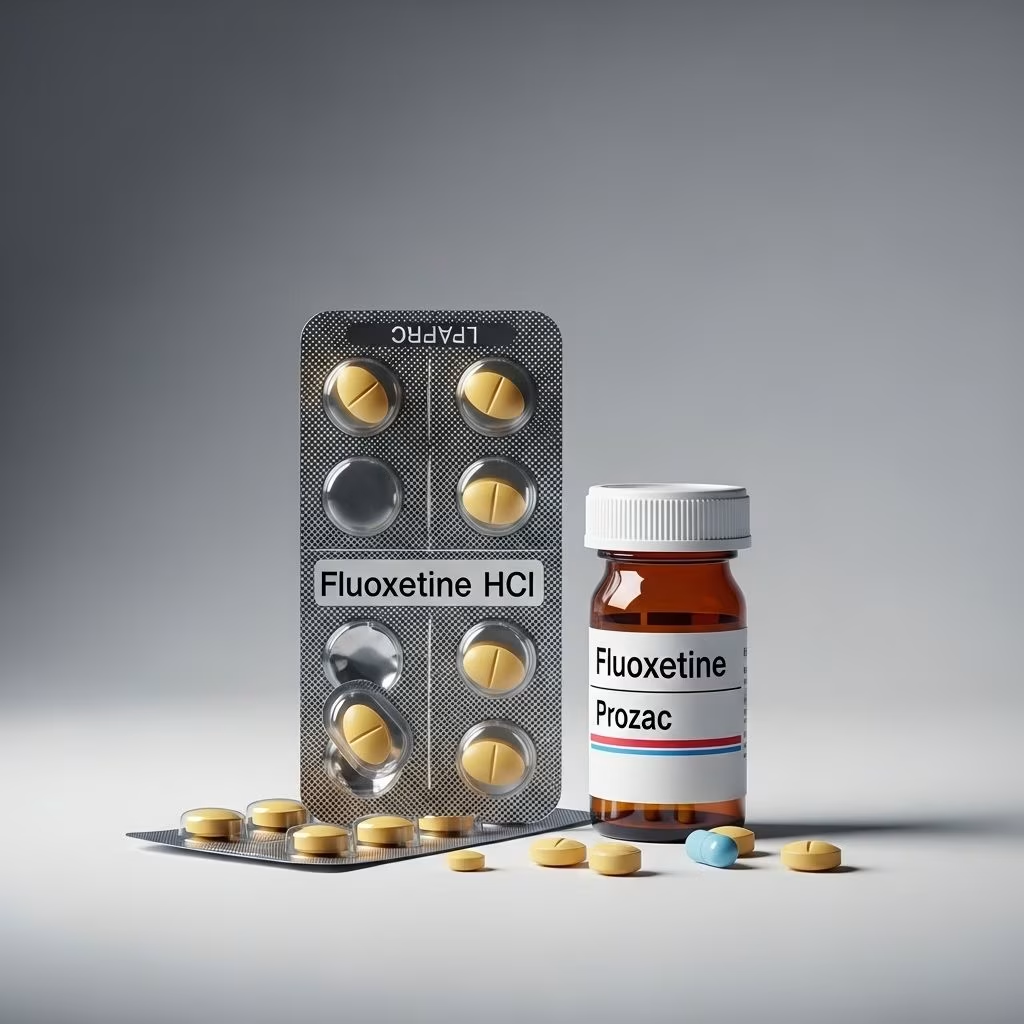
Fluoxetine (Prozac): What You Need to Know
Fluoxetine, widely known by the brand name Prozac, is a prescription antidepressant in the selective serotonin reuptake inhibitor (SSRI) class. Approved by the U.S. FDA, it is one of the most widely used treatments for depression and several other mood disorders. Since its introduction, fluoxetine has helped millions manage symptoms and improve their quality of life.
Overview of Fluoxetine
- Generic name: Fluoxetine
- Brand names: Prozac, Sarafem (and others)
- Drug class: Selective serotonin reuptake inhibitor (SSRI)
- Approved uses: Major depressive disorder, obsessive-compulsive disorder (OCD), bulimia nervosa, panic disorder, premenstrual dysphoric disorder (PMDD), depression in children/adolescents, and off-label for other related conditions.
How Fluoxetine (Prozac) Works
Fluoxetine acts by inhibiting the reuptake of serotonin, a neurotransmitter involved in regulating mood, thinking, and behavior. In low serotonin states, mood disorders such as depression and anxiety may emerge. By preventing serotonin’s reabsorption into presynaptic cells, more of it remains available in the brain, which can help elevate and stabilize mood. This mechanism is central to its therapeutic effect:
- Blocks the serotonin transporter (SERT) in the brain.
- Increases serotonin levels in key brain regions.
- Weak affinity for other neurotransmitter systems (dopamine, norepinephrine, acetylcholine, histamine), resulting in fewer side effects than older antidepressants.
- May also antagonize 5HT2C receptors, thought to contribute to activating properties and increased noradrenaline/dopamine in prefrontal areas.
Conditions Treated by Fluoxetine
- Major depressive disorder (MDD) — adults, adolescents, and children over 8 years old.
- Obsessive-compulsive disorder (OCD).
- Panic disorder.
- Bulimia nervosa.
- Premenstrual dysphoric disorder (PMDD).
- Off-label: premature ejaculation, anxiety disorders, treatment-resistant depression (via combination with olanzapine: Symbyax).
Doctors may recommend fluoxetine when first-line treatments have failed, or when comorbid symptoms exist.
Dosage Forms and Administration
Fluoxetine is supplied in many forms to accommodate different patient needs:
- Capsules: 10 mg, 20 mg, 40 mg.
- Tablets: 10 mg, 20 mg, 60 mg.
- Oral solution: 20 mg/5 mL.
- Prozac Weekly — extended-release capsules for once-weekly dosing.
Typically, fluoxetine is administered once daily, preferably in the morning. For patients requiring convenience, the weekly formulation can be considered after initial stabilization.
Dosing and Adjustments
- Major depression: starting dose 20 mg daily, may be increased to 80 mg based on clinical response.
- Panic disorder/OCD: similar starting and titration protocols.
- Bulimia nervosa: 60 mg daily.
- PMDD: 20 mg daily or 20 mg per day during the luteal phase only.
- Children/adolescents: Lower starting dose, titrated carefully. Safety established for children over 8.
Actual dosing should always be personalized, following your healthcare provider’s advice.
Pharmacokinetics: Absorption, Distribution, and Elimination
- Absorption: Oral bioavailability is <90% due to first-pass liver metabolism.
- Distribution: Highly lipophilic and protein-bound; distributes widely, including into the brain.
- Metabolism: Extensively metabolized in the liver (CYP2D6) to an active metabolite, norfluoxetine.
- Elimination half-life: Long half-life (fluoxetine ~1–4 days, norfluoxetine up to 16 days), meaning steady-state levels take several weeks, and washout after stopping drug persists for weeks.
| Parameter | Details |
|---|---|
| Time to peak concentration | 6–8 hours after a single dose |
| Bioequivalence | Pulvule, oral solution, and weekly capsules have similar bioavailability |
| Affected by food? | Absorption may be delayed by 1–2 hours with food, but not clinically significant |
| Steady-state reached | After 4–5 weeks |
| Persistence after stopping | Active drug remains for weeks, may affect later drug interactions |
Benefits and Clinical Efficacy
- Reduces symptoms: Significant improvements in mood, anxiety, and compulsive behaviors across major depressive and anxiety disorders.
- Improved safety profile: Compared to tricyclic antidepressants (TCAs), fluoxetine has fewer sedative, anticholinergic, and cardiac side effects because of lower receptor affinity.
- Low risk of discontinuation syndrome: Due to the long half-life, fluoxetine is less likely to cause withdrawal symptoms compared to other SSRIs.
Potential Side Effects of Fluoxetine
Most patients tolerate fluoxetine well when taken as prescribed. However, side effects can occur and may vary in intensity or timing. Common side effects include:
- Gastrointestinal: Nausea, diarrhea, loss of appetite.
- Neurological: Headache, trouble sleeping, dizziness.
- Other: Dry mouth, excessive sweating, sexual dysfunction (decreased libido, delayed orgasm).
Most mild side effects improve within the first couple of weeks.
Serious side effects (require immediate medical attention):
- Serotonin syndrome (confusion, agitation, rapid heartbeat, fever).
- Seizures.
- Mania or hypomania (especially in those with bipolar disorder).
- Suicidal thoughts/behaviors (monitor especially during early treatment or dose changes).
- Risk of bleeding (especially when combined with NSAIDs, aspirin, anticoagulants).
Discontinuation and Withdrawal
Due to fluoxetine’s long half-life, withdrawal symptoms (antidepressant discontinuation syndrome) are much less common and typically milder than with other SSRIs. Symptoms may include mood swings, irritability, and mild physical side effects. Always consult your doctor before stopping fluoxetine.
Who Should Not Take Fluoxetine?
- Individuals with known allergy to fluoxetine or any component of the formulation.
- Patients using monoamine oxidase inhibitors (MAOIs) or those who have used one in the past 2 weeks.
- Use caution in persons with history of seizures, mania, or liver impairment.
- Pregnancy: Taking fluoxetine during pregnancy, especially the first trimester, may increase risk of congenital heart defects in newborns. Consult your doctor for a risk-benefit analysis.
- Breastfeeding: Small amounts may pass into breast milk. It may be considered if fluoxetine was effective during pregnancy or alternatives have not worked.
Precautions and Monitoring
- Monitor for emergence of suicidal ideation during initial treatment.
- Beware of potential drug interactions (see below).
- Inform your provider about all medications, supplements, and medical conditions.
Fluoxetine Drug Interactions
Fluoxetine can interact with several other drugs, altering effectiveness or increasing risk of adverse effects.
- Combining with serotonergic drugs (other antidepressants, certain migraine medications, St. John’s Wort) increases risk of serotonin syndrome.
- May inhibit the metabolism of drugs processed by CYP2D6 (e.g., some antipsychotics, beta blockers).
- Co-administration with drugs that increase bleeding risk (NSAIDs, warfarin, aspirin) raises bleeding risk.
- Risk of QT prolongation when combined with certain antiarrhythmics.
Managing Medication Interactions
- Inform prescribers of all drugs you take.
- Do not start or stop fluoxetine without medical advice.
- Monitor for new onset side effects, and report concerns promptly.
Frequently Asked Questions about Fluoxetine (Prozac)
- Q: How quickly will fluoxetine start to work?
A: Many patients notice improvement within 2–4 weeks. Full effects may take up to 6–8 weeks. It’s important to continue therapy as directed, even if benefit seems delayed. - Q: Can I drink alcohol while taking fluoxetine?
A: Alcohol can worsen depression and increase side effects. Most clinicians advise limiting or avoiding alcohol when on fluoxetine. - Q: Will I need to take fluoxetine forever?
A: The length of treatment depends on diagnosis and response. Some people need long-term maintenance, while others may taper after sustained improvement under medical supervision. - Q: How do I take the weekly formulation?
A: After establishing a stable response on daily fluoxetine, your provider may switch you to the once-weekly capsule for convenience. Weekly dosing maintains efficacy but produces greater fluctuation in drug levels. - Q: What should I do if I miss a dose?
A: For daily dosing, take the missed dose as soon as remembered unless it’s close to the next dose—then skip it. For weekly dosing, take the dose when remembered. Do not double up. - Q: Is fluoxetine safe during pregnancy?
A: Consult your healthcare provider. Use during pregnancy may have risks for the fetus, but benefits may outweigh risks if severe symptoms exist.
Special Considerations in Children, Adolescents, and Older Adults
Children and Adolescents: Fluoxetine is approved for depression and OCD in patients as young as 8. Careful monitoring for mood changes and suicidal ideation is essential due to increased vulnerability during treatment initiation.
Older Adults: Lower dosing and slower titration are recommended due to changes in metabolism and increased sensitivity to side effects.
Comparing Fluoxetine to Other Antidepressants
| Antidepressant | Class | Key Features | Common Side Effects |
|---|---|---|---|
| Fluoxetine (Prozac) | SSRI | Long half-life, low withdrawal risk, activating properties, broad FDA indications. | GI upset, headache, sexual dysfunction. |
| Sertraline (Zoloft) | SSRI | Shorter half-life, well tolerated. | GI upset, sexual dysfunction, insomnia. |
| Paroxetine (Paxil) | SSRI | Short half-life, more anticholinergic side effects, higher withdrawal risk. | Drowsiness, sexual dysfunction, withdrawal. |
| Amitriptyline | TCA | Older drug, more side effects (sedation, anticholinergic). | Dry mouth, constipation, cardiovascular risk. |
| Bupropion | NDRI | Activating, lower risk of sexual dysfunction. | Insomnia, dry mouth, seizure risk. |
Tips for Safe and Effective Fluoxetine Use
- Follow your provider’s instructions strictly regarding dosing and monitoring.
- Store medication as instructed (room temperature, away from moisture).
- Report concerning side effects immediately.
- Attend all follow-up appointments.
- Do not abruptly discontinue; always taper as advised.
Fluoxetine (Prozac) FAQs
- Q: Is fluoxetine addictive?
A: No, fluoxetine is not addictive. - Q: Can fluoxetine be combined with therapy?
A: Medication is often more effective when paired with counseling or psychotherapy. - Q: What happens if fluoxetine doesn’t work?
A: Your doctor may adjust your dose, switch medications, or add another drug for enhanced effect. - Q: Does it affect weight?
A: Some people lose weight due to appetite changes, but significant long-term weight change is uncommon.
Conclusion: Is Fluoxetine Right for You?
Fluoxetine (Prozac) remains a first-line treatment for multiple mental health conditions due to its safety, effectiveness, and broad applicability. However, it is not suitable for everyone. Discuss risks, benefits, and monitoring needs with your healthcare provider before starting any new medication.
References
- https://www.medicalnewstoday.com/articles/drugs-how-does-prozac-work
- https://www.accessdata.fda.gov/drugsatfda_docs/label/2006/018936s076lbl.pdf
- https://en.wikipedia.org/wiki/Fluoxetine
- https://go.drugbank.com/drugs/DB00472
- https://psychopharmacologyinstitute.com/section/the-psychopharmacology-of-fluoxetine-mechanism-of-action-indications-pharmacokinetics-and-dosing-2051-4051/
- https://www.ncbi.nlm.nih.gov/books/NBK554406/
- https://www.webmd.com/drugs/2/drug-6997/prozac-oral/details


