


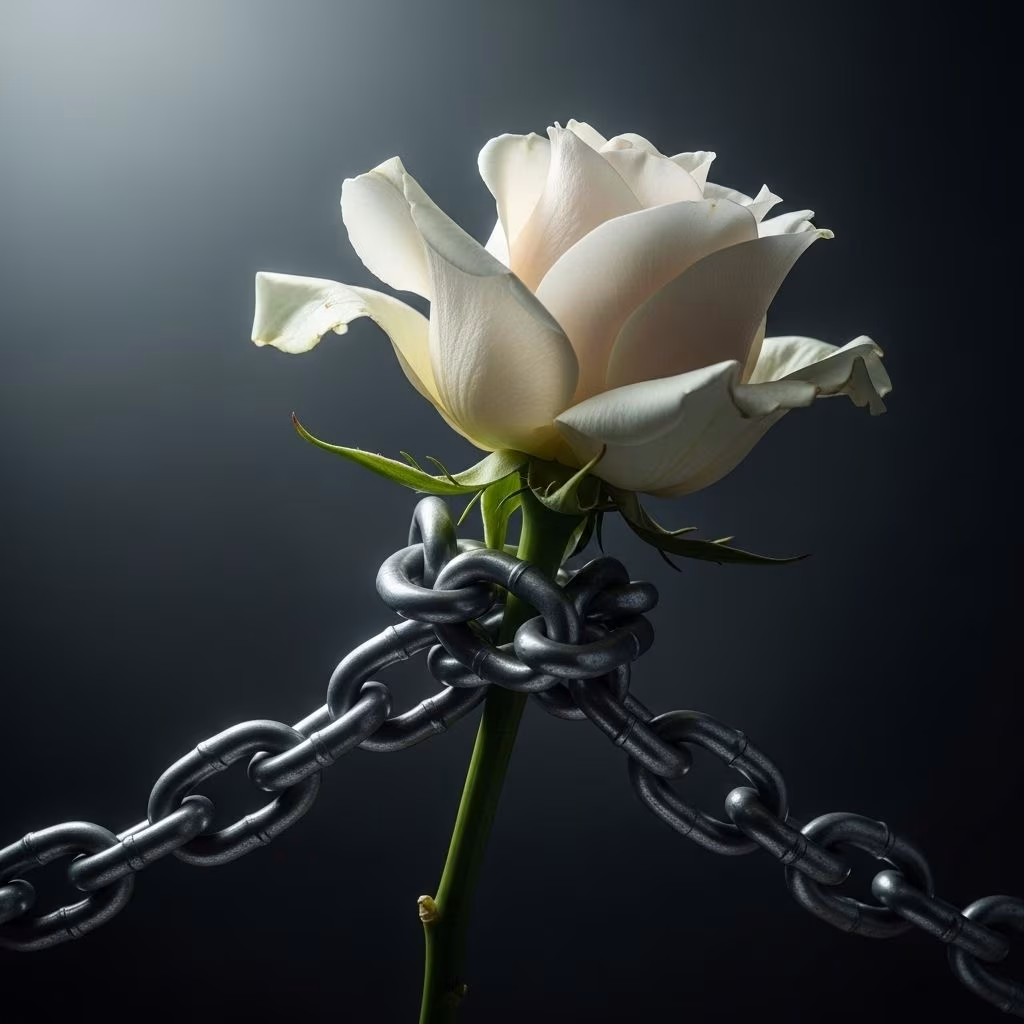
Sexuality is a natural and important part of the human experience, shaping relationships, identity, and overall well-being. However, for many, cultural, religious, or personal factors can lead to the repression of sexual feelings and desires. Sexual repression can impact mental and emotional health and manifest in a range of behavioral and psychological symptoms. Understanding what sexual repression is, where it originates, and ways to address it can support a more fulfilling and healthy life.
What Is Sexual Repression?
Sexual repression refers to the conscious or unconscious suppression of sexual thoughts, feelings, desires, expressions, or behaviors. This repression can involve avoiding sexual pleasure or denying one’s sexuality due to internal conflicts (like guilt or shame) or external pressures (such as societal expectations, family upbringing, or cultural norms).
- Can be conscious (actively choosing to hide or deny sexual feelings).
- Can be unconscious (automatic responses learned over time, often starting in childhood).
- May be enforced by laws or social systems that shame, punish, or restrict sexual expression outside designated norms.
This concept is distinct from sexual abstinence, which may be a personal or religious choice without associated guilt or distress.
Key Features of Sexual Repression
- Avoidance or denial of sexual desires and behaviors.
- Feelings of guilt, shame, or anxiety about sex.
- Difficulty discussing sexual preferences or needs with partners.
- Lack of sexual satisfaction or interest.
- Internalized negative attitudes about sex or one’s own body.
Recognizing Signs of Sexual Repression
Identifying sexual repression in yourself or others can be critical for emotional and relational health. Some common signs include:
- Shame and guilt: Persistent negative feelings about sexual thoughts, desires, or actions.
- Fear and anxiety: Apprehension about intimacy, sexual activity, or being judged for sexual desires.
- Low sexual desire: Reduced interest in sexual activity or an inability to enjoy sex.
- Difficulty in relationships: Challenges with communication, trust, or intimacy with partners.
- Sexual dysfunction: Psychological barriers that make it hard to engage in or enjoy sexual experiences (e.g., difficulty with arousal, pain during sex, or trouble reaching orgasm).
- Rigid moral or religious beliefs: Internalization of teachings that sex is dirty, sinful, or wrong outside narrowly defined contexts.
- Absence or avoidance of sexual discussions: Avoidance of conversations about sex, even with close partners or friends.
What Causes Sexual Repression?
There are many paths to sexual repression, and often, several causes overlap for an individual. Here are the most common contributors:
1. Societal and Cultural Influences
- Taboos and negative attitudes about sex are present in many societies, often making sex seem immoral or shameful.
- Some cultures strictly regulate sexual expression, especially for women or LGBTQ+ people.
- Media, community, or family messages may present sex as dangerous or dirty.
- Physical practices, such as female genital mutilation, are examples of enforced sexual repression in some societies.
- Some regions have laws criminalizing certain sexual behaviors, further perpetuating repression through fear of punishment.
2. Religious or Moral Beliefs
- Rigid interpretations of religious teachings can link sexual feelings and behaviors to sin, shame, or moral failing.
- Expectations of sexual purity or abstaining from sex before marriage can foster guilt even for natural desires like masturbation or attraction.
- These beliefs can be deeply ingrained from childhood and may continue into adult life, sometimes unconsciously.
3. Family Upbringing
- Parents or caregivers who avoid talking about sex, or teach children that sex is shameful, may unintentionally instill negative beliefs.
- Strict or punitive discipline regarding sexual curiosity can lead to learned automatic suppression as teens or adults.
- Lack of positive role models or open discussion can create confusion and isolation.
4. Personality and Individual Factors
- Some people may be more inwardly focused, reserved, or anxious by temperament, making sexual expression more difficult.
- A lack of sexual education or knowledge can foster uncertainty or avoidance.
- Confusion or shame about sexual orientation, gender identity, or bodily differences can reinforce repression.
5. Past Trauma and Negative Experiences
- Sexual abuse, assault, harassment, or other traumatic events can create psychological barriers as a protective response, leading to avoidance of sexual thoughts, feelings, or intimacy.
- Nonsexual traumas (e.g., bullying or emotional abuse) can also contribute to low self-worth, which may extend into sexual areas.
- People may develop maladaptive patterns, such as dissociation or avoidance, to cope with trauma-linked distress about sexuality.
Sexual Repression vs. Sexual Frustration
| Sexual Repression | Sexual Frustration |
|---|---|
| Suppressing desires due to guilt, shame, fear, or external rules. | Experiencing dissatisfaction due to unfulfilled sexual desires. |
| Rooted in internalized beliefs, trauma, or societal constraints. | May occur with or without repression; often relates to circumstances (e.g. lack of opportunity/partner). |
| Often unconscious and persistent. | Can be situational or temporary. |
| May not recognize sexual desires, or deny them entirely. | Desires are recognized but not satisfied. |
Effects of Sexual Repression
Repressing natural sexual feelings can have significant consequences for both physical and psychological health:
- Mental health concerns: Anxiety, depression, low self-esteem, or chronic stress.
- Relationship difficulties: Ineffective communication, emotional distance, or lack of intimacy with partners.
- Sexual dysfunction: Difficulties with arousal, pain during sex, inability to orgasm, or low desire.
- Lack of self-acceptance: Difficulty accepting or loving oneself, especially related to sexuality or body image.
- Social isolation: Avoidance of situations or relationships that may involve intimacy.
- Internalized stigma: Ongoing feelings of guilt or shame, sometimes extending into other areas of life.
How to Address and Overcome Sexual Repression
While overcoming sexual repression can be a challenging process, steps can be taken to reclaim a healthier and more fulfilling relationship with one’s sexuality. The journey is highly individual and can be supported through various approaches:
1. Explore the Source
- Reflect on your beliefs, fears, or attitudes about sexuality. Consider journaling to uncover hidden thoughts or recurring themes from the past.
- Ask yourself:
- Were there negative teachings about sex in your childhood?
- Have you had painful, shaming, or traumatic sexual experiences?
- Are you confused or ashamed about your sexual orientation or gender identity?
2. Professional Support
- Sex therapy: Licensed sex therapists can help uncover origins of sexual repression, whether from religious upbringing, trauma, or confusion about sexual orientation. Therapy fosters self-awareness and positive changes in sexual beliefs and behaviors.
- Trauma therapy: If sexual repression stems from abuse or traumatic experiences, it is crucial to work with a trauma-informed therapist to process and heal from past wounds.
- General counseling: General therapists can also guide you through exploring and changing longstanding beliefs and feelings around sex.
3. Open Communication
- Talking with a trusted friend can provide emotional support and reduce feelings of isolation.
- Open discussion with sexual partners about preferences, likes, and dislikes can decrease anxiety and increase enjoyment and trust during intimacy.
- Practice expressing sexual thoughts and preferences in a safe and nonjudgmental environment.
4. Journaling
- Writing about sexual thoughts, fears, or beliefs can help you clarify where negative attitudes came from and develop a healthier relationship with your sexuality.
- Journaling can uncover patterns, reveal progress, and serve as a personal record of growth.
5. Reexamining Belief Systems
- Consider where your sexual attitudes originated—family, religion, culture—and whether they still serve you.
- It is possible to unlearn restrictive or shaming beliefs and build more affirming, individualized sexual values.
- Recognize that sexual values can be fluid and self-chosen.
6. Education and New Experiences
- Learning about sexuality, consent, and sexual health from trusted sources can help demystify and normalize sexual feelings.
- Exploring new forms of intimacy, when ready, can strengthen sexual comfort and agency.
When and How to Seek Professional Help
If symptoms of sexual repression cause significant distress, interfere with daily life, or affect relationships, professional help is strongly recommended. Signs that it may be time to seek support include:
- Persistent or severe guilt, shame, or anxiety about sexuality.
- Inability to experience sexual pleasure, intimacy, or connection with others.
- Sexual difficulties that cause relationship stress.
- Impact on mental health or daily functioning.
- Ongoing distress stemming from past trauma or abuse.
Sex therapists and trauma-informed counselors are specifically trained to address these issues in a confidential and supportive way. Asking for help is a sign of strength and the first step toward sexual and emotional well-being.
Frequently Asked Questions (FAQs)
What is sexual repression?
Sexual repression is the conscious or unconscious suppression of sexual thoughts, desires, or behaviors, often due to internalized guilt, shame, fear, or societal and cultural pressures.
How is sexual repression different from sexual frustration?
Sexual repression concerns the avoidance or denial of sexual feelings due to internal or external pressures, while sexual frustration involves the recognition of sexual desire but dissatisfaction from being unable to fulfill it.
Can sexual repression be reversed?
Yes, with self-awareness, education, open communication, and professional help (such as sex therapy or counseling), many people can overcome sexual repression and develop a more positive relationship with their sexuality.
Is all lack of sexual interest a sign of repression?
No. Some people, such as those who are asexual, naturally lack sexual attraction or desire, and this is a valid sexual orientation. Repression typically involves distress, shame, or avoidance connected to sexual feelings that are unwanted or conflicted.
What steps can I take if I think I am sexually repressed?
Consider reflecting on your beliefs and feelings about sexuality, journaling your thoughts, seeking support from a therapist or trusted confidant, and educating yourself about healthy sexuality. Remember, you are not alone and help is available.
References
- https://en.wikipedia.org/wiki/Sexual_repression
- https://www.choosingtherapy.com/sexual-repression/
- https://www.medicalnewstoday.com/articles/sexually-repressed
- https://www.healthline.com/health/healthy-sex/sexually-repressed
- https://www.modernintimacy.com/sexual-repression-shame-and-the-link-to-suicide/
- https://www.marriage.com/advice/physical-intimacy/signs-of-sexual-repression/
- https://hilo.hawaii.edu/campuscenter/hohonu/volumes/documents/Vol06x17SexualRepressionandMasturbation.pdf


