


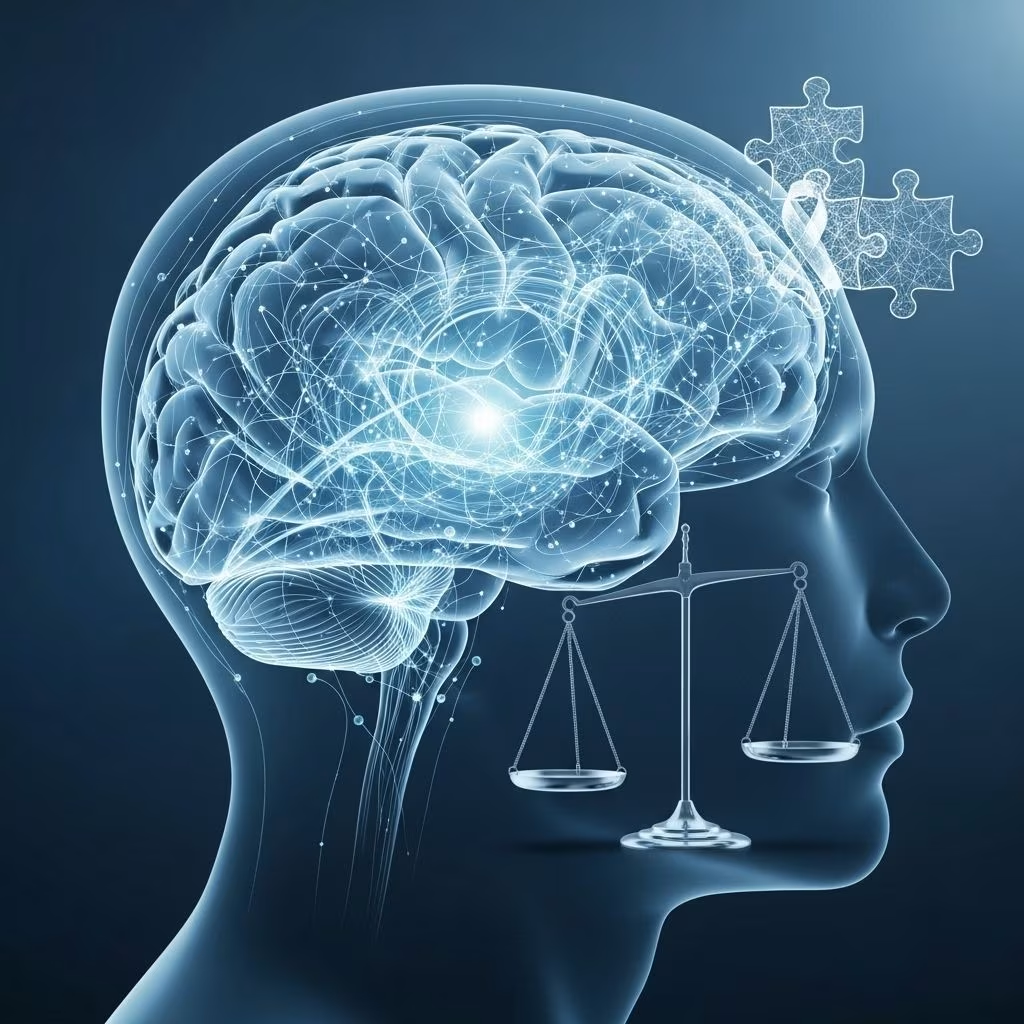
What Is Justice Sensitivity in Autism?
Justice sensitivity refers to how strongly individuals react emotionally and cognitively to perceived unfairness or injustice in the world. For many autistic people, this sensitivity is heightened, leading to deeper and more frequent responses to situations or systems they view as unjust.
This trait has major implications for personal well-being, social relationships, and advocacy strategies within autistic communities.
Justice sensitivity can create motivation for positive change but also lead to significant distress, rumination, and challenges in daily life.
Defining Justice Sensitivity
- It is an increased awareness and a strong emotional response to perceived inequity, wrongdoing, or unfairness.
- Affects both reactions to injustice done to oneself and to others.
- May overlap or intersect with other neurodivergent traits, such as rejection sensitivity.
- Can manifest as frequent anger, intense resentment, recurring guilt, and a persistent need to address and resolve fairness issues.
Types of Justice Sensitivity
| Type | Description |
|---|---|
| Victim Sensitivity | Feeling victimized or wronged by others or systemic unfairness. |
| Observer Sensitivity | Distress at seeing others experiencing injustice or harm. |
| Perpetrator Sensitivity | Feeling guilt or distress at having (or believing to have) caused injustice toward others. |
Justice Sensitivity and the Autistic Experience
Many autistic individuals report that their awareness of unfairness is not only higher but also deeper rooted than in neurotypical peers.
This phenomenon stems from core autistic traits, including heightened empathy (contrary to stereotypes), cognitive rigidity, and a strong drive toward integrity and honesty.
For autistics, the perceived injustice can range from daily microaggressions and misunderstandings to exclusion in education, healthcare, or employment systems.
Why Justice Sensitivity Is Common in Autism
- Hyper-empathy: Many autistic people experience empathy intensely and can feel others’ suffering as if it were their own.
- Experiencing Marginalization: Autistic individuals frequently encounter systemic injustice and discrimination, heightening personal sensitivity to fairness.
- Cognitive Differences: Rigid thinking patterns and high moral standards can amplify distress when confronted with unfair situations.
- Need for Consistency: Many autistic people prefer predictability and fairness, making inconsistent or arbitrary rules especially distressing.
The Stereotype of Empathy in Autism
Contrary to outdated stereotypes suggesting a lack of empathy among autistic individuals, research and anecdotal reports increasingly highlight the presence of hyper-empathy
This intense empathic response often fuels justice sensitivity, manifesting as concern for both personal and societal suffering.
It is important to understand that emotional sensitivity is not a weakness, but a legitimate part of the autistic experience and a potential driver for advocacy and support.
Justice Sensitivity Dysphoria: Emotional Impact
Intense reactions to injustice can sometimes become overwhelming, leading to what has been described as Justice Sensitive Dysphoria (JSD).
This state encompasses feelings of helplessness, rage, sadness, and hopelessness in response to both personal and global unfairness.
JSD is similar in some ways to rejection sensitive dysphoria, where negative emotional responses are triggered by perceived rejection.
Symptoms and Signs of Justice Sensitivity Dysphoria
- Frequent and intense anger regarding perceived victimization
- Fear of experiencing injustice in the future
- Hopelessness about larger societal issues
- Feelings of worthlessness when unfairly treated
- Ruminating on inequities longer than neurotypical peers
- Indignation or guilt about having participated in unfair situations
- Difficulty letting go of negative emotions tied to injustice
The Intersection of Justice Sensitivity and Related Traits
Justice sensitivity often intersects with other emotional traits, notably:
- Rejection Sensitivity: Acute emotional responses to being ignored, excluded, or rejected often overlap with feelings tied to injustice.
- Emotional Dysregulation: Trouble managing strong emotional reactions can compound distress in unjust circumstances.
- Stigma & Misunderstanding: Autistic individuals who are stigmatized or misinterpreted may become especially attuned to injustice.
These intersecting sensitivities often lead to greater vulnerability to anxiety and depression, particularly when the world seems indifferent or hostile to one’s needs or values.
The Impacts of Justice Sensitivity on Mental Health
For many, justice sensitivity becomes a double-edged sword. While it can inspire advocacy, compassion, and action, it also leaves individuals exposed to disproportionate stress, burnout, anxiety, and depression.
Research finds strong links between justice sensitivity, rumination over negative events, and general/social anxiety. Learning to channel these feelings constructively is key to maintaining well-being.
Common Emotional Responses
- Intense frustration with arbitrary or inconsistent rules and behaviors
- Persistent feelings of anger, sadness, or helplessness about injustice in society
- Periodic episodes of overwhelming despair or hopelessness
- Difficulty ‘moving on’ from injustices or unfair events
Potential Positive Outcomes
- Motivation to advocate for marginalized groups
- Increased compassion and support for others in distress
- Commitment to honesty and moral responsibility
- Willingness to challenge unfair practices despite personal cost
Justice Sensitivity as a Catalyst for Change
While the distress triggered by injustice can be acute, many autistic people channel their sensitivity into efforts to create positive change.
Historically, awareness of unfair treatment has been integral to the neurodiversity, disability rights, and social justice movements.
Autistic advocates often lead efforts to address systemic injustices in accessibility, education, healthcare, and public policy.
Justice sensitivity thus becomes a powerful motivator for transformation and growth, both individually and collectively.
How Justice Sensitivity Drives Advocacy
- Empowering autistic individuals to identify inequities others may overlook
- Mobilizing communities to confront ableism, discrimination, and exclusion
- Shaping civil rights movements and legislative reforms
- Encouraging honest communication and transparency
Strategies for Managing Justice Sensitivity
Thriving as a justice-sensitive autistic person involves learning to manage emotional responses constructively, avoid burnout, and direct sensitivities toward healthy forms of advocacy.
Implementing positive coping strategies can help balance empathy and activism with personal well-being.
Recommended Strategies
- Mindfulness and Relaxation: Engage in breathing exercises, nature walks, or meditation to ground emotions and restore balance.
- Limit Overwhelm: Reduce exposure to distressing news and negative social media content; curate newsfeeds for accuracy and positivity.
- Community Support: Connect with other autistic individuals who understand justice sensitivity and share experiences and coping strategies.
- Therapeutic Guidance: Seek counseling or therapy specializing in neurodiversity and emotional regulation.
- Channel Emotions Creatively: Express feelings and insights through writing, art, music, or public speaking.
Frequently Asked Questions (FAQs)
What is justice sensitivity?
Justice sensitivity is an increased emotional, cognitive, and behavioral response to perceived unfairness or injustice, frequently seen among autistic individuals as well as those with other neurodivergent traits.
How does justice sensitivity impact autistic people?
It leads to heightened awareness of injustice, feelings of distress in unfair situations, and a strong drive to advocate for fairness, while also sometimes increasing vulnerability to anxiety and depressive symptoms.
Is empathy usually lacking in autistic people?
No. Many autistic people experience hyper-empathy, feeling others’ pain acutely and having intense emotional reactions to suffering and injustice.
Can justice sensitivity be a positive trait?
Yes. While it may cause emotional distress, justice sensitivity also drives advocacy, supports compassion, strengthens moral determination, and fosters constructive change in society.
How can autistic people manage overwhelming justice sensitivity?
Through mindful practices, community support, therapy, creative outlets, and managing exposure to distressing content. These strategies can help balance empathy with personal resilience and healthy activism.
Summary Table: Justice Sensitivity in Autism
| Aspect | Description | Impact |
|---|---|---|
| Definition | Heightened perception & response to unfairness | Drives empathy, advocacy, and emotional distress |
| Emotional Traits | Hyper-empathy, rumination, distress | Anxiety, depression, compassion |
| Positive Outcomes | Ethical action, social justice advocacy | Changes in policy, community support |
| Challenges | Overwhelm, dysphoria, burnout | Need for coping strategies |
| Management | Mindfulness, community, therapy | Improved resilience & wellbeing |
Key Takeaways
- Justice sensitivity is a significant trait in autism, influencing both challenges and strengths in emotional life.
- This sensitivity can motivate advocacy, compassion, and societal change, while also posing unique mental health risks.
- Learning to channel these feelings constructively through self-care and community support is crucial for autistic well-being.
- Justice sensitivity deserves greater recognition as both a source of distress and a catalyst for positive action.
References
- https://emergentdivergence.com/2024/10/20/justice-sensitivity-and-autism-what-is-it/
- https://www.additudemag.com/why-am-i-so-sensitive-adhd-in-adults/
- https://www.medicalnewstoday.com/articles/adhd-justice-sensitivity
- https://pubmed.ncbi.nlm.nih.gov/24878677/
- https://www.oliviastreater.com/blog/justice-sensitivity-how-to-be-with-the-cruelty-of-the-world
- https://embrace-autism.com/rejection-sensitive-dysphoria-in-adhd-and-autism/


