


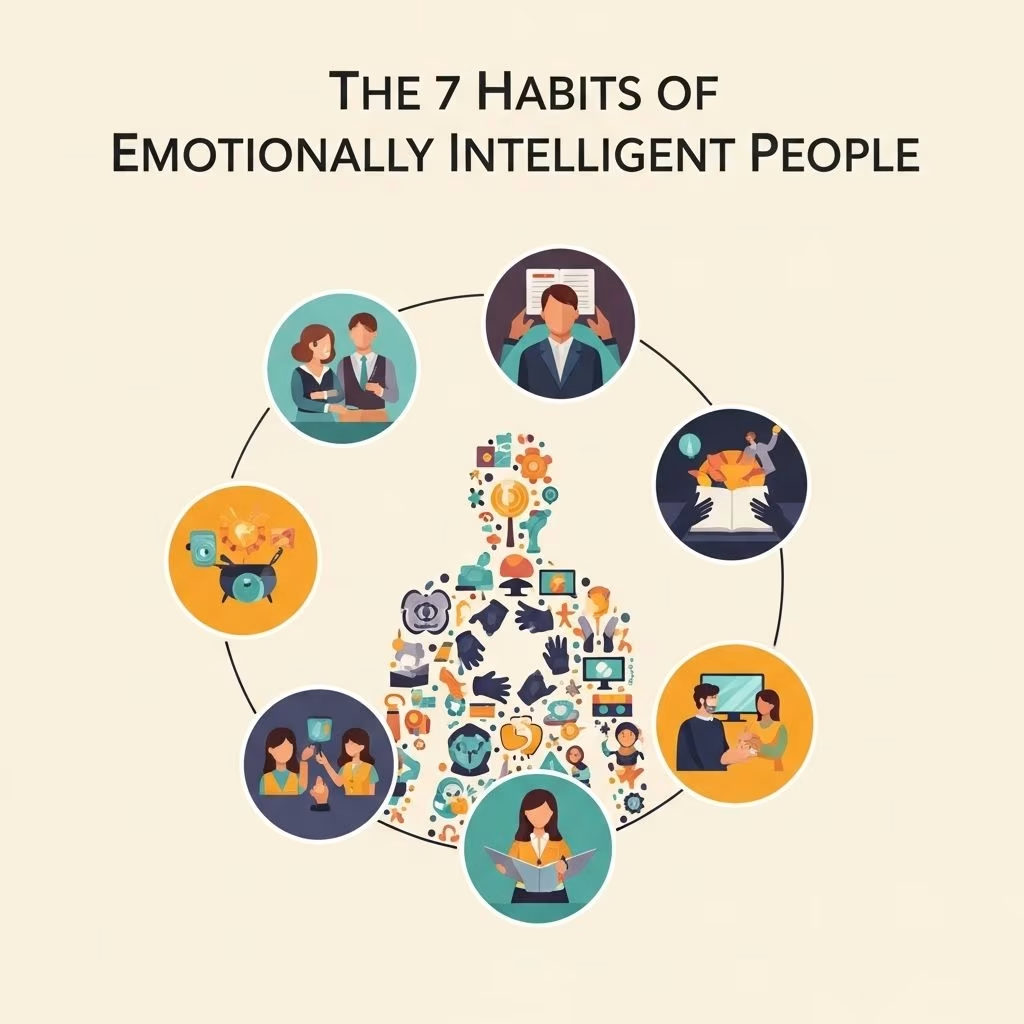
Emotional intelligence (EQ) has emerged as a critical factor in personal happiness, professional success, and strong relationships. While intelligence quotient (IQ) measures cognitive abilities, emotional intelligence highlights a person’s capacity to understand and manage emotions—both in themselves and in others. Unlike IQ, EQ is not fixed; it is a set of skills and habits that can be developed throughout life. Here, we explore the seven core habits that emotionally intelligent people consistently practice, enabling them to thrive, build deep connections, and handle life’s challenges with resilience.
Understanding Emotional Intelligence
Emotional intelligence involves more than just recognizing your own feelings. According to leading researchers, including Daniel Goleman, EQ is comprised of several domains and competencies that together shape how we interpret, react to, and influence our social world.
The four central domains of emotional intelligence:
- Self-awareness
- Self-management
- Social awareness
- Relationship management
Each domain is supported by a series of skills such as adaptability, empathy, conflict resolution, positive outlook, and more.
Why EQ Matters
Emotional intelligence profoundly impacts well-being, stress management, communication, career advancement, and overall satisfaction with life. Evidence shows that individuals with high EQ experience:
- Lower levels of stress
- Greater happiness and life satisfaction
- Healthier social relationships
- Better leadership effectiveness
- Improved physical and mental health
While IQ may remain stable throughout our lives, EQ is learned and learnable. It is cultivated through conscious practice, reflection, and the formation of new habits.
The 7 Habits of Emotionally Intelligent People
1. They Are Deeply Self-Aware
The foundation of emotional intelligence is self-awareness. Emotionally intelligent people can accurately identify their feelings, understand what triggers them, and recognize how their moods influence their behavior. They regularly check in with themselves to understand their emotional state.
How to Practice Self-Awareness:
- Set aside regular time for self-reflection, such as journaling or quiet contemplation.
- Learn to recognize early signs of certain emotions—tension, agitation, excitement, etc.
- Ask yourself, “What am I feeling right now, and why?”
By understanding themselves, emotionally intelligent people lay the groundwork for growth in all aspects of EQ.
2. They Effectively Self-Manage Their Emotions
Self-management involves controlling impulses and regulating emotional responses, particularly in stressful or challenging situations. High EQ individuals are skilled at pausing before reacting, maintaining composure, and choosing their response rather than giving in to automatic urges.
Self-Management Habits Include:
- Breathe deeply or take a quick walk when agitated.
- Reframe negative thoughts to see setbacks as opportunities for growth.
- Stay solution-focused in the face of disappointment.
- Practice gratitude and maintain a positive outlook.
This habit doesn’t mean suppressing emotions but channeling them productively—acknowledging difficult feelings and choosing constructive ways to respond.
3. They Embody Empathy and Social Awareness
Empathy is the ability to sense and understand other people’s feelings, perspectives, and concerns. Emotionally intelligent people go beyond surface-level interactions; they pay close attention to body language, tone, and unspoken cues, acknowledging what others are feeling and responding with care.
How They Practice Empathy:
- Listen actively without judging or interrupting.
- Validate others’ emotions—acknowledging their experience rather than offering immediate advice.
- Imagine themselves in someone else’s situation before reacting.
- Respond genuinely, showing warmth and concern.
Empathy strengthens relationships and fosters an environment of trust and understanding.
4. They Practice Mindful and Respectful Communication
Emotionally intelligent people are masters of mindful, intentional dialogue. They listen more than they speak and strive to understand the heart of what the other person is saying before offering their own thoughts. They refrain from interrupting and provide feedback that is clear, honest, and compassionate.
Mindful Communication Habits:
- Maintain eye contact and attentive body language.
- Ask open-ended questions to encourage meaningful conversation.
- Paraphrase what they’ve heard to confirm understanding.
- Avoid assuming intentions or jumping to conclusions.
This habit helps minimize misunderstandings and defuses potential conflict, laying the groundwork for healthy exchanges.
5. They Maintain Strong Boundaries
People with high EQ respect their own limits and those of others. They set healthy, clear boundaries that safeguard their energy, time, and values. They recognize when to say “yes” and when to say “no,” and do so assertively yet graciously.
Key Boundary Habits:
- Express their needs and limits directly, without guilt.
- Decline requests that conflict with their well-being or priorities.
- Avoid people-pleasing by prioritizing self-respect.
- Recognize when relationships are toxic and take appropriate action.
By guarding their own boundaries, emotionally intelligent people create space for genuine connection and self-care.
6. They Focus on Solutions Over Drama
Rather than getting entangled in blame or negativity, emotionally intelligent individuals prioritize finding solutions. When faced with challenges, they remain calm, cut through drama, and focus on resolving issues—whether in themselves or in interactions with others.
Solution-Focused Habits:
- Detach from gossip and conflict spirals.
- Address problems directly and respectfully.
- Stay anchored to facts rather than exaggerations or assumptions.
- Encourage collaborative problem-solving.
This habit helps build peaceful environments at work and home, while also reducing unnecessary stress.
7. They Regularly Reflect and Act with Intention
Emotionally intelligent people are committed to lifelong growth. They deliberately reflect on their behavior, learn from experiences, and set actionable goals for change. When habits or reactions don’t serve them, they consciously rewire their responses using the power of neuroplasticity.
Reflection and Growth Habits:
- Regularly ask for feedback and practice humble self-inquiry.
- Set personal development milestones.
- Learn from each setback rather than dwelling on it.
- Celebrate successes, however small, to reinforce positive change.
This focus on personal development allows emotionally intelligent people to keep evolving, respond to life’s challenges with resilience, and sustain positive change over time.
How to Grow Your Emotional Intelligence
Unlike personality or IQ, emotional intelligence can be strengthened at any age due to the brain’s neuroplasticity. Practicing emotionally intelligent behaviors literally “trains the brain,” making these habits more automatic over time.
- Identify which domain(s) of EQ—self-awareness, self-management, social awareness, relationship management—need the most attention.
- Choose one habit to develop at a time; practice it intentionally, even if it feels awkward at first.
- Remember: repetition forms neural pathways and new emotional habits over time.
Tests and self-assessment tools are available online for those who want to measure their EQ and track growth.
Emotional Intelligence Domains and Competencies
| Self-awareness | Self-management | Social awareness | Relationship management |
|---|---|---|---|
| Emotional self-awareness | Emotional self-control | Empathy | Influence |
| Adaptability | Organizational awareness | Coaching & Mentoring | |
| Achievement orientation | Conflict management | ||
| Positive outlook | Teamwork | ||
| Inspirational leadership |
These competencies can be targeted and developed through mindful practice and engagement in real-life settings.
Frequently Asked Questions (FAQs)
Can emotional intelligence really be improved?
Yes. Unlike IQ, which tends to remain stable, EQ can be improved at any stage of life. The brain’s neuroplasticity allows the formation of new neural pathways through repeated behaviors and intentional practice.
Which is more important, EQ or IQ?
Both contribute to success in different ways. While IQ reflects cognitive abilities and problem-solving, EQ deals with understanding and managing emotions, which influences relationships, resilience, leadership, and well-being.
How can I assess my emotional intelligence?
There are many online EQ assessments, including those from Psychology Today and Frameworks, that provide feedback on your strengths and areas for growth. Self-reflection and feedback from trusted peers are also invaluable tools.
What are signs of low emotional intelligence?
- Difficulty recognizing or expressing feelings
- Frequent conflicts with others
- Impulse control issues
- Poor listening skills
- Lack of empathy or misunderstandings in relationships
With practice, these weaknesses can be addressed and improved.
Key Takeaways
- Emotional intelligence is a multifaceted skill composed of self-awareness, self-management, empathy, communication, boundary-setting, solution-orientation, and self-reflection.
- These habits can be learned at any age and have a transformative impact on personal and professional life.
- Choosing one habit to practice at a time, tracking your progress, and remaining open to feedback are practical steps for boosting EQ.
By embracing the seven habits of emotionally intelligent people, you can cultivate deeper self-knowledge, more meaningful relationships, and a greater sense of fulfillment in all areas of life.
References
- https://www.youtube.com/watch?v=cr8sLxde1m8
- https://pmc.ncbi.nlm.nih.gov/articles/PMC10783582/
- https://www.psichi.org/page/281Eye-IQ-vs-EQ-for-Career-Success
- https://eluxemagazine.com/lifestyle/a-10-things-truly-emotionally-intelligent-people-do-differently-with-age/
- https://www.chrisdconnors.com/post/the-7-habits-of-emotionally-intelligent-people
- https://deepstash.com/article/66567/habits-of-emotionally-intelligent-people


