


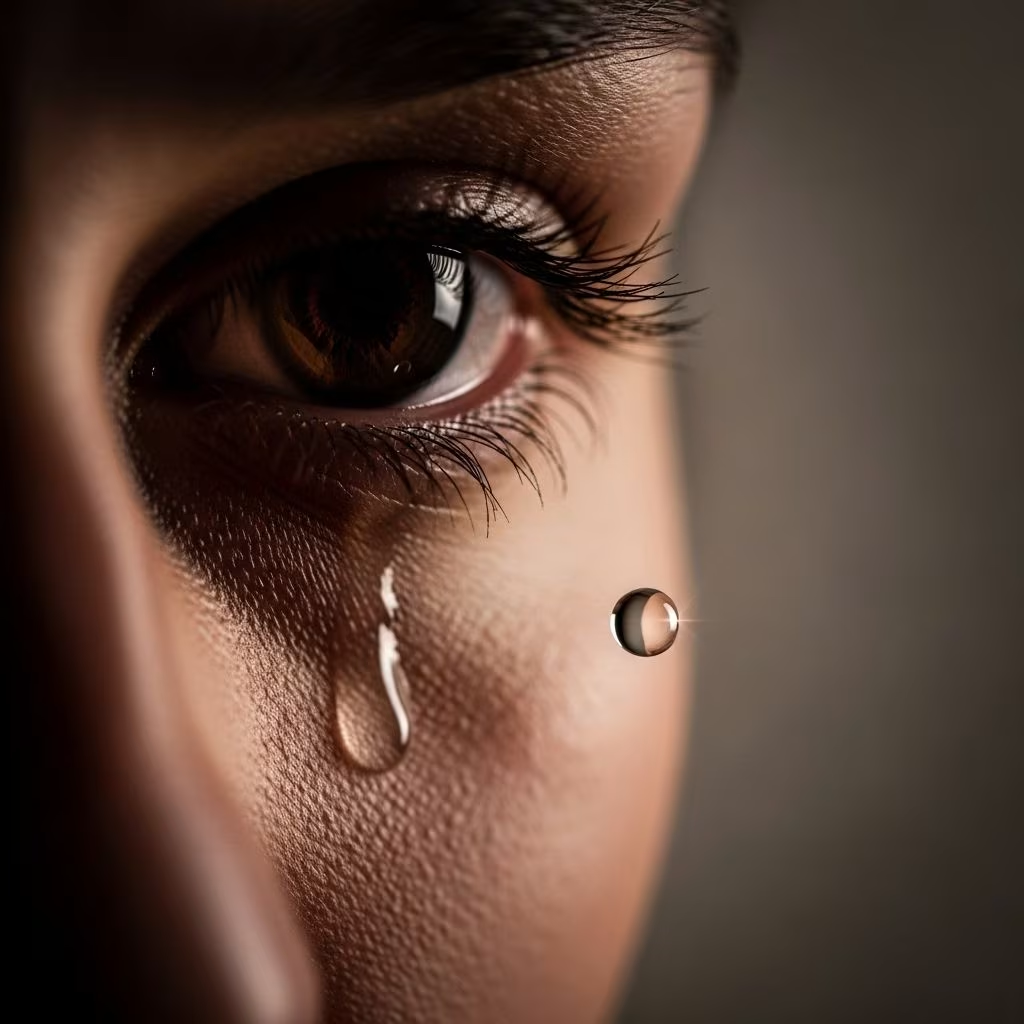
Crying is a profound form of emotional release, often associated with sadness, relief, frustration, or even joy. For many, tears can emerge easily at the height of emotion, but for others, crying remains elusive—sometimes even in moments of overwhelming feeling. If you wonder why you can’t cry, know you’re not alone. There are multiple potential reasons, ranging from emotional regulation and past experiences to biological and medical explanations.
Why Do People Cry?
Crying serves as a natural outlet for emotional tension and stress, helping people manage intense feelings. Research indicates that crying can actually boost your mood, offering a reduction in stress and a sense of relief after an emotional event. This emotional release is thought to be both soothing and social, often signaling to others that support or comfort is needed. In many cases, crying is a healthy and expected response to strong emotions, whether those emotions are negative or positive.
Common Reasons Why You Aren’t Crying
There are various reasons why someone may not cry even when experiencing strong emotions. These reasons can be categorized into emotional, psychological, sociocultural, and physical explanations.
1. Emotional Regulation and Suppression
- Emotional Suppression: Some individuals have learned to suppress their emotions, either consciously or subconsciously, making it difficult for tears to come even during distress. Over time, repeated suppression can dull emotional responsiveness and lessen the likelihood of crying.
- Chronic Emotional Numbing: Those who have lived through prolonged stress, grief, or trauma may develop a sense of numbness as a coping strategy, which can block both sadness and tears.
- Overwhelmed States: Sometimes, emotions become so overwhelming that a person feels “shut down” rather than able to cry. Intense feelings may lead to being “stuck” emotionally, unable to process and express those emotions through tears.
2. Psychological and Mental Health Factors
- Depression: Some forms of depression are associated with emotional blunting—an inability to feel intense emotions, sometimes resulting in the absence of crying. Rather than heightened sadness, many feel “empty” or “numb.” This emotional flatness is a common but often misunderstood symptom of mood disorders.
- Attachment and Childhood Experiences: Early experiences with caregivers shape how people express and manage emotions. If emotional expression—especially crying—was discouraged or punished in childhood, it can lead to a lifelong tendency to suppress tears.
- Cultural and familial norms may dictate that crying is “weak” or inappropriate, fostering shame or discomfort around this natural response.
- Grief: Grief manifests differently in every individual. Some people cry constantly after a loss, while others remain dry-eyed despite feeling intense sorrow. Both responses are normal. A lack of tears may simply reflect how that person navigates loss.
3. Social and Cultural Influences
- Socialization: Many cultures promote “toughness” and self-control, especially among men. The “boys don’t cry” mentality can result in habitual emotional restriction well into adulthood.
- Gender Norms: Stereotypes around masculinity and emotional expression directly affect how boys and men feel about, and display, their emotions. This can lead to a reluctance or inability to cry even when upset.
- Fear of Judgment: Concern about others’ perceptions—fear of being seen as weak, vulnerable, or overly sensitive—can deter people from crying, particularly in public or social settings.
4. Physical and Medical Causes
- Medications: Certain medications, including some antidepressants, antipsychotics, or antihistamines, can disrupt emotional processing or reduce tear production, making it physically difficult to cry.
- Medical Conditions: Some health issues (like dry eye syndrome, Sjögren’s syndrome, or neurological disorders) can physically hinder tear production, regardless of emotional state.
- Aging: Tear production naturally decreases with age, which may affect crying regardless of one’s emotional experience.
Is It Bad If You Can’t Cry?
The inability to cry is not inherently “bad,” but it can be a sign worth paying attention to. Difficulty crying may indicate underlying emotional challenges, unresolved trauma, or physical health concerns. However, everyone expresses and processes emotions differently. Not crying does not mean a person lacks depth of feeling or empathy.
- If an absence of tears is accompanied by persistent sadness, hopelessness, numbness, or detachment, this could be a symptom of depression or another mental health condition, and professional support is recommended.
- If you feel physically unable to cry despite distress, especially if this is new, discussing the issue with a healthcare provider can help rule out medical causes.
What to Do If You Have Trouble Crying
Experiencing difficulty with crying—or any aspect of emotional expression—shouldn’t be a source of guilt or shame. Instead, it can be an opportunity to better understand your emotional world and develop healthier ways to cope and express yourself.
Strategies to Reconnect With Your Emotions
- Allow Yourself Emotional Space: Give yourself permission to feel, whether that’s sadness, anger, frustration, or even joy. Recognize that all emotions are valid and serve a purpose.
- Journaling: Writing down your thoughts and feelings can help you process what’s happening internally, making it easier to identify and express deep-seated emotions.
- Creative Activities: Art, music, dance, or other forms of creativity can be powerful outlets, offering alternative routes for emotional expression.
- Talking to Someone You Trust: Sharing your feelings with a trusted friend, family member, or therapist can create a safe space where emotions—including tears—are more likely to be released.
- Mindfulness and Self-Compassion: Practicing mindfulness can help you tune in to physical and emotional sensations without judgment, while self-compassion encourages kindness toward yourself when you feel blocked or numb.
When to Seek Professional Help
If your inability to cry is causing distress, interfering with daily life, or accompanied by other symptoms of depression, anxiety, or emotional numbness, it’s important to reach out to a mental health professional. Therapy can help you explore the roots of emotional blockage, develop healthier coping mechanisms, and work through past experiences that may inhibit emotional expression.
Frequently Asked Questions (FAQs)
Why can’t I cry even though I feel sad?
There are many possible reasons, including emotional numbing, previous suppression of feelings, cultural or gender norms, certain medications, or physical health conditions. Sometimes, prolonged stress or trauma leads to a “shut down” response, making tears hard to access.
Is it harmful to not cry?
It’s not inherently harmful, but a lack of crying can signal suppressed emotions or emotional numbness, which over time may contribute to issues like anxiety, depression, or difficulty connecting with others. If you feel stuck or detached, professional support may help.
Can men cry? Why do men cry less?
Absolutely, men can and do cry. However, men are often socialized to suppress tears due to the “boys don’t cry” mentality, which can make crying feel unsafe or shameful. This socialization often leads to less open emotional expression among men, though everyone has the biological capacity to cry.
What are some ways to express feelings other than crying?
- Talking or sharing with others.
- Journaling or creative writing.
- Expression through art, music, dance, or physical activity.
Should I be worried if I never cry?
If your inability to cry is not causing distress or impairing your life, it may not be a concern. However, if you feel emotionally cut off, numb, or unable to process sadness, it may help to explore these feelings with a mental health professional.
How Crying Can Be Healthy
Crying is often described as cathartic, meaning it helps release pent-up emotions and can actually enhance your mood afterwards. Research demonstrates that crying can lower stress, provide comfort, and signal to others the need for support. Physical crying also triggers the release of endorphins and oxytocin, hormones that foster feelings of well-being and bonding.
Cultural and Social Perspectives: The Gender Divide
The expectation that men should refrain from crying is both a cultural and psychological hurdle. This “boys don’t cry” legacy can leave men feeling isolated, ashamed, or unable to seek help, amplifying emotional struggles. Encouraging emotional openness—regardless of gender—fosters healthier relationships and a more authentic connection to one’s own feelings. Sharing stories, seeking professional help, and breaking the silence around emotional pain are acts of courage, not weakness.
What to Remember
- Crying is only one way to process and express emotion; it’s not the sole indicator of psychological health.
- The reasons for not crying are varied and can include both mental and physical causes.
- If emotional numbness persists or is distressing, seeking support is a wise step toward healing.
- It’s possible to regain emotional sensitivity and rediscover tears through compassionate self-exploration and, if necessary, professional guidance.
Resources for Support
- If you or someone you know is struggling emotionally, contact a mental health professional or support line, such as the Suicide and Crisis Lifeline (dial 988 in the US), for confidential assistance.
- Consider exploring therapy or counseling to address underlying issues with emotional expression and well-being.


