


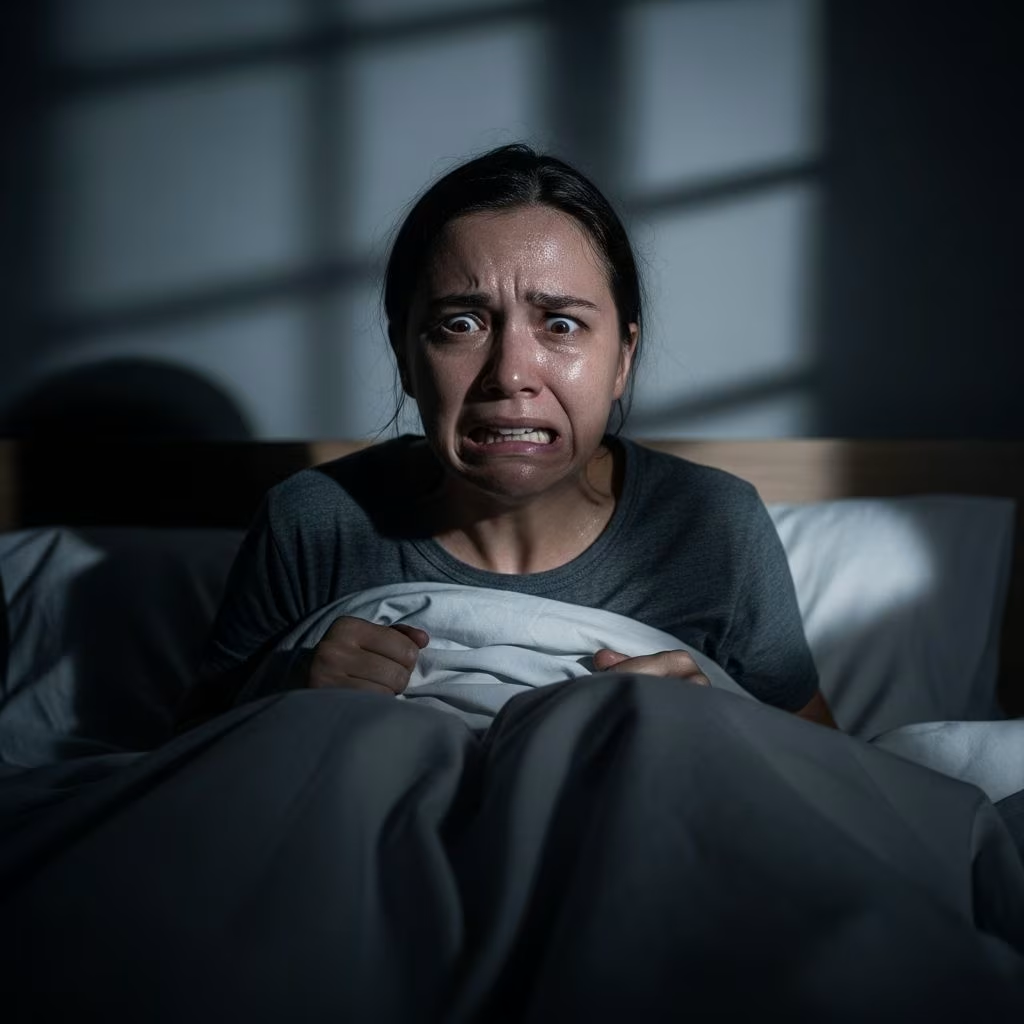
Night terrors are a disruptive sleep disorder characterized by intense fear, physical agitation, and sometimes loud screaming or thrashing during sleep. While often associated with children, night terrors can also occur in adults. These events can be alarming to witnesses and distressing for those who experience them—especially as sufferers rarely remember the event the next day. This article delves deeply into the causes, symptoms, diagnosis, treatments, and prevention of night terrors, offering practical strategies for families and individuals coping with this condition.
What Are Night Terrors?
Night terrors, also called sleep terrors, are episodes of intense fear, panic, or dread that occur during sleep—most commonly within the first few hours of the night. Unlike nightmares, which happen during REM (rapid eye movement) sleep and are often recalled upon waking, night terrors occur during non-REM sleep (usually stage 3 or 4) and typically leave little or no memory of the episode upon waking.
- Typical behaviors during night terrors include sudden sitting up in bed, shouting or screaming, rapid breathing, increased heart rate, sweating, thrashing or flailing of limbs, and an appearance of intense fear or panic.
- The affected person is usually hard to wake and often seems confused or unaware of their surroundings during the event.
- Episodes last from a few seconds up to several minutes, and sometimes longer.
- The next morning, the person typically does not remember the episode.
Night Terrors vs. Nightmares: Key Differences
| Feature | Night Terrors | Nightmares |
|---|---|---|
| Sleep Stage | Non-REM (deep sleep) | REM sleep |
| Recall | Little or none | Often remembered vividly |
| Occurrence | First third of the night | Later in the sleep cycle |
| Physical Movement | Common (sitting up, flailing) | Uncommon |
| Emotional Display | Intense terror, confusion, may shout/scream | Fear, sadness, but not outright terror |
How Common Are Night Terrors?
Night terrors most frequently affect young children, typically between the ages of 3 and 12. They are less common in adolescence and adulthood, but can still occur.
- Up to 6% of children will experience night terrors at some point.
- Most children outgrow night terrors as their nervous system matures.
- It is much less common for adults to continue having night terrors; when present, these are often linked to mental health or medical conditions.
Signs and Symptoms
The experience may differ from person to person, but common symptoms of night terrors include:
- Sudden awakening from sleep with crying, screaming, or shouting
- Frightened facial expressions—wide eyes, open mouth, or panicked look
- Physical agitation: sitting up in bed, thrashing, flailing arms and legs
- Rapid heart rate, heavy breathing, sweating
- Sometimes, sleepwalking or running from the bed
- Incoherent speech or unresponsiveness to others
- Difficulty in being comforted during the episode
- Confusion or disorientation upon brief awakening, but with no memory afterward
Causes and Triggers of Night Terrors
The exact cause of night terrors is not fully understood, but a range of biological, psychological, and environmental factors appear to contribute:
- Genetics: A family history of parasomnias (such as sleepwalking or night terrors) increases risk.
- Developmental stage: Immature nervous systems in young children may make night terrors more likely.
- Sleep deprivation: Less sleep or disrupted sleep increases time spent in deep sleep, when night terrors most often occur.
- Stress and anxiety: Emotional disturbance, trauma, or psychosocial stressors can act as triggers.
- Fever or illness: Febrile illnesses that deepen sleep can increase episode frequency.
- Changes in sleep environment: Traveling, sleeping in new places, or altered sleeping arrangements may trigger events.
- Medical conditions: Sleep apnea, periodic limb movement disorder, restless leg syndrome, nocturnal asthma, and gastroesophageal reflux disease have all been linked.
- Medications and substances: Use of stimulants, sedatives, antihistamines, neuroleptics, or withdrawal from certain medications can increase risk.
- Mental health disorders: Post-traumatic stress disorder (PTSD), depression, and other mood disorders are associated with increased prevalence, particularly in adults.
Diagnosis: How Are Night Terrors Identified?
Night terrors are generally diagnosed based on medical history and description of the episodes. A physician or sleep specialist will:
- Collect a detailed sleep and symptom history from the patient and witnesses (such as parents or partners), often noting the time and frequency of events.
- Physical examination to rule out other possible conditions causing similar symptoms.
- If necessary, recommend video recordings during sleep to document behaviors.
- In some cases, administer a polysomnography (sleep study), which monitors brain activity, breathing, heart rate, and body movement to distinguish night terrors from seizures or other parasomnias.
- Occasionally order additional tests such as EEG to rule out epilepsy.
Night terrors do not have a single definitive test; the diagnosis is clinical, based on characteristic behaviors and history.
When Should You Seek Medical Help?
While most night terrors in children are benign and self-limiting, consult a healthcare provider if:
- Episodes lead to injuries to the individual or others
- Night terrors continue beyond adolescence or increase in frequency
- The episodes are accompanied by daytime sleepiness, unusual behaviors, or seizures
- There is reason to suspect an underlying condition such as sleep apnea, mental health disorder, or neurological disorder
Management and Treatment Options
For most, the best approach to night terrors is general support and management of possible triggers. Children typically outgrow night terrors without need for medication or extensive therapy.
General Recommendations
- Ensure a safe sleeping environment to prevent injuries during episodes—remove sharp objects, install safety gates if sleepwalking occurs, consider locks on windows and doors.
- Do not attempt to wake the person during the episode; this may cause confusion and agitation. Simply offer gentle reassurance and guide them safely back to bed if needed.
- Monitor but minimize intervention: Night terrors usually run their course within minutes.
Addressing Triggers
- Manage stress and emotional disturbances through supportive conversation, mental health counseling, or relaxation techniques.
- Establish consistent bedtime routines—predictable bedtimes and wake times help regulate sleep cycles.
- Prevent sleep deprivation: Ensure adequate sleep length for age, and treat insomnia if present.
- Address medical conditions (such as obstructive sleep apnea, reflux, or psychiatric disorders) that may underlie or exacerbate night terrors.
- Minimize stimulants such as caffeine and avoid sedatives unless prescribed, as these can affect deep sleep.
Therapeutic Interventions
- Cognitive Behavioral Therapy (CBT), hypnosis, and relaxation therapies are helpful, especially for stress-related or recurrent episodes in older children and adults.
- Sleep specialist consultation may be beneficial if episodes are frequent, injurious, or disruptive to family life.
- Anticipatory (Prompted) Awakening: If night terrors routinely occur at the same time each night, waking the person about 15 minutes before the usual episode and keeping them awake briefly may help prevent recurrence.
- Medication is rarely needed. In severe, persistent cases not responsive to behavioral strategies, low-dose benzodiazepines or tricyclic antidepressants may be prescribed, but only after trying other interventions and under medical supervision.
Prevention Strategies
While not all night terrors can be prevented, the following strategies reduce their likelihood and intensity:
- Regular sleep schedule: Maintain a consistent bedtime and wake-up time, even on weekends.
- Promote good sleep hygiene: Quiet, dark sleeping environment; avoid screens and stimulants before bed.
- Relaxation routines before sleep: Reading, meditation, or gentle music can soothe the mind and body.
- Monitor physical health: Treat fevers promptly and assess for any chronic illnesses that may impact sleep.
- Minimize stressors: Encourage open expression of fears or anxieties in children; address major changes gradually and with preparation.
Night Terrors in Adults
Although significantly less common, when night terrors persist in adulthood, they are often associated with underlying psychological distress, past trauma, or, less frequently, neurological disease.
- Adult night terrors often require a more in-depth evaluation to address root causes (e.g., PTSD or severe anxiety).
- Interventions such as psychotherapy, stress management, and sometimes medication may play a greater role in adults.
Living with Night Terrors: Impact on Families
Family members and partners often find night terrors distressing and may struggle to comfort the person experiencing an episode. The unpredictable nature of these events can cause sleep disruption and anxiety in the household.
- Educate all members of the household about what night terrors are, what to expect, and safe ways to respond.
- Coordinate with schools or caregivers if a child’s sleep is disturbed and daytime alertness is impaired.
- Seeking support and reassurance from sleep clinicians or support groups can help families feel less isolated.
Frequently Asked Questions (FAQs)
Are night terrors dangerous?
Night terrors themselves are not physically harmful, but accidental injuries during episodes (falling out of bed, running into furniture) can occur. Ensure a safe environment and consult a doctor if episodes are severe or frequent.
Should I wake someone having a night terror?
No. Attempting to wake the person can cause more confusion and distress. Instead, quietly ensure their safety until the episode subsides.
Will my child remember their night terror?
It is very unlikely. Most people have no memory of the event the next day.
Do night terrors mean my child is traumatized or disturbed?
Most of the time, no. Night terrors are common in healthy children and are not typically a sign of trauma or emotional illness. Still, discuss ongoing or severe events with your child’s doctor.
What’s the difference between night terrors and sleepwalking?
Both are parasomnias and may occur in the same person. Night terrors involve pronounced fear and agitation, while sleepwalking typically does not involve emotional outcry. They are both related to abnormal arousals from deep sleep.
Can night terrors be cured?
Most children outgrow night terrors with time. Managing triggers and ensuring safety is often sufficient. For adults or severe cases, medical or psychological intervention may be necessary.
Key Points
- Night terrors are a type of parasomnia, most common in young children, and characterized by intense fear, confusion, and physical activity during deep sleep.
- Episodes usually last several minutes, with no memory afterward.
- Managing sleep hygiene, reducing stress, and establishing routines are the cornerstones of prevention and management.
- Medical attention is recommended for severe, frequent, or injurious episodes, or if there is an underlying medical or psychiatric disorder.
- Medication is rarely needed and is reserved for rare, persistent, or adult cases.
If you or your loved one experience frequent night terrors, know that support and resources are available. Most individuals improve with time and proper care.
References
- https://www.webmd.com/sleep-disorders/night-terrors
- https://pmc.ncbi.nlm.nih.gov/articles/PMC8193803/
- https://www.mayoclinic.org/diseases-conditions/sleep-terrors/diagnosis-treatment/drc-20353529
- https://www.sleepfoundation.org/parasomnias/night-terrors
- https://my.clevelandclinic.org/health/diseases/night-terrors
- https://www.childrenscolorado.org/conditions-and-advice/conditions-and-symptoms/conditions/night-terrors/
- https://www.mayoclinic.org/diseases-conditions/sleep-terrors/symptoms-causes/syc-20353524
- https://www.iowaclinic.com/specialties/sleep/sleep-medicine/sleep-disorders/night-terrors/
- https://kidshealth.org/en/parents/terrors.html


