


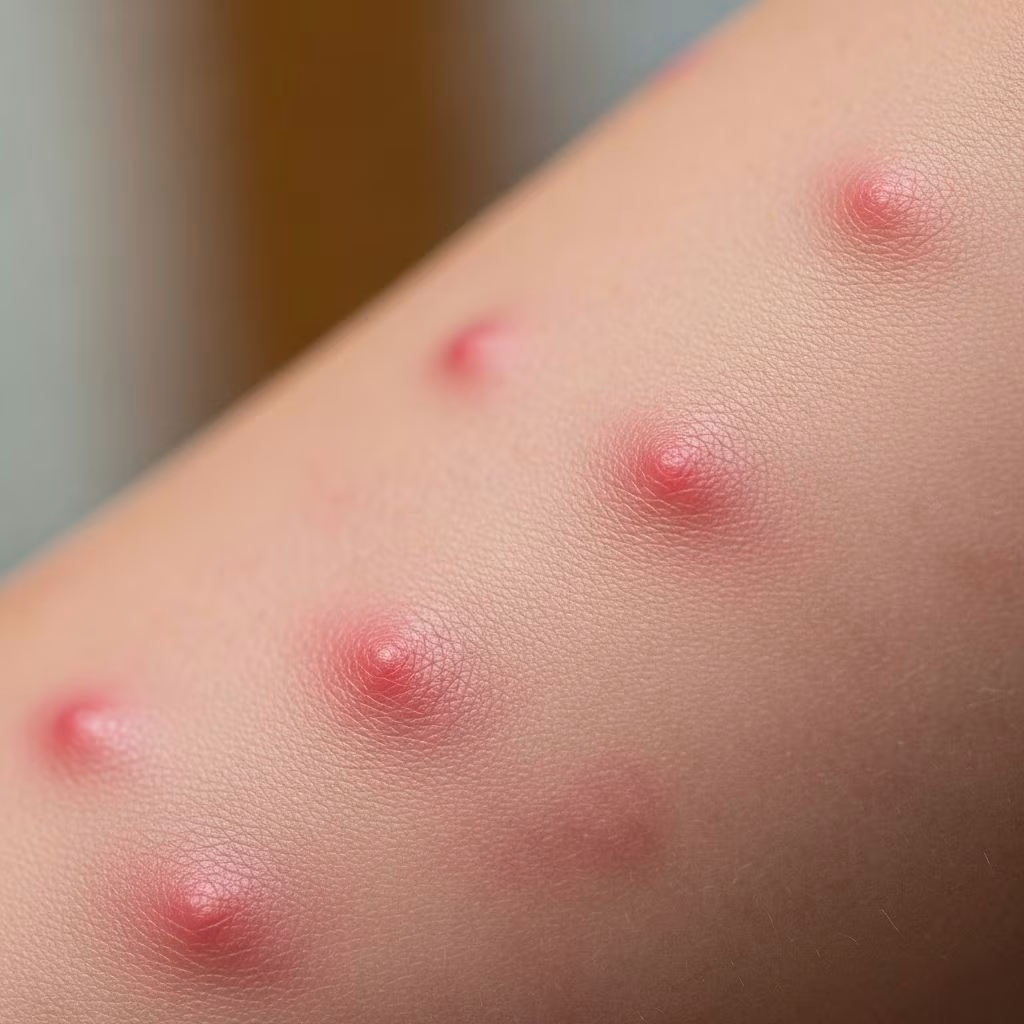
Chronic hives, known medically as chronic urticaria, are a common but often misunderstood skin condition characterized by persistent, itchy welts that can disrupt daily life. Understanding their causes, diagnostic process, and effective management strategies is essential for those affected by this unpredictable condition. This comprehensive guide provides insight into chronic hives, its forms, triggers, diagnosis, and stepwise management techniques for optimal symptom control.
What Are Chronic Hives (Urticaria)?
Chronic hives, or chronic urticaria, are characterized by the recurring appearance of red, swollen, and extremely itchy skin welts (hives) that persist for six weeks or longer. Unlike acute hives, which typically resolve within a few days to weeks, chronic hives may last for months or years. Patients can experience hives on most days of the week, with episodes coming and going unpredictably.
- Chronic Spontaneous Urticaria (CSU): Hives that have no clear or identifiable trigger.
- Chronic Inducible Urticaria: Hives triggered by external physical factors (e.g., cold, heat, pressure).
Neither form of chronic urticaria is life-threatening. However, the impact on quality of life is significant, leading to discomfort, sleep disturbance, and emotional distress for many individuals.
Types of Hives: Acute vs. Chronic
| Type | Duration | Potential Triggers | Resolution |
|---|---|---|---|
| Acute Urticaria | Less than 6 weeks | Often identifiable (foods, medications, infections) | Self-limited; usually resolves within days-weeks |
| Chronic Urticaria | 6 weeks or longer | Usually no clear trigger | Can last months or years, but remits in most cases |
Doctors classify chronic urticaria further into spontaneous (idiopathic) and inducible types based on the presence or absence of triggers.
Causes and Triggers of Chronic Hives
The precise causes of chronic hives are often elusive. In many cases, no specific trigger can be identified, especially for chronic spontaneous urticaria.
- No Known Trigger: Most cases (about 80-90%) fall under this category, termed “idiopathic” or “spontaneous” urticaria. The immune system may be involved, but the exact mechanism is unclear.
- Potential Triggers Include:
- Changes in body temperature (exposure to heat or cold)
- Physical pressure (tight clothing, scratching, carrying heavy objects)
- Underlying medical conditions (e.g., thyroid disease, lupus, diabetes, rheumatoid arthritis, infections)
- Viral or bacterial infections (e.g., strep throat, hepatitis, COVID-19)
- Allergens (food, medications, pollen, latex, insect venom, animal dander)
- Use of nonsteroidal anti-inflammatory drugs (NSAIDs) or antibiotics
- Alcohol consumption
- Hereditary Factors: Rarely, there are inherited forms linked to genetic mutations.
Identifying a specific cause is challenging. For many, avoidance of potential triggers does not completely resolve symptoms, necessitating a focus on symptom control.
Symptoms and Appearance
- Itchy, raised welts or patches (wheals): Can be red, white, or flesh-colored depending on skin tone.
- Vary in size and shape: From a few millimeters to several centimeters.
- Change location: Hives come and go, may move from one part of the body to another.
- Blanching: Hives temporarily turn pale when pressed.
- Tendency to resolve in 24 hours: Individual hives usually disappear within a day but may be replaced by new ones elsewhere.
- Angioedema: Swelling of deeper layers of the skin, often on lips, eyelids, or throat, may accompany hives in some cases.
Systemic reactions and symptoms such as difficulty breathing, widespread swelling, or fainting indicate a medical emergency and require immediate attention.
Diagnosing Chronic Hives
- Diagnosis by exclusion: Chronic hives are diagnosed once other causes of persistent rash have been ruled out through a combination of clinical history, physical examination, and occasionally, laboratory investigations.
- Key steps in diagnosis:
- Detailed medical and allergy history (including medication and infection exposure)
- Comprehensive physical examination (to observe hives and any associated angioedema)
- Use of a symptom diary to identify patterns or possible triggers
- Targeted laboratory tests if specific illnesses (such as autoimmune diseases or infections) are suspected
- Chronic inducible urticaria: Diagnosed through reproducible triggers such as cold, heat, pressure, or exercise.
There is no single test for chronic spontaneous urticaria; most testing serves to rule out other skin disorders or underlying illnesses.
Treatment Overview: The Stepwise Approach
The aim of chronic hives treatment is to control symptoms and minimize their impact on daily life. International guidelines advocate a stepwise approach personalized to severity and response to interventions.
Stepwise Treatment Table for Chronic Hives
| Step | Description | Examples |
|---|---|---|
| 1 | Start with non-sedating, second-generation antihistamines, at the standard dose | Loratadine, cetirizine, fexofenadine, desloratadine, levocetirizine |
| 2 | If symptoms persist, increase the dose of second-generation antihistamines (up to 4 times the standard dose as per physician guidance) | Double, triple, or quadruple standard antihistamine dose |
| 3 | Add-on therapy if antihistamines are inadequate | Omalizumab (biologic therapy), oral corticosteroids (short term), cyclosporine (immunosuppressant) |
- Antihistamines: The mainstay of therapy—block the action of histamine, the chemical that causes itch and swelling. Second-generation antihistamines are preferred for daily use due to fewer side effects.
- Omalizumab: A biologic injection approved for antihistamine-refractory cases of chronic spontaneous urticaria.
- Other immunosuppressants: Rarely needed; cyclosporine under specialist supervision.
- Short course corticosteroids: May be prescribed for severe flares, but not suitable for long-term due to side effects.
Individual responses vary. It can take time to find the most effective regimen, and periodic review with an allergy or dermatology specialist is advised.
Lifestyle Measures and Self-Care
- Avoid triggers: If identified (e.g., heat, tight clothing, specific foods or medications).
- Comfort measures:
- Cool compresses or baths can help soothe itching.
- Wear loose-fitting, breathable clothing.
- Maintain moderate room temperature to limit flare-ups due to heat or perspiration.
- Use gentle, fragrance-free skin cleansers and moisturizers.
- Avoid NSAIDs (ibuprofen, aspirin) and alcohol: These can worsen symptoms for some people.
- Keep a symptom diary: Useful in identifying patterns or less obvious triggers.
Support groups, psychological counseling, or stress management techniques can be helpful, as chronic symptoms often cause distress or interfere with sleep and daily functioning.
Prognosis and Long-Term Outlook
- Not lifelong: The majority of individuals with chronic urticaria will see symptoms resolve gradually, although episodes can last months to years.
- Remission rates: About 50% improve within 1-2 years of symptom onset, and up to 90% have full or partial resolution by five years.
- No scarring: Hives do not leave permanent marks unless scratched excessively to the point of skin damage.
Although frustrating, chronic urticaria rarely indicates a serious underlying medical condition and does not increase the risk of severe allergic reactions, such as anaphylaxis, in the vast majority of cases.
Frequently Asked Questions (FAQs)
Q: Are chronic hives contagious?
A: No, chronic hives are not contagious. They represent an abnormal immune response of the individual’s skin, not an infection that can be passed from person to person.
Q: Will chronic hives ever go away?
A: Yes, most people experience remission. Symptoms can resolve spontaneously, usually within a few years, though some may need ongoing management.
Q: Should I seek emergency care for hives?
A: Seek immediate medical attention if your hives are associated with difficulty breathing, swelling of the face, tongue, or throat, or lightheadedness—these can signal a severe allergic reaction (anaphylaxis).
Q: Can foods cause chronic hives?
A: While foods can trigger acute hives, chronic spontaneous urticaria rarely has an identifiable dietary cause. However, keeping a food and symptom diary can help rule out possible associations in rare cases.
Q: Can stress cause or worsen chronic hives?
A: Stress does not cause chronic hives, but it can worsen symptoms or increase flare frequency in many individuals.
Q: What is angioedema, and how is it related to hives?
A: Angioedema is swelling of the deeper tissues beneath the skin, often occurring with hives. While usually harmless, it can be severe if it affects the throat or airway, necessitating urgent care.
Q: What should I avoid if I have chronic hives?
A: Avoid triggers such as NSAIDs, tight clothing, extreme temperatures, known allergens, and alcohol. Follow your doctor’s advice regarding medications and lifestyle adjustments.
Q: Can children get chronic hives?
A: Yes, both children and adults can develop chronic hives. The diagnostic steps and treatment approach are largely similar across age groups.
Further Resources
- Allergy & Asthma Network
- American Academy of Allergy, Asthma & Immunology
- Mayo Clinic: Chronic Hives
- Cleveland Clinic: Chronic Idiopathic Urticaria
References
- https://www.xolair.com/content/dam/gene/xolair/pdfs/xolair-csu-treatment-guide.pdf
- https://allergyasthmanetwork.org/chronic-urticaria/
- https://www.aaaai.org/tools-for-the-public/conditions-library/allergies/hives-(urticaria)-and-angioedema-overview
- https://www.mayoclinic.org/diseases-conditions/chronic-hives/diagnosis-treatment/drc-20352723
- https://www.ncbi.nlm.nih.gov/books/NBK555910/
- https://dermnetnz.org/topics/urticaria-an-overview
- https://pmc.ncbi.nlm.nih.gov/articles/PMC5625775/
- https://www.merckmanuals.com/professional/dermatologic-disorders/approach-to-the-dermatologic-patient/urticaria
- https://my.clevelandclinic.org/health/diseases/22900-chronic-hives-chronic-idiopathic-urticaria


