


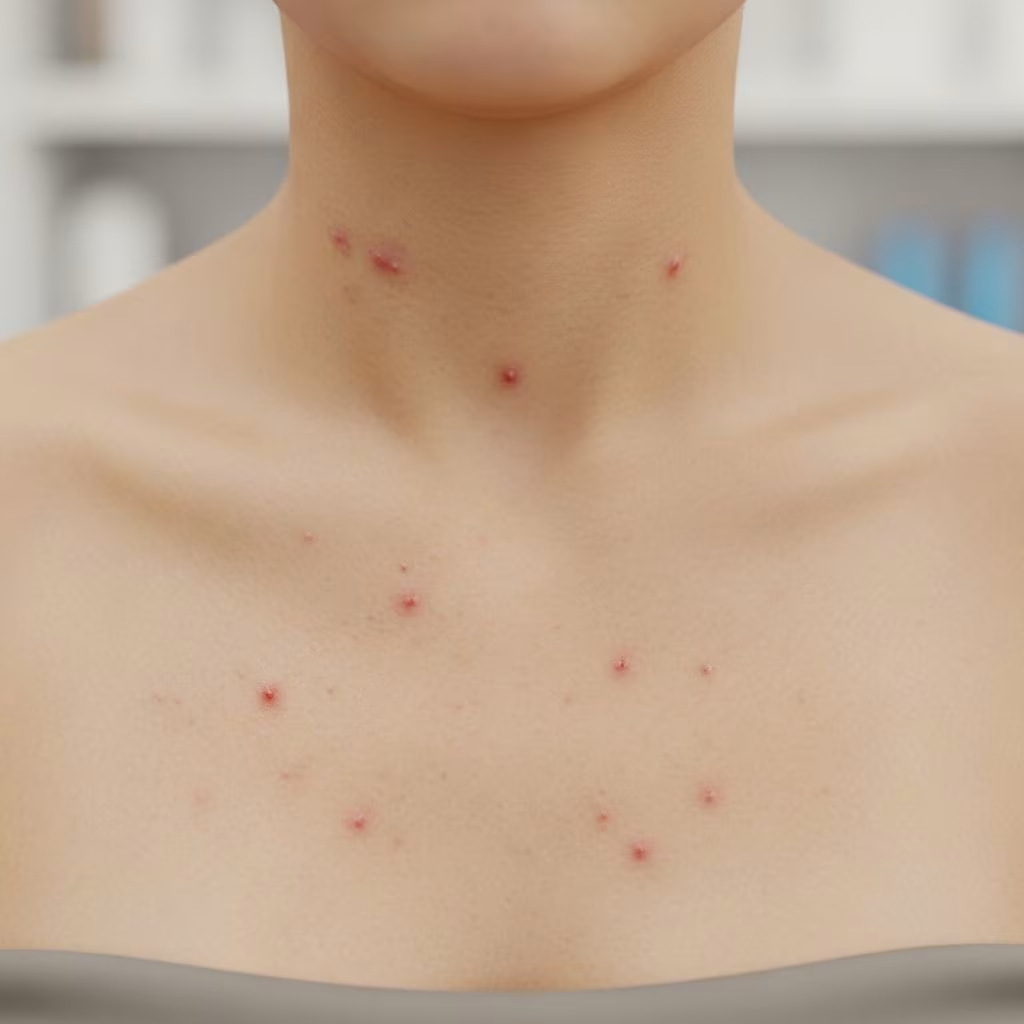
Acne is widely known for its stubbornness on the face and back, but what happens when you notice it only on your decolletage—the delicate skin of your upper chest? This targeted outbreak is surprisingly common, uncomfortable, and can be frustrating if the rest of your skin is clear. Let’s dive deep into why chest-specific acne happens, what unique triggers affect this area, and how to effectively treat and prevent future breakouts.
Understanding the Decolletage: Unique Skin Features
The decolletage refers to the upper chest area, often exposed in clothing and particularly sensitive compared to other body skin. Key features of this area include:
- Relatively thinner skin than the back, but slightly thicker than the face
- Fewer sebaceous (oil) glands than the face, but more than the limbs
- Direct exposure to environmental factors, like UV radiation, pollution, and friction from clothing
- Limited natural exfoliation, which leads to buildup of dead skin cells
These unique characteristics make the decolletage prone to blockages and inflammation, setting the stage for acne development when additional triggers are present.
How and Why Acne Forms on the Decolletage
Acne’s fundamental process is the same wherever it appears: clogged hair follicles (pores) become inflamed, infected, or both, leading to the classic pimples, pustules, and cysts. The primary factors involved in acne formation include:
- Excess sebum (oil) production
- Accumulation of dead skin cells that block pores
- Bacterial growth (notably Cutibacterium acnes) in blocked follicles
- Skin inflammation triggered by blockages and bacteria
While these mechanisms operate anywhere on the body, certain areas, like the decolletage, can be especially prone due to their skin structure and exposure patterns.
Specific Causes of Decolletage-Only Acne
What makes the chest, and specifically the decolletage, a hotspot for isolated breakouts while your face and back remain clear? Below are the most prominent culprits:
1. Sweat and Heat
Excessive sweating, especially under heavy or synthetic clothing, can increase moisture and block pores. Tight gym wear, sports bras, or summer tops can trap sweat, oils, and bacteria, fueling breakouts.
2. Friction and Pressure (Acne Mechanica)
Friction from clothing (bras, straps, collars) can cause microtrauma, inflaming pores. This is known as acne mechanica, and the decolletage is particularly susceptible due to frequent contact with fitted tops or gear.
3. Cosmetics and Skin Care Products
Products not formulated for the chest can clog pores or trigger irritation. Key offenders include:
- Heavy moisturizers
- Sunscreens and body lotions with comedogenic (pore-clogging) ingredients
- Perfumed products or harsh detergents left on skin via clothing
Using products meant for the face on the chest, or vice versa, can further upset the delicate skin balance.
4. Hormonal Fluctuations
For some, hormones impact areas beyond the face. Sudden changes, such as puberty, menstruation, pregnancy, or use of certain medications (e.g., steroids, some contraceptives), can drive sebum production specifically in the chest.
5. Diet and Lifestyle
Emerging evidence links high-glycemic diets (rich in sugar and processed carbs) and dairy consumption to body acne. Though more research is needed, excess dietary fat and sugar could make oil glands overactive even on the chest.
6. Allergens and Irritants
- Laundry detergents or fabric softeners with dyes and fragrance
- Residue from perfume, makeup, or hair products
- Build-up of dead skin from infrequent exfoliation
These can irritate the skin, clog pores, and lead to localized outbreaks.
7. Stress
While not a direct cause, stress hormones can worsen pre-existing acne. If you’re experiencing stress and only see acne on your chest, it may be amplifying existing triggers in that area.
Common Triggers and Aggravating Factors
Daily habits and environmental exposures can turn the decolletage into a breakout zone. Consider the following as possible triggers:
- Wearing non-breathable materials (polyester, spandex) during warm weather or workouts
- Lack of showering after exercise, leaving sweat on the skin
- Layering clothing or using accessories that create friction (scarves, necklaces)
- Applying scented lotions, oils, or body sprays directly on the area
- Using facial skincare products not suitable for chest skin
- Not washing bras or workout gear frequently, which builds up bacteria
Addressing these triggers can markedly reduce decolletage breakout frequency.
Other Skin Conditions That Mimic Acne
It’s important to differentiate decolletage acne from similar looking conditions:
- Folliculitis: Infection or irritation of hair follicles, often from shaving, waxing, or friction; distinguished by itchy, often more uniform red bumps.
- Eczema: Can appear as red, inflamed, or bumpy skin, sometimes confused with acne. Unlike acne, eczema is often itchy and can be widespread.
- Heat Rash: Caused by blocked sweat ducts, leading to prickly, tiny bumps during hot or humid weather.
If your chest breakouts are not responding to typical acne treatments—or are painful, spreading, or unusually red—consult a dermatologist for an accurate diagnosis.
Treatment Strategies: From Prevention to Cure
Self-Care Tips and Over-the-Counter Treatments
- Choose non-comedogenic products: Look for “oil-free” or “won’t clog pores” labels for body lotions and sunscreens.
- Shower promptly after sweating or exercising to remove sweat, bacteria, and oil.
- Gently exfoliate the decolletage 1-2 times per week using chemical exfoliants like glycolic acid or salicylic acid to prevent dead skin build-up.
- Cleanse daily with an antibacterial or gentle acne cleanser designed for sensitive skin.
- Use topical acne treatments (benzoyl peroxide, salicylic acid, or adapalene gel) sparingly on affected areas.
- Wear loose, breathable clothing as much as possible—especially when active.
Professional Treatments
- Prescription topical medications: Retinoids or combination therapies can help persistent cases.
- Oral medications: Antibiotics or hormone-regulating therapies may be necessary for severe, resistant chest acne.
- In-office treatments: Chemical peels, laser therapy, or light therapy can help manage stubborn outbreaks.
Always consult a healthcare provider before starting new medications or if over-the-counter products do not improve your symptoms within 8-12 weeks.
Lifestyle Modifications for Clearer Chest Skin
- Regularly launder bras, workout gear, and bedsheets using fragrance-free, dye-free detergents.
- Switch to cotton or other breathable fabrics next to your skin.
- Avoid perfume or scented sprays directly on the decolletage.
- Stay hydrated, and monitor your diet—reducing processed sugars and excess dairy may help.
- Avoid touching or picking at chest pimples, which can worsen inflammation and increase risk of scarring.
- Manage stress through exercise, meditation, or other healthy activities which support overall skin health.
Frequently Asked Questions
Q: Why do I only get acne on my decolletage and not elsewhere?
A: Localized acne is common due to sweat, friction, unique skin properties, and specific triggers (like certain fabrics or cosmetic products) that might only affect the chest area. Some people’s chests may simply be more sensitive to these factors.
Q: How can I tell if my chest bumps are acne or another skin condition?
A: Acne typically presents as a mix of whiteheads, blackheads, and inflamed pimples. If bumps are small, red, and itchy, consider folliculitis or eczema. Persistent or painful rashes warrant dermatological evaluation.
Q: Which ingredients should I avoid on my decolletage if prone to acne?
A: Steer clear of mineral oil, cocoa butter, coconut oil, artificial fragrances, and heavy occlusive ingredients in moisturizers or sunscreens. Always select non-comedogenic, fragrance-free products.
Q: Can my diet really affect chest acne?
A: Some evidence suggests high glycemic diets, dairy, and excessive sugar can worsen body acne; however, the results vary between individuals. Keeping a food diary and noting changes may help clarify your own triggers.
Q: Does stress cause chest acne?
A: Stress doesn’t directly cause acne but can make it worse if it exists, often by increasing hormones that promote oil production and inflammation.
Quick Reference Table: Do’s and Don’ts for Decolletage Acne
| Do | Don’t |
|---|---|
| Shower soon after exercising or sweating | Wear tight, non-breathable fabrics all day |
| Choose non-comedogenic/labeled acne-safe skincare | Apply heavy oils or thick lotions to chest |
| Wash bras and workout clothes frequently | Use strong perfumes or scented sprays on skin |
| Moisturize with lightweight, fragrance-free lotions | Pick or squeeze pimples |
| Speak to a dermatologist for persistent symptoms | Ignore worsening or spreading rashes |
Final Thoughts
Acne localized to the decolletage is not unusual and often results from a unique combination of skin structure, daily habits, product choices, and lifestyle factors. Addressing these elements systematically—while seeking help for resistant or severe cases—can clear your skin and restore confidence in your appearance.
References
- https://www.neutrogena.com/the-bar/causes-of-chest-acne-bacne-and-how-to-treat-it
- https://www.mayoclinic.org/diseases-conditions/acne/symptoms-causes/syc-20368047
- https://slmdskincare.com/blogs/learn/body-acne-map-pinpoint-whats-causing-your-breakouts
- https://experiencecaps.com/blog/here-s-why-back-and-chest-acne-is-so-common-and-how-to-treat-it
- https://www.mayoclinichealthsystem.org/hometown-health/speaking-of-health/the-facts-about-chest-acne
- https://www.skin.software/journal/pimples-on-neck
- https://www.nhs.uk/conditions/acne/
- https://www.mayoclinichealthsystem.org/hometown-health/speaking-of-health/what-to-do-about-chest-acne


