


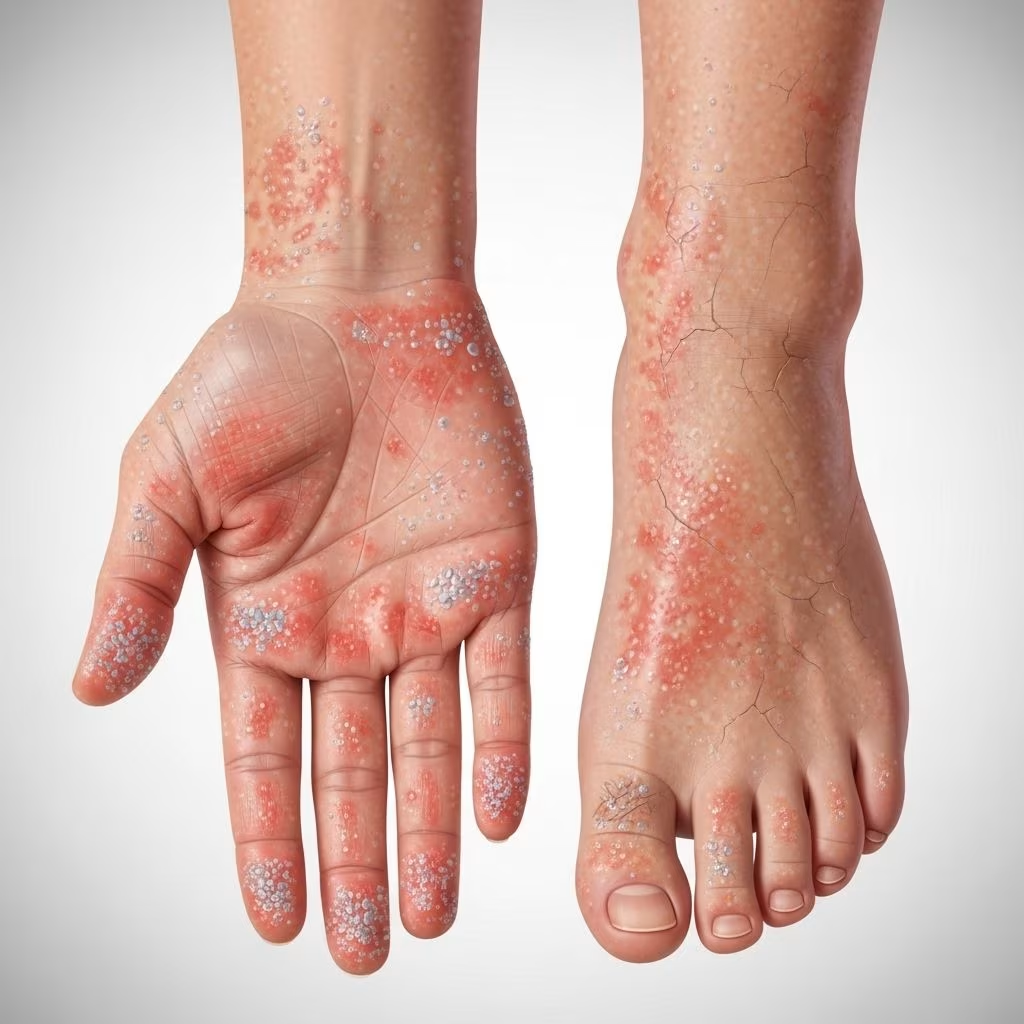
Understanding Palmoplantar Psoriasis
Palmoplantar psoriasis is a specialized variant of psoriasis that specifically affects the palms of the hands and soles of the feet. This chronic skin condition is characterized by thickened, inflamed, and often painful skin patches that can significantly impact daily activities and quality of life. Unlike typical plaque psoriasis that affects larger body areas, palmoplantar psoriasis presents unique challenges due to the location and the thick nature of skin on palms and soles.
This condition affects approximately 2-5% of the general population, with palmoplantar involvement occurring in about 12-16% of all psoriasis patients. The condition can manifest as part of generalized plaque psoriasis or occur exclusively on the hands and feet, making it particularly challenging to manage due to the constant use of these areas in daily activities.
The hallmark features include hyperkeratotic, pustular, or mixed morphologies, with palmoplantar pustulosis being a related condition characterized by small, sterile pustules. Both conditions are chronic and produce significant functional disability, often requiring specialized treatment approaches that differ from traditional psoriasis management.
Symptoms and Diagnosis
Primary Symptoms
Recognizing palmoplantar psoriasis requires understanding its distinctive symptoms. The condition typically presents with well-defined areas of raised, thickened skin that have a sharp border and often appear symmetrically on both hands or feet. The affected skin becomes red, dry, and significantly thickened, often developing deep, painful cracks called fissures.
Patients commonly experience scaling, intense itching, and burning sensations that can interfere with sleep and daily activities. The pain associated with fissures can be particularly debilitating, making it difficult to walk or use the hands for routine tasks. In some cases, small pustules may develop, adding another layer of complexity to the condition.
Diagnostic Challenges
Diagnosing palmoplantar psoriasis can be challenging, as it may be confused with other conditions such as hand dermatitis, acquired keratoderma, or fungal infections like tinea pedis. Healthcare providers typically rely on clinical appearance and may look for signs of psoriasis elsewhere on the body to support the diagnosis. In some cases, skin scrapings may be performed to exclude fungal infections, while skin biopsies are rarely needed unless the diagnosis remains uncertain.
Causes and Risk Factors
Genetic Factors
The development of palmoplantar psoriasis involves a complex interplay of genetic and environmental factors. The most significant genetic association is with the human leukocyte antigen (HLA) Cw6, which is found in many patients with this condition. Additional genetic variations in the CARD14 gene and genes in the IL-19 subfamily have also been linked to palmoplantar pustulosis, suggesting a strong hereditary component.
Environmental Triggers
Several environmental factors can trigger or exacerbate palmoplantar psoriasis. Smoking is particularly significant, with the majority of patients with palmoplantar pustulosis being current or former smokers. Activated nicotine receptors in sweat glands are believed to cause inflammatory responses that contribute to the disease process.
Other common triggers include physical irritants, friction, and manual or repetitive trauma to the hands and feet. Interestingly, certain medications, including anti-tumor necrosis factor-alpha agents used to treat other forms of psoriasis, can paradoxically induce palmoplantar eruptions. Additional associations include thyroid disease and arthritis of the anterior thorax.
Treatment Approaches
Treatment Philosophy
Managing palmoplantar psoriasis requires a comprehensive approach that addresses both the physical symptoms and the functional limitations imposed by the condition. The thick stratum corneum on palms and soles acts as a barrier to drug penetration, making topical treatments less effective than in other areas of the body. Studies show that only 27.4% of patients improve with topical agents alone, while the majority require systemic treatments.
Treatment strategies typically follow a stepwise approach, beginning with first-line topical therapies and progressing to systemic treatments for more severe or resistant cases. The goal is not only to achieve clinical improvement but also to minimize functional disability and improve quality of life.
Topical Treatments
First-Line Topical Therapies
Potent to superpotent topical corticosteroids form the backbone of first-line therapy for palmoplantar psoriasis. These medications should be applied twice daily, often with occlusion to enhance penetration through the thick skin. Treatment typically begins with more frequent applications, then gradually reduces in frequency over weeks to months as improvement occurs.
Calcipotriene, a vitamin D analog, is often combined or alternated with topical corticosteroids to enhance effectiveness and reduce the risk of steroid-related side effects. However, it’s crucial to note that calcipotriene should not be combined with salicylic acid, as this combination deactivates the calcipotriene molecule and reduces its effectiveness.
Moisturizers and Supportive Care
Regular application of thick, emollient moisturizers plays a vital role in managing palmoplantar psoriasis. These products help soften and hydrate the skin, reducing scaling and preventing painful fissures. Moisturizers should be applied multiple times daily, particularly after washing and before bedtime.
| Treatment Type | Application | Benefits | Considerations |
|---|---|---|---|
| Superpotent Corticosteroids | Twice daily with occlusion | Rapid anti-inflammatory effect | Long-term side effects with prolonged use |
| Calcipotriene | Once to twice daily | Normalizes skin cell growth | May cause irritation on facial contact |
| Moisturizers | Multiple times daily | Prevents cracking and softens skin | No significant side effects |
Systemic Therapies
First-Line Systemic Treatments
When topical treatments prove insufficient, systemic therapies become necessary. Acitretin, an oral retinoid, serves as the first-line systemic treatment for palmoplantar psoriasis. The typical dosage ranges from 10 mg to 50 mg per day, with maximal effects typically seen between three and six months after treatment initiation. However, acitretin is contraindicated in pregnancy due to teratogenic effects.
Second-Line Systemic Options
Second-line systemic agents include methotrexate and cyclosporine. Methotrexate is typically dosed at 7.5 mg to 20 mg per week over three to six weeks and has shown effectiveness in managing severe cases. Like acitretin, methotrexate is contraindicated in pregnancy.
Cyclosporine can be used in immunocompetent patients with severe, treatment-resistant palmoplantar psoriasis. Doses typically start at 2.5 mg/kg to 5.0 mg/kg per day for a maximum of one year. Careful monitoring is required, with dose reductions of 0.5 mg/kg to 1.0 mg/kg recommended if hypertension or abnormal kidney function develops.
Biologic Therapies
Biologic therapies are reserved for patients who fail or cannot complete treatment with topical or conventional systemic medications. Etanercept and other biologics have shown promising results in recent studies, offering hope for patients with severe, refractory disease. These advanced treatments target specific immune pathways involved in psoriasis development and can provide significant improvement in quality of life.
Light Therapy
Light therapy options include PUVA (psoralen plus ultraviolet A), narrow-band UVB, and monochromatic excimer laser treatments. These therapies can be particularly effective for palmoplantar psoriasis, often requiring lower cumulative doses compared to treatments for psoriasis in other body areas. Excimer laser therapy has shown particular promise, allowing for targeted treatment with fewer sessions.
Lifestyle Management
Smoking Cessation
Given the strong association between smoking and palmoplantar psoriasis, particularly palmoplantar pustulosis, smoking cessation is crucial for effective management. The inflammatory response triggered by nicotine receptors in sweat glands makes continued smoking a significant barrier to treatment success. Patients should be provided with comprehensive smoking cessation support, including counseling and pharmacological aids when appropriate.
Weight Management and Exercise
Weight loss for overweight patients and regular exercise can lead to significant improvements in palmoplantar psoriasis. Obesity and metabolic syndrome are associated with more severe psoriasis and reduced treatment response. A structured weight management program combining dietary modifications with appropriate exercise can enhance treatment outcomes and improve overall health.
Stress Management
Stress is a well-known trigger for psoriasis flares, making stress management an essential component of comprehensive care. Techniques such as mindfulness meditation, yoga, counseling, and relaxation exercises can help patients better cope with the psychological impact of their condition while potentially reducing flare frequency and severity.
Daily Care Routine
Morning Routine
An effective daily care routine begins with gentle cleansing using mild, fragrance-free soaps or cleansers. After patting the skin dry (never rubbing), apply prescribed topical medications followed by moisturizer while the skin is still slightly damp to enhance absorption and hydration.
Throughout the Day
Protect hands and feet from trauma, irritants, and excessive moisture. Wear appropriate gloves when cleaning or handling chemicals, and choose breathable, well-fitting footwear. Reapply moisturizer as needed, particularly after hand washing or when skin feels tight or dry.
Evening Routine
Evening care should include thorough but gentle cleansing, application of prescribed medications, and intensive moisturizing. This is an ideal time for occlusive treatments, where medications or moisturizers can be applied and covered with gloves or socks to enhance penetration overnight.
Frequently Asked Questions
Q: How long does it take to see improvement with treatment?
A: Treatment response varies depending on the therapy used. Topical corticosteroids may show improvement within 2-4 weeks, while systemic treatments like acitretin may take 3-6 months for maximum effect. Patience and consistency with treatment are essential.
Q: Can palmoplantar psoriasis be cured?
A: Currently, there is no cure for psoriasis, including the palmoplantar variant. However, effective treatments can achieve significant improvement and maintain long-term remission. Modern biologics have shown particularly promising results for severe cases.
Q: Is palmoplantar psoriasis contagious?
A: No, psoriasis is not contagious. It’s an autoimmune condition caused by genetic and environmental factors, not by bacteria, viruses, or other infectious agents. You cannot catch psoriasis from someone else or spread it to others.
Q: What should I do if my treatments stop working?
A: Treatment resistance can occur over time. Consult your dermatologist to discuss alternative therapies, combination treatments, or newer biologic options. Sometimes rotating between different treatments can restore effectiveness.
Q: Are there any dietary changes that can help?
A: While no specific diet cures psoriasis, maintaining a healthy weight, limiting alcohol consumption, and following an anti-inflammatory diet rich in omega-3 fatty acids may help reduce inflammation and improve treatment response.
Q: When should I see a specialist?
A: Consider seeing a dermatologist if you have persistent symptoms after 4-6 weeks of appropriate treatment, if the condition significantly impacts your daily activities, or if you experience severe pain or signs of infection in cracked areas.
References
- https://www.ncbi.nlm.nih.gov/books/NBK448142/
- https://www.medicalnewstoday.com/articles/314742
- https://dermnetnz.org/topics/psoriasis-of-the-palms-and-soles
- https://footanklecentermaryland.com/blog/2024/7/9/palmoplantar-psoriasis-when-psoriasis-sweeps-your-feet
- https://my.clevelandclinic.org/health/diseases/25027-psoriasis-on-the-hands-and-feet-palmoplantar-psoriasis
- https://www.psoriasis.org/palmoplantar-psoriasis/
- https://www.mayoclinic.org/diseases-conditions/psoriasis/symptoms-causes/syc-20355840
- https://www.aurorahealthcare.org/services/dermatology/psoriasis


