


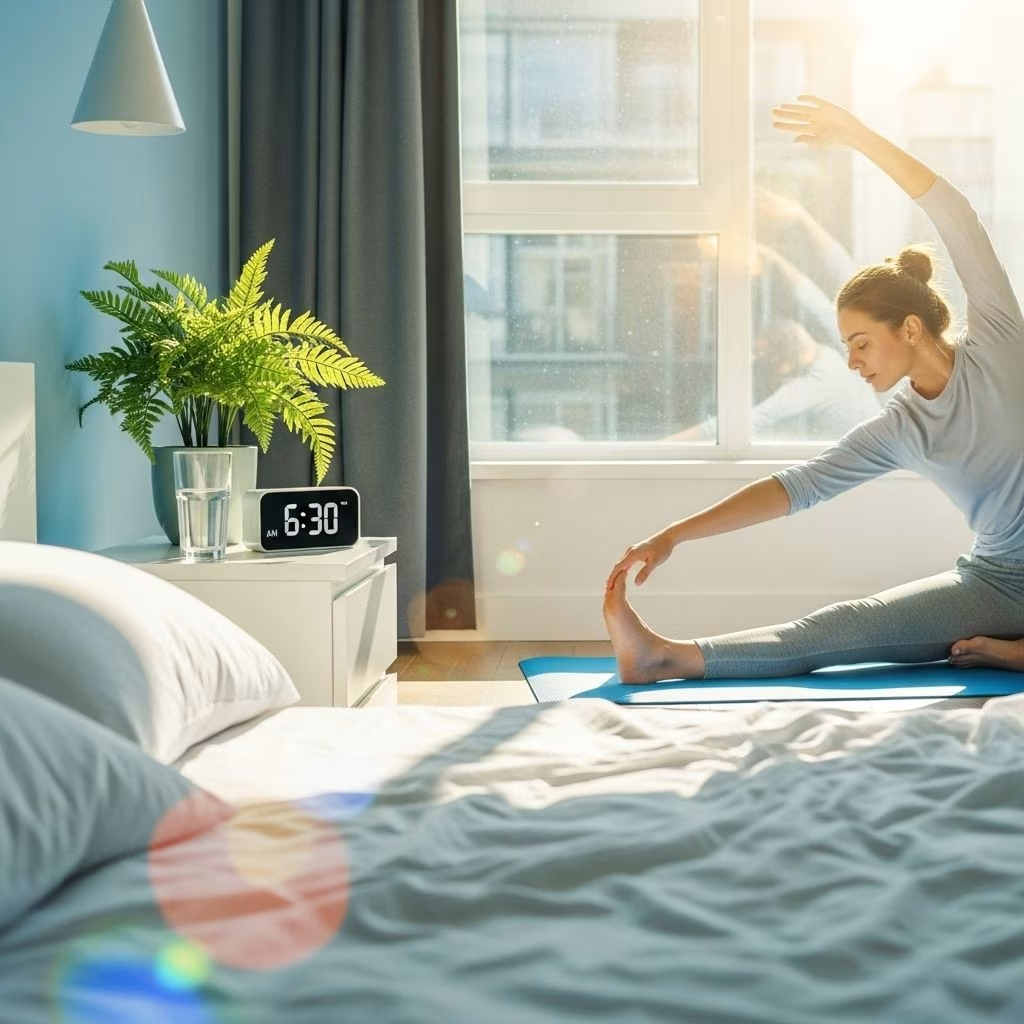
You don’t need an hour—and you certainly don’t need to wake up at 4 a.m.—to reap the benefits of a powerful morning routine. In just 20 minutes, you can integrate evidence-based practices that boost your energy, productivity, and mental well-being for the whole day ahead. This guide distills current research, expert advice, and practical tools into a high-impact morning protocol for anyone ready to transform their mornings.
Why the Morning Matters: Science and Psychology
Modern neuroscience and psychology converge on one central truth: the way you begin your day dramatically influences your energy, mental clarity, mood, and productivity for hours to come. Our physical and mental states on waking are highly malleable, making mornings the perfect window to reset habits or implement new, positive rituals.
Key mechanisms at work:
- Circadian Rhythms: Your natural 24-hour body clock regulates not just sleep and wakefulness, but also hormone production, alertness, hunger, and body temperature. Leveraging the first waking hour helps synchronize your internal clock for optimal daily function.
- Cortisol Pulse: Shortly after waking, your body experiences a healthy spike in cortisol. This neurohormonal surge helps boost alertness, focus, and energy and sets the tone for your stress response and mood all day.
- Neurochemical Priming: Exposure to light, movement, and hydration on waking stimulates dopamine and norepinephrine—neurotransmitters that drive motivation, attention, and mood.
By carving out even 20 minutes for intentional practices, you effectively harness these neurobiological forces for a better day.
The 20-Minute High-Impact Morning Routine: Overview
This 20-minute protocol is designed based on leading science and expert routines, notably those of Dr. Andrew Huberman and circadian rhythm researchers. The steps combine physical, mental, and environmental interventions known to produce measurable improvements in health, energy, and performance.
| Activity | Duration | Core Benefit |
|---|---|---|
| Hydration | 2 Minutes | Rehydrates body, supports metabolism |
| Light Exposure (Sunlight if possible) | 5-10 Minutes | Anchors circadian rhythm, boosts alertness and mood |
| Movement (Stretch, walk, or gentle exercise) | 5 Minutes | Raises core temperature, triggers dopamine & focus |
| Mindful Ritual (Journaling, gratitude, breathing) | 3-5 Minutes | Centers mind, reduces stress, sets positive intention |
Below, you’ll find the expanded breakdown, rationale, and practical tips for each step.
Step-by-Step: Detailed 20-Minute Routine
Step 1: Hydration & Mindful Awakening (2 Minutes)
- Immediately upon waking, drink a large glass of water—ideally 500ml to 1 liter—to combat overnight dehydration.
- Consider adding a pinch of sea salt for electrolytes if you’re physically active or wake up feeling lightheaded.
- Avoid caffeine for the first 60–90 minutes after waking unless working out first thing; this leverages your body’s natural cortisol cycle for better energy stability throughout the day.
Step 2: Light Exposure—Sunlight is Best (5–10 Minutes)
- Get outside as soon as possible after waking—even on cloudy days—to allow natural sunlight to hit your eyes (not through glass, not with sunglasses).
- If you rise before dawn or can’t go outdoors, use bright artificial lights and transition to sun exposure once available.
- Face toward the sun, but don’t stare at it; indirect exposure is highly effective at stimulating physiological wakefulness.
Pro Tip: Combine your light exposure with a gentle activity—like walking, deep breathing, or taking your mindful beverage— for compounded benefits.
Step 3: Movement (5 Minutes)
- Do any form of gentle movement: a brisk walk, dynamic stretching, yoga, or simple exercises like squats and push-ups.
- This raises your body temperature and heart rate, amplifying alertness, dopamine, and motivational chemicals.
- If you have more time, 10 minutes of moderate aerobic exercise (jump rope, cycling, jogging) is even more potent, but 5 minutes is enough to make a marked difference.
Step 4: Mindful Prime (3–5 Minutes)
- Finish your routine with a brief mindful practice: write down top priorities, jot a gratitude list, try 1-2 minutes of deep breathing, or set intentions for the day.
- Even a single paragraph journal entry or a handful of slow breaths calms the nervous system, clarifies priorities, and protects against reactive, distracted behavior.
Sample Mindful Prompts:
- “What’s the most important thing I want to accomplish today?”
- “Three things I am grateful for this morning are…”
- “What would make today great?”
The Evidence and Benefits: Why These Steps Work
Hydration
After 7-8 hours of sleep, your body is significantly dehydrated. Proper hydration first thing in the morning kickstarts your metabolism, supports focus, and helps stabilize blood pressure for the day to come. Adding electrolytes can further optimize cell function, especially when coupled with early movement or exposure to warm temperatures.
Morning Light and Circadian Rhythm
Sunlight in the morning is perhaps the single strongest external signal (zeitgeber) for synchronizing your body’s biological clock. According to Dr. Andrew Huberman and Dr. Satchin Panda’s research, early light exposure triggers the healthy cortisol pulse, increases wakefulness, and sets temperature and alertness rhythms that promote energy through the day—and restful sleep at night. As little as 5–10 minutes of real daylight can anchor these beneficial effects, even under cloud cover.
Movement
Activity immediately after rising has multiple science-backed benefits: it elevates core body temperature, mobilizes your joints, increases dopamine and norepinephrine for focus and mood, and physically prepares the body for extended periods of concentration or work. Gentle movement is sufficient, but higher intensity exercise (if feasible) confers further metabolic and cognitive improvements.
Mindfulness and Positive Intention
Even short periods of journaling, gratitude practice, or mindful breathing have measurable effects on stress, anxiety, and mental clarity. Ritualized daily practices build psychological resilience, clarify priorities, and train the mind toward optimism and self-discipline. Consistency is more important than length.
Customizing Your Routine for Maximum Personal Impact
No one-size-fits-all routine exists. The most effective morning ritual is personal and adapts to your goals, energy patterns, and logistical realities.
- If you wake very early for shifts or family needs, adjust the light exposure component using artificial lights until sun is available.
- If you meditate or journal later in the day, swap the final step for something else that aligns with your priorities—read a motivational text, visualize goals, or even prep a healthy breakfast.
- For parents, include your children in a brief walk or gratitude ritual, embedding healthy habits for all family members.
- Women and those with variable energy levels throughout the month may benefit from doubling down on mindfulness and hydration during times of lower or unstable cortisol.
Tips for Making Your Routine Stick
- Start Small: Implement one component at a time for a week, then layer in new steps.
- Prepare Ahead: Set out a water bottle and comfortable clothes before bed, and identify a window or space for morning light exposure.
- Consistency Beats Perfection: If you miss a morning, don’t abandon the habit. Return to it the next available day—momentum is more important than perfect attendance.
- Track Your Progress: Simple checklists or habit trackers build accountability and reinforce progress.
- Tie to Existing Habits: Link your new routine to a non-negotiable (waking, brushing teeth, or making the bed) to maximize habit reinforcement.
Frequently Asked Questions (FAQs)
Q: Why does morning sunlight work better than coffee?
A: Morning sunlight is the primary cue for aligning your internal circadian clock. It causes a cortisol spike, boosts core temperature, and releases dopamine in the brain—all of which naturally enhance wakefulness and focus. Coffee, on the other hand, temporarily blocks adenosine, a sleep pressure molecule, but is best delayed until after your body’s natural alertness (from sunlight and cortisol) has peaked.
Q: What if I can’t do all this every morning?
A: Consistency is key, but perfection is not expected. It’s better to perform parts of the routine daily than to save all practices for a longer weekend ritual. Even 5 minutes of focused sunlight or mindful movement can shift your day.
Q: Can a 20-minute ritual really make a difference?
A: Yes. Decades of research on habit formation, biological rhythms, and mindset show that small, regular rituals have outsize long-term effects on health, productivity, and well-being. Over time, these habits also compound, leading to even larger shifts in behavior and resilience.
Q: Is it OK to use artificial light in winter?
A: Yes. When natural sunlight is unavailable at waking, bright overhead lights (ideally 10,000 lux) can mimic some of the benefits. However, transition to outdoor light as soon as feasible for full circadian support.
Q: Can I exercise first thing if I want?
A: If you feel energized, moderate exercise is an excellent way to raise core temperature and kickstart dopamine and norepinephrine production. Just remember to hydrate and expose yourself to daylight as soon as you can before or after your workout.
Final Thoughts: Building for the Person You Want to Become
The science is clear: tiny, intentional morning actions shape not only your immediate day, but your long-term health, productivity, and fulfillment. Whether crafted as a “crappy first draft” or methodically refined over months, your morning ritual is less about willpower and more about aligning your actions with the person you want to become. The 20-minute routine offers a universally accessible, high-yield way to start strong—no matter your schedule, season, or life circumstance.
Begin tomorrow. Fill your glass, greet the sun, move your body, clear your mind, and step deliberately into your day. Your future self will thank you.
References
- https://confidecoaching.com/morning-routine-guide/
- https://www.youtube.com/watch?v=gR_f-iwUGY4
- https://pmc.ncbi.nlm.nih.gov/articles/PMC9529170/
- https://hbr.org/2024/04/the-research-backed-benefits-of-daily-rituals
- https://pmc.ncbi.nlm.nih.gov/articles/PMC6378489/
- https://www.headspace.com/articles/the-secret-benefit-of-routines-it-wont-surprise-you


