


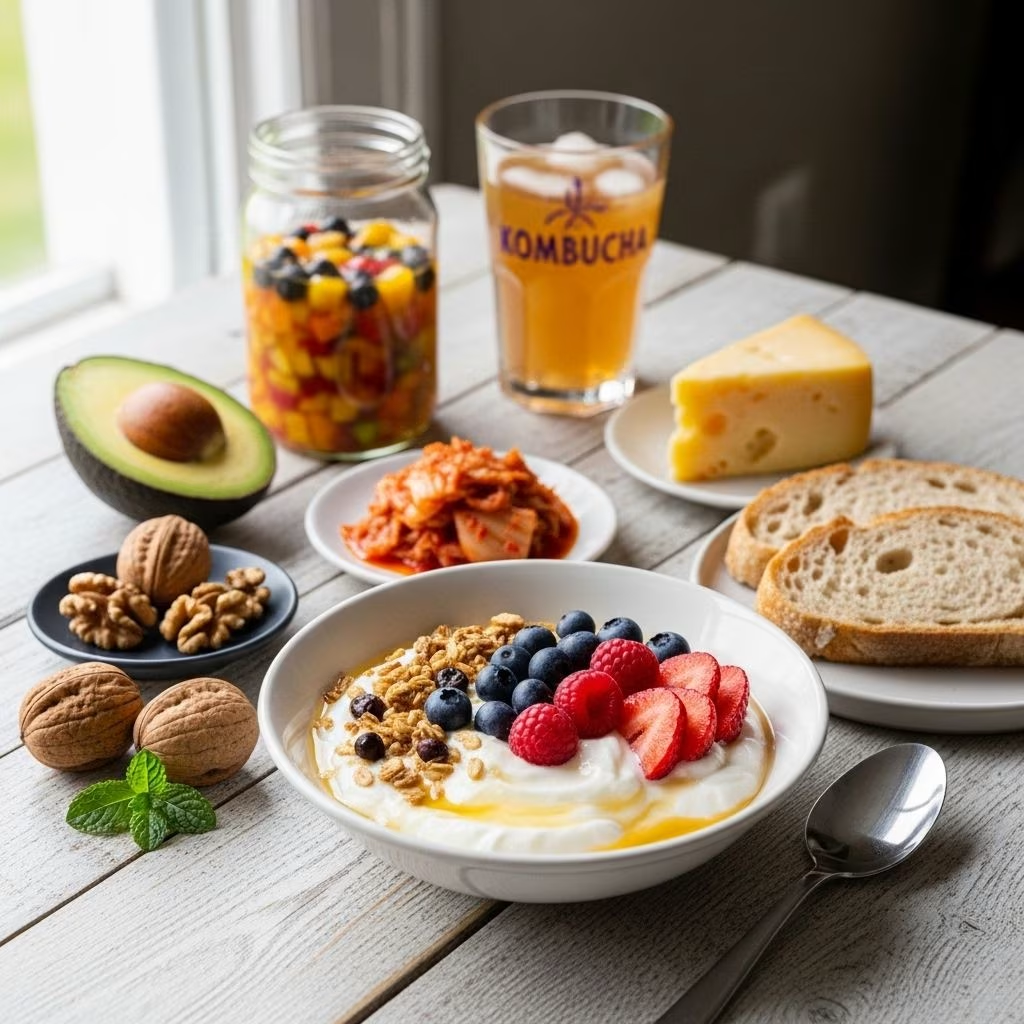
Gut health is fundamentally linked to overall well-being. The foods you choose—and when you eat them—can significantly influence your digestive system, immune function, and even your mood. Probiotic-rich foods, especially when timed appropriately in the morning, can help set the stage for healthier digestion throughout the day. This comprehensive guide details the best probiotic foods, their unique gut benefits, and actionable morning routines to optimize your digestive health.
Understanding Probiotics and Gut Health
Probiotics are live microorganisms—primarily beneficial bacteria—that naturally inhabit the digestive tract. When consumed in adequate amounts, they help maintain the delicate balance of the gut microbiome, supporting processes such as digestion, nutrient absorption, and immune modulation. Probiotics are commonly found in fermented foods and certain dietary supplements.
The health benefits of probiotics include:
- Enhancing digestive function by supporting healthy bowel movements and reducing bloating or discomfort.
- Boosting immunity thanks to their influence on gut-associated immune cells.
- Reducing the risk of some chronic diseases by supporting gastrointestinal integrity and reducing inflammation.
- Improving mental well-being via the gut-brain axis, which links gut health to mood and cognitive function.
Why Morning Timing Matters
Timing plays an important role in maximizing the benefits of probiotic foods. Eating probiotics in the morning offers several potential advantages:
- Higher survival rate of probiotics: Consuming probiotics on an empty stomach (usually in the morning) may help live bacteria survive stomach acid before food dilutes gastric juices, increasing their chance of reaching the intestines alive.
- Enhanced digestion throughout the day: Supporting gut flora early may improve digestion and nutrient absorption as you begin eating regular meals.
- Synergy with a consistent routine: Starting with probiotics establishes a daily habit, making it easier to consistently nurture your gut microbiome.
Many experts recommend starting your morning with a probiotic-rich food or drink, followed by a balanced breakfast containing fiber (prebiotics) to “feed” the beneficial bacteria and support their growth.
Top Probiotic Foods for Morning Consumption
Below is a curated list of the most effective and accessible probiotic foods ideal for a morning gut health routine. Each food delivers unique flavors and specific strains of beneficial bacteria.
| Probiotic Food | Key Strains | Main Benefits | Best Morning Ways to Enjoy |
|---|---|---|---|
| Yogurt (with live cultures) | Lactobacillus, Bifidobacterium | Digestive support, bone health, immune modulation | Topped with seeds, berries, or blended in a smoothie |
| Kefir | Lactobacillus, various yeasts | Higher diversity, lactose-friendly, bone health | Straight as a drink, blended with fruit, or in muesli |
| Miso | Aspergillus oryzae, Lactobacillus | Enzyme-rich, dairy-free, savory options | Miso soup, stirred into oats or broths |
| Kombucha | SCOBY (multiple strains, incl. Acetobacter, yeast) | Refreshing, energizing, supports digestion | Morning beverage, on its own or with light snacks |
| Kimchi | Lactic acid bacteria (Leuconostoc, Lactobacillus) | Spicy, fiber-rich, vitamin-packed | As a breakfast side or omelet topping |
| Sauerkraut | Lactobacillus, Leuconostoc | Vitamin C, K, antioxidants; fiber support | On whole grain toast with avocado, in wraps |
| Tempeh (fermented soybeans) | Rhizopus oligosporus, various bacteria | Vegetarian protein, prebiotic fiber | Stir-fried with grains/veggies, or in breakfast bowls |
| Certain cheeses | Lactobacillus, Bifidobacterium | Digestive support, flavor diversity | Light cheese with fruit/nuts on sourdough or in omelets |
| Buttermilk | Lactic acid bacteria | Hydrating, gentle on stomach | With oats, in pancakes, or as a drink |
Details on Top Probiotic-Focused Foods
1. Yogurt
Yogurt—ideally plain and unsweetened—is the quintessential probiotic food. High-quality yogurts contain live and active cultures, benefit people even with some lactose challenges, and deliver protein, calcium, and key vitamins. Choose varieties labeled with “live and active cultures” and avoid those with added sugars or artificial ingredients.
2. Kefir
Kefir is a tangy, drinkable fermented milk beverage loaded with a broader spectrum of probiotics compared to yogurt. Studies have shown it helps with digestion, supports bone health, and is usually tolerated by those with lactose intolerance. Try it straight or blended with fruit and oats for a nourishing start.
3. Sauerkraut & Kimchi
Both these fermented vegetables are packed with lactic acid bacteria, fiber, vitamins, and antioxidants. Opt for unpasteurized, refrigerated versions to ensure active probiotic content. Pepping up your breakfast with a forkful of kimchi or sauerkraut alongside eggs or toast is both nutritious and flavorful.
4. Miso
A staple in Japanese cuisine, miso is made from fermented soybeans. It contains a variety of beneficial microbes and enzymes, and offers a savory, umami-rich addition to breakfast. Quick miso soup or blending a spoonful into hot oat porridge can deliver a warm probiotic boost.
5. Kombucha
Kombucha, a naturally effervescent fermented tea, contains both bacteria and yeast. It makes a refreshing morning alternative to coffee, supporting hydration and delivering a light probiotic load.
Other Noteworthy Probiotic Foods
- Tempeh: A protein- and nutrient-dense option, popular in vegetarian and vegan breakfasts.
- Certain cheeses: Varieties like gouda, cheddar, and mozzarella (with live cultures) offer gut support and pair well with fruit or bread.
- Pickles (fermented): Add zesty crunch as a side or sandwich ingredient. Avoid vinegar-pickled varieties as they may not contain live cultures.
- Buttermilk: Especially traditional or cultured buttermilk, delivers mild probiotics perfect for mixing with breakfast cereals or oats.
Combining Probiotics with Prebiotics in the Morning
Probiotic bacteria thrive when “fed” with prebiotics—non-digestible fibers that act as fuel for beneficial microbes. Optimizing your morning meal means pairing probiotic foods with prebiotic-rich ingredients such as:
- Oats
- Bananas
- Chia seeds
- Flaxseeds
- Apples
- Nuts (almonds, walnuts)
- Asparagus, leeks (in savory options)
- Dark leafy greens
This symbiotic pairing can further enhance probiotic survival, promote gut flora diversity, and support regular digestion throughout your day.
Sample Morning Routines for Gut Health
To integrate probiotics efficiently into your morning schedule, consider these sample routines adapted for diverse tastes and dietary preferences:
- Classic Probiotic Smoothie
- 1 cup plain yogurt or kefir (probiotics)
- 1 sliced banana (prebiotic)
- 1 tablespoon chia or flaxseeds (prebiotic fiber)
- 1 handful berries
- Blend and enjoy
- Savory Whole-Grain Toast
- 1 slice whole-grain bread (prebiotic fibers)
- 1 poached egg
- Forkful of sauerkraut or kimchi
- Drizzle of olive oil or sprinkle of seeds
- Miso Oatmeal Bowl
- Rolled oats prepared with water
- 1 teaspoon miso stirred in at the end (do not boil miso)
- Topped with sautéed greens and sesame seeds
- Kombucha Refresher
- 1 small glass kombucha (wait 15 minutes before first meal)
- Oats and nuts breakfast, or fresh fruit salad
- Tempeh Breakfast Stir-Fry
- Tempeh cubes sautéed with asparagus and greens
- Served with brown rice or quinoa
- Top with kimchi for extra probiotic kick
Tips for Choosing and Enjoying Probiotic Foods
- Read labels carefully: Choose products labeled with live and active cultures; avoid varieties with added sugars or artificial flavorings.
- Choose unpasteurized: Pasteurization can kill beneficial bacteria; opt for refrigerated and unpasteurized foods (especially for sauerkraut, kimchi, pickles).
- Mix with prebiotics: Fiber-rich friends like fruits, oats, seeds, and nuts help “feed” your probiotics for even better results.
- Rotate foods: Consuming a variety boosts microbiome diversity, potentially supporting stronger immune and digestive health.
- Timing matters: If possible, eat probiotics on an empty stomach in the morning to maximize survival rates—unless specific product instructions recommend otherwise.
- Consult your healthcare provider: If you have immune conditions, severe food allergies, or take medication, check before starting new probiotic foods.
Frequently Asked Questions (FAQs)
Q: Can I take both probiotic foods and supplements in the morning?
A: Yes, you can combine both, but nutrient-rich foods are preferred for most healthy individuals. Supplements help in specific health conditions or when dietary intake is inadequate.
Q: Why are some probiotic foods recommended without heating?
A: High temperatures can destroy live bacteria. Always consume probiotic foods like sauerkraut, kimchi, and miso without boiling or baking to retain their benefits.
Q: Are there vegan or dairy-free probiotic foods?
A: Absolutely. Options like kimchi, sauerkraut, fermented pickles, miso, tempeh, and kombucha are naturally dairy- and animal-free.
Q: What signs show that probiotic foods are supporting my gut health?
A: Many experience improved digestion, more regular bowel movements, less bloating, and better energy. Individual results may vary; consult a doctor for persistent digestive symptoms.
Q: How long should I continue a morning probiotic routine to see benefits?
A: Most people notice differences within two to four weeks. Gut adaptation takes time, so consistency is key for optimal results.
Conclusion: Probiotics and Morning Gut Wellness
Integrating probiotic-rich foods into your morning routine is one of the most effective and accessible ways to nurture a vibrant gut microbiome. By choosing a variety of live-culture foods, enjoying them alongside prebiotic fibers, and making the practice a daily habit, you can support not just digestion but resilience, energy, and holistic wellness throughout your day.
References
- https://emersonhealth.org/11-foods-for-gut-health-and-recipes/
- https://www.healthline.com/nutrition/11-super-healthy-probiotic-foods
- https://awcim.arizona.edu/health_hub/awcimagazine/top_5_probiotic_foods_for_gut_health.html
- https://www.the-independent.com/extras/indybest/food-drink/best-probiotics-prebiotics-supplements-ibs-bloating-gut-health-tablets-a9544641.html
- https://health.clevelandclinic.org/probiotic-foods
- https://www.health.harvard.edu/blog/want-probiotics-but-dislike-yogurt-try-these-foods-202107142918


