


Water is fundamental to life, but its significance for weight management and metabolic health is often underestimated. Recent research reveals that staying well-hydrated plays a direct and indirect role in optimizing metabolism, enhancing fat loss, regulating appetite, and improving physical performance. This comprehensive guide explores the connection between hydration and weight loss, the underlying biological mechanisms, and actionable tips to maximize the benefits of water intake on your weight loss journey.
Introduction
Weight loss is fundamentally about balancing calorie intake and energy expenditure, but finer details—such as hydration—can make a significant difference. While diet and exercise get most of the attention, how much water you drink may impact your ability to shed pounds and maintain a healthy weight. This article examines leading research and provides actionable recommendations.
Why Hydration Matters for Weight Loss
Hydration influences numerous physiological processes linked to weight control, including:
- Regulating hunger cues: Mild dehydration can be mistaken for hunger, leading to unnecessary eating.
- Supporting metabolism: Water is essential for all biochemical reactions, including energy production and fat oxidation.
- Facilitating fat loss: Hydration is involved in lipolysis, the breakdown and mobilization of stored fat.
- Enhancing exercise performance: Well-hydrated muscles work more efficiently, increasing calorie burn and fat breakdown during activity.
- Reducing calorie intake: Replacing sugar-sweetened beverages with water lowers overall calorie consumption.
Staying hydrated is not a cure-all but provides crucial support for other weight loss methods, amplifying their effects and enhancing overall well-being.
How Hydration Affects Metabolism
Metabolism refers to all chemical reactions driving the production and use of energy in your body. Research shows that water intake can influence your metabolic rate, sometimes called the body’s engine for calorie burning.
- Water-induced thermogenesis: Drinking water temporarily increases calorie expenditure. One study showed that consuming 500 mL (~17 oz) of water boosted metabolic rate by up to 30% for over 30 minutes, burning an estimated 24 kilocalories in that interval.
- Cellular hydration and metabolism: Proper hydration expands cell volume, which has been linked to increased insulin sensitivity and improved mitochondrial function, both of which contribute to higher energy (calorie) expenditure.
- Organ function: Kidney and liver efficiency relies on hydration. If the body becomes even mildly dehydrated, the metabolic workload may shift to the liver, impairing its ability to burn fat.
These findings suggest that staying hydrated promotes an optimal environment for calorie and fat burning—key factors in losing weight.
Hydration and Fat Burning: The Biochemical Link
The relationship between hydration and fat loss is both direct and indirect.
- Fat breakdown (lipolysis): The process of breaking down fat for energy requires water. The initial step, hydrolysis, literally uses water molecules to split fat stores, enabling their mobilization and oxidation.
- Hormonal regulation: Chronic dehydration is associated with elevated levels of angiotensin II, a hormone linked to obesity and metabolic diseases. Increased hydration can help regulate these hormones, making fat oxidation more efficient.
- Mitochondrial health: Hydration may enhance mitochondrial function, the powerhouses within cells that burn fat. Improved cell volume and reduced hormone dysfunction contribute to healthier energy metabolism.
While water alone isn’t a magical fat-burner, it is an essential player in unlocking your body’s ability to access and utilize fat reserves.
Hydration and Appetite Control
Hunger and thirst signals are tightly interwoven in the brain. Mild dehydration is frequently misinterpreted as hunger, prompting people to eat when their body actually needs fluids.
- Pre-meal hydration: Studies show that drinking two cups (about 16 oz) of water 30 minutes before meals can decrease calorie intake at the meal by 13–22%.
- Promoting satiety: Water fills the stomach and stretches its walls, sending signals to the brain associated with fullness, thereby reducing appetite.
In summary, ensuring adequate hydration may lead to a natural reduction in calorie intake, particularly when water is consumed before eating.
Water-Induced Thermogenesis: Burning Calories with Water
Thermogenesis is the production of heat, which inherently burns calories. Water can trigger thermogenesis in several ways:
- Cold water effect: Drinking cold water makes your body expend extra energy (and thus, calories) to warm up the liquid to body temperature, slightly increasing the metabolic burn.
- Atrial natriuretic peptide (ANP): Increased blood volume from hydration can stimulate the release of ANP, which activates brown fat (brown adipose tissue) and promotes calorie-burning heat production.
While the calorie burn from water is modest, over time these small boosts can add up, especially when combined with other healthy habits.
Hydration and Exercise Performance
Exercise is a critical component of any weight loss plan, and water intake directly affects exercise outcomes:
- Improves endurance: Proper hydration sustains blood flow, muscle contraction efficiency, and mental focus during workouts, resulting in higher energy expenditure and improved fat oxidation.
- Prevents fatigue: Dehydration causes fatigue, reduced coordination, muscle cramps, and decreased exercise intensity, all of which diminish calorie burn.
- Boosts recovery: Water is essential for metabolic waste removal post-exercise, minimizing soreness and facilitating quicker return to activity.
Practical Hydration Strategies for Weight Loss
Integrating effective hydration into your lifestyle requires more than simply drinking water throughout the day. Here are proven, actionable strategies:
- Start your day with water: Drink a glass of water upon waking to kickstart hydration and metabolism.
- Drink before meals: Consume one or two cups of water 30 minutes before each main meal to aid appetite regulation.
- Replace sugar-sweetened beverages: Opt for water or sparkling water instead of caloric drinks to reduce overall calorie intake effortlessly.
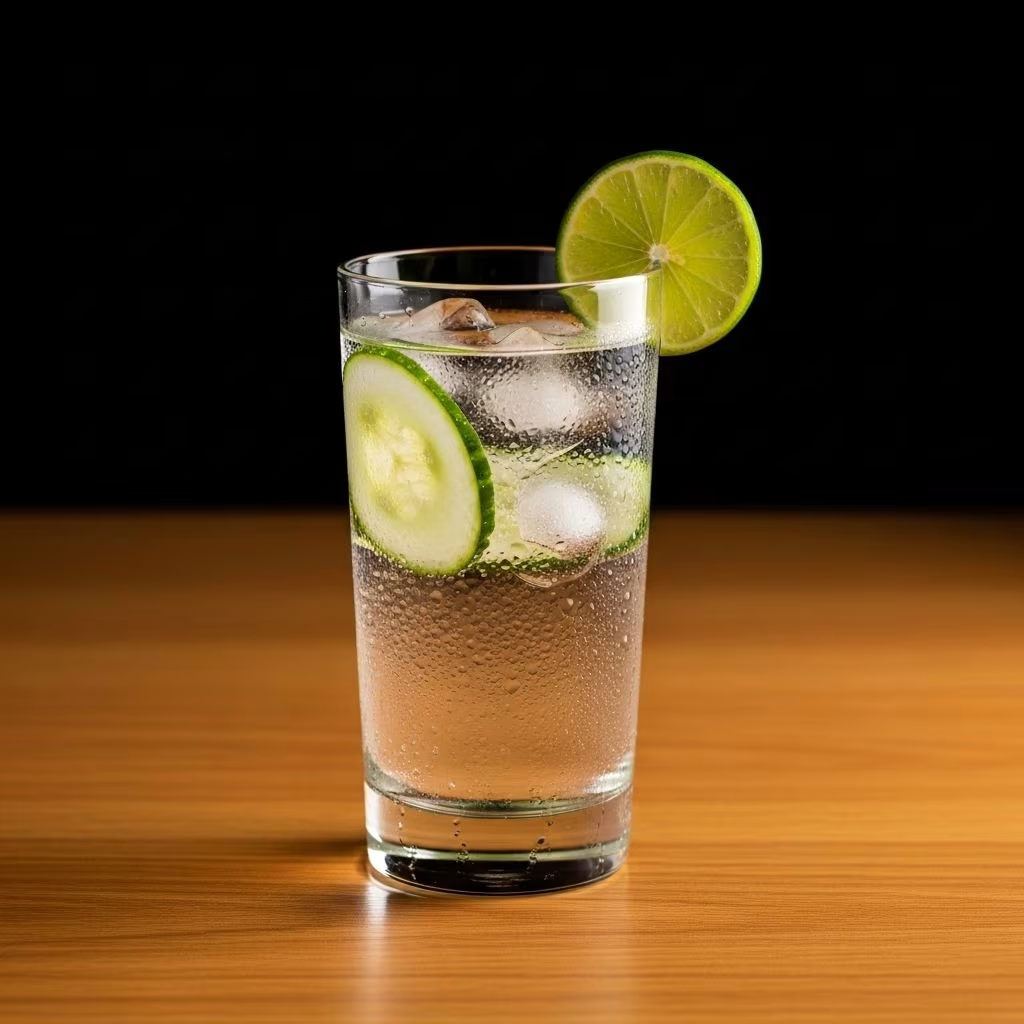
- Infuse for flavor: Add lemon, cucumber, or berries if you struggle with plain water.
- Monitor urine color: Pale yellow urine typically indicates adequate hydration.
Tips for Optimal Hydration
- General recommendation: Aim for at least 8 cups (64 oz) of water per day, but individual needs vary based on activity level, climate, age, and health status.
- Listen to your body’s cues: Thirst, dark urine, dry mouth, and fatigue are signs you may need more fluids.
- Increase intake during physical activity or hot weather.
- Spread water intake throughout the day rather than drinking large amounts at once.
- Eat water-rich foods (e.g., fruits, vegetables, soups) to further boost hydration levels.
| Time | Hydration Action |
|---|---|
| Upon Waking | 1 glass (8 oz) of water |
| 30 min Before Breakfast | 1 glass (8 oz) of water |
| Mid-Morning | 1 glass (8 oz) of water or herbal tea |
| 30 min Before Lunch | 1 glass (8 oz) of water |
| Mid-Afternoon | 1 glass (8 oz) of water or water-infused with fruits |
| 30 min Before Dinner | 1 glass (8 oz) of water |
| Evening | 1 glass (8 oz) of water as needed (not too close to bedtime) |
Myths and Facts about Hydration and Weight Loss
- Myth: Drinking water alone causes dramatic weight loss.
Fact: Water supports but does not guarantee weight loss; it must be part of a broader lifestyle approach that includes diet and physical activity. - Myth: You must drink 8 glasses a day, no matter what.
Fact: Hydration needs vary; listen to your body and adapt based on context. - Myth: Feeling thirsty is the first sign of dehydration.
Fact: Thirst can lag behind actual hydration needs; rely on other cues like urine color and fatigue as well. - Myth: Drinking a lot of water flushes out all toxins instantly.
Fact: While hydration aids kidney and liver function, extreme water intake can overwhelm these organs and is not necessary.
Frequently Asked Questions (FAQs)
Q: Does drinking water before meals help you eat less?
A: Yes, multiple studies indicate that drinking two cups of water before meals can temporarily promote a sense of fullness and reduce calorie intake by around 13–22% for that meal.
Q: Can proper hydration boost my metabolic rate?
A: Yes. Drinking 500 mL (about 17 oz) of water can increase your metabolic rate by up to 30% for approximately 30–40 minutes afterward. Both warm and cold water have benefits, but cold water may slightly boost calorie burn due to the energy required to warm it to body temperature.
Q: Is water essential for fat burning?
A: Absolutely. Water is essential for the breakdown and mobilization of fat during lipolysis. Inadequate hydration can slow fatty acid metabolism, making fat loss less efficient.
Q: How do I know if I’m drinking enough water?
A: Check your urine color—pale yellow is ideal. Other signs include low fatigue levels, normal hunger cues, and consistent energy throughout the day. Listen to your thirst and adjust your intake with exercise, heat, or illness.
Q: What types of beverages count toward hydration?
A: In addition to plain water, herbal tea, sparkling water, and even water-rich foods contribute. Avoid sugar-sweetened and high-caffeine drinks, as some may have a diuretic effect or add unnecessary calories.
Conclusion
Strategic hydration is a powerful, accessible tool in weight management—boosting metabolism, curbing appetite, supporting fat loss, and optimizing exercise performance. Though drinking water alone won’t lead to dramatic weight loss, its cumulative influence on metabolic and appetite-regulating systems provides a crucial foundation for lasting results. Combine optimal hydration with healthy eating and regular activity for the best outcomes on your weight loss journey.
References
- https://pubmed.ncbi.nlm.nih.gov/27376070/
- https://pmc.ncbi.nlm.nih.gov/articles/PMC4901052/
- https://www.webmd.com/obesity/drinking-water-lose-weight
- https://hub.jhu.edu/at-work/2020/01/15/focus-on-wellness-drinking-more-water/
- https://www.healthline.com/nutrition/drinking-water-helps-with-weight-loss
- https://www.lcmchealth.org/university-medical-center-new-orleans/blog/2018/may/drink-up-10-reasons-water-is-a-key-ingredient-in/
- https://www.medicalnewstoday.com/articles/322296


