


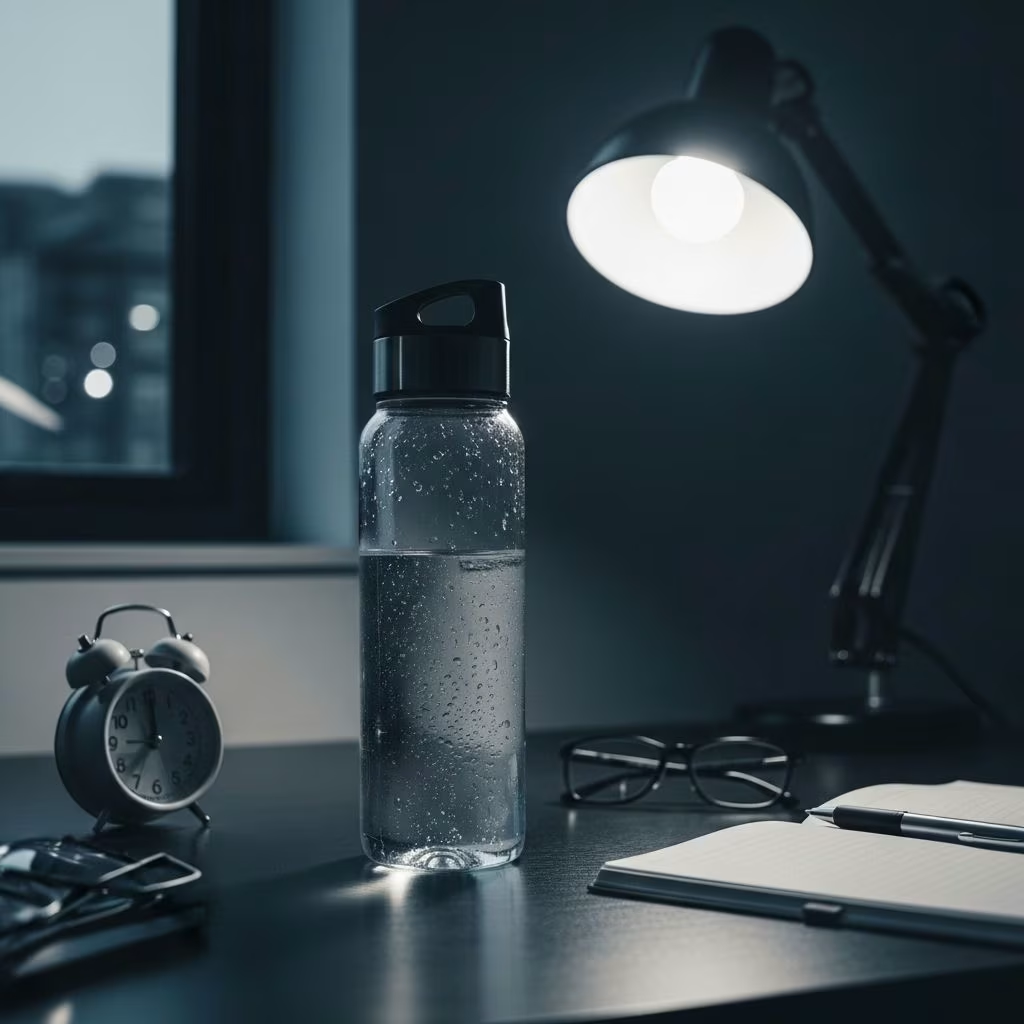
Shift workers and night owls face unique challenges that disrupt not just their sleep, but also their hydration patterns. Whether you’re powering through a hospital night shift, preparing meals in a 24-hour kitchen, driving late-night logistics routes, or simply living a nocturnal lifestyle, maintaining proper hydration is critical for performance, mental clarity, and long-term health. This comprehensive guide offers science-backed strategies and practical advice to help you thrive at every hour.
Why Hydration Matters for Shift Workers & Night Owls
Hydration is more than just quenching thirst—it is foundational to physical and cognitive function. For those working irregular hours or overnight, dehydration can sneak up, amplifying the already tough effects of sleep disruption, irregular meals, and intense demands on focus.
- Supports Cognitive Function: Even mild dehydration can impair attention, memory, and decision-making, which are critical during demanding shifts.
- Combats Fatigue: Dehydration worsens fatigue, makes the “mid-shift slump” more pronounced, and reduces stamina.
- Regulates Appetite and Cravings: Thirst is often mistaken for hunger, leading to increased snacking and unhealthy eating habits.
- Stabilizes Mood: Good hydration improves mood and reduces irritability common during night work.
Understanding Dehydration: Symptoms & Consequences
Recognizing dehydration can be difficult when your circadian rhythm is off. Typical symptoms include:
- Dry mouth and throat
- Headache
- Difficulty concentrating and brain fog
- Fatigue or muscle cramps
- Dark yellow urine or reduced urination
- Mood swings or irritability
For shift workers, dehydration may manifest as increased sleepiness, greater cravings for salty or sugary foods, and chances of making mistakes. Chronic dehydration can also contribute to longer-term health issues such as urinary tract infections, kidney stones, and cardiovascular strain.
Unique Challenges for Night Shift & Non-Traditional Workers
Unlike daytime workers, shift and night workers must navigate:
- Blunted Thirst Sensation: Your body’s cues may be delayed or less noticeable at night.
- Irregular Breaks: Busy shifts can limit access to beverages and restroom breaks, discouraging regular intake.
- Environmental Comfort: Air conditioning or heated indoor spaces can increase fluid loss without noticeable sweating.
- Poor Sleep Cycles: Fatigue may mask or override thirst, further delaying hydration.
Effective Hydration Strategies During Shifts
Overcoming barriers to hydration requires intentional, repeatable actions. The following strategies help ensure consistent intake:
- Pre-Shift Hydration: Drink a glass or two of water in the hour before your shift starts. This primes your body before demands increase.
- Carry a Marked Water Bottle: Use a bottle with volume or time markers to pace drinking and track your progress.
- Set a Reminder: Use a mobile alarm, fitness tracker, or smartphone app to prompt a sip every 30–60 minutes.
- Flavor Naturally: Add lemon, cucumber, or mint for taste and a nutrient lift. This can encourage greater water consumption.
- Hydrate Before Naps: If taking a nap on break, drink some water or a low-sugar electrolyte beverage to wake feeling more refreshed.
Recommended Intake: For adults, aim for 11 cups (88 oz.) per day for women and up to 16 cups (128 oz.) for men, including water from both drinks and hydrating foods.
The Role of Electrolytes
Water alone is sometimes not enough—especially during physically active shifts or in heated indoor environments where you sweat more than you realize.
- What Are Electrolytes? These essential minerals—sodium, potassium, magnesium, calcium—help regulate nerve signaling, muscle function, and fluid balance.
- Why They Matter: Night shift workers are vulnerable to electrolyte imbalances due to irregular eating/drinking patterns and higher physical demands.
- Signs You May Need More: If you experience muscle cramps, persistent fatigue, or headaches even after water intake, consider adding electrolytes.
DIY Electrolyte Drink Recipe
- 1 liter water
- 1 tsp table salt (for sodium)
- Pinch of potassium chloride (if available)
- Pinch of magnesium malate (optional)
- Squeeze of lemon or lime
- 1–2 teaspoons honey or maple syrup for natural sweetness
Shake well and sip steadily throughout your shift. This simple mix replenishes minerals lost through sweat and exertion, and keeps energy levels stable.
Practical Hydration Tips for Night Owls
- Start Hydrated: Prepare for your shift by consuming water or a light electrolyte beverage before you begin.
- Sip, Don’t Chug: Drink small amounts steadily rather than large amounts at once to avoid overfilling and excessive bathroom trips.
- Limit Caffeine & Sugary Drinks: For every serving of coffee or energy drink, balance with water or electrolyte drink. Excess caffeine can dehydrate and disrupt sleep when your shift ends.
- Eat Water-Rich Foods: Include snacks like cucumber, watermelon, orange slices, or celery to boost hydration through diet.
- End-of-Shift Rehydration: Have a glass of water or diluted electrolyte drink before sleeping to help the body recover and prepare for better rest.
Common Hydration Misconceptions
- Myth: You only need water when you feel thirsty.
Fact: Thirst is often a late signal; regular sipping is necessary especially during disrupted sleep/wake cycles. - Myth: All drinks hydrate equally.
Fact: Sugar-heavy sodas or caffeinated drinks can lead to net fluid loss or swings in blood sugar, undermining focus and alertness. - Myth: Drinking more at once makes up for earlier dehydration.
Fact: The best approach is steady intake throughout the shift.
Hydration Tools & Tricks for Busy Shifts
- Smart Water Bottles: Some bottles not only have measurements but glow or vibrate as reminders to drink.
- Portable Electrolyte Powders: Keep individual packets in your bag for easy access in case you need a boost, especially on extra-long or demanding shifts.
- Hydration Apps: Free apps help log your daily intake and alert you to missed sips.
- Healthy Hydration Stations: If your workplace has a fridge or shared kitchen, keep it stocked with lemons, limes, or cucumber slices.
Water vs. Electrolyte Drinks: What Works Best?
| Feature | Water Alone | Electrolyte Drinks |
|---|---|---|
| Hydration Speed | Moderate | Rapid |
| Energy Boost | Minimal | Significant |
| Electrolyte Replenishment | None | High |
| Taste | Plain | Refreshing (customizable: e.g. lemon-lime) |
| Fatigue Relief | Limited | Effective |
Tip: Switch between water and electrolyte drinks according to the demands of your shift and your personal health needs.
Frequently Asked Questions (FAQs)
Q: How do I know if I am dehydrated during a night shift?
A: Watch for signs like dark urine, tiredness, difficulty concentrating, and headaches. Pay extra attention if your mouth feels dry or you notice you’re snacking more than usual; this can signal thirst, not hunger.
Q: Can too much water be harmful?
A: Yes. Drinking excessively large volumes (several liters per hour) can dilute blood sodium levels and lead to a dangerous condition called hyponatremia. Balance water with electrolytes, and don’t force large volumes at once.
Q: Are sports drinks the best electrolyte source?
A: Not necessarily. Many name-brand sports drinks contain excessive sugars and artificial ingredients. DIY mixes or low-sugar commercial electrolyte powders are often healthier alternatives.
Q: How can I hydrate if I don’t like plain water?
A: Try infusing water with fruits, herbs, or natural flavor drops. Green tea, coconut water (unsweetened), and homemade electrolyte drinks are other good options.
Q: Should I wake up to drink water?
A: It’s not necessary unless you’re physically thirsty. Focus on daytime/evening hydration and a glass shortly after waking.
Q: What’s a good snack for hydration during night work?
A: Water-rich foods like cucumber slices, orange wedges, watermelon, or yogurt help hydrate—and offer the added benefit of vitamins and minerals.
Final Thoughts: Making Hydration a Habit
Hydration is a vital but often overlooked pillar of health for those who live or work against the body’s natural rhythms. By adopting small, sustainable strategies—starting your shift hydrated, sipping at intervals, incorporating electrolytes, and choosing water-rich foods—you can sustain energy, maintain focus, and safeguard your long-term wellbeing. Remember: proactive hydration is crucial to thriving, not just surviving, on any shift.
References
- https://ahealthyshift.com/blog/why-hydration-matters-more-for-shift-workers-87lnr
- https://warriorsalt.com/blogs/news/electrolytes-for-night-shift-workers
- https://www.usa.edu/blog/how-to-work-night-shift-and-stay-healthy/
- https://www.thegypsynurse.com/blog/energized-on-the-night-shift/
- https://instituteofliving.org/health-wellness/news/newsroom-detail?articleId=63728
- https://www.nursingworld.org/content-hub/resources/workplace/tips-for-surviving-the-night-shift-in-nursing/
- https://triagestaff.com/blog/6-tips-to-surviving-the-dreaded-night-shift/
- https://igennus.com/blogs/articles/9-health-tips-for-night-shift-workers
- https://www.3dleisure.com/the-vital-role-of-nutrition-and-hydration-in-shift-work/


