


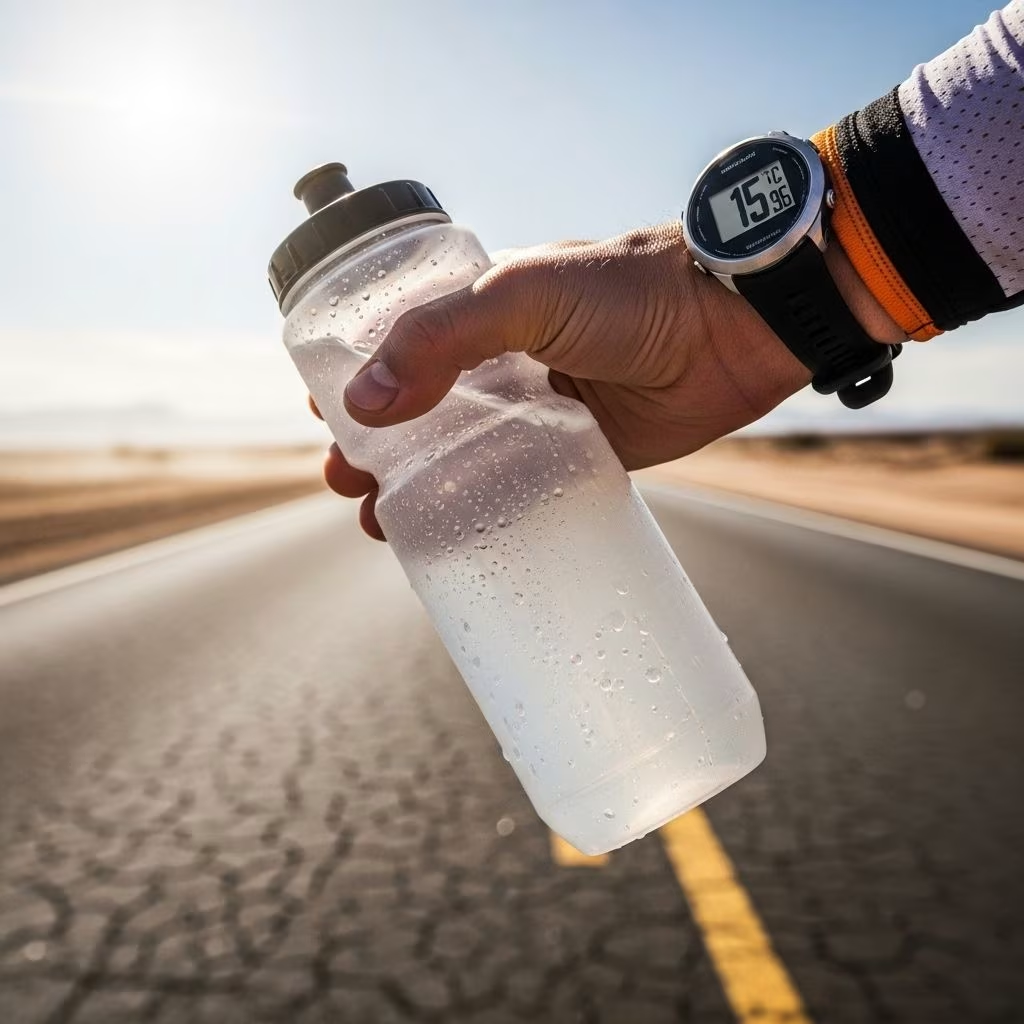
Electrolytes for Cycling in Extreme Heat: Strategies, Risks, and Pro Tips for Optimal Performance
Endurance cycling in extreme heat presents unique physiological challenges—rapid fluid loss, substantial electrolyte depletion, impaired performance, and increased risk of heat-related illnesses. This guide explores the science of electrolytes, the impact of heat, and actionable strategies for sustaining peak performance and safety during hot-weather rides.
Understanding Electrolytes and Their Role
Electrolytes are electrically charged minerals that help regulate fluid balance, nerve signals, and muscle contractions. The key electrolytes for cyclists include sodium, potassium, magnesium, calcium, and chloride.
- Sodium: Regulates fluid balance and muscle function.
- Potassium: Crucial for cell function and preventing muscle cramps.
- Magnesium: Supports energy production and muscle recovery.
- Calcium: Essential for bone health and contraction of muscles.
During cycling in high heat, electrolytes are lost predominantly through sweat, with sodium and potassium being the primary losses.
The Impact of Extreme Heat on Cyclists
As core temperature rises due to exertion and environmental heat, the body attempts to cool itself through sweating. This increases fluid and electrolyte loss, which can impair athletic performance and pose health risks.
- Heat Index: Combines air temperature and humidity to represent perceived heat. High humidity dramatically raises apparent temperature—for instance, 95°F at 70% humidity feels like 117°F.
- Cycling Vulnerability: Cyclists generate significant metabolic heat, and reduced sweat evaporation in humid conditions worsens the overall cooling efficiency.
Understanding the heat index is vital for planning safe and productive rides.
Electrolyte Loss During Heat-Intensive Cycling
Total fluid loss among cyclists varies widely based on:
- Ambient temperature and humidity
- Intensity and duration of effort
- Individual sweat rate (highly variable)
On average, a cyclist may lose 700 ml (~24 fl. oz.) of sweat per hour in extreme heat. This sweat typically contains about 560 mg sodium per hour.
| Duration (hours) | Sweat Loss (ml) | Sodium Lost (mg) |
|---|---|---|
| 1 | 700 | 560 |
| 2 | 1400 | 1120 |
| 4 | 2800 | 2240 |
While a few hours of riding may only deplete a small fraction of stored electrolytes, persistent or multi-day efforts, especially when combined with high temperatures, can result in substantial cumulative losses. Chronic calcium loss is also possible—cycling for hours in hot, humid weather may deplete up to 2000 mg of calcium, necessitating dietary attention.
Symptoms and Risks of Electrolyte Imbalances
Insufficient electrolyte replacement leads to a range of performance and health issues:
- Dehydration: Impaired physical and mental performance, increased cardiovascular strain.
- Hyponatremia (Low Sodium): Resulting from heavy sweating and overconsumption of plain water. Symptoms include muscle cramps, lethargy, nausea, headache, disorientation, and—in severe cases—death.
- Muscle Cramps: Often linked to sodium and potassium depletion.
- Reduced Heat Tolerance: Early fatigue, higher perceived exertion, and risk of heat exhaustion or heat stroke.
- Calcium Deficiency: May result in bone loss (osteopenia or osteoporosis) over time.
Hydration and Electrolyte Strategies for Extreme Heat
Proper hydration starts before the ride and continues through and after exertion. Below are expert recommendations:
- Pre-hydrate: Drink 500 ml (16–24 oz) of an electrolyte drink 1-2 hours prior to prolonged or intense cycling. Take 150–200 ml immediately before starting, especially for long or hot rides.
- On the Ride:
- Drink 20–28 oz (600–800 ml) of fluid per hour in hot weather—split between water and electrolyte-rich drinks.
- Take 2–3 gulps every 10–15 minutes; increase volume in hotter conditions.
- Begin fluid intake early—do not wait until you feel thirsty, as thirst lags behind hydration needs.
- Alternate between water and electrolyte drink bottles for variety and balance.
- Long Rides (2+ hours): Use a hydration pack or carry two bottles—one with water, one with electrolyte solution.
- Recovery: Rehydrate after cycling with electrolyte drinks, salty snacks, and adequate food to restore sodium, potassium, and calcium.
Tips to Prevent Overhydration & Hyponatremia
- Avoid excessive consumption of plain water without electrolytes.
- Monitor for signs of swelling, headaches, confusion, or persistent nausea—potential indicators of hyponatremia.
Practical Pro Tips for Hot-Weather Hydration
- Weigh yourself before and after rides; losing more than 2% of body weight indicates under-hydration.
- Freeze one water bottle; take it as your second bottle for longer cooling effect.
- Pour water over head or neck every 20–30 minutes during hot rides.
- Stop and rest in the shade regularly on long, hot routes.
Heat Acclimatization: Adapting Safely
Gradual exposure to heat can help your body adapt by increasing sweat rate efficiency and sodium retention—but acclimatization is not the same as immunity. Even experienced, fit cyclists remain at risk in extreme heat.
- Begin with short rides (20–40 min) in moderate heat.
- Increase ride duration gradually over 7–10 days.
- Ensure robust hydration and electrolyte intake during adaptation.
- Listen to your body and back off if symptoms of heat stress occur.
Indoor Training is a smart alternative on extremely hot days—using a fan and hydration plan can mitigate heat exposure while maintaining consistency.
Best Electrolyte Drinks and Supplements
Top-rated electrolyte products for cycling are specifically formulated to aid hydration, restore sodium and potassium, and sometimes deliver a small energy boost. Some recommendations:
- Skratch Labs Sport Hydration Mix: Balanced sodium, potassium, no excessive sugar; popular among endurance athletes.
- Veloforte Solo Electrolyte Powder: Real fruit, botanicals, and pure electrolytes; designed for regular sipping and rapid absorption.
- Science in Sport Electrolyte Tablets: Easy to carry, low sugar, broad electrolyte spectrum.
Avoid drinks with excessive sugar, as they may cause gastric distress and are not necessary for hydration alone.
| Brand | Sodium (mg/serving) | Potassium (mg/serving) | Magnesium (mg/serving) | Flavor Options |
|---|---|---|---|---|
| Skratch Labs | 380 | 40 | 15 | Lemon Lime, Strawberry, Raspberry |
| Veloforte Solo | 275 | 65 | 12 | Apricot & Sage |
| Science in Sport Tablets | 260 | 70 | 8 | Lemon, Berry, Tropical |
Post-Ride Recovery & Electrolyte Replacement
Recovery is as critical as in-ride management:
- Continue to rehydrate with electrolyte drinks, as sweating persists after exertion.
- Take a cool shower, use cold compresses, and eat salty snacks or recovery drinks to restore sodium and fluid balance.
- Pay attention to calcium replenishment—especially with frequent rides in hot/humid conditions—to help mitigate the risk of bone loss.
Frequently Asked Questions (FAQs)
Q: Why can’t I just drink plain water during hot rides?
A: Plain water alone can dilute blood sodium levels, increasing the risk of hyponatremia—especially when sweating heavily for hours. Electrolyte drinks help maintain optimal sodium and hydration.
Q: How do I know if I’m losing too many electrolytes?
A: Visible salt stains on your clothing, muscle cramps, headaches, persistent fatigue, and nausea are warning signs of significant electrolyte loss. Weighing yourself before and after rides can help track fluid loss.
Q: Are electrolyte tablets as good as sports drinks?
A: Tablets are portable and convenient for adding to water, offering comparable sodium and potassium levels with lower sugar. Both can be effective if used per guidelines.
Q: How can I acclimatize to riding in extreme heat?
A: Gradually increase ride duration in the heat over 7–10 days, maintain robust hydration, and listen to your body for any early stress symptoms. Indoor rides with fans are recommended during heatwaves.
Q: Should I consume more calcium and vitamin D if riding regularly in hot weather?
A: Yes, long rides in heat can lead to chronic calcium depletion. A balanced diet with sufficient calcium and vitamin D supports bone health and prevents deficiencies.
References
- https://www.cyclingweekly.com/fitness/nutrition/energy-drinks-cycling-hydration-31549
- https://www.roadbikerider.com/what-you-should-know-about-electrolytes-d3/
- https://365cycles.com/blogs/general/is-it-too-hot-to-ride-understanding-heat-index-hydration-and-risk
- https://veloforte.com/blogs/fuel-better/cycling-hydration
- https://www.scienceinsport.com/sports-nutrition/racing-in-the-heat/


