


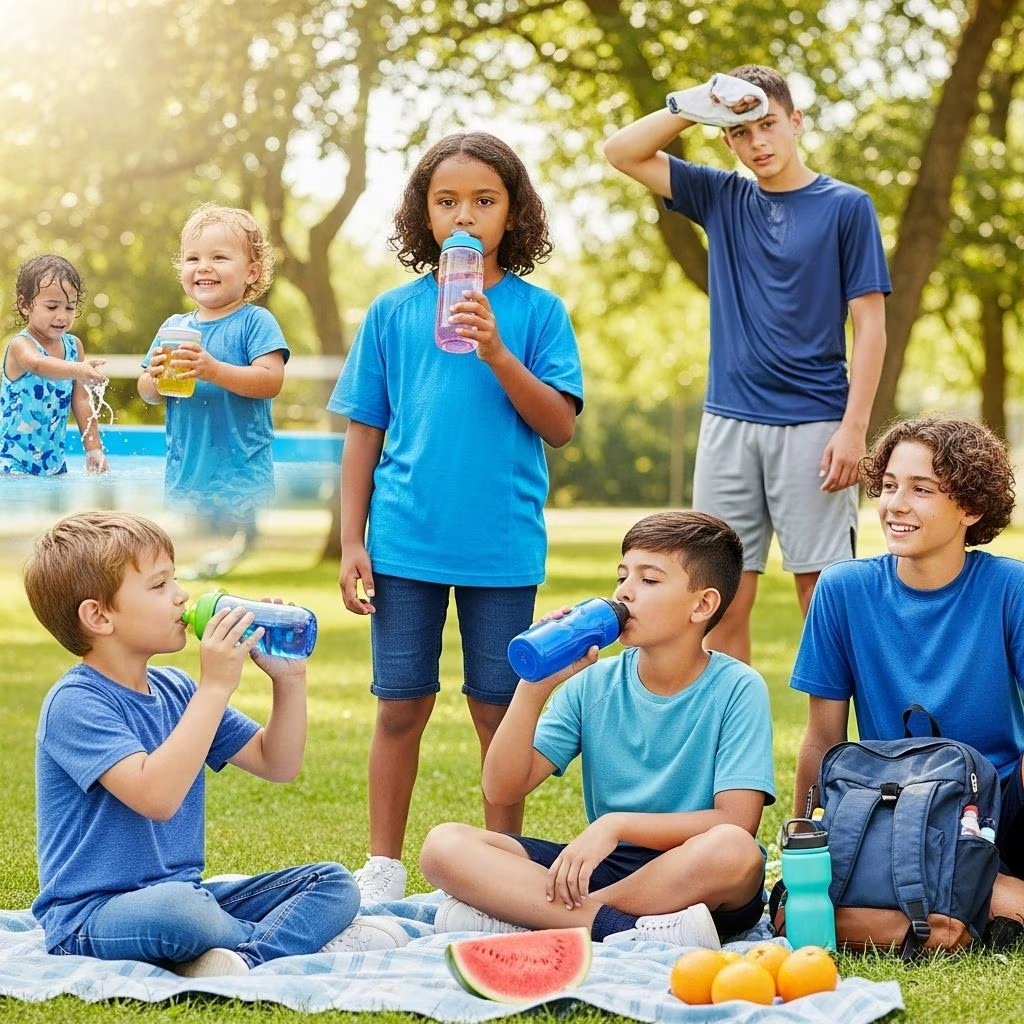
Pediatric Hydration: Toddlers & Teens Guide
Healthy hydration is vital for growing children and adolescents, supporting development, cognitive performance, physical activity, and resilience against heat-related illnesses. This article presents a thorough guide for parents, caregivers, and educators to understand the unique hydration requirements for toddlers and teens, recognizing signs of dehydration, and promoting lifelong healthy fluid habits.
Introduction
From infancy to late adolescence, hydration plays a pivotal role in health and growth. Water is not only essential for regulating body temperature and delivering nutrients but also for optimal brain function, energy levels, and disease prevention. Toddlers and teenagers, with their dynamic lifestyles and varying nutritional patterns, require special consideration for fluid intake and hydration practices.
Why Is Hydration So Important for Children?
Hydration supports:
- Physical growth and development: Water facilitates organ function, cellular growth, and metabolism.
- Cognitive performance: Inadequate hydration can affect concentration, mood, and learning capacity.
- Temperature regulation: Children’s bodies are less efficient at cooling, making them more vulnerable to dehydration, especially during physical activity and in heat.
- Digestion and waste elimination
- Prevention of heat illness: Prevents heat exhaustion and heat stroke, which are more common among active and exposed children.
Daily Hydration Requirements by Age
The required daily intake of fluids varies with age, body size, physical activity, and climate. The following recommendations provide a general framework; personalized needs may differ.
| Age Group | Recommended Water Intake (cups/day) | Recommended Water Intake (ounces/day) |
|---|---|---|
| 1–3 years (Toddlers) | 4 cups | 32 ounces |
| 4–8 years | 5 cups | 40 ounces |
| 9–13 years (Children, early teens) | 7–8 cups | 56–64 ounces |
| 14–18 years (Teens) | 8–11 cups | 64–88 ounces |
These recommendations are for normal conditions; increased activity, hot environments, and illness may increase fluid requirements. For infants under 6 months, exclusive breastmilk or formula is recommended; water should not be offered unless instructed by a physician.
Alternate Calculation (Based on Body Weight)
- General guideline: Half the child’s weight (in pounds) in ounces of water per day, up to 100 pounds.
- Children under 40 pounds: At least 1.5 ounces of water per pound for first 20 lbs; 0.75 ounces for each additional pound.
- Children over 40 pounds: 50 ounces plus 0.25 ounces for every pound above 40.
Factors Influencing Fluid Needs
Fluid requirements are not one-size-fits-all. Influencing factors include:
- Activity level: Vigorous exercise and sports dramatically increase fluid loss due to sweating.
- Climate/Temperature: Hot and humid weather increases risk of dehydration.
- Health status: Illness involving fever, vomiting, or diarrhea greatly increases fluid needs.
- Diet: Consumption of salty or high-protein foods; low intake of fruits/vegetables (naturally hydrating foods).
- Medical conditions: Diabetes, kidney disease, and some metabolic disorders may affect hydration requirements.
Recognizing and Preventing Dehydration
Dehydration occurs when the body loses more fluids than are replaced, impairing normal physiological functions. Children, especially toddlers and active teens, are at higher risk due to sensitive body systems and varied engagement in sports, play, and outdoor activities.
Common Causes of Dehydration in Kids
- Insufficient fluid intake
- High levels of physical activity
- Fever, vomiting, or diarrhea (illness)
- Excessive sweating
- Certain medications and medical conditions
Signs and Symptoms of Dehydration
- Dry mouth and tongue
- Fewer wet diapers (infants/toddlers) or urine output
- Dark/yellow, concentrated urine
- Sunken eyes or cheeks
- Lethargy, irritability, or lack of energy
- Dizziness, headache
- Crying without tears
- Cool or dry skin
Heat-Related Illnesses
- Heat Exhaustion: Excessive sweating, weakness, nausea, muscle cramps, and increased body temperature. Move child to cool area, hydrate, and use cold packs. If symptoms persist more than an hour, consult a pediatrician.
- Heat Stroke: Confusion, unresponsiveness, rapid pulse, and very high body temperature. Immediate medical attention is required; this is a medical emergency.
When to Seek Immediate Medical Care
- Child cannot keep fluids down due to vomiting
- Signs of severe dehydration: listlessness, unconsciousness, rapid breathing/pulse
- No urination for 8 hours or longer
Hydration in Physical Activity and Hot Weather
Physical activity, especially sports, increases fluid loss through sweat. Proper hydration is critical for children and teens who exercise, play outdoors, or participate in athletics. Recommendations include:
- Pre-hydrate before activity: drink 17 ounces of water the night before, upon waking, and before the event.
- During activity: drink 3–8 ounces of water every 20 minutes for children aged 9–12; teens require 34–50 ounces per hour depending on intensity.
- After activity: replace lost fluids, approximately 35 ounces of water per pound of body weight lost during exercise.
- Monitor for changes: Weigh child before and after sports/events to track fluid loss and adjust intake.
Sports Drinks: Are They Necessary?
- Sports drinks are formulated to replenish carbohydrates and electrolytes lost during prolonged activity (over one hour) and heavy sweating.
- Water remains the best hydration choice during most activities; excessive consumption of sports drinks is not recommended for non-active periods.
- Use sports drinks judiciously for events exceeding one hour or high-intensity exertion, and prefer water for regular hydration.
Choosing the Right Drinks for Kids
Not all fluids are created equal. The best choices promote hydration without unnecessary sugars or additives.
- Water: Zero calories, no added sugar; best for thirst and everyday hydration.
- Milk: Provides hydration and nutrition, especially for younger children.
- Electrolyte solutions: (ORS) Best for dehydration due to illness—vomiting or diarrhea.
- Natural drinks: Unsweetened, additive-free options like diluted fruit juice (limit quantity to avoid excess sugar).
- Limit sugary drinks: Sodas, energy drinks, and commercial fruit juices are high in sugar and often unnecessary.
Specific Tips for Infants and Toddlers
- Under 6 Months: Exclusive breastmilk or formula; no water needed unless advised by pediatrician.
- 6–12 Months: Small amounts of water may be introduced gradually with solids.
- Toddlers: Water, milk, and limited diluted juice are appropriate.
Practical Strategies to Promote Hydration
Parents and caregivers can promote healthy drinking habits with purposeful strategies:
- Offer water routinely—at meals, snack times, and before/recovering from activity.
- Encourage children to carry a water bottle at school, sports, and outings.
- Flavor water naturally with sliced fruit or herbs for appeal without sugars.
- Serve hydrating foods: watermelon, cucumber, oranges, and strawberries.
- Set reminders or hydration breaks during activities.
- Lead by example—model drinking water yourself.
- Limit access to sugary drinks at home and school.
- Teach children how to recognize thirst and advocate for their own hydration.
Frequently Asked Questions (FAQs)
Q: How much water should my child drink each day?
A: General recommendations suggest 4 cups (32 oz) for toddlers (1–3 years), 5 cups (40 oz) for ages 4–8, 7–8 cups (56–64 oz) for ages 9–13, and 8–11 cups (64–88 oz) for teens 14–18. Body weight, activity, and climate may further increase needs.
Q: What are the most common causes of dehydration?
A: The most frequent causes include insufficient fluid intake, fever, vomiting or diarrhea, high activity levels, hot weather, and certain medications or medical conditions.
Q: Can my child drink too much water?
A: Yes, excessive intake over short periods can cause water intoxication (hyponatremia), but this is rare. Encourage balanced, age-appropriate hydration.
Q: When should my child have sports drinks?
A: Sports drinks are generally reserved for prolonged activity (>1 hour), extreme heat, or heavy sweating. For most children, water is sufficient.
Q: How do I know if a toddler is hydrated?
A: Look for regular urination (several wet diapers or toilet trips per day), moist mouth, normal skin tone, alert behavior, and absence of dehydration signs listed above.
Q: Is milk or water better for hydration?
A: Both contribute to daily fluid needs; water is calorie-free and preferred for thirst, while milk adds nutrition and hydration, especially for younger children.
Summary Table: Age-Based Hydration Needs
| Age | Recommended Intake (oz/day) | Additional Needs (Activity/Illness/Heat) |
|---|---|---|
| 1–3 years | 32 oz | +2–6 oz/hr of activity; extra during illness |
| 4–8 years | 40 oz | +3–8 oz/hr of activity |
| 9–13 years | 56–64 oz | +7–16 oz/hr of activity |
| 14–18 years | 64–88 oz | +15–32 oz/hr of activity |
Sources & Expert Comments
- HealthyChildren.org: Recommends 4 cups for toddlers and more for older children. Water and milk are preferred fluids; dehydration risk rises with activity and illness.
- Nationwide Children’s Hospital: Offers guidelines for rehydration during illness; oral rehydration solutions (ORS) may be necessary, given in small, frequent doses.
- St. Louis Children’s Hospital: Endorses calculation based on body weight, with increased fluid intake for active children and recommendations for weighing before/after activity.
- Children’s Health (UT Southwestern): Reinforces age-specific water intake and the importance of hydrating before/after sports or outdoor play.
- NCBI StatPearls: Clinical fluid management and pediatric dehydration strategies for physicians.
- AAP Healthy Hydration Toolkit: Plain water is the best choice; avoid sweetened beverages whenever possible.
Key Takeaways
- Encourage regular water intake—offer at meals and before, during, and after activity.
- Adapt hydration strategies for child’s age, size, climate, and health.
- Monitor for symptoms of dehydration, especially during illness, heat, or vigorous exercise.
- Favor water and milk and limit sweetened drinks to foster lifelong habits.
- Seek medical advice if dehydration symptoms are severe or persistent.
References
- https://www.healthychildren.org/English/healthy-living/nutrition/Pages/Choose-Water-for-Healthy-Hydration.aspx
- https://www.nationwidechildrens.org/conditions/dehydration
- https://www.stlouischildrens.org/how-much-water-does-my-child-need
- https://www.childrens.com/health-wellness/hydration-tip-for-your-childs-health-infographic
- https://emeraldcoastpediatrics.com/hydration-guidelines-for-children/
- https://choc.org/urology/water-intake-for-children/
- https://www.ncbi.nlm.nih.gov/books/NBK436022/
- https://www.aap.org/en/news-room/campaigns-and-toolkits/healthy-hydration/
- https://www.rch.org.au/clinicalguide/guideline_index/dehydration/


