


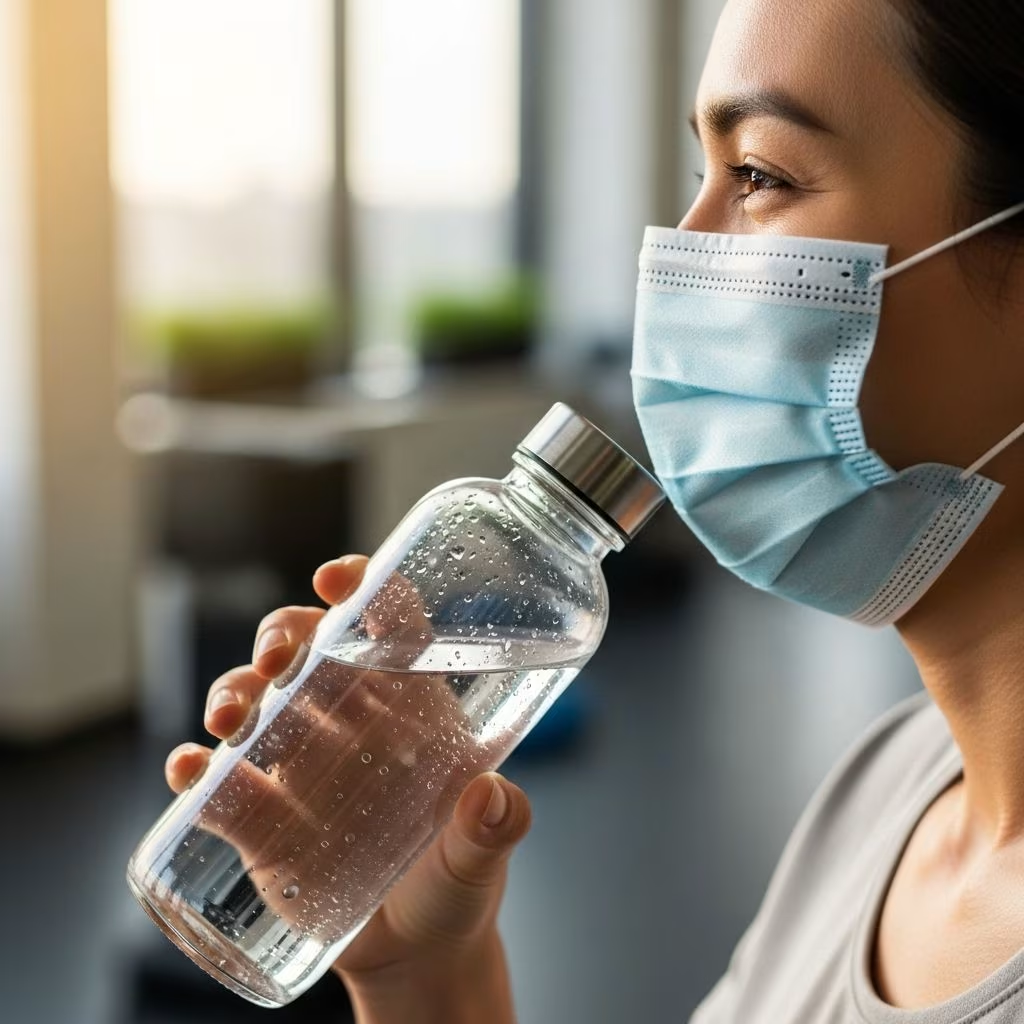
Hydration Tips While Wearing a Face Mask: How to Protect Your Skin and Stay Refreshed
Wearing a face mask has become integral to daily life, whether for protection against pathogens, in healthcare settings, or due to environmental concerns. However, mask usage can impact your skin’s natural moisture and hydration, cause irritation, and lead to discomfort. Proper hydration and skincare steps can prevent these issues and promote lasting skin health.
Why Hydration Matters While Wearing a Mask
Prolonged mask use affects skin by trapping moisture and sweat, increasing friction, and modifying airflow around the mouth and nose. These factors can contribute to transepidermal water loss (TEWL)—the evaporation of water from the skin—which leads to dehydration of the upper skin layers and increased sensitivity.
According to recent clinical studies, wearing a mask increases skin redness and TEWL while reducing overall skin hydration, particularly in sensitive skin. Applying a quality moisturizer after mask removal significantly improves these conditions.
Common Skin Issues Related to Mask Wearing
- Dryness: Loss of skin moisture due to constant coverage reduces natural hydration levels.
- Redness and Irritation: Prolonged friction and trapped humidity can inflame or sensitize the skin.
- Maskne (Mask-Induced Acne): Accumulated oils and sweat can clog pores, leading to breakouts.
- Chapped Lips: Occlusion and reduced air circulation cause lip dryness and cracking.
- Flare-ups of Pre-existing Conditions: Sensitive skin and certain dermatological conditions may worsen due to hydration loss and mechanical irritation.
Hydration Strategies for Mask Wearers
Keeping your skin hydrated when wearing a mask requires both topical and lifestyle approaches. Consider these proven tips for optimal hydration:
- Increase Water Intake: Drink sufficient water throughout the day—even mild dehydration can impair skin health. Monitor your water consumption and adjust based on climate, activity level, and indoor conditions.
- Apply Moisturizer Regularly: Use a richer, hydrating moisturizer before putting on a mask and after removal. Products with ceramides, hyaluronic acid, and glycerin help strengthen the skin barrier and retain moisture.
- Hydrate Lips: Use a lip balm or protective ointment multiple times per day—especially before donning a mask—to prevent chapping.
- Carry a Hydrating Mist or Essence: Use an alcohol-free hydrating spray for quick refreshment when able to briefly remove your mask.
- Limit Makeup Under the Mask: Makeup can further clog pores and hinder hydration. Opt for natural, breathable coverage if makeup is necessary.
- Spot Treat Areas of Irritation: Apply thicker emollients or barrier creams to spots prone to friction, such as the bridge of the nose or behind the ears.
Optimal Skincare Routine
Following a structured skincare routine reinforces hydration, reduces irritation, and helps repair skin after mask use.
- 1. Gentle Cleansing: Wash your face with a gentle, fragrance-free cleanser before and after using your mask. Avoid harsh soaps or astringents which strip moisture.
- 2. Moisturization: Apply moisturizer liberally to dry areas, taking special care with sensitive or irritated spots. For very dry climates or seasons, use heavier creams or facial oils.
- 3. Sun Protection: Masks do not fully block UV rays. Use a mineral sunscreen before putting on your mask, especially if outdoors.
- 4. Exfoliation: Gently exfoliate once or twice per week to remove dead skin cells and help moisturizers absorb better. Avoid over-exfoliating if skin is sensitive or broken.
- 5. Soothing Treatments: Use serums or creams containing calming ingredients (like calendula or niacinamide) for redness and irritation.
Morning Skincare Routine
- Cleanse face with mild cleanser
- Apply hydrating toner or essence
- Layer a moisturizer—with SPF or follow with sunscreen
- Spot-treat vulnerable zones (nose, chin, cheeks)
- Apply lip balm
- Optionally: light, breathable makeup on exposed areas only
Evening Skincare Routine
- Thorough cleansing to remove sweat, dirt, and mask residue
- Apply hydrating serum (e.g., hyaluronic acid, ceramide blends)
- A richer moisturizer for overnight repair
- Weekly: Gentle exfoliation before serum and moisturizer
Impact of Mask Materials on Hydration
The physical composition and texture of your mask can greatly affect how your skin retains moisture and copes with friction.
- Natural Fabrics: Cotton masks are more breathable, reduce irritation, and help maintain skin hydration levels.
- Synthetic Materials: Masks made from nylon, polyester, or rayon trap more humidity, promoting breakouts and irritation.
- Proper Mask Care: Wash reusable masks daily with fragrance-free, hypoallergenic detergent to reduce buildup of sweat and irritants.
Recommended Hydration Products and Ingredients
Choose products that offer deep hydration and help reinforce the skin’s barrier functions.
| Ingredient | Key Benefit | Notes |
|---|---|---|
| Hyaluronic Acid | Retains and draws moisture into skin | Lightweight, suitable for all skin types |
| Ceramides | Strengthen moisture barrier | Essential for dry or sensitive skin |
| Glycerin | Humectant, binds water to skin | Common in moisturizers |
| Aloe Vera | Soothes irritation and hydrates | Ideal for inflamed skin |
| Calendula | Reduces redness, calms skin | Best for sensitive areas |
For acute irritation or flare-ups, barrier creams like petroleum jelly or thick ointments provide extra protection and moisture. Avoid alcohol-based products, which can dry the skin further.
Dietary Tips for Staying Hydrated
- Consume Water-Rich Foods: Cucumber, watermelon, celery, oranges, and strawberries boost water intake and supply antioxidants.
- Avoid Excess Caffeine and Alcohol: Both substances promote dehydration and should be balanced with increased water intake.
- Track Your Hydration: Use a refillable bottle or hydration app to remind you to drink consistently throughout the day.
- Include Electrolytes: If you sweat excessively (due to mask-wearing in hot climates), fluids with electrolytes can replenish lost minerals.
Tips for Hot, Cold, and Dry Conditions
Mask-wearing in challenging environments requires extra attention to hydration.
- Hot Climates: Higher temperature raises sweat and water loss. Take regular breaks in a safe area to drink water and briefly remove the mask for skin ventilation. Use cooling cloths on the neck and forehead when possible, but keep masks dry.
- Cold Weather: Cold, dry air increases moisture loss. Use thick, occlusive moisturizers and drink warm fluids. Cotton or wool masks may help retain some warmth but still require regular cleaning.
- Dry Indoor Environments: Indoor heating or air conditioning dries the skin. A humidifier can help, as can regular application of hydrating skincare.
Frequently Asked Questions (FAQs)
Q: How often should I moisturize while wearing a face mask?
Apply moisturizer before putting on your mask, immediately after removal, and spot treat dry or irritated zones throughout the day.
Q: What type of mask is best for skin hydration?
Choose a mask made from soft, breathable, natural fabrics like cotton, as these reduce irritation and are less likely to cause dryness.
Q: Can I wear makeup with a mask, and how does it affect hydration?
It’s best to avoid foundation or heavy makeup under your mask, as it can clog pores and worsen dehydration or irritation. Focus on eye makeup or breathable, non-comedogenic products if necessary.
Q: Should I use a facial mist while wearing a mask?
Facial mists and hydrating essences can be beneficial if you briefly remove your mask in a safe setting. Avoid spraying directly onto the mask, as a damp mask can promote bacterial growth and impair filtration.
Q: What are signs of dehydration or skin distress caused by mask use?
Common indicators include flaking, tightness, redness, itching, or persistent breakouts. Address these signs promptly with hydration, barrier repair, and professional advice if severe.
Conclusion
Wearing a face mask is essential for health and safety but requires added awareness of skin and overall hydration needs. By following a thoughtful routine—both topically and through lifestyle choices—you can preserve healthy, radiant skin, reduce discomfort, and ensure that mask use remains protective rather than problematic. Adjust your approach according to environment, mask type, and skin sensitivity, and stay informed about the best ways to keep your skin—and yourself—hydrated and resilient.
References
- https://jurlique.com/blogs/news/7-tips-for-caring-for-your-skin-while-wearing-a-face-mask
- https://pmc.ncbi.nlm.nih.gov/articles/PMC9348451/
- https://www.isdin.com/us/blog/skincare/routines/5-tips-to-take-care-of-your-skin-while-wearing-a-mask/
- https://www.lorealparisusa.com/beauty-magazine/skin-care/skin-care-essentials/face-mask-mistakes-to-avoid
- https://us.typology.com/library/how-to-use-a-hydrating-face-mask
- https://www.willystreet.coop/reader/june-2020/facial-care-while-wearing-a-mask/
- https://www.cerave.com/skin-smarts/skincare-tips-advice/facemask-skin-problems
- https://www.aarp.org/health/conditions-treatments/wearing-face-masks-summer/
- https://uihc.org/health-topics/5-tips-keeping-skin-healthy-while-wearing-masks


