


Introduction
Proper hydration is a cornerstone of good health, but for individuals living with type 2 diabetes, it takes on even greater significance. Fluid balance directly impacts blood sugar levels, kidney function, and overall metabolic health. This article provides a comprehensive, evidence-based guide to hydration protocols specifically tailored for people with type 2 diabetes, covering daily fluid requirements, optimal beverage choices, practical tips, and expert answers to common questions.
The Importance of Hydration in Type 2 Diabetes
Hydration is essential for everyone, but people with type 2 diabetes face unique challenges. Elevated blood glucose levels can lead to increased urination, which in turn raises the risk of dehydration. Dehydration can further exacerbate high blood sugar, creating a vicious cycle that may worsen diabetes symptoms and complications.
Water plays a critical role in nearly every bodily system. It supports digestion, maintains blood volume, and helps insulin work more effectively. Adequate hydration also enables the kidneys to remove excess glucose and waste products efficiently, which is especially important for those with diabetes.
Daily Fluid Needs for People with Type 2 Diabetes
There is no one-size-fits-all answer to how much water a person with type 2 diabetes should drink each day. Fluid needs depend on age, activity level, climate, health status, and medication use. However, general guidelines can serve as a useful starting point:
- General Recommendation: Aim for 9 to 13 cups (2.1–3.1 liters) of fluids per day, unless your healthcare provider advises otherwise.
- Gender-Based Guidelines: The U.S. National Academies of Sciences, Engineering, and Medicine suggest about 15.5 cups (3.7 liters) for men and 11.5 cups (2.7 liters) for women daily, including fluids from all beverages and foods.
- Individual Variations: Needs increase with physical activity, high temperatures, or elevated blood glucose levels.
It’s important to establish a routine of drinking water regularly throughout the day, rather than waiting until you feel thirsty. Thirst is often a late sign of dehydration, especially in older adults.
Best Hydration Choices for Type 2 Diabetes
Not all fluids are created equal when it comes to managing type 2 diabetes. Here’s a breakdown of the best and worst options:
Optimal Beverage Choices
- Plain Water: The gold standard. It has no calories, no carbohydrates, and helps regulate blood sugar levels.
- Mineral Water: Contains beneficial electrolytes like magnesium, calcium, and potassium, which support overall health.
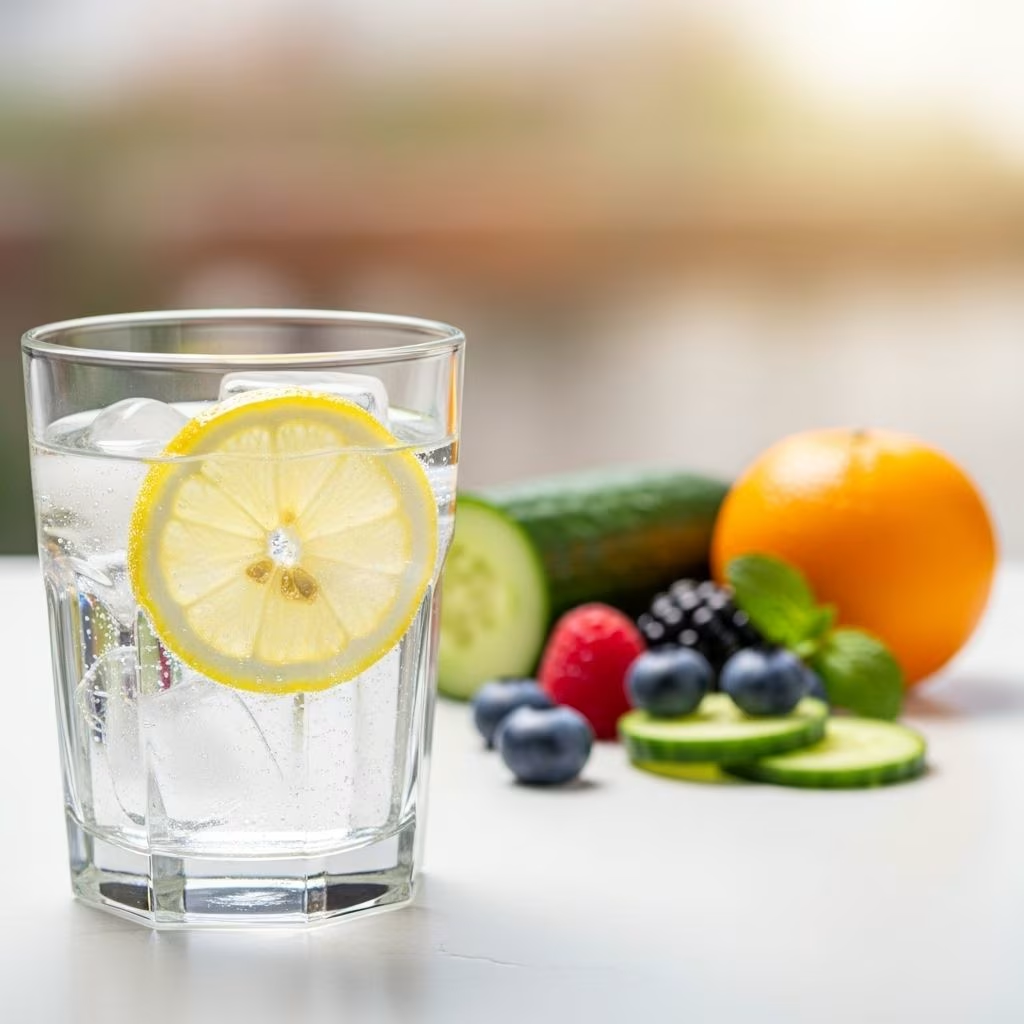
- Infused Water: Adding slices of lemon, lime, cucumber, or berries enhances flavor without significant calories or carbs, encouraging higher intake.
- Herbal Teas: Unsweetened varieties (hot or cold) provide hydration and potential health benefits without affecting blood sugar.
- Coconut Water: Rich in electrolytes but contains natural sugars; consume in moderation and account for carbohydrates in your meal plan.
- Sparkling Water: Plain, unsweetened options are a good alternative to sugary sodas.
Beverages to Avoid or Limit
- Sugary Drinks: Sodas, fruit juices, energy drinks, and sweetened teas can cause rapid spikes in blood glucose and should be avoided.
- Artificially Sweetened Beverages: While low in calories, some studies suggest potential metabolic effects; water remains the best choice.
Hydration from Foods
Many fruits and vegetables—such as watermelon, cucumbers, oranges, and lettuce—are high in water content and can contribute to daily fluid intake.
Practical Hydration Tips and Habits
Adopting healthy hydration habits can make a significant difference in managing type 2 diabetes:
- Carry a Water Bottle: Keep a refillable bottle with you to encourage regular sipping throughout the day.
- Set Reminders: Use phone alarms or apps to remind you to drink water, especially if you have a busy schedule.
- Flavor Your Water: Add natural flavors like citrus, berries, or herbs to make water more appealing without adding sugar.
- Monitor Your Intake: Track how much you drink, especially during hot weather or increased activity.
- Hydrate Before, During, and After Activity: Drink extra fluids when exercising or spending time outdoors in the heat.
- Check Labels: Avoid drinks with added sugars or carbohydrates by reading nutrition labels carefully.
Recognizing the Signs of Dehydration
Dehydration can be dangerous, particularly for people with type 2 diabetes. Be alert for these common signs:
- Thirst (though this may be a late indicator)
- Dark yellow urine
- Dry mouth and skin
- Fatigue or dizziness
- Headache
- Rapid heartbeat
A simple way to check hydration status is to observe urine color: pale yellow indicates good hydration, while dark yellow suggests you need more fluids. However, certain medications and foods can alter urine color, so this method is not foolproof for everyone.
Special Considerations and Medications
Some diabetes medications, particularly SGLT-2 inhibitors (e.g., canagliflozin, dapagliflozin, empagliflozin), increase urination and elevate the risk of dehydration. If you take these medications, your fluid needs may be higher than average.
Other factors that increase fluid requirements include:
- Living in hot or humid climates
- Being physically active
- Managing other health conditions, such as high blood pressure or kidney disease
- Advanced age, as the sense of thirst may diminish
Always consult your healthcare provider to tailor hydration recommendations to your individual health profile and medication regimen.
Frequently Asked Questions (FAQs)
How much water should I drink if I have type 2 diabetes?
There is no universal amount, but a general guideline is 9–13 cups (2.1–3.1 liters) per day, adjusting for activity, climate, and health status. Always follow your healthcare provider’s advice.
Can I drink other beverages besides water?
Yes, but choose wisely. Plain water is best. Herbal teas, mineral water, and infused water are good alternatives. Limit sugary drinks and be cautious with coconut water due to its natural sugar content.
What are the signs of dehydration in diabetes?
Look for thirst, dark urine, dry mouth, fatigue, dizziness, and headache. Severe dehydration can be dangerous, so seek medical attention if symptoms persist.
Do I need more fluids if I take certain diabetes medications?
Yes, medications like SGLT-2 inhibitors increase urination and may raise your fluid needs. Consult your doctor for personalized advice.
Can foods help with hydration?
Yes, fruits and vegetables with high water content (e.g., watermelon, cucumber, oranges) contribute to your daily fluid intake.
Is thirst a reliable indicator of hydration status?
Thirst is a late sign of dehydration. It’s better to drink water regularly throughout the day, especially if you’re older or have diabetes.
Conclusion
Hydration is a vital, yet often overlooked, component of diabetes management. By understanding your unique fluid needs, choosing the right beverages, and adopting practical hydration habits, you can better regulate blood sugar, support kidney function, and enhance overall well-being. Always work closely with your healthcare team to develop a hydration protocol that fits your lifestyle, health status, and treatment plan. Staying well-hydrated is a simple yet powerful step toward thriving with type 2 diabetes.
References
- https://www.allisonmedical.com/optimal-water-choices-for-people-with-diabetes-during-summer/
- https://www.goodrx.com/conditions/diabetes/how-much-water-should-a-diabetic-drink-daily
- https://www.aces.edu/blog/topics/home-family/hydration-and-diabetes-why-fluid-matters/
- https://diatribe.org/diet-and-nutrition/diabetes-and-hydration-are-you-drinking-enough-water
- https://health.umms.org/2023/02/15/staying-hydrated-when-you-have-diabetes/
- https://diabetes.org/health-wellness/fitness/sports-drinks-impact-on-glucose-blood-sugar
- https://www.mayoclinic.org/diseases-conditions/diabetes/diagnosis-treatment/drc-20371451
- https://diabetesfoodhub.org/blog/hydration-unsung-hero-diabetes-health
- https://pubmed.ncbi.nlm.nih.gov/34186361/


