


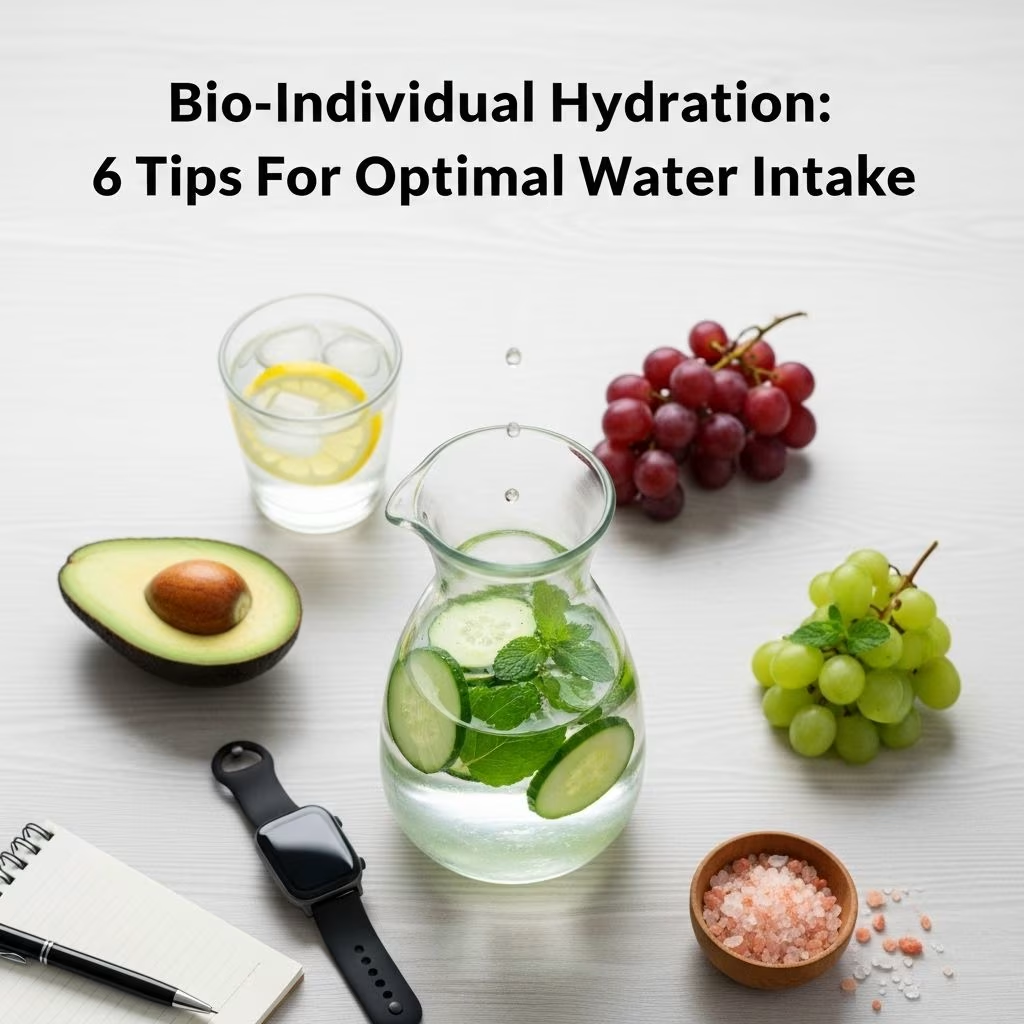
Bio-individuality emphasizes that each person’s body is unique, and so are their fluid and nutrient requirements. As science increasingly recognizes the interplay between genetics, environment, and lifestyle, a standardized approach to hydration and nutrition is giving way to more personalized, evidence-based models. This article explores the science behind hydration, individual differences, and strategies for optimizing water intake and nutrition to achieve optimal health.
Introduction: The Science of Hydration & Bio-Individuality
Water is fundamental for life. It regulates body temperature, lubricates joints, aids digestion, nutrient transport, cell signaling, and detoxification. Yet, the amount of water each individual needs can vary drastically. The concept of bio-individuality refers to the recognition that factors such as genetics, metabolism, environment, activity level, and diet uniquely shape a person’s hydration and nutritional needs .
Hydration Fundamentals: Why Water Matters
Understanding hydration is more than knowing how much water to drink; it’s about ensuring the body is optimally supplied to function on a cellular level. Water is involved in:
- Regulating internal temperature
- Transporting nutrients and oxygen to cells
- Removing metabolic waste
- Protecting organs and tissues
- Maintaining healthy skin, cognition, and mood
Even mild dehydration can impair cognitive and physical performance, mood, and skin health .
General Water Intake Recommendations
| Group | Recommended Daily Intake (mL) | Approximate Cups |
|---|---|---|
| Adult Women (19+ years) | 2,700 | About 11.5 cups |
| Adult Men (19+ years) | 3,700 | About 15.5 cups |
| Children (4–8 years) | 1,700 | About 7 cups |
| Teens (14–18 years, Female) | 2,300 | About 9.5 cups |
| Teens (14–18 years, Male) | 3,300 | About 13.5 cups |
These values include all fluids consumed, including water, other beverages, and moisture in food .
Determinants of Individual Hydration Needs
The variation in hydration requirements is significant; no single intake level assures optimal hydration for all healthy individuals under all conditions .
Key Factors Affecting Hydration Needs
- Body Size & Composition: Higher body mass and muscle increases water needs.
- Metabolic Rate: Faster metabolism can increase fluid turnover.
- Physical Activity: Exercise increases sweat loss and water demand.
- Environmental Conditions: Heat, humidity, cold, and altitude influence water loss.
- Dietary Intake: High-protein, fiber, or sodium increases water needs.
- Health Status: Illness (especially with fever, vomiting, diarrhea), pregnancy, or lactation alter requirements.
- Genetics: Variations in kidney function and sweat rate affect hydration.
- Age: Children and older adults may have altered thirst perception and fluid needs.
Table: Sample Fluid Needs by Energy Expenditure
| Group | Energy (Kcal/day) | AI Fluid (mL/day) | Ratio (mL/kcal) |
|---|---|---|---|
| Child (2–3 yrs) | 1000–1400 | 1300 | 0.93 |
| Women (19–30 yrs) | 2000–2200 | 2700 | 1.23 |
| Men (19–30 yrs) | 2600–2800 | 3700 | 1.32 |
| Women (50+ yrs) | 1800 | 2700 | 1.5 |
| Men (50+ yrs) | 2200–2400 | 3700 | 1.54 |
Fluid needs can also be expressed as roughly 1–1.5 mL per kcal consumed. However, this is a generalization and does not account for individual variation .
Assessing Your Hydration Status
There is no universally accepted gold standard for measuring individual hydration in daily life. However, several methods can help gauge hydration:
- Urine Color: Light yellow indicates adequate hydration.
- Urine Specific Gravity (Usg): A direct, field-friendly measure where higher values indicate more concentrated urine and likely dehydration .
- Thirst Sensation: A lagging indicator, as thirst may be felt only after mild dehydration begins.
- Physical Symptoms: Fatigue, headaches, dry skin, and reduced concentration can signal dehydration.
- Body Weight Changes: Rapid weight loss over a day often reflects water loss.
The Interplay of Nutrition & Hydration
Hydration is intricately connected to nutrition. Water facilitates the digestion, absorption, and metabolic utilization of nutrients. The foods we eat can both contribute to and increase the need for fluids:
- Water-Rich Foods: Fruits, vegetables, and soups provide significant hydration.
- High-Protein or High-Fiber Diets: Increase fluid requirements for metabolism and gastrointestinal health.
- Sodium, Caffeine, and Alcohol: May increase fluid losses via urine or sweat.
- Balanced Diets: Promote better hydration status by supplying electrolytes and water.
Nutrition plans should account for hydration, as poor fluid balance affects the absorption and delivery of key nutrients .
Bio-Individuality in Nutrition: Personalized Approaches
Bio-individuality acknowledges that metabolic response to both water and nutrients is unique for each person. Factors influencing this individuality include:
- Genetics: Affect nutrient metabolism and water balance (e.g., how efficiently kidneys conserve water).
- Microbiome: The gut flora may influence hydration via water and electrolyte absorption.
- Lifestyle & Preferences: Food choices, cooking methods, and daily routines impact fluid and nutrition intake.
- Health Conditions: Disorders such as diabetes, kidney disease, or hormonal imbalances alter both hydration and nutrient needs.
Individualized nutrition plans—considering these variables—support long-term health and wellbeing. For example, an athlete training in hot climates, a pregnant woman, or an elderly adult with limited mobility will each require their own personalized hydration strategies.
Bio-Individual Hydration Strategies
- Monitor and respond to thirst, but do not rely on it as the sole indicator.
- Adjust fluid intake for weather, activity, and dietary changes.
- Include water-rich foods, especially if less likely to drink plain water.
- Pay attention to urine color and frequency.
- Consider tracking hydration with apps or journals, especially for children, older adults, athletes, and those with special health conditions.
Health Impacts of Inadequate or Excess Hydration
Effects of Dehydration
- Reduced physical performance
- Impaired cognitive function and mood (fatigue, confusion, anxiety)
- Dry, less elastic skin
- Constipation and kidney stone risk
- Headaches and dizziness
Multiple studies have linked low fluid consumption to negative effects in cognitive performance and mood, while increasing water intake in low-drinkers can improve energy and mental clarity .
Effects of Overhydration (Hyponatremia)
- Confusion, nausea, vomiting
- Headaches, muscle cramps, weakness
- Severe cases: seizures, coma, and potentially fatal outcomes
While rare in healthy individuals, excessive water intake without adequate electrolyte replacement can dilute sodium levels, severely impacting health .
Practical Guidance: Optimizing Personal Hydration and Nutrition
- Start with Baseline Recommendations
Begin by following age- and sex-specific Adequate Intakes. Adjust based on observed individual responses and lifestyle.
- Listen to Your Body
Pay attention to thirst, urine color, and any physical symptoms. These signals can be valuable, though imperfect, guides.
- Modify for Activity and Climate
Increase fluid intake before, during, and after exercise, or during periods of heat or sickness.
- Account for Diet Composition
Higher protein, fiber, and sodium diets demand more water; prioritize water-rich foods.
- Monitor Special Populations
Children, pregnant or breastfeeding women, athletes, elderly individuals, and those with medical conditions may require closer monitoring and professional guidance.
Top Tips for Meeting Your Bio-Individual Hydration Needs
- Keep water accessible throughout the day.
- Season foods with herbs instead of salt to avoid excessive sodium-driven thirst.
- Flavor water with fruit slices or herbs for increased palatability without added sugar.
- Review medications with a healthcare provider if they may affect hydration status.
- Check your hydration status using urine color, aiming for pale yellow.
- Remember that needs may change over time—monitor and adapt as needed.
Frequently Asked Questions (FAQs)
Q: Are thirst and urine color reliable indicators of hydration?
A: Thirst typically lags behind the body’s actual fluid deficit, and very active or elderly individuals might have altered thirst perception. Urine color is convenient but can be influenced by diet or supplements; pale yellow is generally a good sign of adequate hydration .
Q: Can you drink too much water?
A: Yes. Overhydration can dilute sodium levels in your blood (hyponatremia), which is dangerous. It is rare in healthy adults but more common in endurance athletes or those with certain health conditions .
Q: Is fluid from beverages other than water (like tea or coffee) counted?
A: Most fluids—including tea, coffee, milk, and even juice—contribute to total hydration, though water is preferred. Excess caffeine and sugar should be avoided.
Q: How much water should athletes drink?
A: Athletes need to replace fluids lost through sweat, which can mean significantly higher requirements than baseline guidelines, especially in hot or humid conditions. Tailoring intake to sweat rate and activity intensity is essential.
Q: Does the need for hydration change with age?
A: Yes. Children and older adults may be at higher risk of dehydration due to reduced thirst perception and, at older ages, decreased kidney efficiency .
Q: Can certain diets affect hydration?
A: Diets high in protein, salt, or fiber increase water needs. Plant-rich diets tend to support hydration, while very low-carb diets can increase fluid loss through the kidneys.
References
This article synthesizes research, narrative reviews, and published guidelines on hydration, nutrition, and individualized requirements, drawing from leading resources on the science of hydration, public health recommendations, and recent literature on bio-individuality.


