


Introduction
Hydration is essential for everyone, but individuals following a vegan lifestyle may face unique challenges in maintaining optimal fluid balance and electrolyte levels. Since plant-based diets can be rich in certain minerals, such as potassium and magnesium, but may lack others like concentrated sodium, it’s crucial for vegans to be mindful of their hydration strategies. This article provides a comprehensive guide to vegan hydration strategies, discussing key minerals, natural electrolyte sources, and practical tips for maintaining optimal hydration.
Understanding Hydration and Electrolytes
Hydration is not just about drinking water; it involves maintaining the balance of essential minerals known as electrolytes, which include sodium, potassium, magnesium, and calcium. These minerals help regulate fluid balance, support muscle and nerve function, and facilitate energy production at the cellular level. Understanding the role of electrolytes is vital because deficiencies can lead to symptoms like fatigue, muscle cramps, and dizziness.
Hydration Strategies for Vegans
Here are some effective strategies for staying hydrated on a vegan diet:
- Incorporate Hydrating Foods: Fruits and vegetables like watermelon, cucumbers, and celery are not only hydrating but also rich in essential vitamins and minerals.
- Create Electrolyte-Boosting Drinks: Use coconut water, citrus juices, and a pinch of sea salt to create natural electrolyte drinks.
- Mind the Heat and Activity: Increase fluid intake during hot weather or intense physical activity to prevent dehydration.
- Monitor Calcium Intake: Use fortified plant milks to ensure adequate calcium consumption.
Key Minerals for Vegans
Here are some key electrolytes and their roles:
- Sodium: Helps regulate blood pressure and fluid balance; often lower in vegan diets, so natural sources like sea salt can be beneficial.
- Potassium: Essential for muscle contractions and nerve signals; abundant in fruits, vegetables, and legumes.
- Magnesium: Crucial for muscle function and heart rhythm; found in almonds, cashews, and leafy greens.
- Calcium: Important for bone health and muscle coordination; abundant in fortified plant milks and dark leafy greens.
Natural Electrolyte Sources
Here are some natural sources of electrolytes for vegans:
- Coconut Water: Rich in potassium and sodium, ideal for post-workout hydration.
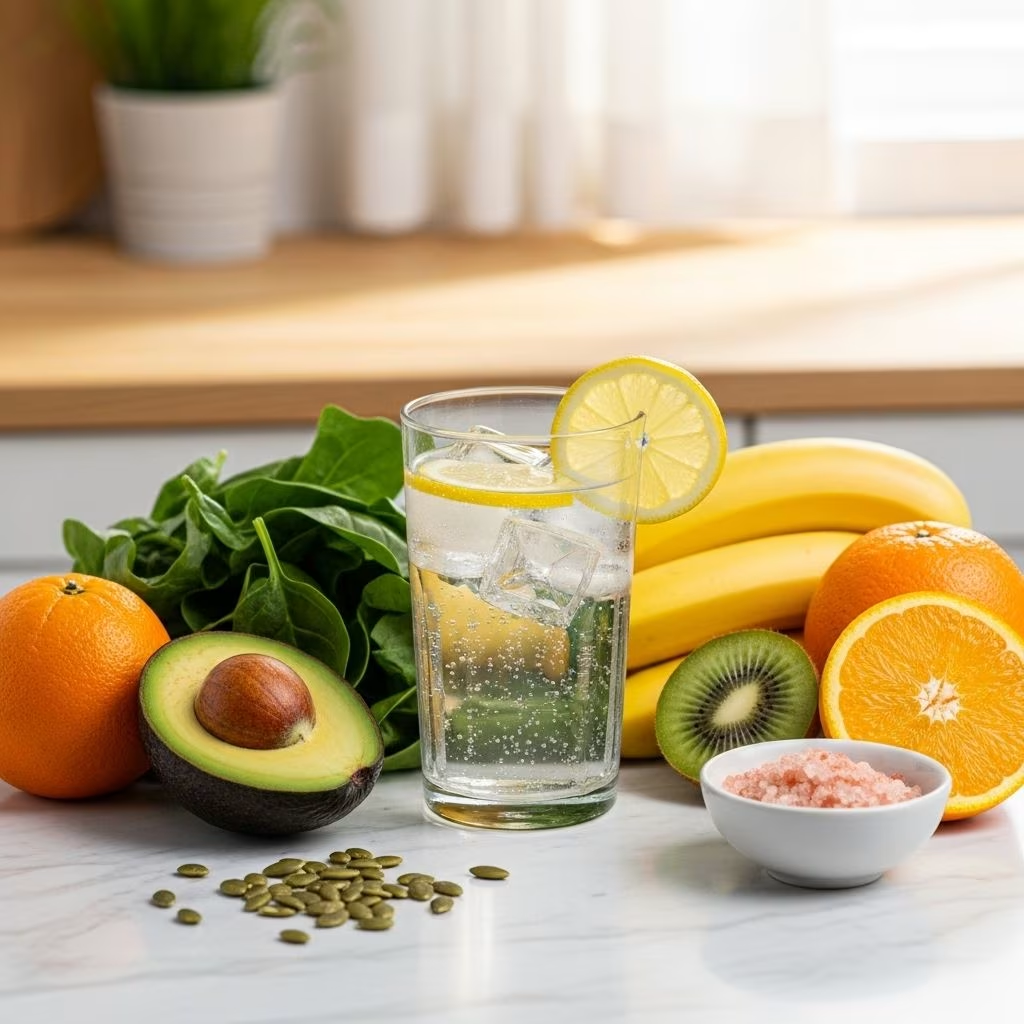
- Bananas: High in potassium, perfect for pre- or post-workout snacks.
- Leafy Greens: Spinach and kale offer magnesium and calcium.
- Avocados: Packed with potassium and magnesium, supporting muscle function.
Supplements and Hydrate Products
For individuals needing additional electrolyte support, vegan-friendly supplements can be beneficial. Look for products containing natural ingredients like coconut water powder and sea salt, and avoid those with artificial additives.
Frequently Asked Questions (FAQs)
Q: What are the best hydrating foods for vegans?
A: Foods like watermelon, cucumbers, and celery are excellent due to their high water content and electrolyte-rich composition.
Q: How can vegans ensure adequate sodium intake?
A: Use natural sources like sea salt, miso, or fermented vegetables to supplement sodium in your diet.
Q: What are some natural electrolyte-rich drinks for vegans?
A: Coconut water, homemade plant-based electrolyte drinks with citrus juice and sea salt, and using avocado in smoothies are excellent options.
Q: How often should I drink water during intense workouts?
A: During activities lasting over an hour, sip an electrolyte-rich drink every 20–30 minutes to maintain hydration and electrolyte balance.


