


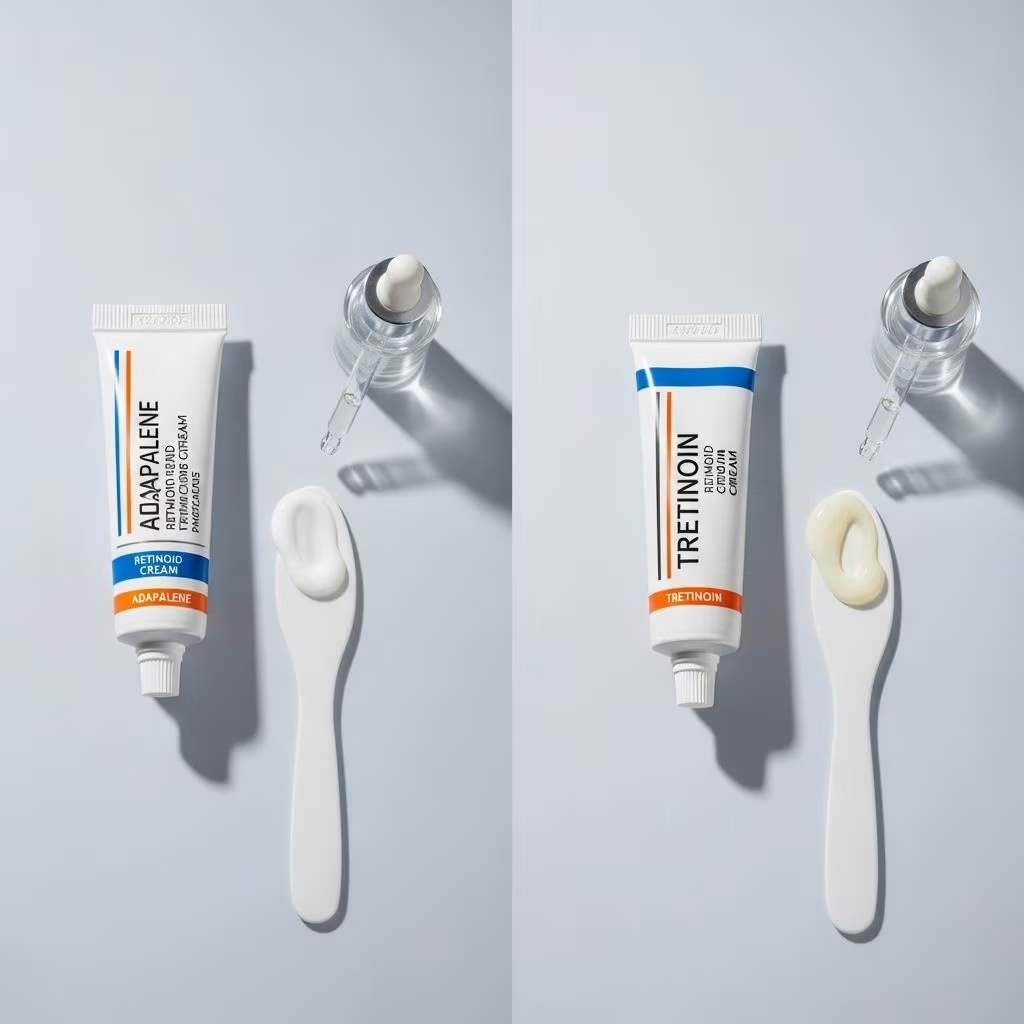
Topical retinoids are among the most effective, research-backed treatments for acne, signs of skin aging, hyperpigmentation, and overall skin renewal. The two most commonly prescribed retinoids—adapalene and tretinoin—are both Vitamin A derivatives, but there are important differences in their chemistry, effectiveness, side effects, and suitability for different skin concerns and types. Choosing between adapalene and tretinoin is crucial for optimal results and minimal side effects. This article provides an in-depth comparison, drawing on clinical studies and expert guidance to help you make the best decision for your skin health.
Introduction to Retinoids
Retinoids are a class of compounds derived from Vitamin A. Topically applied, they encourage skin cell turnover, unclog pores, and stimulate collagen production. The most widely used topical retinoids in dermatology are adapalene (best known as Differin) and tretinoin (brand names include Retin-A, Renova). Both are prescription-strength in many countries, although adapalene is available over-the-counter in lower concentrations in others.
Mechanism of Action: Adapalene vs. Tretinoin
Although both adapalene and tretinoin are retinoids, their chemical structure and receptor selectivity differ:
| Feature | Adapalene | Tretinoin |
|---|---|---|
| Generation | Third-generation | First-generation |
| Receptor Selectivity | Selective for RAR-β, RAR-γ | Binds all retinoic acid receptors (RAR-α, β, γ) |
| Primary Actions | Keratinization normalization, anti-comedogenic, anti-inflammatory | Cell turnover acceleration, collagen stimulation, broad-spectrum effects |
| Stability | Highly photostable and chemically stable | Less stable, can degrade with light and air exposure |
Both retinoids increase the rate of skin cell turnover, but adapalene targets specific receptors, leading to fewer side effects, especially irritation and redness, compared to tretinoin. Tretinoin’s broader receptor activity offers more pronounced effects on collagen and skin texture, but with an increased risk of irritation.
Core Uses and Efficacy
1. Acne Treatment
- Adapalene is highly effective for mild to moderate acne, especially for those with sensitive or easily irritated skin. It prevents formation of comedones (blackheads and whiteheads), reduces inflammatory lesions, and is suitable for long-term maintenance.
- Tretinoin is effective for a wider range of acne severities, including more severe and nodulocystic forms. It works faster and shows pronounced results in those who tolerate it, but initial irritation may be greater.
- Head-to-head studies show similar effectiveness in clearing acne, though adaptation period and tolerability differs. For example, one study of 150 patients found adapalene 0.1% gel reduced acne lesions by 69–74%, with fewer and less severe side effects than tretinoin 0.025% gel.
2. Anti-Aging and Photodamage
- Tretinoin is the gold-standard topical for photoaging, targeting fine lines, wrinkles, and hyperpigmentation through collagen stimulation and cellular renewal. Its anti-aging benefits are supported by decades of studies and clinical use.
- Adapalene is less studied for anti-aging but may offer some improvement in tone and texture due to its keratolytic effects. It is not considered as potent as tretinoin for reducing wrinkles or significant photodamage.
3. Other Skin Concerns
- Both retinoids can be used for post-inflammatory hyperpigmentation (PIH) and to some extent for melasma, though tretinoin is usually preferred for pigmentation issues.
- Adapalene is often recommended for those with darker skin types and who are prone to PIH or sensitivity, as it is less likely to exacerbate hyperpigmentation through irritation.
Summary Table: Indications and Strengths
| Indication | Adapalene | Tretinoin |
|---|---|---|
| Acne (Mild-Moderate) | ✓✓✓ | ✓✓✓ |
| Acne (Severe) | ✓✓ | ✓✓✓ |
| Anti-aging (Wrinkles, Lines) | ✓ | ✓✓✓ |
| Sensitivity | ✓✓✓ | ✓ |
Side Effects and Tolerability
Both adapalene and tretinoin can initially cause skin irritation, including dryness, redness, peeling, and mild stinging or burning. However, their side effect profiles differ:
- Adapalene is generally better tolerated, with fewer and less severe side effects, especially in sensitive or darker skin types. It leads to less redness, itching, and flakiness in comparative studies.
- Tretinoin is more potent, but can trigger more irritation, purging (initial acne flare-up), and longer adaptation time. Most irritation fades within 2-3 weeks as the skin adjusts.
- Both agents rarely cause systemic side effects and are safe for longer-term topical use when monitored.
Minimizing Side Effects
- Start with a lower concentration and frequency (e.g., every other night), increasing gradually as tolerated.
- Use gentle, fragrance-free cleansers and moisturizers to minimize dryness and support the skin barrier.
- Avoid using other potentially irritating products (such as exfoliating acids or benzoyl peroxide) when starting a retinoid.
- Apply sunscreen daily, as retinoids can make skin more susceptible to sunburn and photodamage.
Which Should You Choose?
- New to retinoids, have sensitive, reactive, or darker skin: Adapalene is often the best starting point due to its milder side effect profile and good efficacy.
- Main concern is moderate to severe acne or you desire robust anti-aging results: Tretinoin, under the care of a dermatologist, tends to be more effective for difficult acne and provides superior anti-aging outcomes.
- Preference for over-the-counter: Adapalene 0.1% (such as Differin gel) is widely available without prescription, while tretinoin requires a prescription in most regions.
- Cost-sensitive or requiring long-term therapy: Adapalene is generally less expensive and more stable, potentially reducing waste and cost over time.
Clinical Insight
Every individual’s skin responds differently. A dermatologist can help select the best retinoid, monitor your progress, adjust dosing, and recommend adjunctive therapies if needed. Sometimes, a patient may start with adapalene and move to tretinoin for more noticeable anti-aging results or for stubborn acne areas.
Practical Considerations: Accessibility, Cost, and Usage
| Factor | Adapalene | Tretinoin |
|---|---|---|
| OTC Availability | Yes (0.1% gel) | No (Rx only) |
| Prescription Forms | 0.1%, 0.3% (gel, cream, lotion) | 0.01%-0.1% (gel, cream, microspheres) |
| Stability | Very stable (light, air) | Less stable |
| Cost (approximate) | Low (especially OTC) | Moderate to high (depends on insurance and brand) |
| Best for | Acne, sensitive/PIH-prone skin | Severe acne, wrinkles, hyperpigmentation |
Combination Therapy and Product Stability
- Adapalene is more chemically stable and can be safely combined in formulations with other common acne treatments, most notably benzoyl peroxide.
- Tretinoin can lose potency when used alongside certain agents or when exposed to light and air for too long, requiring careful storage.
This makes adapalene a practical choice for multi-agent acne regimens.
Frequently Asked Questions (FAQs)
Q: How long does it take to see results from adapalene and tretinoin?
A: Both retinoids generally show improvement in acne within 4–8 weeks. Tretinoin may act slightly quicker for both acne and aging, but significant anti-aging results with either product require 3–6 months of consistent use.
Q: Can I use adapalene and tretinoin together?
A: No, they should not be used together as both are retinoids and increase the risk of irritation. A dermatologist may recommend alternating them or using one at a time for specific goals.
Q: Are these products safe for long-term use?
A: Yes, when used as directed and tolerability is established, both adapalene and tretinoin can be used safely for years and are often part of a lifelong skincare routine for acne-prone or photoaged skin.
Q: Do I need to stop using retinoids before cosmetic procedures?
A: Yes, most dermatologists recommend discontinuing topical retinoids several days before procedures like waxing, chemical peels, or laser treatments to reduce the risk of irritation and complications.
Q: Is adapalene or tretinoin better for sensitive or darker skin?
A: Adapalene is generally preferred for sensitive or darker skin types due to its lower risk of irritation and post-inflammatory hyperpigmentation.
Conclusion
Both adapalene and tretinoin are well-established, clinically effective topical retinoids, excelling at acne treatment and improving overall skin texture. Adapalene stands out for its gentle tolerability, stability, and accessibility, making it a superb first-line option, especially for those with sensitive or pigmentation-prone skin. Tretinoin is broader in scope, with deeper effects on signs of aging and severe acne—ideal for those able to tolerate its stronger initial side effects and seeking comprehensive skin rejuvenation. Consultation with a dermatologist or skincare expert can help tailor retinoid therapy to your unique skin needs.
References
- https://www.clinikally.com/blogs/news/adapalene-vs-tretinoin-key-differences-and-which-one-is-right-for-you
- https://www.dearbrightly.com/adapalene-vs-tretinoin-which-is-right-for-your-skin/
- https://pubmed.ncbi.nlm.nih.gov/11843231/
- https://cityskinclinic.com/tretinoin-adapalene/
- https://www.goodrx.com/classes/retinoids/adapalene-vs-tretinoin
- https://www.goodrx.com/classes/retinoids/adapalene-vs-tretinoin-wrinkles
- https://miiskin.com/acne/medications/adapalene-vs-tretinoin/


